Budget vs. Premium Firearms for Home Defense
Choosing a firearm for home defense is one of the few consumer decisions where the stakes are literally life and death, yet the price tags range from bargain-bin to luxury-grade. The real question is not whether budget or premium guns are “better,” but how much performance, reliability, and training you actually gain as you climb the price ladder. I look at the divide as less of a status choice and more of a risk calculation: what do you need the gun to do on the worst night of your life, and what are you willing to sacrifice to get there within your budget.
What “budget” and “premium” really mean in a defensive gun
In the defensive world, “budget” usually describes firearms that cut cost through simpler finishes, fewer frills, and mass production, while still aiming to be mechanically sound. Classic revolvers show how this split emerged: at a time when a deluxe heavy-frame .357 M was the aspirational choice, later known as the Model 27, the same maker also offered plainer workhorse versions that delivered similar function without the polish. That pattern continues today in defensive pistols and shotguns, where stripped-down models give up cosmetic refinement or brand prestige but still promise basic reliability for home protection, a tradeoff highlighted in reporting on self-defense budget guns.
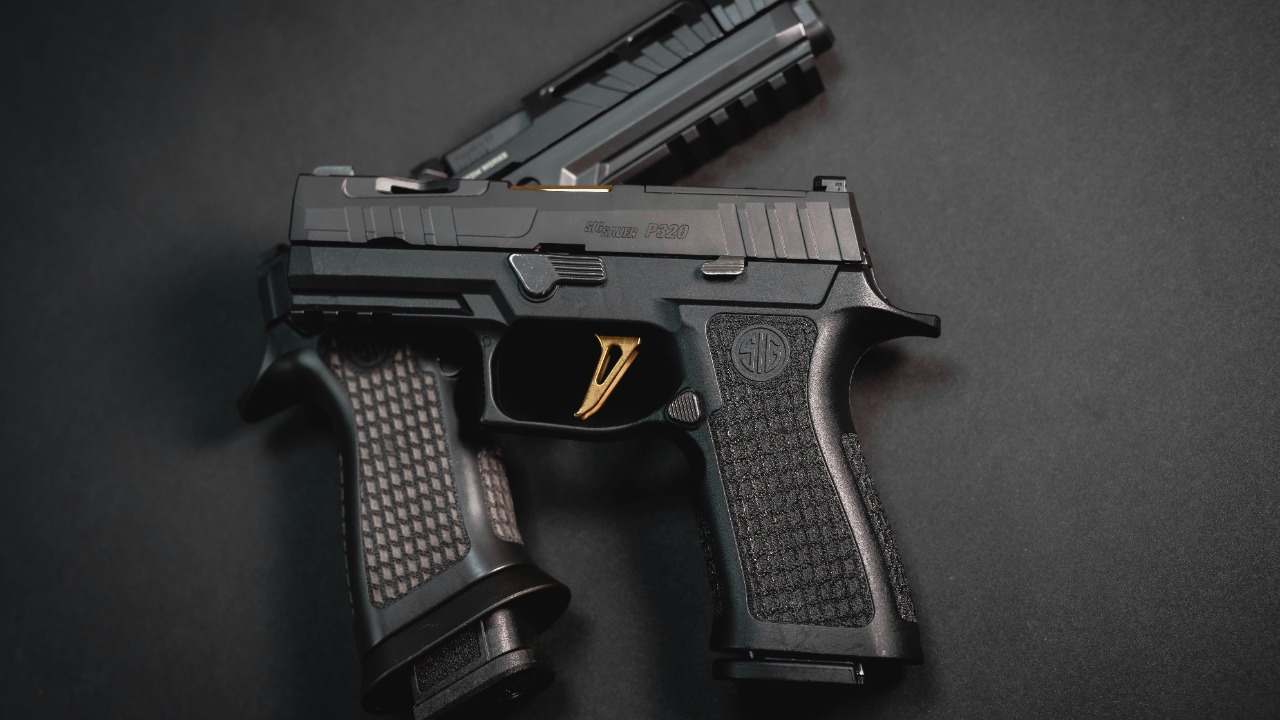
Premium guns, by contrast, tend to justify their higher prices with tighter tolerances, enhanced ergonomics, and reputational capital. A pistol like the P226 MK25 is marketed on the fact that it was, as the maker puts it, “Once reserved only for an elite few,” and that it delivered the features that made it the official sidearm of the U.S. Navy SEALs, a pedigree that drives buyers toward the P226 MK25 even if a less expensive pistol would function just as well in a hallway at 3 a.m. In practice, the line between budget and premium is not a hard safety threshold, it is a spectrum of incremental gains in durability, shootability, and brand-backed confidence.
How much money actually buys more safety
When people ask how much they “should” spend on a defensive firearm, they are often hoping for a magic number that guarantees safety, but the reality is more nuanced. One manufacturer frames the decision bluntly: if you are still expecting a definitive dollar figure, “then you obviously skipped ahead,” because the right answer depends on your needs, your willingness to train, and the cost of accessories and upkeep that come with any gun. Their guidance stresses that a reliable defensive firearm is a long-term tool, and that if you can afford to stretch a bit for quality, “You won’t be sorry,” a sentiment that underpins their advice on how much to spend on a firearm.
At the same time, experienced shooters often argue that beyond a certain baseline, extra dollars are better spent on ammunition and training than on exotic hardware. In one widely shared discussion, a user given a $2,500 budget for a rifle or other home-defense setup suggested buying a Glock and then putting roughly $2,000 into practice ammo and a quality light, a view echoed by commenters like Brennelement in a $2,500 budget thread. That logic reflects a core truth of defensive shooting: a mid-priced gun in trained hands is far more effective than a high-end safe queen that the owner rarely fires.
Budget handguns that punch above their price
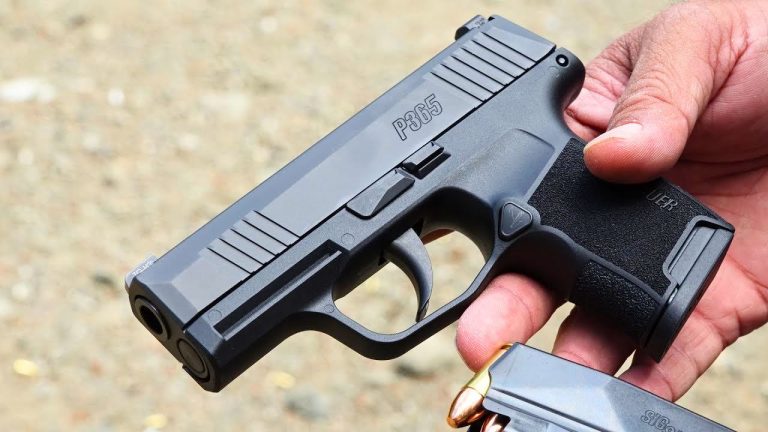
Handguns remain the most common choice for home defense, and the budget segment has improved dramatically. One compact .380 pistol is described as “Weighing only 9.97-oz, with its polymer frame, and holding 6+1 rounds of . 380 ACP ammo,” a combination that makes it light enough for daily carry yet still viable for close-range defense, even if it only comes with one magazine out of the box. That description of a featherweight .380 shows how modern materials and design let manufacturers deliver functional, concealable defensive pistols at low cost, as detailed in coverage of affordable self-defense handguns.
There is also a growing list of specific budget models that experienced shooters say they would trust. One roundup of defensive pistols under a set price cap singles out several sub-$425 options that the reviewer would “actually carry,” underscoring that low cost does not automatically mean low confidence. That list, which includes mainstream polymer-framed designs and compact double-stack pistols, reflects the same calculus that leads some to recommend the Ruger Security 9 as a solid value in the “5 Defensive Handguns Even a Budget Could Love,” a point reinforced in coverage of Ruger budget defensive handguns and in a separate video on 5 budget pistols under $425. The throughline is clear: if a handgun runs reliably, fits the shooter’s hand, and can be shot accurately under stress, its price tag matters less than its performance.
Premium pistols and the case for paying more
Premium handguns, particularly in the striker-fired 9 mm category, tend to justify their cost with proven track records and refined ergonomics. The Glock 19 Gen 5 is frequently cited as a benchmark, described as “Our go-to pick and the gold standard for reliability” and even labeled the “Best CCW” in one influential guide, which notes that the Glock 19 Gen 5 balances capacity, shootability, and durability in a way that has made it a default recommendation for both concealed carry and home defense. That reputation is why many trainers steer new owners toward a Glock 19 Gen 5 Best CCW even when cheaper pistols exist, arguing that the extra cost buys a known quantity under pressure.
Premium also shows up in optics-ready slides, modular backstraps, and duty-grade finishes that resist corrosion and wear. One comprehensive review of home-defense guns highlights a Gen 5 Glock 19MOS as a standout pistol choice, emphasizing both its value and its ability to accept red-dot sights and weapon lights without aftermarket work. That same review stresses that “Finally, I considered value. You can certainly spend more on a firearm for home defense, and if you have the budget, knock yourself out,” but it still lands on the Glock 19MOS as a sweet spot between cost and capability, a balance captured in the discussion of Gen 5 Glock 19MOS value. In other words, premium pricing can make sense when it delivers features that directly improve your ability to hit what you are aiming at in low light and under stress.
Shotguns: from Maverick 88 to Benelli M4
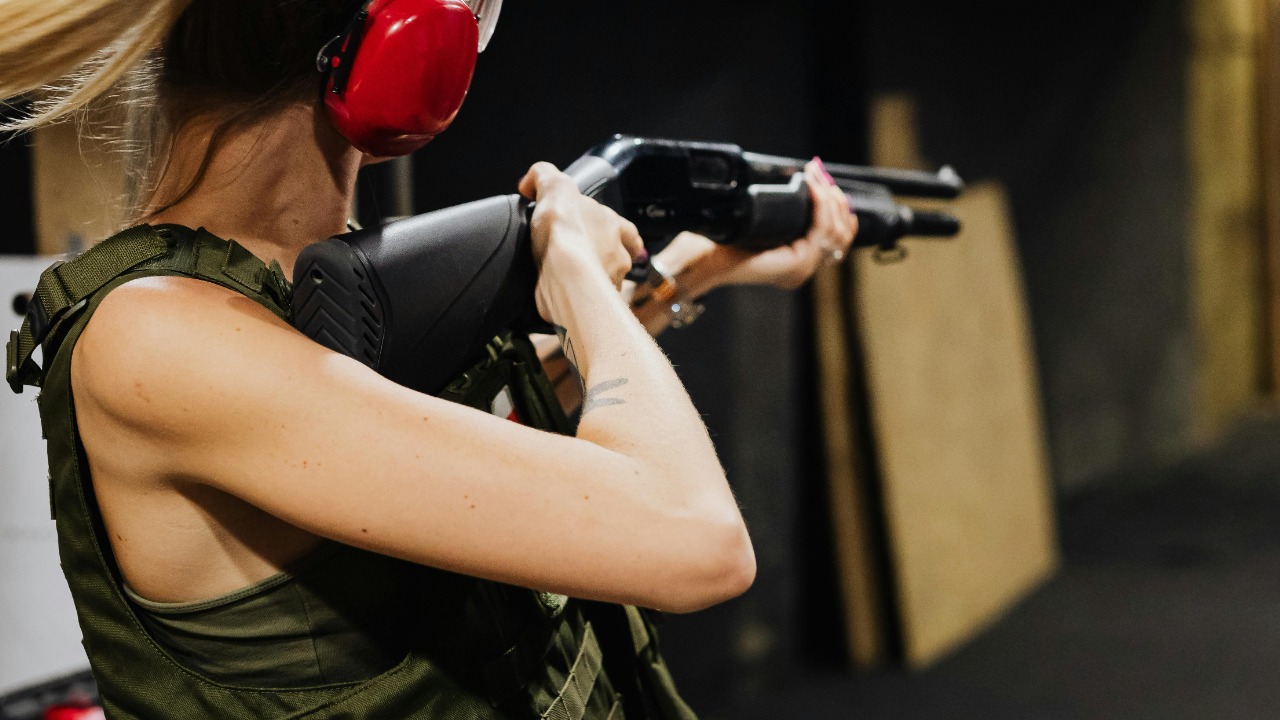
Shotguns occupy a unique place in the home-defense debate, often seen as both budget-friendly and brutally effective. On the value end, one owner describes taking advantage of a great price on a Mossberg Maverick 88 12-gauge with an 18.5” barrel, a configuration that offers a short, maneuverable pump gun with a long track record of reliability. That kind of setup, often recommended in guides to self-defense budget guns that specifically mention Mossberg’s Maverick 88, gives homeowners a powerful tool at a fraction of the cost of high-end semi-autos, as seen in both the Mossberg Maverick 88 18.5 forum discussion and the earlier reporting on budget guns for on-the-go & home defense.
On the premium side, semi-automatic shotguns like the Benelli M4 H20 Tactical 11794 12 Gauge, listed at $2000 in one test of defensive shotguns, represent the high-water mark of reliability and speed, with gas systems tuned for hard use and rugged finishes designed for harsh environments. That same evaluation notes the Benelli M4 H20 Tactical 11794 12 Gauge, $2000, as a top-tier option, underscoring how much more a homeowner can spend for faster follow-up shots and reduced recoil, as detailed in the review of the Benelli M4 Tactical Gauge. For many households, the question is whether that extra performance is worth several times the cost of a pump like the Maverick 88, especially when a budget shotgun can still deliver devastating close-range power if the user trains with it.
Rifles, PCCs and the AR-15 price curve
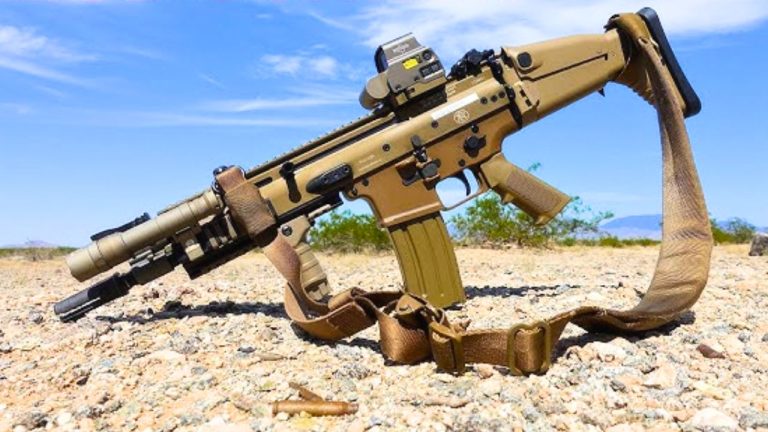
Rifles and pistol-caliber carbines have become increasingly popular for home defense, particularly in jurisdictions where they remain legal. One detailed discussion argues that An AR-15/PCC may be the best home defense gun for a majority of gun owners in free states, while acknowledging that political realities in some regions will keep many people away from an AR-15 for the foreseeable future. That thread, which weighs the pros and cons of carbines in restricted states, reflects a broader shift toward lightweight rifles and PCCs as controllable, high-capacity options, as seen in the analysis of An AR PCC home defense.
Cost becomes a major factor once you step into the AR-15 world. One guide to home-defense rifles lists AR15 CONS and notes that Con #1 is Price, pointing out that a quality AR-15 can be significantly more expensive than a basic shotgun or handgun and that buyers need to keep that in mind when budgeting for optics, lights, and magazines. At the same time, another debate over shotgun versus long gun versus PCC versus handgun notes that Yes, there is a compelling argument for an AR15, and that 223/556 has been shown to have some of the LEAST over penetration compared with other common defensive rounds, a point echoed in a separate thread recommending an Ar15 with a 14.5in barrel pinned and welded muzzle device loaded with 30rnd mags full of TAP Urban or similar 5.56, plus a reddot or similar reflex sight, for home defense. Those arguments, laid out in the discussions of AR15 CONS Price, the LEAST over penetration of 223 and 556, and the TAP Urban 5.56 setup, show how premium rifle builds can offer real ballistic advantages, but only if the owner is prepared to invest in both hardware and training.
Training, recoil and the “first gun on a budget” problem
For new gun owners, the most important variable is often not the gun itself but the ability to run it under stress. In one advice thread for a first home-defense gun, a commenter notes that “for a home defense gun it’s almost irrelevant as long as it’s reliable,” and argues that more important than the gun is getting training, since some platforms require more skill to shoot accurately. That perspective, shared in the discussion on first home defense gun on a budget, dovetails with the earlier $2,500 budget advice that prioritized ammo and practice over hardware upgrades.
Recoil management is another area where budget and premium choices intersect with human limits. In a discussion of home defense on a budget, a user named Severbrix explains that 12 gauge is bigger and has more recoil when the round is fired, while 20 gauge is smaller and easier to handle, a tradeoff that matters far more than brand names for smaller or recoil-sensitive shooters. That same thread, which unpacks the pros and cons of different gauges for home defense, shows how a cheaper 20-gauge pump might be a better real-world choice than a heavier 12-gauge premium semi-auto for some households, as seen in the home defense on a budget conversation. In practice, the “right” gun is the one the least experienced member of the household can control safely and accurately.
Beyond the gun: safes, customization and less-lethal options
Spending decisions do not end at the firearm itself, and in some cases the smarter upgrade is outside the gun. One guide to buying a hunting rifle stresses “Budget Considerations Entry-Level vs. Premium: Choose between affordable entry-level rifles and high-end options,” and reminds buyers to factor in optics, ammunition, and maintenance supplies when setting an overall budget. That same logic applies to defensive guns, where a modest pistol paired with a solid light, spare magazines, and a class can outperform a premium gun with none of those extras, a point underscored in the advice on Budget Considerations Entry Level Premium Choose. Safe storage is another non-negotiable: one roundup of Budget Gun Safe Recommendations names the Best Overall Barska Quick Access Biometric Safe and the Best Large Gun Safe Stack-On 22-Gun Sec as strong options under $500, while another guide stresses that Higher upfront costs can translate into better protection for firearms and valuables, as seen in the advice on Budget Gun Safe Recommendations and the reminder that Higher safe quality can be worth the money.
Customization and alternatives also complicate the budget versus premium equation. Some owners pour money into Aesthetic Customization Aesthetic upgrades that focus on a firearm’s visual appeal, adding custom finishes, grips, and accessories that do little for performance but a lot for personal satisfaction, as described in the overview of Aesthetic Customization Aesthetic. Others look to less-lethal tools while they are still figuring out what to buy and how to store it, with one guide urging retailers to Think first of customers who are new to the firearms world and noting that While they are still deciding, less-lethal options can fill a gap, as outlined in the discussion of Think While less-lethal alternatives. Even outside the gun world, professionals understand that When your reputation depends on delivering flawless finishes, investing in professional-grade equipment is essential, a principle that applies equally to defensive firearms and is captured in the advice on When professional-grade tools. In the end, the smartest home-defense plan treats the gun as one component in a broader system of training, storage, and realistic risk assessment, where both budget and premium choices can be justified if they are made deliberately.

Leo’s been tracking game and tuning gear since he could stand upright. He’s sharp, driven, and knows how to keep things running when conditions turn.