Hog hunting setups that work day or night
Wild hogs are now a year‑round problem in much of the country, and the most effective way to control them is to hunt whenever they are moving, whether that is under bright sun or in the darkest hours of the night. Building a setup that works in both conditions is less about chasing every new gadget and more about pairing the right rifle, optics, and lighting so you can see clearly, shoot accurately, and stay safe. I look at day and night as two sides of the same system, tuned with different tools but built on the same reliable foundation.
That means starting with a rifle and caliber that handle close brush and longer shots, then layering on thermal or night vision, feeder or bow lights, and practical accessories like tripods and power banks. When those pieces are chosen carefully and used within their limits, a single rig can transition from daylight spot‑and‑stalk to midnight ambush without a complete teardown between hunts.
Daylight advantages and why hogs push you after dark

In full sun, hog hunting is still about fundamentals: clear visibility, stable shooting positions, and a rifle you can run quickly and safely. Shot accuracy improves during the day because you can use standard glass, read terrain, and judge distance with far more confidence, which is why Shot accuracy and follow‑up shots tend to be cleaner when the sun is up. Hunters can also glass from a distance and plan stalks with less risk of stumbling into unseen cattle, fences, or other hunters, a margin of safety that is harder to maintain at night.
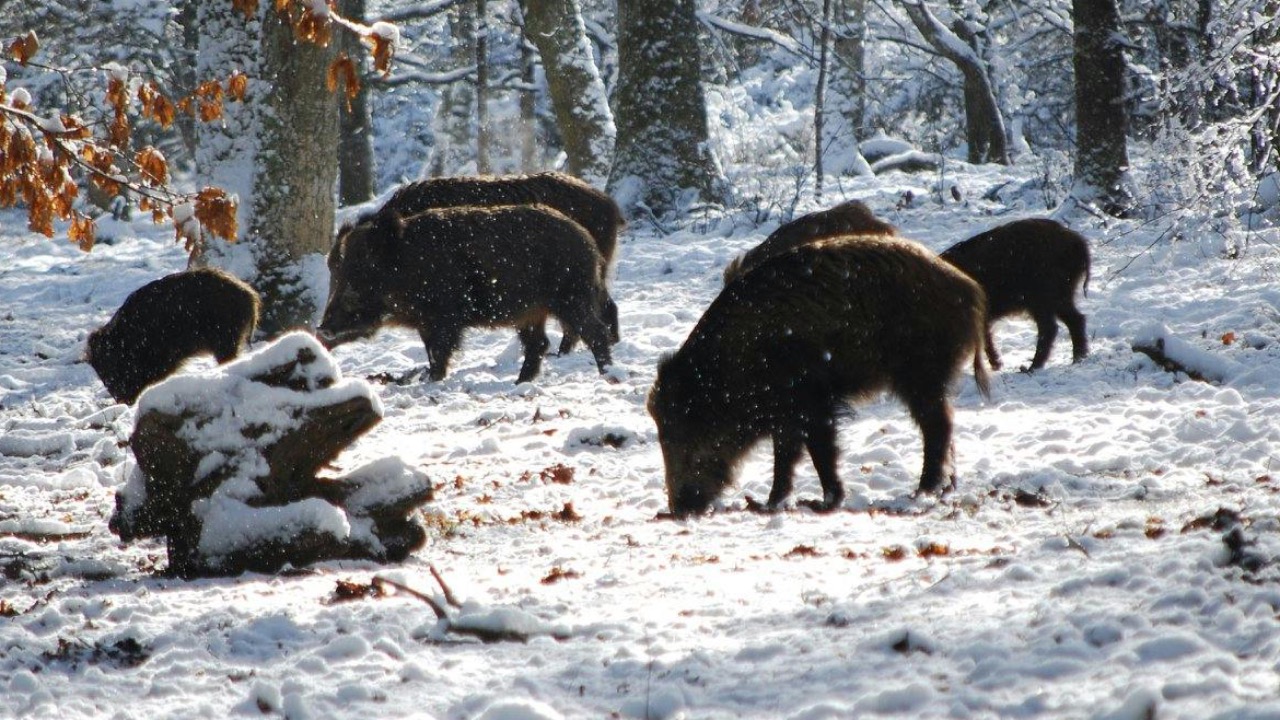
The catch is that wild hogs are primarily crepuscular and nocturnal, so the most consistent movement happens at dawn, dusk, and after dark, when Hunters who only operate in daylight simply miss a large share of activity. That is why many landowners and outfitters now treat night operations as the default and daylight as a bonus window. The best setups, in my view, accept that reality and are built from the start to run cleanly in both conditions rather than forcing a daytime rig into a night role it was never designed to fill.
Rifles and calibers that bridge day and night
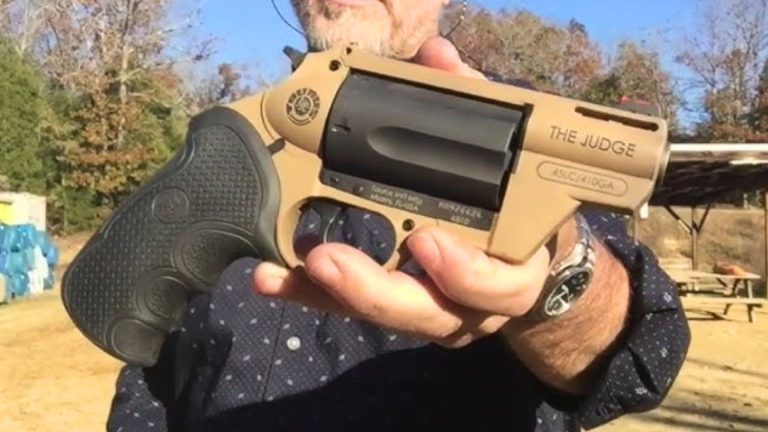
The rifle is the backbone of any hog setup, and it has to be accurate enough for daylight shots while still controllable for fast strings at night. Single shots, lever guns, bolt action rifles, and semi‑autos all work on pigs, but AR rifles are preferred by hunters who expect multiple targets and quick follow‑ups, a pattern highlighted where Single shots and semi‑autos are compared directly. The AR platform is described as the most popular modern semi‑automatic design, available in a wide range of chamberings that can be tailored to hogs, from lighter .223/5.56 for smaller pigs to heavier .308‑class rounds for big boars.
I lean toward mid‑range calibers that balance recoil and terminal performance, and that philosophy lines up with guidance that the AR platform, in the right chambering, is appropriate for medium game when paired with proper bullet construction and placement. The same analysis notes that The AR platform’s modularity makes it easy to add rails, lights, and optics, which is crucial when you want to run a white light or green light at dusk, then clip on a thermal or night‑vision optic after dark without changing the rifle itself.
Thermal optics: the night‑first solution that still works in daylight
Thermal imaging has become the gold standard for serious hog control because it does not depend on ambient light and can reveal animals hidden in brush or tall grass. Modern scopes like the Pulsar Thermion line are built specifically for this role, and the Pulsar Thermion 2 LRF series combines a traditional riflescope form factor with a laser rangefinder so you can both detect heat signatures and confirm distance before breaking the shot. Guidance on the best thermal scope for hog hunting notes that most dedicated night hunters now favor thermal optics such as the Pulsar Thermion because they give the hunter a major edge in detection and target identification.
Thermal does not care whether it is noon or midnight, so a hunter who wants a single optic for both conditions can simply dial brightness and contrast for daytime use, then shift to higher sensitivity at night. Expert breakdowns of thermal strategies in the South explain that scopes with thermal technology let hunters target hogs in complete darkness and support spot‑and‑stalk tactics in open country, where Scopes can pick up pigs hundreds of yards away. I see that as the purest “night‑first” solution that still functions in daylight, especially when paired with a backup red‑dot or offset irons in case electronics fail.
Digital night vision and hybrid optics for budget‑minded setups
Not every hunter can justify a high‑end thermal, which is where digital night vision and hybrid day‑night optics come in. Devices like the One Leaf Commander NV400 Eagle 2‑26×50 in 4K are marketed as alternatives to thermal for under the price of a premium scope, and a detailed video review of the One Leaf Commander Eagle unit underscores how far these systems have come in resolution and low‑light performance. The companion product page for the Commander NV400 4‑52×50 4K digital day‑night vision riflescope confirms that it is designed to function in both daylight and darkness, using an infrared illuminator at night while still delivering a usable color image during the day.
For hunters who want a single optic that can stay on the rifle around the clock, that kind of digital scope is compelling. The Commander NV400 layout also makes it easier to record hunts and share footage, which matters to outfitters who market their services with video. I have seen landowners pair these digital scopes with traditional daytime glass on a second rifle, using the digital unit for night feeder sits and the conventional scope for longer daytime shots, a two‑gun system that still costs less than a single top‑tier thermal.
Lights that make hogs visible without blowing the setup
Even with good optics, lighting is the hinge between a workable night rig and a dangerous guessing game. One of the most practical tools for baited setups is a dedicated feeder light, and products like the Swine Shine feeder light are built specifically to illuminate hogs without spooking them. The Swine Shine unit mounts directly to a feeder, uses motion activation, and casts a consistent pool of light so shooters can identify animals and pick out specific pigs, a huge advantage when you are trying to cull problem boars without disturbing sows with piglets.
For mobile work, I rely on weapon‑mounted white lights and handhelds that can punch through brush. A model like the ProTac Rail Mount HL‑X is built to attach directly to a rifle and deliver a bright, focused beam, and the ProTac Rail specifications highlight high lumen output and multiple modes that let you tailor the beam to the situation. At the same time, I pay attention to how photographers think about lighting systems, because the same logic applies: by all means, select the lighting system that works best for you, that is compatible with your equipment, and within your budget, as one breakdown of sports portrait lighting notes when advising shooters to choose kits that let them stand out from their competition, guidance that appears in a discussion of lighting system choices.
Green light, bow rigs, and close‑range night work
When I am inside bow range or working tight cover, green light becomes a powerful tool. An overview of green light for hunting hogs points out that one of the significant advantages of green light is that it offers better visibility for the hunter while being less likely to spook pigs, a key reason the Overview of Green Light for Hunting Hogs trend has gained traction. Another gear guide notes that green light, such as the Wicked Lights A67iC Predator Light or the Orion H30, offers clearer target identification without spooking the hogs, and specifically cites Green Wicked Lights Predator Light and Orion models as examples.
Bowhunters have adapted these same principles by mounting red or green lights directly to their rigs. A detailed breakdown of Gear for Bowhunting Hogs at Night explains how Bow‑Mounted Lights, especially Red or green units fastened to a stabilizer mount, give archers a quick way to illuminate pigs at close range without adding much weight, a setup described under Gear for Bowhunting Hogs and Night tactics. Another field report on Why Bowhunting for Hogs at Night Is Some of the Most Fun You Can Have Come Summer describes hunters in Florida using bow‑mounted lights attached to a compound bow’s stabilizer port while working feedlots and active cattle pastures, a reminder that Why Bowhunting for Hogs at Night Is Some of the Most Fun You Can Have Come Summer precisely because the gear lets you get close without blowing the herd.
Tripods, suppressors, and the small parts that matter
Once the rifle, optic, and lights are chosen, the rest of the setup is about stability and control. I have found that a solid tripod or shooting sticks can be the difference between a clean shot and a wounded hog, especially at night when depth perception is compromised. A video overview titled My Hog Hunting Gear walks through the tools one team uses to keep their hog problem in check, including hunting rifles, tripods, and night vision, and the segment on Hunting rifles and tripods underscores how important a stable platform becomes when you are shooting from a blind or truck bed in the dark.
Noise control is another overlooked piece of the puzzle. A detailed guide to hog hunting at night notes that having a suppressor is extremely helpful, not only for protecting hearing but also for reducing disturbance so follow‑up shots are possible before the sound of the first round clears the field, a point made in a discussion that begins with the phrase Having a suppressor. I also treat weapon lights as mandatory, even with illuminated optics, because as one home‑defense riflescope guide puts it, when asked if a shooter still needs a weapon light, the answer is Absolutely, since an illuminated reticle helps you aim but does not help you identify a target, a principle that carries directly into hog hunting and is spelled out under the word Absolutely.
Thermal tactics, night‑ops strategy, and adapting to new tech
Gear only matters if it is used with a plan, and night hog hunting rewards those who think like predators. A detailed night‑ops strategy guide explains that hunting pigs at night is beneficial because darkness inhibits their eyesight and they are largely nocturnal, but it also stresses that the approach depends on wind direction, noise discipline, and coordinated movement, a framework laid out under the heading THE APPROACH to Hunting pigs after dark. Another expert breakdown on how to hunt hogs at night notes that quick answer guidance is that hunting feral hogs is most effective at night because that is when they are most active and tend to feed in open areas, advice that appears in a section labeled Quick Hunting tips from thermal specialists.
Thermal‑specific tactics in the South emphasize spot‑and‑stalk in open fields and right‑of‑ways, where blind setups are impractical and a hunter can use a thermal scope to scan, move, and re‑acquire hogs quickly, a method detailed in a guide that urges hunters to Take advantage of thermal imaging. At the same time, I pay attention to broader advice on adapting to new technologies in hunting, including reminders that as technology advances, more gear is built with innovative features and that hunters should carry power banks or similar devices for charging equipment in the field, a point made in a discussion of how As technology advances in waterfowl hunting. The same logic applies to hogs: batteries, cables, and backup lights are now as essential as spare ammo.
Retail trends, gear ecosystems, and building a flexible rig
Retailers have noticed that hog hunters are building full ecosystems rather than buying one‑off gadgets. A gear roundup aimed at shop owners highlights categories like thermal scopes, night‑vision optics, feeder lights, and weapon lights as core products that appeal to hog hunters, and it specifically mentions Dec, Check, and Hog in the context of how stores can merchandise these items together, a perspective captured in a piece on Great Gear for Nighttime Hog Hunting – Shooting Sports Retailer. Another trade‑oriented overview titled Great Gear for Nighttime Hog Hunting Hog notes that hog populations have reached epidemic proportions in some states, prompting regulators to loosen restrictions and hunters to invest in gear that works in total darkness and does not rely on ambient light, a trend described under the phrase Great Gear for Nighttime Hog Hunting Hog.
For individual hunters, the lesson is that a flexible rig is built, not bought in a single box. I start with a reliable AR‑pattern rifle, add a thermal or digital day‑night optic, then layer in feeder lights, green or white weapon lights, a tripod, and a suppressor where legal. Along the way, I keep an eye on product listings and comparison tools, whether that is a search result for a specific product scope, a catalog entry for another product optic, or a listing for a feeder‑light product that might integrate better with my existing gear. I also pay attention to accessory listings for batteries and mounts, such as a product rail mount, because the small parts are what let a day‑night hog setup function as a single, coherent system instead of a pile of mismatched parts.
Supporting sources: Best Thermal Scope For Hog Hunting in 2025 [Field Tested] – Pulsar Vision.

Leo’s been tracking game and tuning gear since he could stand upright. He’s sharp, driven, and knows how to keep things running when conditions turn.