Common mistakes people make storing ammunition
Improper ammunition storage rarely fails in a dramatic Hollywood-style explosion. The real risk is quieter: cartridges that corrode, primers that fail, and defensive rounds that do not fire when a life depends on them. Avoiding those failures starts with understanding the most common mistakes people make once the factory box comes home.
From tossing loose rounds into a truck console to stacking cases in a damp basement, I see the same errors repeated across new and experienced gun owners alike. The good news is that most of these problems are preventable with a few disciplined habits, grounded in what manufacturers and safety experts already recommend.
Confusing “out of sight” with “safe and secure”
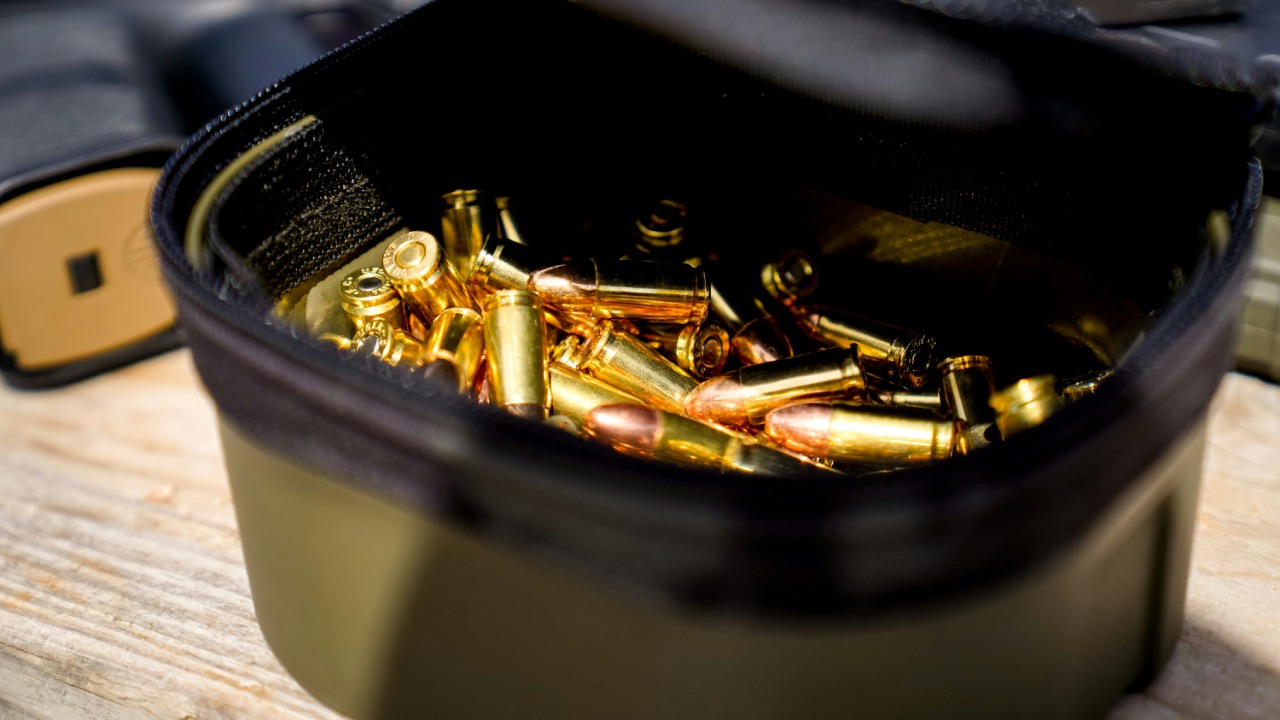
One of the biggest storage errors is assuming that if ammunition is not visible, it is safely stored. Shoving boxes into a closet corner or under a bed might keep them away from casual view, but it does little to control temperature, humidity, or unauthorized access. A better approach is to deliberately Find a Safe, Secure Location that balances physical security with environmental stability, rather than relying on whatever shelf happens to be empty.
Security also means thinking about who can reach your cartridges and how quickly. Ammunition is different from a firearm, but it still needs to be inaccessible to children, visitors, and anyone who should not be handling guns. I look for lockable cabinets or dedicated containers that can be anchored, instead of cardboard boxes or plastic grocery bins that can be carried off in seconds. Treating storage as a conscious safety decision, not an afterthought, is the first step away from the “out of sight, out of mind” trap.
Ignoring temperature and humidity limits
Another widespread mistake is underestimating how much heat, cold, and moisture can shorten ammunition life. Propellant and primers are chemical systems, and extreme heat and cold interact with gunpowder and can alter its chemical composition, which is why experts stress that Proper storage conditions directly affect whether ammo goes bad. Most guidance converges on a moderate indoor environment, with Most experts recommending a temperature around 70 degrees Fahrenheit or cooler to Help prevent ammunition deterioration and damage.
Humidity is just as critical, and it is where many home setups quietly fail. Humidity in the air, and especially condensation, can work its way into boxes and cases, eventually corroding brass and making the gunpowder unreliable or inert. From the standpoint of long term reliability, I treat a damp basement or unconditioned garage as hostile territory and instead favor climate controlled rooms, sealed containers, and desiccant packs to keep moisture in check, aligning with the Reasons you should store your ammunition safely outlined in dedicated guidance.
Stashing ammo in cars, basements, and other “worst places”
Convenience often tempts people to leave ammunition where they last used it, which is how trunks, glove boxes, and damp storage rooms become de facto ammo lockers. The problem is that these are some of the worst environments for cartridges. Lists of bad locations highlight the trunk of YOUR car, the POLICE evidence locker, or even an ex’s HOUSE as examples of places where you lose control over both climate and access, underscoring how quickly a casual hiding spot can become a liability once you Let your guard down.
Vehicles are especially punishing. Interior temperatures can soar well beyond safe limits in summer and plunge in winter, cycling cartridges through repeated expansion and contraction. According to SAAMI (Sporting Arms and Ammunition Manufacturers’ Institute) standards, extreme high temperatures over 150 degrees Fahrenheit should be avoided, which makes long term storage in a closed car or metal shed a clear mistake. I treat vehicles, attics, and uninsulated outbuildings as short term transport spaces only, never as primary storage for ammunition I expect to trust.
Letting moisture and corrosion quietly take over
Even when ammunition is kept indoors, many owners underestimate how slowly corrosion can creep in. Brass cases exposed to an oxidation agent, usually the oxygen in water, will eventually discolor and weaken, and that process accelerates when cartridges sit in cardboard on a concrete floor or near a leaky wall. I make a habit of inspecting stored rounds at least once a year, a practice echoed in advice that encourages gun owners to check their ammo periodically so problems are caught before a critical use, as outlined in detailed Jul guidance on how to store ammo without ruining it.
Moisture does not need to be dramatic to cause trouble. A slightly damp basement, a garage that sweats in spring, or a safe without any humidity control can all allow water vapor to permeate cases, resulting in misfires. Tips for New Gun Owners often stress that these have the same general vulnerabilities whether the cartridges are for a .22 rifle or a defensive handgun, and that simple steps like sealed plastic cans, desiccant packs, and keeping boxes off bare concrete can dramatically reduce risk, a point reinforced in practical advice on Storing Ammunition.
Storing everything in one place with no redundancy
Another mistake that surfaces frequently among high volume shooters and preparedness minded owners is keeping all ammunition in a single location. It feels organized, but it concentrates risk. A plumbing leak, small fire, or theft can wipe out an entire stockpile if every case is stacked in one closet. Community discussions of ammo stockpiling warn that Keeping all your ammo in one place can be disastrous, especially if that one place is not where you need it to be when something goes wrong, a concern that surfaces in candid Mar conversations about common mistakes.
I prefer a modest level of redundancy, splitting ammunition between at least two secure, climate controlled locations within the same property. That might mean a primary cabinet in a bedroom and a secondary container in a different part of the house, each with a mix of calibers rather than all of one type in a single spot. The goal is not to scatter cartridges randomly, but to avoid a single point of failure while still keeping storage organized, labeled, and easy to inventory.
Using the wrong containers and locations inside the home
Even when people avoid cars and basements, they often undermine good intentions by choosing poor containers or spots inside the house. Thin plastic totes that are not airtight, original cardboard boxes left open, or decorative wooden chests can all allow ambient moisture and dust to reach the cartridges. Best practice is to Store Ammo Somewhere Dry and to keep it in containers that limit air exchange, which is why purpose built cans and sealed boxes are recommended in practical guides on How to Store Ammo and What is Important for long term reliability, including advice that stresses keeping your ammo away from heat to prolong its lifespan in detailed Mar storage tips.
Location inside the home matters as much as the container. I avoid placing ammo near heaters, water heaters, laundry rooms, or exterior doors where temperature and humidity swing more dramatically. A closet on an interior wall, a conditioned office, or a bedroom corner away from vents tends to be more stable. When I do use a gun safe for ammunition, I pay attention to ventilation and humidity control so the interior does not become a stagnant, slightly damp box that slowly degrades what I am trying to protect.
Failing to separate, label, and rotate ammunition
The final mistake that quietly erodes reliability is treating ammunition as a single, undifferentiated pile. Mixing defensive hollow points with bulk practice rounds, stacking different lots of the same caliber together, or leaving loose cartridges in coffee cans makes it difficult to track age and performance. I keep factory boxes intact whenever possible, label containers with caliber and purchase timeframe, and separate carry or duty loads from range fodder so I know exactly what I am loading into a firearm at a glance, a discipline that aligns with structured Step by step storage advice that starts with a clear plan.
Rotation is the other half of that equation. I shoot older stock first, especially for training ammunition, and periodically replace the cartridges that live in magazines or defensive firearms so they are not subjected to years of chambering and environmental exposure. I also avoid leaving ammo in places that are only “mostly” climate controlled, such as near garage entry doors or in sheds, because even if the container is decent, the surrounding environment can still undermine it. Over time, a thoughtful system of separation, labeling, and rotation does more to preserve function than any single gadget or container, and it turns ammunition storage from a one time chore into a routine part of responsible gun ownership.

Leo’s been tracking game and tuning gear since he could stand upright. He’s sharp, driven, and knows how to keep things running when conditions turn.