The overlooked reason some rifles never shoot as well as they should
Rifles that never quite group the way they should are usually blamed on the barrel, the scope, or the ammunition. Yet the most persistent accuracy problems often trace back to something more mundane and more easily overlooked: the way the rifle is set up, maintained, and handled from shot to shot. When those fundamentals are off, even a premium barrel and match ammo will struggle to deliver.
I see the same pattern repeat itself at ranges and hunting camps. Shooters chase new optics, different loads, or even a new rifle, while the real culprit is a dirty bore, loose hardware, or inconsistent technique that quietly sabotages every group. The overlooked reason some rifles never shoot to their potential is not a single defect, but a cluster of small, preventable mistakes that stack up until the rifle’s reputation suffers more than its steel.
The hidden enemy inside the barrel

The most common accuracy killer is not exotic machining flaws or rare metallurgy problems, it is fouling that builds up inside the bore until the rifling can no longer do its job consistently. Copper and carbon residue gradually change how bullets engage the lands, which shifts point of impact and opens groups even when everything else looks perfect from the outside. Many owners assume a quick pass with a bore snake is enough, then wonder why a rifle that once shot tight clusters now throws flyers.
Experienced armorers repeatedly point to a thorough bore cleaning as the first step when a rifle suddenly goes “rogue,” and they treat it as the single biggest issue behind rifles that have lost accuracy. Detailed guidance on how to clean the bore stresses that damage or wear to the rifling is often blamed when the real problem is layers of fouling that were never fully removed. I have watched rifles that were nearly written off as “shot out” spring back to life after a patient session with a proper solvent, a one-piece rod, and tight-fitting patches that finally scrubbed the throat and grooves clean.
Why “Clean the Bore This” is more than a slogan
There is a reason seasoned shooters repeat “Clean the Bore This” almost like a mantra. A neglected barrel does not just lose a little precision, it can change character from one range trip to the next, which makes meaningful zeroing almost impossible. When fouling accumulates unevenly, the first few shots may land in one cluster, then subsequent rounds walk across the target as heat and pressure shift residue inside the bore. That pattern convinces many owners that their rifle is inherently inconsistent when the real issue is that it has never been truly scrubbed.
Most people who bring in rifles that “never shot well” are surprised to learn how much residue comes out once a proper cleaning routine is applied. Detailed accounts of accuracy troubleshooting emphasize that Clean the Bore This is not a casual suggestion but a recognition that many rifles have simply never gotten fully clean. I have seen bores that looked shiny at a glance but revealed heavy streaks of copper under a bore light, and once those were removed, groups tightened without any change in optics or ammunition.
Ammo, compatibility, and the myth of the “bad barrel”
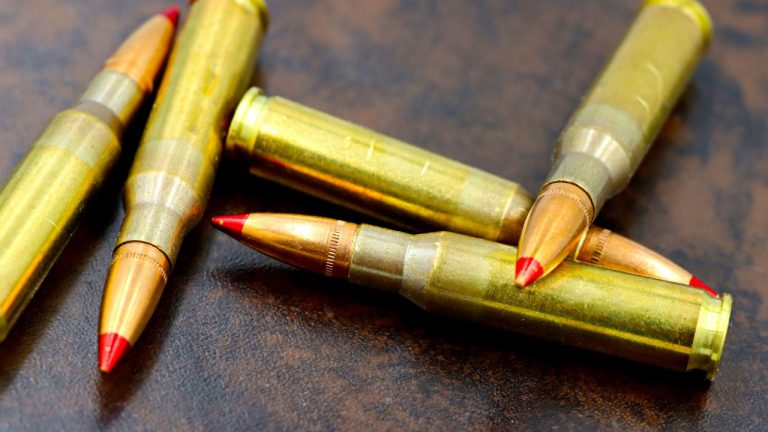
Even with a spotless bore, a rifle can only shoot as well as the ammunition it is fed, and compatibility matters more than many owners admit. Different bullet weights, shapes, and velocities interact with a given barrel’s twist rate and chamber dimensions in ways that can dramatically change group size. When a rifle “doesn’t like” a particular load, the result is often written off as a manufacturing flaw in the gun rather than a mismatch between cartridge and platform.
Instructional breakdowns of rifle performance highlight that Ammo compatibility and consistency are central to accuracy, and that not all guns like all loads even when they are within the same caliber. Steve, who has spent years diagnosing accuracy complaints, reminds shooters that chasing bargain ammunition or constantly switching brands can mask a rifle’s true potential. I have watched a .308 bolt gun shrink from 2.5 inch groups to sub-MOA simply by moving from a light, flat-base hunting bullet to a heavier boat-tail that better matched the barrel’s twist, proving the barrel was never the problem.
LOOSE ACTION screws and the quiet chaos of bad setup
Mechanical setup is another overlooked reason rifles fail to perform, particularly when LOOSE hardware allows the action or optics to shift under recoil. Action screws that are not torqued correctly can let the receiver move slightly in the stock, which changes how the barrel vibrates from shot to shot. The shooter sees a wandering zero and assumes the scope is defective or the barrel is warped, when the real culprit is a simple lack of tension where the metal meets the stock.
Detailed rundowns of common setup mistakes point to LOOSE ACTION screws, misaligned rings, and improper stock contact as frequent causes of rifles that have never shot well. Aside from rare situations where a barrel is truly defective, these small mechanical issues can negatively impact zero and precision far more than most owners expect. I have seen rifles transform from erratic to predictable after nothing more than re-torquing action screws to spec and ensuring the barrel was not being pinched by a high spot in the forend.
Wear, damage, and the “rifle accuracy thieves” you cannot see
Over time, even a well maintained rifle can suffer from subtle wear or damage that quietly steals accuracy. Crown nicks from careless cleaning, throat erosion from high round counts, or minor stock warping from moisture can all change how the bullet exits the barrel. These problems are not always obvious at a glance, which is why many shooters keep chasing new optics or loads instead of inspecting the rifle’s critical surfaces.
Gunsmiths who specialize in diagnosing stubborn rifles describe these issues as rifle accuracy thieves, and they often surface in stories like the one involving a very nice gentleman from the Kittery area who sought help for a misbehaving rifle. In that case, the result was the same as many others: a combination of small, cumulative flaws that only became obvious under close inspection. I have seen similar patterns where a lightly damaged crown or uneven bedding surface, once corrected, restored a rifle’s ability to stack shots where the shooter aimed.
Loose screws, bad bedding, and the stock’s quiet influence
Beyond the action screws themselves, the way a rifle is bedded into its stock can either support accuracy or undermine it. If the receiver is not properly supported, recoil can cause micro shifts that change the barrel’s harmonics and move the point of impact. In some cases, a stock that swells or shrinks with humidity can press against the barrel, turning what should be a free floated system into an inconsistent pressure point that changes with the weather.
Step by step guides to reviving underperforming rifles stress that Loosened Screws and poor bedding are among the first things to check when accuracy goes south. They advise owners to be sure that the rifling is not being affected by unintended contact and that no part of the stock or channel rests against the barrel in a way that changes under recoil. I have watched rifles with flimsy synthetic stocks benefit dramatically from a simple bedding job or the addition of pillars, which locked the action in place and let the barrel vibrate the same way every time.
Human error: stance, grip, and the shooter’s role
Even when the rifle and ammunition are perfectly sorted, the shooter’s technique can still be the overlooked reason groups refuse to tighten. An inconsistent grip, poor trigger control, or unstable stance can introduce more variability than any minor mechanical flaw. Many owners blame the rifle when the real issue is that their body position changes from shot to shot, especially under recoil or in field positions that feel awkward.
Coaching focused on fundamentals highlights that Reasons You are Shooting Inaccurately often start with Improper Grip and a Poor Stance, and that a strong, consistent grip and stable shooting base are the foundation for improving accuracy. I have watched shooters transform their results simply by adjusting their shoulder pressure, aligning their body behind the rifle, and practicing a smooth trigger press that does not disturb the sight picture, all without changing a single component on the gun.
How small habits slowly ruin a rifle’s reputation
Accuracy problems rarely appear overnight. More often, they creep in as small habits and shortcuts accumulate, from rushed cleaning to casual storage and transport. A rifle that is tossed into a truck bed without protection, leaned against hard surfaces, or stored in damp conditions can gradually pick up dings, stock shifts, or rust that erode its performance. The owner may only notice once groups have degraded enough to spoil a hunt or a match, at which point frustration often leads to blaming the rifle itself.
Practical breakdowns of common mistakes show how shooters, over time, can sabotage their own equipment without realizing it. One detailed video analysis titled 7 Ways You Are Ruining Your Rifle’s Accuracy describes how groups would degrade and prompt the reaction “what the heck,” before the host realized, or now believes, that his own habits were to blame. I have seen similar arcs play out when owners skip torque checks, neglect to re-zero after changing loads, or ignore the impact of temperature swings on both optics and ammunition.
Diagnosing the real problem before buying a new rifle
When a rifle refuses to shoot as well as expected, the temptation is to replace it rather than diagnose it. Yet the pattern across real world case studies is clear: most accuracy issues trace back to maintenance, setup, or technique, not to some unfixable flaw in the steel. A methodical approach that starts with cleaning, checks hardware and bedding, verifies ammunition compatibility, and finally scrutinizes shooter fundamentals will usually reveal the true cause.
Structured troubleshooting guides recommend a stepwise process that begins with a thorough bore cleaning, then moves through action screws, scope mounts, and stock contact before considering more drastic measures. They echo the experience of gunsmiths who field calls from places like Kittery and find that the result is often the same: once the obvious “rifle accuracy thieves” are addressed, the gun performs far better than its frustrated owner expected. I have learned to treat a misbehaving rifle not as a lost cause but as a puzzle, and in most cases, the overlooked reason it never shot as well as it should was hiding in plain sight, waiting for someone to tighten, clean, or correct it.

Leo’s been tracking game and tuning gear since he could stand upright. He’s sharp, driven, and knows how to keep things running when conditions turn.