The ammo shortage lesson many shooters ignored last time
Every ammunition crunch follows the same script: panic buying, bare shelves, and a chorus of promises that “next time” shooters will be ready. Yet as supply tightens again and prices creep up, many of the hard lessons from the last shortage are already fading from memory. The real takeaway was never just “buy more,” it was to rethink how, what, and why we shoot so a market shock does not instantly shut down our training or our freedom to say yes when it matters.
I see the current strain on cartridges and components as a stress test of whether shooters actually changed their habits after 2020 or simply waited for prices to dip. The difference between those two groups is stark: one built resilient systems around caliber choice, reloading, and realistic budgets, while the other is once again chasing whatever box is left on the shelf.
The cycle keeps repeating, but the pattern is clear
Every shortage feels unprecedented in the moment, but the pattern has been visible for years. When the last big crunch hit, one veteran voice described how people rushed to “Lay in a big supply before the hoarders get it all,” a line that captured the mix of fear and irony that drives these runs on gun stores. That same warning pointed out that political anxiety is only part of the story, and that demand spikes collide with “certain other market factors” like production bottlenecks and distribution quirks that magnify the shock once panic buying starts, which is exactly what we are watching again as shelves thin out.
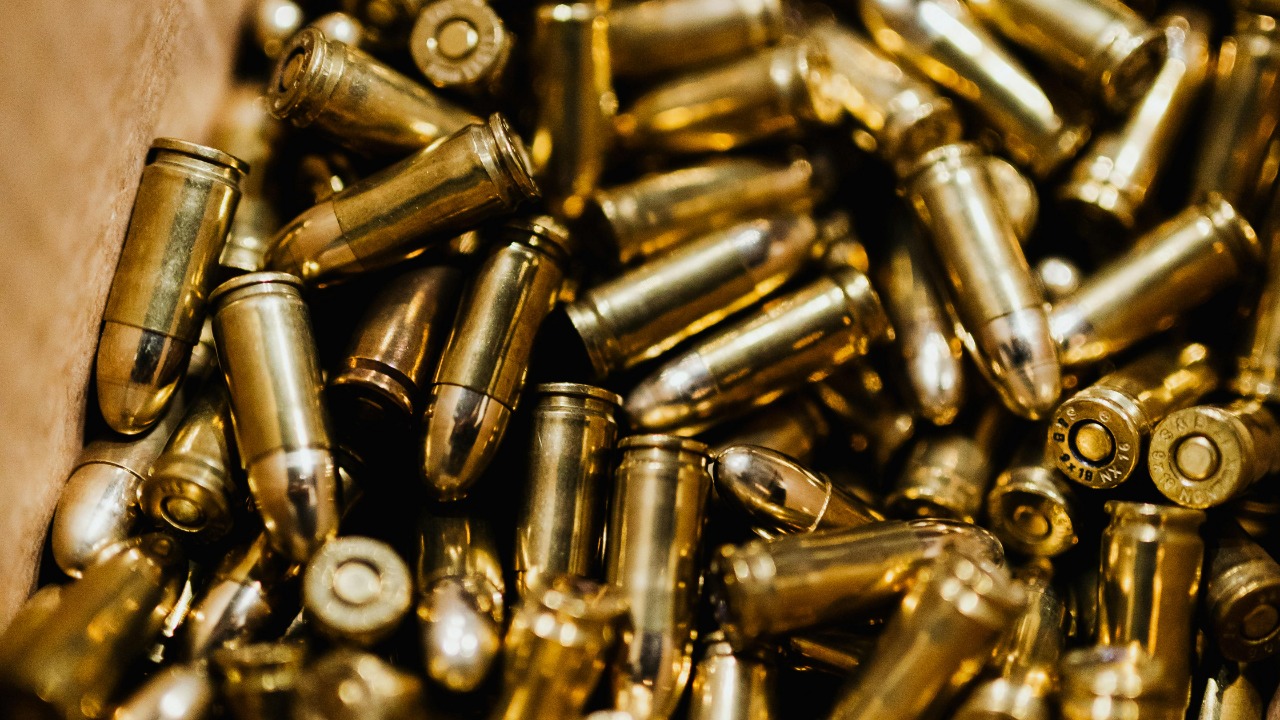
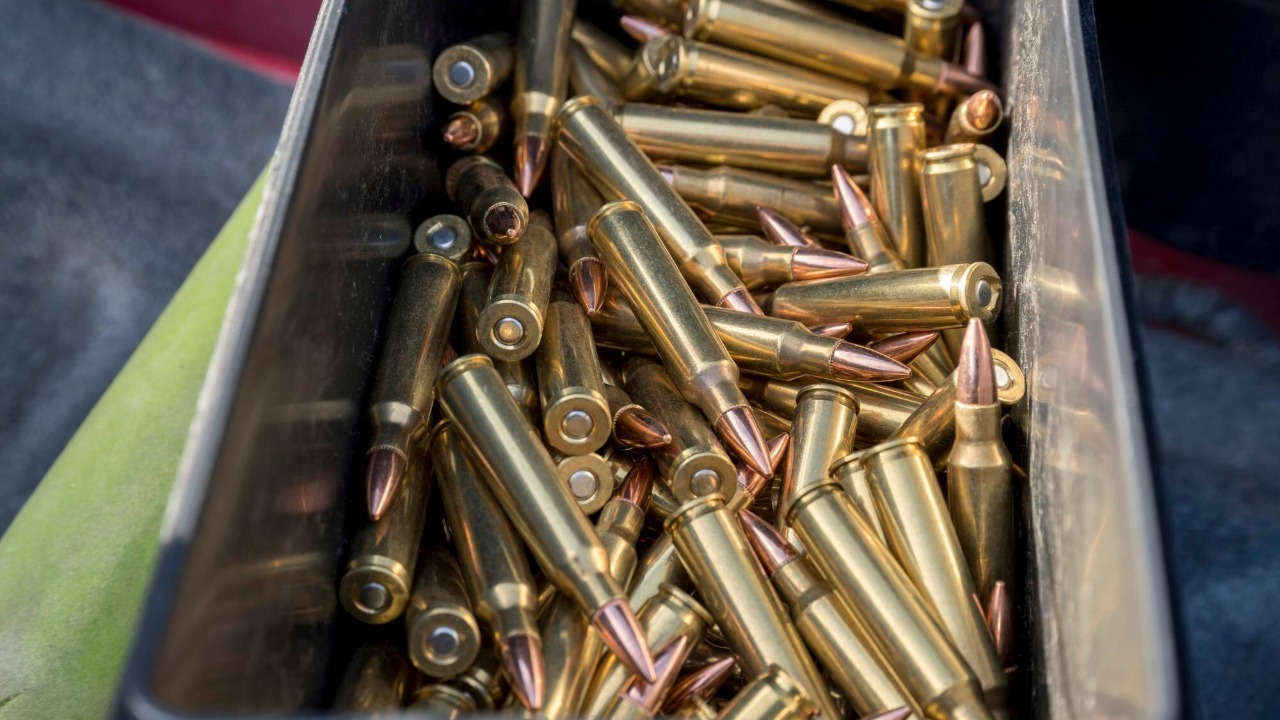
Earlier online discussions show how quickly that panic cascades through specific calibers. One widely shared explanation for a previous crunch noted that “When the” shortage started, buyers vacuumed up centerfire staples like .223, 7.62×39, 9 mm, 223, 40, 45 and anything that would run in a popular semi auto. That rush left new shooters staring at empty racks and wondering what had just happened. The lesson that many ignored was not simply that common calibers disappear first, but that herd behavior is predictable, and anyone who plans ahead can avoid being trapped inside it.
“Just buy more” was never a real strategy
In the aftermath of the last shortage, a lot of advice boiled down to “stack it deep,” but that slogan skipped the hard questions about priorities and tradeoffs. A more serious approach starts with asking, “What calibers do you shoot?” and “Do you reload?” and then drilling into “How much money can you realistically allocate” without wrecking the rest of your life. One detailed analysis framed those exact questions as the starting point for deciding whether to focus on bulk 9 mm, a smaller cache of match .308, or a mix that fits your training and defensive needs, and it treated reloading as a tool, not a magic escape hatch, for shooters who can commit the time and capital to components like powder and primers.
That same perspective stressed that the right answer is different for a USPSA competitor than for a deer hunter or someone who carries a compact pistol daily. Instead of chasing every sale, the smarter move is to build a written plan around your primary calibers, your realistic consumption, and your storage space, then execute it slowly and consistently. When I look at shooters who are calm today, they are usually the ones who followed that kind of structured approach, not the ones who simply grabbed whatever case lot looked cheap at the time from What, How they could afford.
Training habits, not shelves, are the real crisis
The most damaging part of the last crunch was not the empty displays, it was how quickly shooters stopped practicing. In a widely shared video reflection on the 2020 run, one instructor recalled how “back in 2020” people watched ammo vanish overnight and prices climb so high that they hesitated to even pull the trigger in practice. That hesitation turned into a culture of rationing, where shooters hoarded boxes for a rainy day instead of building skill, and the result was a quiet erosion of competence that outlasted the shortage itself, a trend that is resurfacing in 2025 as some voices warn that the “real ammo crisis” is about training, not inventory.
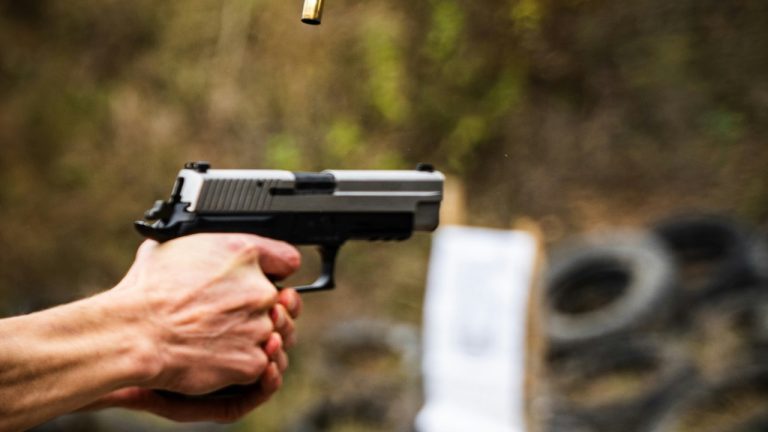
There are better options than simply parking guns in the safe until prices fall. A detailed conversation labeled “Training During” an “Ammo Shortage” in the “GUNS” “Magazine Podcast” series, specifically episode 74, walked through how shooters can shift to dry fire, scaled back live fire, and focused drills that squeeze more value out of each round. The hosts, under the “Presented” banner, emphasized that structured practice with fewer shots can actually sharpen fundamentals, especially when paired with tools like shot timers and scaled targets. The shooters who internalized that lesson are not panicking now, because their skill is no longer chained to the cheapest case price on the internet.
Reloading and components are not immune
Many shooters assumed that reloading would be a permanent escape route from factory shortages, only to discover that components can be just as fragile. As of the current cycle, detailed reporting on powder availability notes that “As of” 2025 the gunpowder shortage has improved slightly compared to the height of the pandemic, but supplies are still inconsistent and often rationed. That same analysis explains how manufacturers have tried to spread limited stock across more retailers so more customers can buy at least some powder, which is good news for equity but a reminder that reloaders are drawing from the same constrained industrial base as factory ammo buyers.
The knock-on effects are obvious in reloading rooms across the country. When powder is scarce or primers are allocated, reloaders cannot simply scale up production at will, and their cost per round can spike just as sharply as factory ammunition. A thoughtful breakdown of these “Gunpowder Shortages and Their Lasting Impact on Reloaders” argues that the real adjustment is mental: treat reloading as a way to smooth out long term volatility, not as a guarantee of endless cheap shooting. The reloaders who took that to heart diversified their powders, learned to work with multiple recipes, and accepted that even their bench time depends on the same fragile supply chain described in that As of report.
Global demand is colliding with civilian expectations
Another lesson that many shooters missed last time is that they are competing with far larger consumers than the local range crowd. A detailed assessment of “America’s scale problem” in modern conflict notes that the consumption rates for anti ship missiles, air defense interceptors, and precision munitions would dwarf current needs if a major war broke out. That analysis explains that the United States is already struggling to reconcile peacetime production with wartime burn rates, and that this mismatch has prompted some course correction in defense planning, but the industrial base cannot be expanded overnight, especially for complex explosives and propellants.
Those same factories, raw materials, and logistics networks underpin the civilian ammunition market. When national security planners are worried that the country cannot produce enough interceptors or guided rounds to sustain a high intensity fight, it is naive to assume that civilian cartridges will be insulated from those pressures. The uncomfortable truth is that a surge in military demand for propellant, primers, and brass can ripple into the commercial space, tightening supply just as civilian shooters are trying to rebuild their own stocks. That is why I pay close attention to analyses like the one on Sep and treat them as early warning signs for the gun counter, not distant policy debates.
Stockpiling without a purpose is just hoarding
One of the more candid conversations about long term ammo storage unfolded in a community where politically liberal gun owners compared notes on their habits. In that thread, a user named “DirectorBiggs” wrote that they “saw the storm clouds in early 2020” and used that moment to “set the foundation” of a more deliberate stockpile, a phrase that captured the difference between panic buying and planning. The discussion, dated in Feb, revolved around questions like how much is enough, what mix of calibers makes sense, and what the “end game” should be for thousands of rounds sitting in cans, whether that is training, community support, or simply peace of mind.
That kind of introspection was largely missing from the broader market during the last crunch, when buyers grabbed anything they could find without a clear plan for rotation, storage, or use. The result was predictable: some shooters ended up with mismatched lots, oddball calibers, or aging defensive loads they did not trust, while others had nothing at all. The overlooked lesson is that a stockpile should be built around specific roles, such as a baseline of carry ammo, a buffer for hunting seasons, and a defined training reserve, all sized to your actual shooting habits. Without that framework, “stacking it deep” becomes a form of hoarding that distorts the market and leaves even the hoarder unsure what they really have.
Rationing smartly beats rationing blindly
For many shooters, the last shortage turned every range trip into a guilt trip, with each magazine feeling like a withdrawal from a shrinking bank account. A detailed overview of the U.S. ammo crunch noted that “Ammo scarcity and high prices” pushed hunters and other gun owners to ration their bullets, often saving them for emergencies or necessities instead of regular practice. That same analysis warned that this instinct, while understandable, can backfire if it leads to rusty skills and unfamiliarity with new firearms, especially for people who bought their first gun during a panic and then barely shot it afterward.
The smarter response is to ration with a plan. That means deciding in advance how much of your inventory is reserved for defense, how much is earmarked for hunting, and how much is dedicated to training that you will actually do. It also means being honest about which guns are core and which are luxuries, then prioritizing ammo for the former. I have seen shooters adopt a simple rule of keeping a fixed number of loaded magazines and a set count of hunting rounds untouched, while cycling the rest through structured practice. That approach aligns with the cautionary notes in the Ammo overview, which highlighted how “Otherwise” people risked locking away their cartridges so tightly that they stopped learning how to use them.
The next shortage lesson: build resilience, not excuses
Looking across these patterns, I keep coming back to a simple distinction: shooters who treated the last crisis as a one off inconvenience are reliving it, while those who treated it as a systems failure are weathering this one with far less drama. The early warnings about a “gun and ammo shortage coming” that talked about “Lay in a big supply before the hoarders get it all” and then added “Indeed” as a wry acknowledgment of human nature were not just about buying more boxes, they were about recognizing that markets, politics, and global security are all variables you cannot control. What you can control is your own mix of calibers, your training habits, your willingness to reload, and your discipline in building a stockpile with a purpose.
That is why I pay attention when a video released in Aug warns that the “real ammo crisis” is about how we train, or when a detailed breakdown of component supply in Apr reminds shooters that market forces and “also certain other market factors” will always be bigger than any individual buyer. The lesson many ignored last time is that resilience is built in the quiet months, not in the middle of a run on the shelves. Those who internalize that now, while there is still time to adjust, will not be the ones staring at empty racks and wondering what went wrong when the next wave hits.

Leo’s been tracking game and tuning gear since he could stand upright. He’s sharp, driven, and knows how to keep things running when conditions turn.