Why Some Popular Guns Don’t Inspire Confidence
Some of the most popular firearms in America are also the ones that quietly unsettle the people who own them. A gun can dominate sales charts, star in marketing campaigns and online debates, yet still leave shooters doubting whether it will perform when it matters.
That gap between reputation and real confidence is not just about mechanical reliability, it is about ergonomics, training, marketing and the way stories about failure spread through communities. I want to look at why certain widely praised models and categories end up feeling less trustworthy in the hand than they do on paper.
When “popular” and “confidence‑inspiring” diverge

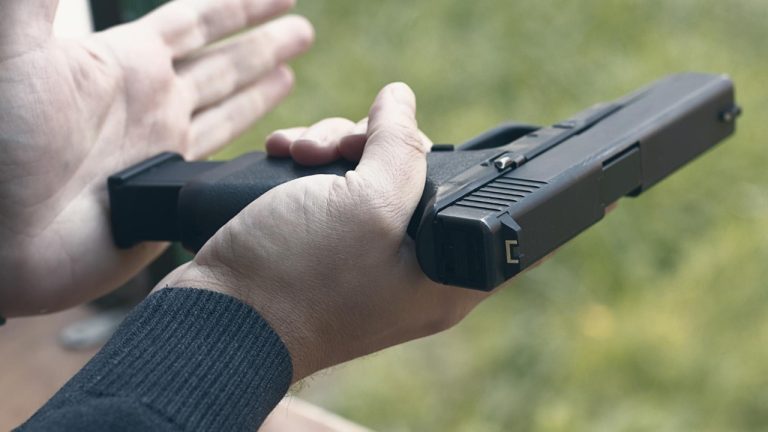
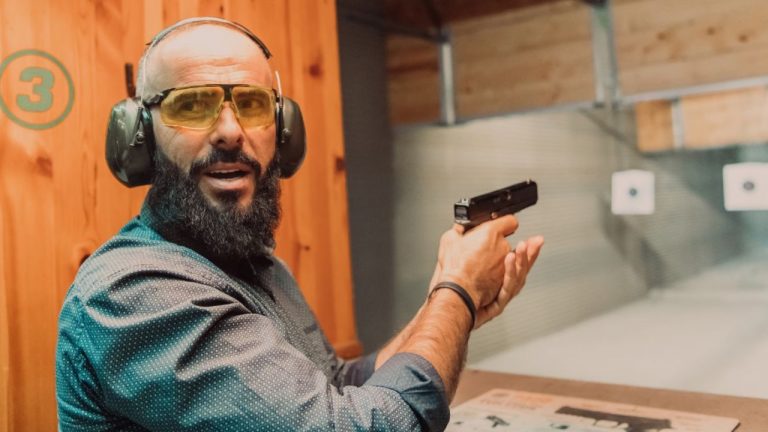
On the range, I see the same pattern repeat: a shooter who is rock solid with one handgun suddenly looks tentative when they pick up a different model that is supposed to be an upgrade. The problem is often not raw skill but the way some Pistols are built, from grip angle to trigger geometry, which can turn confident shooters hesitant even if the gun is mechanically sound. Handguns inspire confidence when everything lines up, the ergonomics, the trigger, the way the sights track under recoil, and when any of those elements are off, the shooter’s belief in the gun erodes quickly.
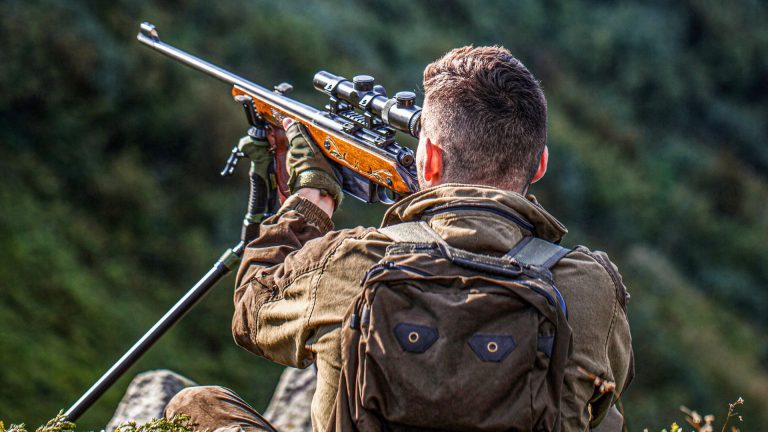
That disconnect is especially striking with models that sell in huge numbers. The Ruger 10/22, for example, is a rimfire rifle that has become a default choice for many new owners, and The Ruger 10/22 remains the most popular rifle in the U.S. in 2025. Popularity like that can create an assumption that a platform is universally confidence inspiring, yet individual shooters still report frustration when their particular configuration, ammunition choice or expectations do not match the glowing reputation.
Reliability myths, from “never jams” to notorious stoppages
Few phrases are repeated more often in gun culture than “this thing never jams,” and few are more misleading. Even brands built on a reputation for toughness have limits, which is why detailed Summary and Key Points about Glock pistols stress that they are renowned for reliability but can still malfunction if they are not maintained, if the recoil spring is worn or if ammunition is out of spec. When owners are told a platform is virtually infallible, even a single stoppage can feel like a betrayal, and that emotional reaction lingers long after the mechanical cause is fixed.
On the other end of the spectrum are designs that carry a reputation for being finicky, which can undermine confidence before the first round is fired. In one widely shared discussion of classic designs, a commenter flatly states that You are right to be concerned about such things, arguing that the 1911 is notorious for jamming frequently and pointing to how, specifically, the ejector mechanism can hang up between the barrel and the slide. Once a design is tagged as “notorious,” every hiccup tends to confirm the legend, and even well tuned examples struggle to shake that shadow.
Ergonomics, training and the psychology of “Success”
Confidence is not just about whether a gun will fire, it is about whether the shooter feels in control of it. Instructors who work with new and hesitant shooters often emphasize that Success equals confidence, and that there are many tools an instructor can use to foster success long before a student is asked to run a drill at full speed. When a handgun’s controls are hard to reach, the recoil impulse is sharp or the trigger is unpredictable, students experience failure instead of small wins, and their trust in that platform drops even if the gun itself is technically reliable.
That is why some trainers insist that a patrol or home‑defense rifle be Set up, physically kept and maintained precisely for and by the person who will use it, warning that otherwise “everyone’s rifle” soon becomes “no one’s rifle.” The same logic applies to handguns: a model that feels perfect in a catalog or in a friend’s holster can feel alien in your own hands, and that mismatch quietly erodes the sense that the gun will do its job in the situations where you will need that assurance most.
Marketing, fear and the making of “must‑have” pistols
Modern gun marketing does not just sell hardware, it sells a story about danger and preparedness that can push buyers toward specific models whether or not they fit their needs. A congressional report on industry practices notes that This report highlights a boom in gun sales driven by deliberate tactics that sow fear and division, and describes how advertising that plays on worst‑case scenarios can steer consumers toward particular brands and configurations. When a buyer chooses a pistol primarily because it is framed as the tool for surviving chaos, rather than because it fits their hand and skill level, the result is often a gun that feels more like a talisman than a trusted instrument.
That dynamic is visible in the way some compact pistols have become runaway hits. One of the world’s most popular gun makers has had to answer critics after an escalating series of negative stories surrounding its best‑selling striker‑fired pistol, with One of the company’s responses pointing to continued law‑enforcement contracts even as some competitions banned the gun. When a model is marketed heavily and then faces public questions about safety or unintended discharges, owners can find themselves caught between brand loyalty and a nagging doubt about whether they can truly trust what is in their holster.
Design flaws, safety scares and institutional backlash
Nothing undermines confidence faster than the suggestion that a gun might fire when it should not. That is why institutional reactions carry so much weight: when a major division of the U.S. Air Force suspends use of a pistol, individual owners pay attention. In one public discussion of such a suspension, a commenter named Shawn Baer argued that it is an inherently flawed design because of the pre cocked striker, claiming that they can literally never make these pistols safe because of that design choice. Even if manufacturers dispute those characterizations, the perception that a flaw is “inherent” rather than fixable by a recall or parts change can permanently stain a model’s reputation.
At the same time, long‑term users often push back against blanket condemnations, pointing out that some American‑made guns have built a reputation for never letting shooters down year after year. In one widely shared video, a reviewer opens by noting that Some American made guns have built a reputation you can trust, whether you are into self‑defense, hunting or competition. That contrast, between institutional skepticism and user loyalty, leaves many owners in a gray zone where they like how a gun shoots but cannot quite shake the headlines about its design.
Build quality, brand wars and the “Over the years” effect
Spend any time in gun forums and you will see the same confession repeated: people bought a firearm because it was cheap, hyped or recommended, then discovered they did not like to shoot it. One owner summed up the pattern by writing that Over the years, they had purchased several firearms impulsively, only to find themselves reluctant to take them to the range and eventually selling them to acquire models better suited to their preferences. That kind of buyer’s remorse is often less about catastrophic failure than about small irritations, gritty triggers, awkward controls, inconsistent accuracy, that add up to a lack of enthusiasm.
Those frustrations feed into heated debates about which manufacturers to avoid entirely. In one thread bluntly titled as a warning, a commenter begins a reply with Yeah and then lists brands they consider irredeemable based on personal experience, while others jump in to defend the same companies. Underneath the brand loyalty is a shared anxiety about build quality, echoed in another discussion where users complain that Remington watering down the 700 line to appease shareholders and push guns out the door is something that has happened, with the figure 700 itself becoming shorthand for a perceived slide in standards. When shooters believe a company is cutting corners, even minor defects can feel like proof that their distrust is justified.
Compact carry, capacity races and the limits of “People that buy compacts”
Nowhere is the tension between popularity and confidence more obvious than in the concealed‑carry market, where small pistols promise big performance. The SIG P365 has become a dominant example, with one trade analysis noting that the top gun, and it does not matter what model it is, is the SIG P365, identified explicitly as SIG SAUER P365, and that it is dominating the new handgun market. Lifestyle coverage aimed at women reinforces that appeal, describing how the model is Known for its capacity‑to‑size ratio and how the Sig Sauer P365 feels premium in the hand. For many owners, that combination of small footprint and high round count is exactly what inspires trust.
Others are more skeptical of the compromises that come with shrinking guns while stuffing in more ammunition. In one bluntly titled discussion, a commenter argues that People that buy compacts are sacrificing capability and capacity for concealability, even as others point out that compacts with 12 round magazines now blur that trade‑off. The debate is not just about numbers, it is about shootability: shorter grips, snappier recoil and abbreviated sight radii can make these guns harder to run well under stress, which is why some owners quietly admit they shoot a larger pistol better even if they carry the smaller one.
Overrated icons, tactical shotguns and the quiet virtues of boring guns
Some firearms become icons less because they are the best tool for most people and more because they were first, flashy or heavily featured in entertainment. One detailed buyer’s guide notes that In This Article Many popular handguns are described as overrated because their reputations come from being the first in a category or from aggressive branding rather than from superior performance or value. When a gun is elevated to “legend” status, new owners may feel pressure to love it, even if the reality at the range is a finicky trigger or uncomfortable recoil that quietly undermines their sense of control.
By contrast, some of the most trusted platforms are almost boring in their lack of innovation. Coverage of defensive long guns points out that Fact is, tactical shotguns have not evolved all that much over the last century, and that the majority of professionals still use pump‑action designs because of their simplicity and reliability under duress despite these guns’ shortcomings. That same preference for proven, even old‑fashioned mechanisms shows up in how many experienced shooters quietly favor full‑size, steel‑framed pistols or mid‑length carbines over the latest micro‑compact or ultra‑light rifle, trading novelty for the kind of predictable behavior that breeds real confidence.
What actually earns trust: performance, not mythology
Strip away the marketing and the forum wars and a pattern emerges: guns that inspire genuine confidence tend to be the ones that perform consistently in the owner’s hands, even if they are not the hottest seller or the newest release. Research on defensive gun use suggests that many incidents never make headlines because the firearm is merely brandished by the potential victim, and one analysis asks Why such underreporting of the use of firearms for self‑defense, pointing to survey methods that capture events where no shots are fired. In those quiet confrontations, what matters most is not whether a pistol is famous online but whether the person holding it believes, based on their own experience, that it will function if the situation escalates.
That is why I pay attention when seasoned shooters talk less about brands and more about how a particular gun behaves over thousands of rounds. Some insist that pistol brand does not matter as long as it is built to a standard, others swear by a specific model that has never let them down, and still others quietly retire guns that made them uneasy even if they never malfunctioned. Confidence, in the end, is earned in the slow accumulation of uneventful range trips and uneventful days carrying, not in the moment a new purchase is unboxed, and that is where some of the most popular guns on the market still have something to prove.

Leo’s been tracking game and tuning gear since he could stand upright. He’s sharp, driven, and knows how to keep things running when conditions turn.