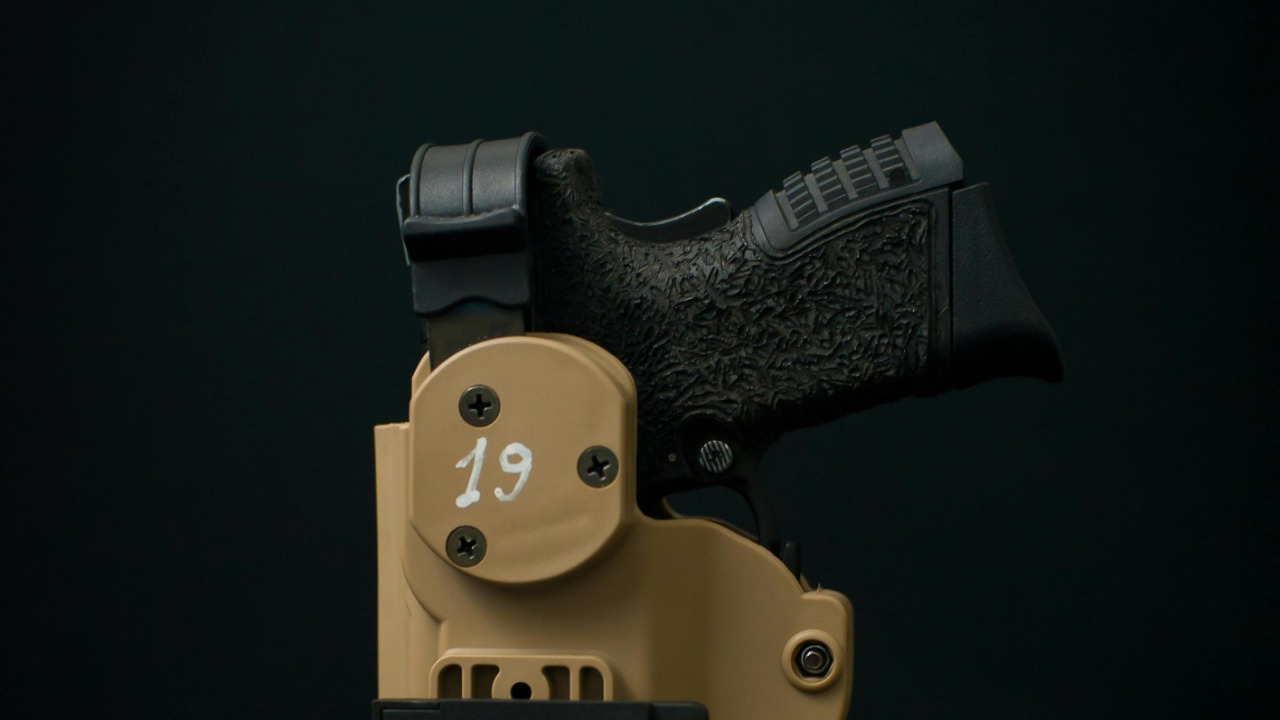
Why handgun comfort matters more than people think
Handgun debates usually fixate on caliber, capacity, and brand loyalty, but the factor that quietly determines whether people actually carry and train is comfort. When a pistol digs into a hip, bites at the web of the hand, or feels punishing to shoot, owners start leaving it at home, which undercuts any theoretical advantage on paper. Comfort is not a luxury feature in this context, it is the bridge between intention and real‑world readiness.
Comfort also shapes how confidently someone moves through daily life with a firearm, from how often they practice to how well they maintain situational awareness under stress. The more a handgun and its carry setup feel like an extension of the body instead of an irritant, the more likely it is to be worn consistently, trained with regularly, and used effectively if a crisis ever arrives.
The daily grind of carrying a handgun
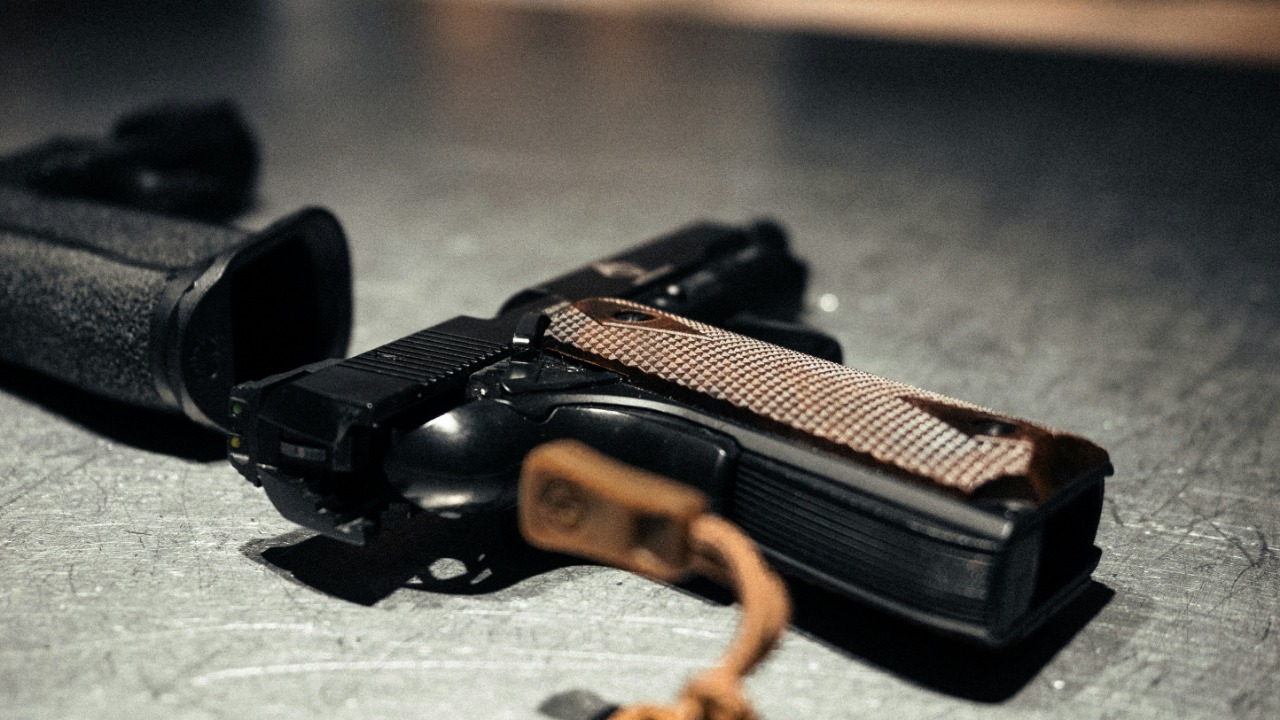
The difference between a gun that looks ideal in a catalog and one that works in daily life often shows up in the first week of actual carry. Owners quickly learn that Carrying a handgun every day exposes every sharp edge, awkward grip angle, and poorly balanced weight distribution. Pistols that are too heavy for their size, too thick for a waistband, or too tall in the slide can rub, pinch, and print through clothing, turning a defensive tool into a constant annoyance.
Some models that seem smart in theory fall apart in practice for exactly this reason. There are carry ideas that sound clever on paper, such as prioritizing “more power,” “more capacity,” or “more versatility,” but There is often a rude awakening once someone actually lives with that choice on their belt. Then the same owner who insisted on a large-frame pistol may find themselves leaving it in the glove box or safe, precisely because the discomfort wears them down.
Mindset, psychology, and why comfort drives consistency
Carrying a firearm is as much a psychological commitment as a hardware decision. One training perspective describes this as moving Beyond the Hardware, into The Mindset of Concealed Carry, where the choice to be armed is deeply personal and tied to how someone wants to navigate risk. If the gun feels like a constant source of physical irritation, that mental commitment is harder to sustain, and people start rationalizing reasons not to carry on “low risk” days.
Comfort also affects how much cognitive bandwidth a carrier has left for the world around them. Effective self‑defense depends on staying in a calm, alert state often described as Condition Yellow This, a relaxed but observant posture that is recommended as the baseline when someone is armed. If the gun is digging into a nerve or the holster is chafing, attention drifts inward, away from the environment, which is exactly the opposite of what responsible carry demands.
How comfort shapes training, accuracy, and “shootability”
On the range, comfort is directly tied to how quickly a shooter improves. One training guide notes that when a pistol is comfortable to hold and fire, You are more likely to Shoot More, which in turn accelerates skill development. A gun that batters the hand with recoil or has an awkward grip angle discourages long practice sessions, which quietly caps performance long before caliber or barrel length become limiting factors.
That tradeoff shows up in the way people talk about “shootability” versus raw capacity. In one Comments Section, a user summed up the prevailing view with “Shootability all day long,” arguing that Capacity is meaningless if the shooter cannot land accurate hits under pressure. Another discussion of comfort and performance points out that the number one reason armed defenders lose a lethal exchange is that they run out of time, and that maintaining a high level of proficiency requires a gun that is comfortable enough to train with regularly, a point emphasized in a Feb thread on balancing comfort and shooting ability.
Fit, ergonomics, and the myth of “one size fits all”
Ergonomics are where comfort becomes highly individual. A grip that feels secure in one person’s hand can be unmanageable in another’s, which is why some instructors warn that a gun chosen by a spouse or friend can backfire. One holster maker notes that a grip that is too large can discourage practice and even carrying, while a grip that is too small lets the gun get lost in the hand, a problem highlighted in a Jul discussion of why only the individual can decide what fits. The same logic applies to trigger reach, bore axis, and control placement, all of which can either invite or repel practice.
Long guns offer a useful analogy for how critical fit can be. Traditional gunmakers warn that If the stock is too long, the shooter will catch the heel under the armpit or slip the gun from the shoulder, which is described as bad practice in any form of shooting. Handguns are no different: a poor fit forces awkward wrist angles and inconsistent grip pressure, which degrade both comfort and accuracy. For concealed carriers, that discomfort is multiplied by the hours spent wearing the gun, not just the seconds spent firing it.
Holsters, concealment, and the comfort–safety balance
Even the best‑fitting pistol can be miserable if the holster is wrong. Some designs focus so heavily on softness or flexibility that they neglect retention, coverage of the trigger guard, or stability on the belt. One holster maker cautions that But comfort is not the only thing that matters, because a holster must also secure the gun, protect the trigger, and allow a safe draw. A setup that is “pillowy” but sloppy can be more dangerous than a slightly stiffer rig that stays put and keeps the firearm oriented correctly.
At the same time, ignoring comfort in holster choice is a recipe for inconsistent carry. One guide for new permit holders stresses that Carrying your firearm consistently is crucial, and that the goal is to Make it a natural part of your daily routine. If the holster digs into the hip when seated in a car or collapses when reholstering, that routine will not stick. The most effective rigs strike a balance: rigid enough for safety, contoured enough for comfort, and adjustable enough to accommodate different body types and clothing.
Comfort, awareness, and mental fatigue
Discomfort does more than cause fidgeting, it erodes the mental edge that concealed carry is supposed to provide. One analysis of carry habits notes that Situational Awareness suffers when Discomfort becomes the dominant sensation, because irritation pulls focus away from managing unknowns in the environment. Over time, that constant low‑level annoyance can make someone less likely to notice subtle cues of danger, which is exactly when early intervention or avoidance would have been possible.
The mental toll of always feeling on edge is well documented outside the gun world too. Health journalist Health reporter Keri Wiginton has described mental exhaustion as feeling like physical tiredness, except it is the mind that is worn down from being always on alert or stressed out. When a carry setup constantly pokes, pinches, or feels precarious, it adds to that stress load. Over weeks and months, that can push people to abandon Condition Yellow in favor of tuning out, or to stop carrying altogether because the psychological and physical strain feels like too much.
Caliber, size, and the comfort tradeoffs people actually make
Caliber debates often ignore the simple fact that a firearm is only effective if the shooter is comfortable enough to control it. One guide to defensive rounds notes that One of the most critical aspects of choosing a concealed carry caliber is how comfortable you are with it, and that a round that looks ideal on paper may not be the best choice if recoil or blast make it hard to shoot well. That is why many experienced carriers settle on moderate calibers they can control quickly, rather than chasing the most powerful option available.
Size brings its own compromises. Subcompacts like the Ruger LCP and Springfield Hellcat are praised for being ultra concealable, but they may trade off comfort or shootability, especially for newer shooters or those with larger hands. On the other end of the spectrum, some people treat a vehicle rifle as a backup, yet even there, one guide stresses that Opting for a truck gun the shooter is comfortable with is paramount, because the effectiveness of such a setup hinges on the ability to engage targets quickly and accurately, a point underscored in advice on why Opting for familiarity and control matters more than raw firepower.
Gender, body type, and the search for a truly personal fit
Comfort is not distributed evenly across different bodies, and women in particular often face extra hurdles. One guide aimed at female carriers notes that Having a comfortable and effective concealed carry setup makes someone more likely to carry consistently, which is essential for being prepared in a self‑defense situation. Differences in clothing styles, waistlines, and daily activities mean that a holster position that works for a man in a belt‑worn suit may be unworkable for a woman in high‑waisted jeans or business attire.
That is why many instructors urge new shooters to treat handgun selection like shoe shopping rather than tool buying. One buying guide advises that the way a gun “feels” in the hand is often a good indicator, and suggests that if someone cannot choose between a few models, they should default to the one that feels most natural, a point made in a detailed list of purchasing tips for a first handgun. Online communities echo this, with one Comments Section contributor explaining that Regardless of the specific gun, they ensure it functions through a few magazines of their chosen carry ammunition before trusting it, underscoring that confidence comes from both mechanical reliability and the subjective sense that the gun and body work well together.
Comfort, control, and realistic expectations in a fight
Comfort also intersects with how people are taught to think about force and control in violent encounters. One self‑defense framework describes a First Line Of built around Compliant Focused Self techniques, which emphasize gaining compliance and creating distance from an attacker without causing unnecessary harm. That approach depends on fine motor skills, clear thinking, and the ability to execute technique under stress, all of which are harder to access if the carrier is distracted by an ill‑fitting gun or holster.
Even outside firearms, the pattern is familiar: when equipment hurts, people avoid using it, and their skills atrophy. For concealed carriers, that avoidance can mean skipping dry‑fire practice, delaying live‑fire sessions, or quietly leaving the gun at home on days when it feels like too much. Over time, the gap between the person they imagine themselves to be and the person they actually are in a crisis widens. Comfort is not about pampering the shooter, it is about removing unnecessary friction so that training, awareness, and judgment can do the work they are supposed to do.

Leo’s been tracking game and tuning gear since he could stand upright. He’s sharp, driven, and knows how to keep things running when conditions turn.