The Truth About Recoil and Shot Placement
Recoil and shot placement sit at the center of almost every argument on the firing line, from the deer camp to the defensive pistol class. The physics that drive a firearm backward are simple, but how that movement affects accuracy, confidence, and real stopping effect is far more complicated. I want to unpack how recoil really works, how it shapes where bullets land, and why disciplined shot placement routinely beats raw power.
Recoil is physics, but “felt recoil” is personal

At its core, recoil is just Newton’s Third Law in action, the equal and opposite reaction to a bullet and gases being driven down the barrel. The rearward impulse is predictable, yet what shooters actually experience as “kick” depends heavily on firearm type, weight, and how the stock or grip fits the body. A compact handgun and a heavy rifle can launch the same bullet, but the lighter gun will transfer more abrupt energy into the shooter, which is why understanding how each firearm behaves is the first step toward controlling it.
That objective physics quickly turns subjective once the gun meets human hands. The way the frame or stock interfaces with the palm, shoulder, and cheek can dramatically change how recoil feels, even when the cartridge is identical. In detailed breakdowns of grip and ergonomics, instructors show that small changes in hand placement or backstrap shape alter leverage on the gun, which in turn changes how the muzzle moves under recoil, a point driven home in practical demonstrations of how the gun to hand interface affects perceived kick in videos such as Understanding Recoil.
Why recoil does not “ruin” the shot you just fired
One of the most persistent myths is that recoil throws bullets off target the instant the trigger breaks. In reality, the projectile has already left the barrel before the shooter’s muscles can react, which is why slow motion footage of handguns shows the muzzle starting to rise only after the shot is gone. Detailed explanations of how recoil timing works in pistols emphasize that the main accuracy problems come from anticipation and flinching, not from the mechanical kick itself, a point underscored in technical discussions of How Recoil Affects.
Physics forums have gone further, dismantling the idea that recoil somehow yanks the barrel off line before the bullet exits. Contributors note that the time scale of the shot is so short that human reaction is effectively irrelevant, and that the gun’s movement during that microsecond is governed by mass, bore axis, and the final bit of expanding gas, not by the shooter’s conscious effort. One detailed answer flatly states that the premise that recoil ruins accuracy is wrong, explaining that the main concern is the shooter’s behavior before the shot, not the final bit of recoil after it.
How recoil really moves the gun: muzzle rise, stock design, and body mechanics
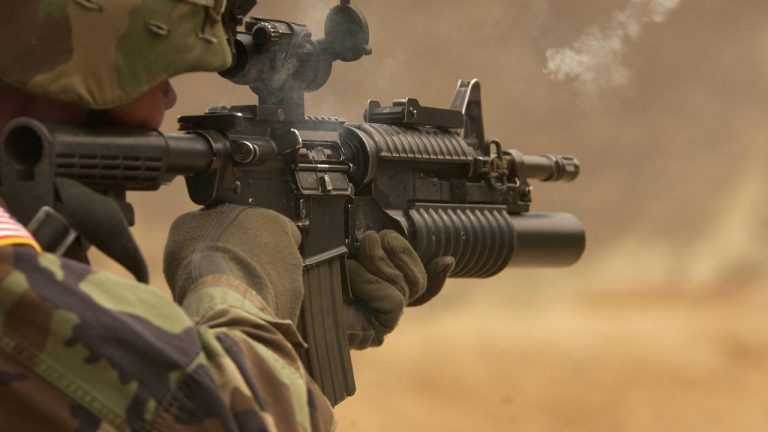
Although recoil does not sabotage the bullet already in flight, it absolutely shapes where the next one will land. Because the bore sits above the shooter’s shoulder or grip, the rearward force creates a torque that drives the muzzle up instead of straight back. Simple explanations of this effect point out that if a pistol were fired upside down, the muzzle would flip the opposite way, which makes clear that the direction of movement is about geometry, not magic, a point that is spelled out in accessible terms in Comments Section discussions of muzzle rise.
Rifle shooters see the same physics play out in their stocks. Many Stocks have an angled toe line, so when they are fired from a bench with a light or no hold, the butt slides down and the muzzle climbs, shifting point of impact higher. That is why two groups from the same rifle, one shot with a firm shoulder weld and one with a loose, bagged setup, can print in different places even if the barrel and ammunition are unchanged. Online communities that analyze gun recoil patterns have documented how grip pressure, stance, and even bipod loading can subtly change the arc of recoil and therefore the consistency of follow up shots.
Managing recoil: technique, drills, and realistic limits
Because recoil is inevitable, the practical question is how to manage it so that sights return to the same place every time. Instructors emphasize fundamentals like a high, firm grip on the pistol, locked wrists, and a stance that leans slightly into the gun, which lets the whole body absorb the impulse instead of just the hands. Structured programs on Recoil Management Tips stress that consistent body position not only tightens groups but also reduces physical strain and discomfort over long strings of fire.
There are, however, hard limits to what human reflexes can do once the trigger is pressed. Military doctrine on automatic and burst fire notes that human reactions are too slow to compensate for recoil in real time, which is why short, controlled bursts are preferred over long sprays. One detailed explanation of this reality states plainly that shooters cannot muscle the gun back on target during the burst, they can only set up a stance and grip that let the weapon track predictably, a point captured in the observation that Simply put, the human reactions are too slow to muscle the gun back on target.
Recoil, flinch, and the myth of “stopping power”
Where recoil really sabotages accuracy is not in the millisecond after ignition, but in the shooter’s mind before the shot. Anticipation of a sharp kick leads to flinching, jerking the trigger, or pushing the muzzle down, all of which throw rounds off target. Instructors who work with new shooters report that Many people say recoil is one of the most intimidating aspects of firing a gun for the first time, and that fear can even cause someone to drop the gun if they are not properly prepared for the impulse.
That fear is often amplified by a cultural obsession with big calibers and the so called Stopping Power Myth. Training groups that focus on concealed carry now stress that it is not the size of the ammunition that is most important for surviving a deadly force situation, but the ability to place rounds accurately and rapidly. One program explicitly labels this the Stopping Power Myth, arguing that chasing more recoil in the name of power often reduces hit probability where it matters most.
Shot placement beats caliber: lessons from the field and the lab
Real world hunting and defensive shootings repeatedly show that where a bullet lands matters more than how big it is. In one account from the field, a guide named Les watched clients flinch and miss game with heavy recoiling rifles, only to see them cleanly take the same animals with a milder 6mm Remington. The softer shooting cartridge let them focus on fundamentals instead of bracing for impact, and the result was faster, more precise hits that dropped animals quickly.
Ballistic testing on synthetic torsos tells a similar story. Analysts who compare handgun rounds in gel and ballistic mannequins have concluded that perhaps the most critical factor in determining effectiveness is shot placement, not marginal differences in caliber. One technical review notes that Perhaps the most critical factor in determining the effectiveness of a handgun is shot placement and that, regardless of caliber, hitting vital structures is paramount for stopping a threat quickly. That conclusion dovetails with ammunition comparisons that state flatly that Shot placement matters most, and that a well placed small caliber bullet is more effective than a big bore yet poorly aimed barn buster.
Choosing a gun you can actually shoot well
All of this has direct implications for how people select carry guns and hunting rifles. Defensive shooting instructors point out that a single bullet’s ability to penetrate or damage tissue is not the only thing that matters, and that factors like sight radius and recoil are just as important. One detailed guide notes that a long barreled pistol can offer a longer sight radius and softer recoil, which can make accurate hits easier under stress, a tradeoff that should be weighed carefully when deciding what to carry, as explained in advice on how to select the right gun that highlights the role of sight radius and recoil.
Experienced shooters often downsize caliber or switch platforms once they realize that controllability and speed trump raw energy. One long time handgunner describes moving from a larger caliber to a 9 mm Browning Hi Power because the speed advantage on the draw and follow up shots overcame the reduction in power. That same logic applies to rifles, where the 300 Win Mag is capable of delivering better long range performance with heavier, large ballistic coefficient projectiles than standard and short length .30 caliber cartridges, but that advantage only matters if the shooter can handle the recoil well enough to place those shots precisely.
Fundamentals, follow-through, and what actually moves point of impact
Once a shooter has a manageable gun, the fundamentals determine whether recoil stays predictable or turns into chaos. Military marksmanship manuals stress that follow through is the continued application of the fundamentals until the round has exited the barrel, which means maintaining sight picture, trigger press, and body position through the shot instead of relaxing the instant the gun fires. One such guide on rifle technique highlights FOLLOW and THROUGH as essential, and even details the relationship between the eye and the sight for right eye dominant shooters.
Understanding what truly shifts point of impact also helps shooters separate real problems from imagined ones. Some believe that recoil alone explains every flyer, but detailed discussions of benchrest technique show that changes in hold, stock contact, or bag pressure are often the real culprits. When shooters fire from unstable positions or let the butt slide differently from shot to shot, the muzzle can trace a slightly different arc each time, which moves groups on the target. Explanations of why some people appear to be knocked back by recoil note that it is all about absorbing the energy and directing it down through the body, and that those who are braced correctly do not get pushed over, a point made clearly in Comments Section threads that break down stance and balance.
From fear of recoil to confident, precise shooting
For new shooters, the path from flinch to confidence starts with demystifying recoil and then building habits that keep it from dominating their thinking. Educational programs on What Recoil is often start by reminding students of Remember Newton and the Third Law of Motion from Physics, then move quickly into practical steps like adding weight, using better recoil pads, or choosing loads that are easier to handle. Virtual and live fire ranges alike report that once shooters understand that recoil is predictable and manageable, their anxiety drops and their focus shifts to sights and trigger.
Ultimately, the truth about recoil and shot placement is that physics set the boundaries, but training and equipment choices determine how much of that potential a shooter can use. Whether someone is choosing a compact pistol for daily carry or a long range rifle for open country, the goal is the same: pick a setup that can be controlled, then practice until recoil becomes a background sensation instead of the main event. When that happens, the conversation stops being about how hard a gun kicks and starts being about whether each round lands exactly where it needs to, every time.

Leo’s been tracking game and tuning gear since he could stand upright. He’s sharp, driven, and knows how to keep things running when conditions turn.