The concealed carry habits experienced shooters take seriously
Experienced carriers treat concealed firearms less like accessories and more like life support gear. The habits that separate them from casual permit holders are not about exotic holsters or tricked-out pistols, but about disciplined awareness, training, and respect for the law and for other people. The shooters I learn the most from build quiet, repeatable routines that keep them effective if they ever need the gun, and invisible when they do not.
Those routines start long before a shot timer beeps or a jacket is shrugged on. They include how they read a parking lot, how they reholster after a drill, how they choose ammunition, and how they plan a road trip. The result is a lifestyle that makes carrying a handgun safer for everyone around them, not just more convenient for themselves.
They live in a state of informed awareness, not paranoia

Seasoned carriers put as much effort into reading people and places as they do into shooting tight groups. They know that having the capacity to make a fast assessment of threat and risk can keep them from ever becoming a target in the first place, so they build habits around scanning entrances, exits, and behavior patterns before trouble starts. That kind of assessment is not mystical, it is a learned skill that nurses, realtors, hospice workers and other professionals refine, and experienced gun owners borrow the same mindset to stay ahead of developing danger rather than reacting late.
Instead of walking through life with their head down in a phone, they practice structured assessment of parking lots, gas pumps, and store aisles, looking for anomalies like people loitering near choke points or fixating on them. I see the same principle in guidance that stresses Situational Awareness, urging carriers to Stay alert Whether they are in a crowded mall or on a quiet street. The goal is not to be jumpy, it is to notice problems early enough to leave, de-escalate, or call for help so the gun remains a last resort instead of the first tool they reach for.
They train with purpose, not just round counts
Experienced shooters treat practice as a way to build decision making, not just marksmanship. They understand that The Importance of CCW and concealed carry training goes far beyond punching paper, and that Proper CCW and instruction should move students off the flat range and into real-world readiness with movement, use of cover, and problem solving. That is why they seek out classes that stress drawing from concealment, managing malfunctions under pressure, and integrating verbal commands, instead of spending every session casually plinking at static targets.
They also structure their calendar around consistency. When I talk to serious carriers, I hear a common baseline: Ideally, they want to shoot at least once a month on a range, and many push for weekly dry fire and live fire when time and money allow. One training guide frames it bluntly by asking How frequently a concealed carrier should train, then answering that a mix of monthly range trips and shorter weekly sessions is a good place to start for building and maintaining skills. Another resource on frequency stresses that Ideally you should carve out at least a small block of time a week to train effectively, even if that is dry fire in a safe room with an unloaded pistol.
They fight “training scars” and chase realistic speed
One of the quiet obsessions among high-level carriers is avoiding habits that only work on a square range. I have seen students who always reholster on a buzzer or automatically scan in a theatrical way because that is what they practiced, even when it makes no sense in context. Instructors who focus on The Importance of CCW and concealed carry training warn that Studen routines built in sterile environments can become training scars, so they push drills that force shooters to think, move, and solve problems instead of just reacting to a beep. That is how they turn Proper CCW and practice into real-world readiness instead of a performance for the lane next door.
Speed is part of that equation, but experienced shooters define it differently than social media clips suggest. Competitive shooter Lena Miculek has pointed out that 2 seconds and under is often treated as an industry standard for a draw to first shot, while admitting in a Nov post that she is not that fast at present day and feels rusty When she adds concealment or a 100 yard sprint. The serious carriers I watch use that kind of benchmark as a diagnostic, not a brag, working to get a clean, concealed draw in roughly that window while still hitting vital zones. They use a shot timer to measure progress, but they refuse to let the timer push them into sloppy gun handling or unrealistic stage tactics that would not translate to a parking lot.
They obsess over safe gun handling, especially reholstering
Ask any instructor what scares them most on a firing line and Unsafe Reholstering will be near the top of the list. Sep range safety guidance notes that Reholstering is one of the most dangerous parts of a training session, because the gun is often close to the body, the shooter is coming down from an adrenaline spike, and clothing or gear can snag the trigger. The advice is simple but strict: Think about slowing down, looking the gun into the holster if needed, and clearing cover garments so you can see it. Experienced carriers internalize that, treating the end of a drill as the moment to be most deliberate, not most casual.
They carry that same discipline into daily life. One detailed breakdown of reholstering calls it a Life Skill for the Concealed Carrier and reminds readers that safe re-holstering is not confined to the shooting range, it matters every time a gun comes out and then must be put away in a car, a restroom stall, or a bedroom at night. I have watched careful shooters build a ritual around this: they clear the gun, visually and physically inspect the holster mouth, then reholster slowly with no distractions. Broader firearm safety guidance for long guns makes the same point in different words, stressing that by following established safety practices you can prevent accidents, protect yourself and others, and that consistent safety ensures a positive and responsible experience. The best carriers treat pistols the same way, never letting familiarity erode those steps.
They choose gear and ammo for concealment, not social media
Experienced carriers are ruthless about whether their setup actually disappears under real-world clothing. They know that concealment is not just about comfort, it is about avoiding unnecessary alarm and legal headaches. One practical warning from a concealed carry instructor uses a vivid example: you do not want to have a cover garment when it is 150 degrees outside with what he jokingly calls 10 gazillion percent humidity, because printing through thin fabric or constantly adjusting your shirt can draw exactly the kind of attention you are trying to avoid. That Jul discussion of mistakes that could put you in jail highlights how poor wardrobe choices and careless exposure can escalate routine encounters into police calls, especially in crowded public spaces.
Ammo is another area where experienced shooters quietly diverge from newcomers. A detailed guide on carry lessons points out that Ammo Selection Makes a Huge Difference and that There is more to loading your concealed carry pistol than grabbing a box of training ammo from the bargain bin. Seasoned carriers favor modern defensive loads that expand reliably and penetrate within accepted depth ranges, then they test that ammunition in their specific gun to confirm function and point of impact. They also pay attention to how that ammo recoils in their hands, especially for smaller framed shooters, because controllability on a fast follow-up shot matters more than raw velocity on a spec sheet.
They respect the law, from door signs to state lines
One of the least glamorous habits among serious carriers is how often they read signs. Practical guidance for permit holders stresses that you should Watch for postings at the doorways of any facilities you enter, especially places like hospitals and schools, because those notices often spell out where firearms are prohibited. Typically, they do not use giant graphics or flashing lights, so the responsibility falls on the carrier to slow down and look before walking in. The experienced shooters I know build that into their routine, scanning doorways the same way they scan for exits, because they understand that ignoring a small placard can turn a routine errand into a trespassing charge.
The same mindset applies when they cross state lines. A breakdown of reciprocity highlights Top Contenders for Best Reciprocity and notes that Utah permits, for example, enjoy broad Reciprocity across the country, but that does not mean every state treats visitors the same way. Former Special Forces soldier Tim Kennedy has described planning a drive from Texas to Michigan for a hunt and relying on a reciprocity map to stay in the know about the laws while traveling with a firearm. His advice is blunt: not all states share the same laws so you better know before you go. Experienced carriers absorb that lesson, checking tools like that map before a road trip and adjusting how and where they carry to match each jurisdiction instead of assuming their home-state rules follow them.
They build community, manage ego, and know when not to carry
Behind the scenes, the most capable carriers I meet are usually the most humble. A law enforcement training analysis aimed at competition shooters ends with a reminder that Finally, it is crucial to control your ego, because Many officers and serious shooters have Type A personalities that, while not inherently problematic, do make us extremely competitive. That competitiveness can push people to chase faster times or flashier drills at the expense of safety or sound tactics. The experienced carriers who last the longest learn to treat classes and matches as laboratories, not auditions, focusing on honest self-assessment instead of impressing strangers on the line.
They also lean on community to stay sharp. In one online discussion titled for new carriers, a commenter under the name National-Complaint-8 tells a 21-year-old to Don not honk or flip people off, then adds that they should Dry fire daily and Get a shot timer to push accuracy, distance, and speed in a controlled way. Another thread features a user called Nottherealeddy admitting, Alas, that their financial situation forced them to stop carrying daily until they could afford more training and practice. Those candid admissions reflect a mature habit I see often: experienced shooters know there are days when they are too tired, stressed, or rusty to carry responsibly, and they are willing to leave the gun at home rather than pretend otherwise.
They invest in structured instruction, not just solo reps
For all their self-driven practice, serious carriers rarely rely on YouTube alone. They seek out formal classes because they understand that Range practice maintains skills, while Professional training builds them correctly in the first place. One training provider puts it plainly in a discussion of frequency: Why Classes Matter More Than Solo Range Time is that instructors can catch bad habits, push students beyond their comfort zones, and refocus them on vital zones instead of just chasing tiny groups. I have watched shooters plateau for years on their own, then make rapid gains after a weekend course that forced them to draw from concealment on the clock, shoot on the move, and make shoot or no-shoot decisions.
Quality instruction also keeps them on the right side of the law. A safety and compliance overview from a training company opens with the line At AN Precision, we recognise the importance of adhering to legal and compliance standards in firearm usage, and frames classes as a way to uphold professionalism and ensure strict legal compliance. Broader firearm safety workshops echo that by stressing that by following established safety practices you can prevent accidents, protect yourself and others, and that consistent safety ensures a positive and responsible experience. For women in particular, targeted programs note that Their confidence will grow as they familiarize themselves with their specific weapons and environments, which is why many experienced female carriers seek out women-led classes that address their realities instead of trying to fit into a one-size-fits-all curriculum.
They treat concealed carry as a lifestyle, not a phase
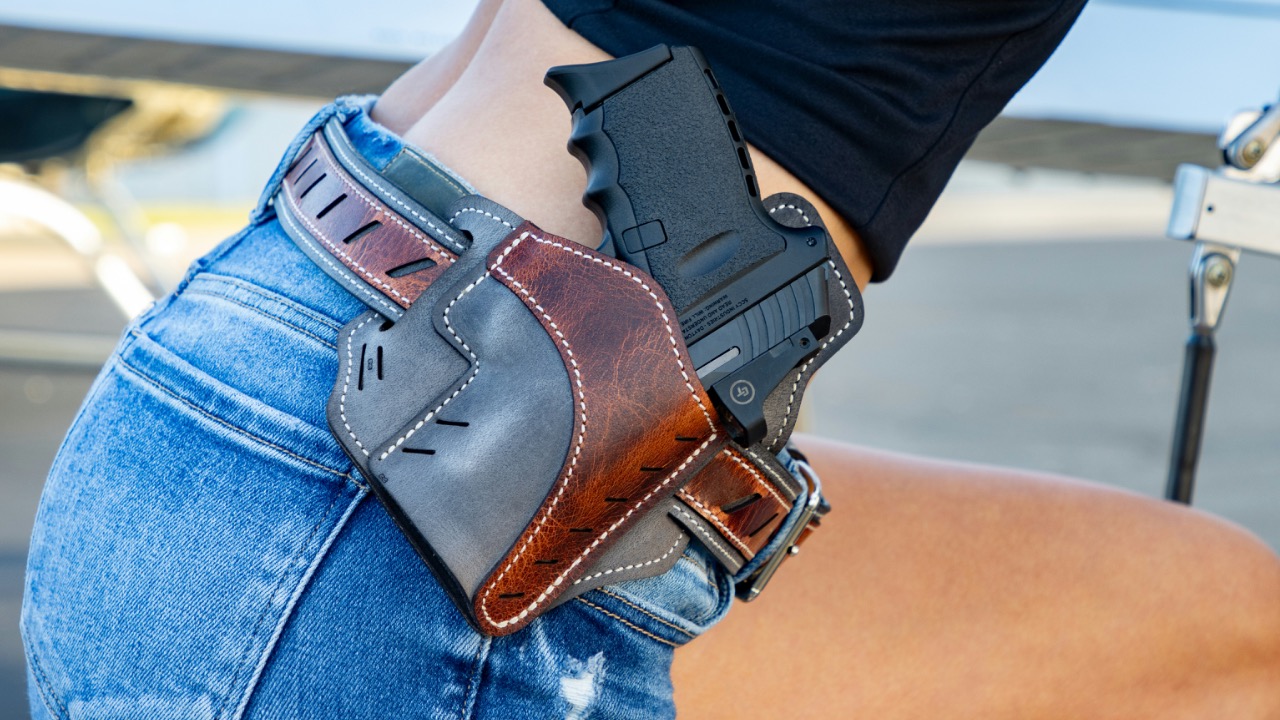
Over time, the habits that define experienced carriers blend into the rest of their lives. They plan their wardrobe around concealment and access, they choose belts and holsters that support the gun all day, and they adjust social behavior to avoid unnecessary confrontations. Guidance on a healthy Concealment Mindset urges carriers to Always assume the firearm is more visible than it is in reality, to be mindful when interacting with others in ways that may expose the gun, and to keep personal contact to a minimum or use their arms to block contact with other people. That kind of quiet discipline shows up in how they hug friends, how they sit in crowded theaters, and how they navigate public transit.
They also accept that the work never really ends. Articles on how often to train with a concealed carry firearm remind readers that consistency matters more than intensity, and that even modest weekly routines can keep skills from decaying. Many of the most capable shooters I know still sign up for refresher courses every year or two, revisit fundamentals like grip and trigger press, and audit their own performance with timers and notebooks. They understand that carrying a gun in public is a profound responsibility, not a hobby, and they build habits that honor that responsibility every time they step out the door with a loaded pistol concealed under their clothes.

Leo’s been tracking game and tuning gear since he could stand upright. He’s sharp, driven, and knows how to keep things running when conditions turn.