Why rabbit hunting limits vary so widely from state to state
Rabbit hunters learn fast that crossing a state line can change everything. One side of a border might offer a long season and a double-digit daily bag, while the other caps you at a couple of cottontails and shuts things down early. Those wide swings are not random; they grow out of biology, politics, land access, and the way each state reads its own hunting culture.
I have watched those differences shape how people hunt, where they travel, and even how they talk about small game at the local diner. To understand why rabbit limits look so different on the regulations page, you have to look at who sets the rules, what they are trying to protect, and how much pressure the local rabbit population can really take.
How one state ends up with “unlimited” rabbits and another barely lets you hunt
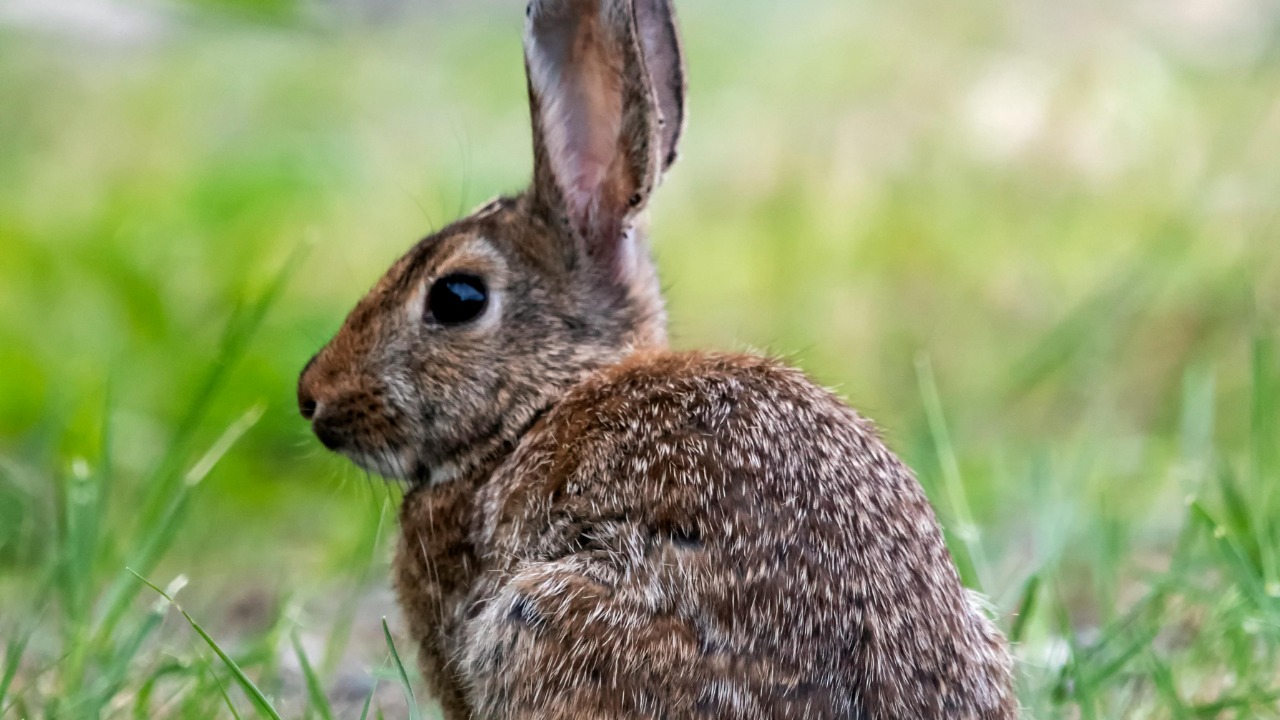
The first thing I tell new hunters is that rabbit rules are built state by state, not from some national playbook. One state might allow a generous daily bag or even no numerical cap at all, while the next state over keeps limits tight and seasons short. That spread reflects how each agency reads its own rabbit numbers, hunter participation, and broader small game priorities, not any shared standard across the country.
Recent coverage of rabbit regulations points out that season differences are decided by state and local wildlife management organizations that look at all small game, not just cottontails. Those same reports note that daily bag limits change from place to place as agencies try to maintain healthy populations over the long haul. When you see one state with almost no restriction and another with a tight cap, you are really seeing two different judgments about how many rabbits are on the ground and how much pressure hunters are putting on them.
Who actually sets rabbit seasons and bag limits
Behind every rabbit regulation there is a small group of people with the authority to write it into law. In some states that power sits with a commission, in others it is shared with the legislature, but it is never as simple as a single biologist making a call. Those decision makers are the reason the same cottontail can be managed very differently depending on which side of a state line it happens to live on.
One example comes from a document explaining how Natural Resources Commission, a seven member panel appointed by the Governor, sets season dates and bag limits. That commission is required to balance biological data with the public desire to use the resource, which means rabbit rules are always a compromise between science and social pressure. In Florida, similar authority sits with the state’s wildlife agency, where Florida Fish and, or FWC, Commissioners approve rule changes that can adjust small game seasons and limits. Those structures explain why rabbit hunters are really dealing with local boards and governors, not some distant national standard.
Biology, boom‑and‑bust cycles, and why some states stay conservative
Rabbits are built for high turnover, but that does not mean they are bulletproof. Populations can swing hard with weather, habitat, and disease, and smart agencies write their regulations with those swings in mind. When numbers dip, conservative limits and shorter seasons are often the first tools on the table.
Western managers have been blunt about that reality. In Arizona, for example, officials recently reduced limits for cottontails and started limits for jackrabbits, explaining that lagomorphs are a prey base for almost all carnivores and raptors, they wanted to give those prey animals a chance to bounce back in some areas. That is a clear case of a state tightening rabbit limits not because hunters suddenly changed, but because the broader food web needed a break.
Disease and health alerts that can shut things down overnight
Even a strong rabbit population can be knocked sideways by disease, and that is another reason limits look so different from state to state. Some agencies are staring down serious health threats and have to build their regulations around them, while others have not yet seen the same problems. When a new disease shows up, bag limits and access rules can change faster than most hunters expect.
California has been blunt about this risk, posting Alerts that highlight Rabbit Hemorrhagic Disease as a new threat that is highly lethal to all rabbit species and can be spread by hunters. When an agency is dealing with something like Rabbit Hemorrhagic Disease, it has to think about more than hunter opportunity. That kind of outbreak can lead to tighter limits, special handling rules, or even temporary closures, which helps explain why a state facing active disease issues might look far more restrictive than a neighbor that has not yet been hit.
Why Florida can run long seasons while other states lean on access limits
Habitat and land ownership patterns also shape how aggressive a state can be with rabbit opportunity. In places with abundant private land and strong rabbit cover, agencies sometimes feel comfortable with long seasons and higher bags, especially when small game hunting pressure is relatively light. In more urbanized states, the limiting factor is often where you can hunt, not how many rabbits you are allowed to take.
Florida is a good example of the first model. On private land, Rabbit may be hunted year round and hunters can work with a 12 bunny bag limit, while public land hunts are more restricted. That generous private land rule sits alongside a broader regulatory process where approved changes for the 2025 to 2026 season have stirred debate about public land access and how non residents fit into the picture. Contrast that with Massachusetts, where officials have acknowledged that MassWildlife has been to improve access and opportunity for hunting, there are statutory limits on where hunting can occur, and neighboring states have more land open for archery hunting than Massachusetts. In that kind of landscape, even a moderate rabbit limit can feel tight because there are fewer places to use it.
Long seasons and high limits where hunting barely dents the population
In some states, rabbit hunting pressure is so light that agencies see little reason to clamp down. When harvest data show that hunters are taking only a small fraction of the available rabbits, managers are more comfortable with long seasons and high daily bags. That is why you can see what looks like a very liberal rule on paper without any real risk to the resource.
Wyoming has spelled this out clearly. Officials there explain that the cottontail season runs Sept. 1 through March 31 and that, over the years, there has been little indication that hunting seasons or bag limits are having a negative impact on cottontail populations. That “Over the” time perspective is exactly what lets them keep a long season and high limit in place. Agencies that see similar patterns in their own data are more likely to stick with generous rules, which is why some states look wide open compared with neighbors that have heavier small game pressure.
When tradition and hunter pressure push limits down
Not every state is comfortable with big rabbit bags, even when the biology might allow it. In parts of the Midwest, long memories of heavy hunting pressure and changing landscapes have pushed some managers and hunters to argue for lower limits. Those debates are as much about culture and ethics as they are about raw numbers.
One veteran observer pointed out that Talk about not getting respect is common when rabbit hunters compare their sport to big game, and he notes that By the 1950’s Kentucky, Illinois and Indiana had established daily bag limits of eight, five and four rabbits. Those numbers reflected a time when rabbit hunting was a major winter pastime and fields held more brushy cover than they do now. As farms cleaned up and predator numbers shifted, some hunters started calling for even lower limits, arguing that the old caps no longer fit the modern landscape.
Local ethics, landowner relations, and why some hunters self‑limit
Regulations are only part of the story. In many places, rabbit hunters are already taking fewer rabbits than the law allows because they are thinking about next year’s coverts or the landowner who lets them park by the barn. That unwritten code can be as powerful as any printed limit, especially in rural communities where access depends on trust.
Extension guidance from Mississippi makes that point clearly, noting that Ethical and polite hunters are more likely to be welcomed back and that something as simple as periodically offering a few dressed rabbits or another small gift can help build a cooperative wildlife management strategy with landowners. In practice, that means a hunter might walk out with half a legal limit because he wants to leave a few rabbits for the landowner’s grandkids or for his own beagles later in the season. Those choices never show up in the regulations booklet, but they help explain why some states are comfortable with higher limits on paper.
How agencies actually track rabbits and adjust the rules
For all the talk about tradition and ethics, modern rabbit limits still lean heavily on data. Agencies use harvest surveys, field counts, and even hunter feedback to figure out whether their current rules are working. When the numbers start to drift, they adjust seasons and bags, sometimes in ways that surprise hunters who have not been watching the trend lines.
Recent reporting notes that Agencies rely heavily on hunter harvest reports and field surveys to set rabbit bag limits and that those limits are meant to keep populations resilient over time. The same coverage explains that Wildlife managers watch long term trends to maintain healthy populations, not just one season’s numbers. When you see a state bump its daily bag up or down, you are usually seeing the result of several years of data finally tipping the scales, not a knee jerk reaction to a single bad winter.
What all this means for the hunter standing at the tailgate
For the guy or gal loading beagles in the dark, the reason behind a limit can feel academic. What matters is knowing the rule, staying legal, and finding enough ground to make a hunt worthwhile. Still, understanding why those numbers change from state to state can help you plan better trips and make smarter choices about how many rabbits you actually carry out.
State agencies and local conservation staff keep trying to bridge that gap. In Missouri, for example, a STAFF REPORT highlighted how Cottontail Rabbit hunting is in full swing and pointed hunters toward dense weedy areas and thickets, while also reminding them of the current regulations. Those kinds of updates, along with the formal rulemaking where FWC Commissioners and other boards approve changes, are the best window hunters have into why their rabbit limits look the way they do. If you pay attention to that process, the numbers on the page start to make a lot more sense.

Asher was raised in the woods and on the water, and it shows. He’s logged more hours behind a rifle and under a heavy pack than most men twice his age.