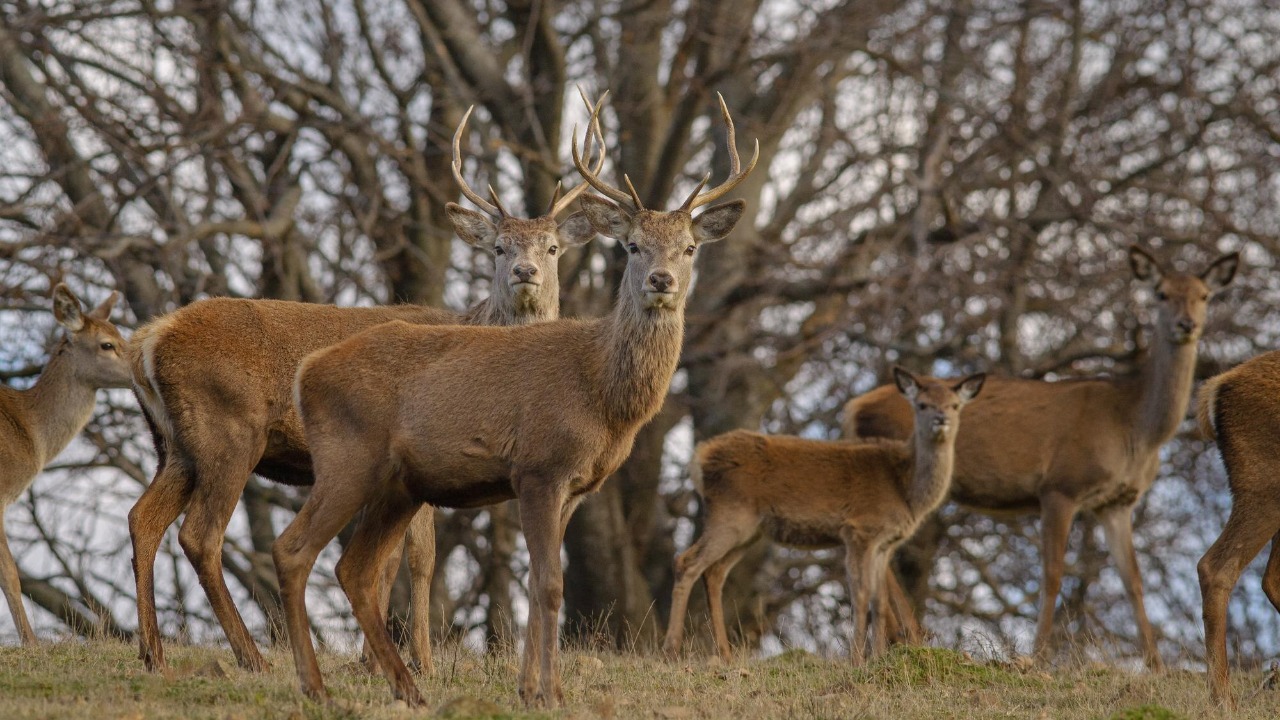
This U.S. state’s deer population now exceeds five million
The United States now has a deer superpower, and it is not a quiet, forested New England state. It is Texas, where the white-tailed deer population has surged past five million animals, reshaping everything from rural economies to highway safety. That staggering figure captures both a conservation success story and a looming management challenge as people and deer crowd into the same landscapes.
As herds expand across ranches, suburbs, and public lands, Texans are living with the consequences in real time: more hunting opportunity, more agricultural damage, and more pressure on fragile habitats. I want to unpack how the state reached this point, what it means for the rest of the country, and why the five‑million mark is less a finish line than a warning sign.
Texas, the new deer capital of America
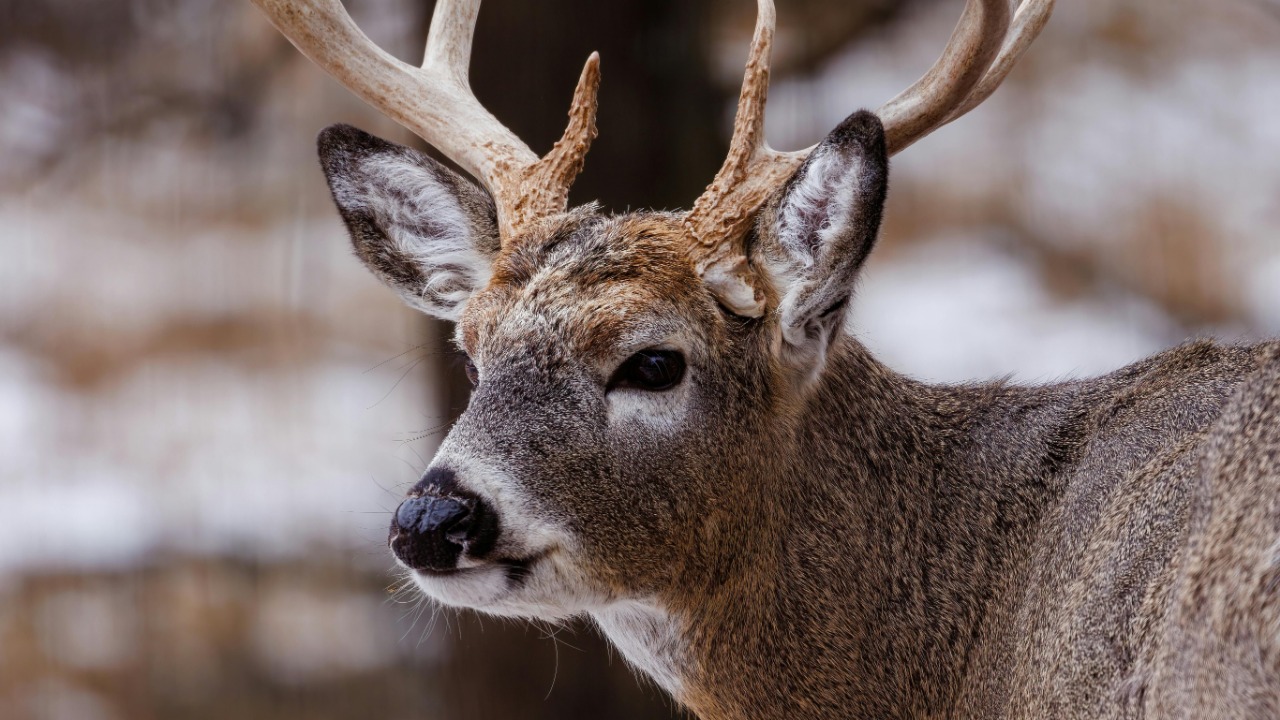
Texas has long been known for cattle, oil, and sprawling cities, but it now holds another national title: the largest white-tailed deer population of any U.S. state. Multiple wildlife tallies put the Texas herd above five million animals, a threshold that no other state currently matches, and that scale is what sets it apart. When a single state harbors that many deer, it effectively becomes the country’s bellwether for how this species will interact with modern development, agriculture, and recreation.
That dominance is not just anecdotal. Population comparisons that rank states by their white-tailed deer numbers consistently place Texas at the top, ahead of other big deer states like Pennsylvania, Wisconsin, and Michigan, with estimates that clear the five‑million mark by a comfortable margin, a pattern echoed in national deer population coverage. When I look at those numbers, I see more than a record; I see a state that now carries an outsized share of responsibility for keeping a keystone species in balance.
How Texas built a five‑million‑deer herd
The sheer size of the Texas herd is not an accident, it is the product of geography, policy, and culture working in the same direction. The state’s vast mix of brush country, oak woodlands, and river bottoms offers food and cover across millions of acres, and private ranches have often been managed with wildlife in mind. Over decades, regulated hunting seasons, bag limits, and habitat programs have allowed white-tailed deer to rebound from historic lows to today’s abundance, with state biologists now treating them as a renewable resource that must be actively managed rather than passively protected.
On the ground, that management runs through detailed guidance from the Texas Parks and Wildlife Department, which lays out how landowners can use selective harvest, supplemental feeding, and habitat work to keep herds healthy and prevent overbrowsing. I see that approach reflected in the agency’s own deer management materials, which emphasize balancing buck and doe numbers, monitoring age structure, and tailoring harvest goals to local conditions. When those tools are applied across a state as large as Texas, the result is a population that can grow into the millions without immediately crashing, but that also requires constant adjustment as conditions change.
Why Texas is uniquely suited to so many deer
Texas is not just big, it is ecologically diverse, and that diversity is a major reason white-tailed deer have flourished there. From the Hill Country’s live oaks to the brushy South Texas plains, the state offers a patchwork of habitats that provide browse, mast, and cover through much of the year. In practical terms, that means deer can shift across landscapes as drought, hunting pressure, and food availability change, instead of being boxed into a single narrow band of forest.
National comparisons of deer populations by state highlight how this combination of size and habitat variety gives Texas an edge, noting that large tracts of mixed woodland and open country create ideal space for deer to live and expand. When I line up those habitat advantages with the state’s relatively mild winters and long growing seasons, it becomes clear why white-tailed deer have been able to push their numbers so high in Texas while remaining more constrained in colder or more heavily urbanized states.
How Texas compares with other whitetail strongholds
Even in a country full of deer, Texas stands apart. Other states like Pennsylvania, Wisconsin, Michigan, Mississippi, and Alabama are often cited as whitetail powerhouses, with robust hunting cultures and dense herds. Yet when recent tallies group the largest populations together, Texas consistently sits at the top of the list, with those other states trailing at lower, though still substantial, figures. The gap matters because it means Texas alone now accounts for a significant share of the national white-tailed deer total.
Hunting and gear reports that track where whitetails are most abundant underscore this hierarchy, listing Texas first among states with the largest populations and then naming Pennsylvania, Wisconsin, Michigan, Mississippi, and Alabama as the next tier of whitetail deer strongholds. When I compare those rankings with the five‑million‑plus figure in Texas, I see a state that is not just leading by a nose but by a wide margin, which in turn shapes where hunters travel, where research is focused, and where management experiments are likely to have the biggest impact.
Exploding numbers and the ripple effects on people
Rapidly growing deer populations are not unique to Texas, but the state’s scale magnifies every consequence. As white-tailed deer expand into suburbs and exurbs, collisions with vehicles rise, gardens and landscaping take a hit, and landowners grapple with crop damage and overbrowsed pastures. In some regions, biologists now talk about “exploding” numbers, a shorthand for herds that are reproducing faster than hunting and natural mortality can keep up, which raises the risk of disease spread and habitat degradation.
National wildlife analyses that single out states with surging white-tailed deer numbers often start with Texas, describing it as the state with the highest white-tailed deer population and highlighting how those herds are pushing into human spaces. When I connect that picture to the five‑million‑plus estimate, the stakes become clear: Texas is now the front line for figuring out how to live with abundant deer without letting them overwhelm roads, farms, and native plant communities.
Texas in the national deer conversation
Texas’s dominance in deer numbers has also reshaped how wildlife professionals talk about the species across the country. When other states assess their own herds, they increasingly look to Texas for lessons on private‑land partnerships, incentive programs, and the use of hunting as a primary management tool. At the same time, the Texas example is a reminder that success can tip into excess, and that a “healthy” population on paper can still create serious conflicts if it grows too large in the wrong places.
That national framing shows up even in discussions far from the Lone Star State, where wildlife groups note that Texas is home to the most white-tailed deer of any U.S. state and point to places like Fredericksburg as emblematic of how deer and people now share the landscape. I see that perspective reflected in commentary that describes a distinct white-tailed deer population in Maine while emphasizing that Texas is home to the largest herd, tying together distant regions under a single management challenge. In that sense, the five‑million‑deer milestone is not just a Texas story, it is a benchmark that every other state now has to measure itself against.
What comes next for Texas and its deer
Looking ahead, I see Texas at a crossroads. The same conditions that allowed white-tailed deer to surpass five million animals are still in place, from favorable habitat to a strong hunting culture, but climate stress, urban growth, and disease threats are all intensifying. Keeping the herd at a level that land and people can support will require more precise data, more flexible regulations, and deeper cooperation between state biologists, private landowners, and hunters who ultimately do most of the on‑the‑ground management.
That work will play out across a state that is already under intense scrutiny for how it handles wildlife and land use, from the Hill Country around Fredericksburg to the brush country of South Texas and the suburbs ringing major cities like Austin and San Antonio. As Texas continues to be defined in part by its vast Texas landscapes and outdoor traditions, the five‑million‑deer threshold stands as both a point of pride and a test. If the state can show that such a large herd can coexist with thriving ecosystems and safe communities, it will offer a model for the rest of the country. If it cannot, the costs of that imbalance will be felt far beyond its borders.

Leo’s been tracking game and tuning gear since he could stand upright. He’s sharp, driven, and knows how to keep things running when conditions turn.