How national history shapes firearm culture more than laws alone
Firearm debates often fixate on statutes and court rulings, yet the most durable attitudes toward guns are rooted in stories nations tell about themselves. Across continents, weapons have been cast as tools of survival, symbols of citizenship, or instruments of oppression, and those roles still echo more loudly than any single law on the books. When I compare countries with similar regulations but very different pasts, it is clear that national history, not legal text alone, does the heaviest lifting in shaping gun culture.
In the United States, that history runs from colonial militias to the Second Amendment and through the legacies of slavery and frontier expansion, while in Europe it passes through empire, industrial war, and a long project of disarmament. These divergent paths help explain why some societies see firearms as a birthright and others as a last resort, even when their legal frameworks appear to converge.
Founding myths and the birth of gun cultures
Modern gun cultures did not appear out of thin air; they were built into early state formation and national mythmaking. In the United States, the U.S. gun culture is described as deeply tied to its colonial past and to the Second Amendment, which was ratified in 1791 and quickly became more than a legal clause. Scholars, including Scholars like Cornell, have argued that this amendment crystallized an existing practice of arming citizens into a constitutional identity, embedding firearms in the story of how a new republic defended itself. That narrative, repeated in classrooms and popular culture, still frames guns as a core part of what it means to be American.
The revolutionary period also gave weapons a heroic cast that later generations inherited. As tensions with Britain escalated, Patriots began to amass caches of weapons in the months leading up to the Battles of Lexington, treating arms stockpiles as a prerequisite for independence. That experience fed a lasting belief that private weapons could check state power. When later generations invoked the Second Amendment, they were not only citing a legal right, they were tapping into a founding memory in which guns were portrayed as the hinge between subjugation and self-rule.
Colonial frontiers, hunting, and paramilitary habits
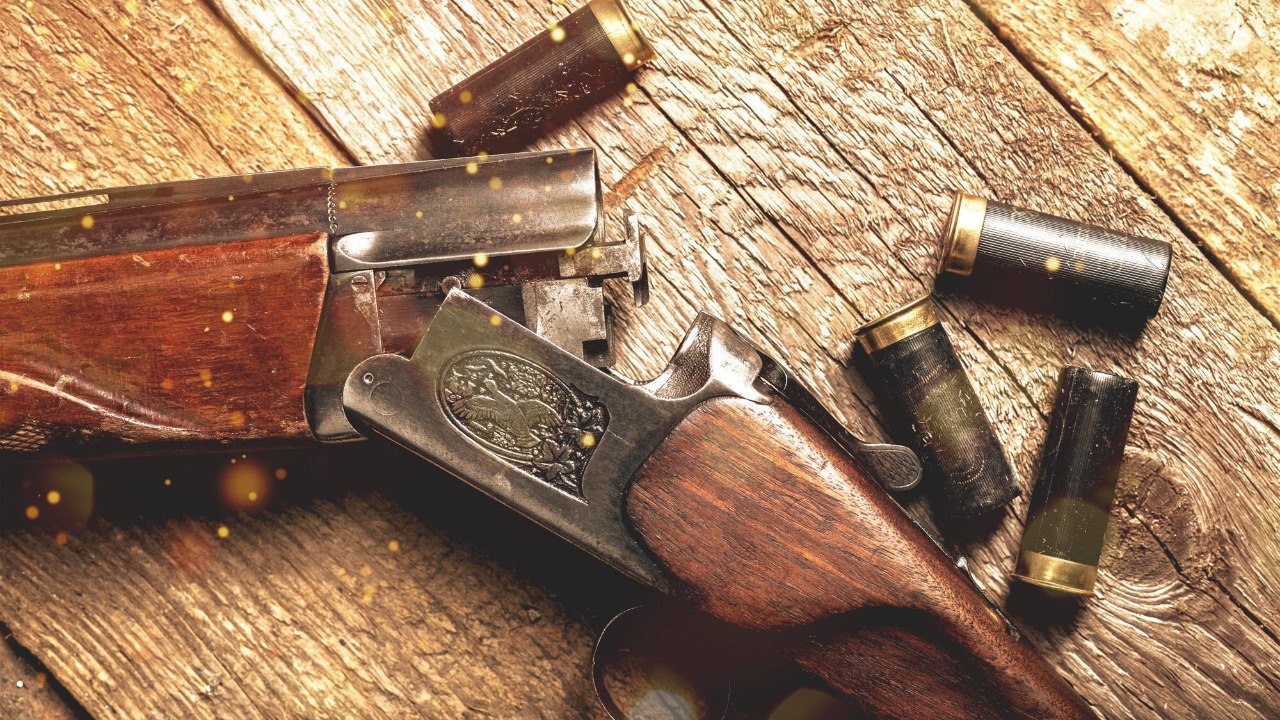
On the ground, everyday practices on colonial frontiers did as much as high politics to normalize firearms. During the colonial times, white settlers in North America were encouraged to hunt, both to feed themselves and because it provided a kind of informal paramilitary training that could be mobilized in local conflicts. Research on gun culture notes that During the early republic, this expectation that men would be competent with muskets and rifles carried over into the newly formed United States, where militia service and civilian marksmanship blurred together. Hunting, in other words, was not just recreation; it was a rehearsal for war that kept firearms close to daily life.
Indigenous communities had their own, distinct relationships with weapons and wildlife that were later disrupted by colonization. In the United States, indigenous populations partly relied on hunting for sustenance, and it was a male-dominated activity that intersected with spiritual and social roles. Scholars describe how United States, the arrival of European firearms altered these practices and became entangled with dispossession and forced assimilation. That history complicates any simple claim that guns were universally symbols of freedom; for many Native communities, they were also tools of conquest, a dual legacy that still shapes how different groups talk about weapons today.
Slavery, Reconstruction, and the geography of fear
Race and forced labor left another deep imprint on firearm attitudes that persists long after formal emancipation. A recent Significance Statement argues that the distinctly American belief that guns keep a person safe was partially formed in the backlash to the abolition of slavery, especially in regions with a history of enslavement. In those areas, white residents were socialized to see armed self-defense as necessary protection against an imagined threat from the people they had formerly enslaved. That fear-based logic, rooted in a specific historical trauma, helps explain why some communities still equate safety with personal arsenals rather than with public institutions.
After the Civil War, that mindset hardened into organized political resistance to disarmament. Elite white Southerners considered the empowerment of the previously enslaved population an existential threat and worked to reassert control, including through armed groups and permissive gun norms in former slave states. Over time, those regions became a base where American gun culture took root most aggressively, not simply because of lax statutes but because firearms were woven into a project of racial hierarchy and political backlash. That legacy still shapes where pro-gun sentiment is strongest and why appeals to “heritage” resonate so powerfully in those areas.
From frontier to identity: guns as selfhood and status
As the United States expanded westward, the frontier layered new meanings onto existing gun traditions. The Right to Bear Arms was not only a constitutional phrase; it became a lived expectation in territories where state authority was thin and violence common. Historical accounts note that The Right to Bear Arms was exercised as settlers carried old guns and acquired new ones, folding firearms into stories of rugged individualism and homesteading. That frontier mythology, amplified later by dime novels and Hollywood, turned the armed citizen into a cultural archetype that outlived the actual frontier.
In the twentieth and twenty-first centuries, marketing and politics fused that archetype with modern identity. Analysts of contemporary culture describe how, in the post-antebellum South, guns were used to re-create strength and were sold as tools that helped owners reclaim a sense of control in a changing society. One study notes that Just as guns were used to project dominance in the past, they are now marketed as extensions of personal identity in contemporary American life. That shift means that for millions of people, firearms are no longer just tools or even rights; they are part of who they believe themselves to be, which makes legal compromise feel like an attack on the self rather than a policy adjustment.
Europe’s long disarmament and a different memory of guns
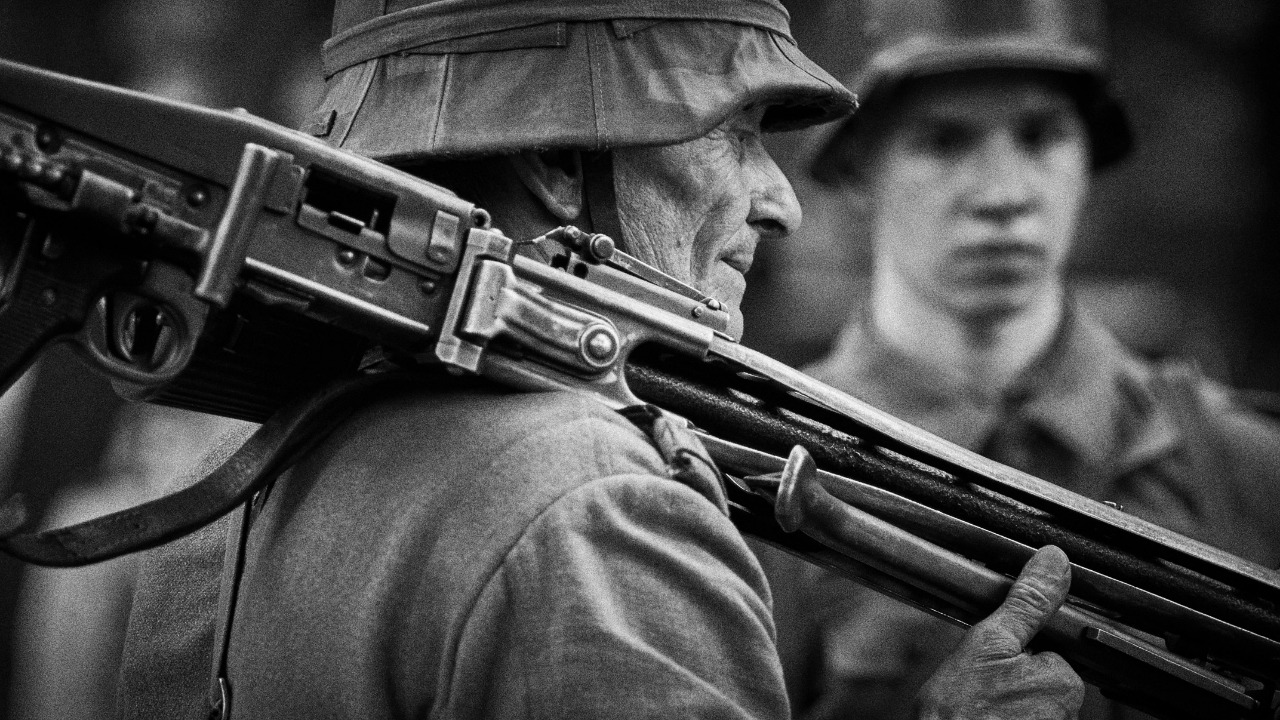
Europe followed a markedly different path, one that helps explain why similar or stricter laws there rest on a less polarized cultural foundation. A major research project is Investigating gun control measures and gun culture’s evolution in Europe, noting that Between the 1870s and the 1970s, Western states experienced a long period in which civilian gun ownership steadily declined. Industrialized warfare, with its mass conscription and mechanized killing, associated weapons less with individual heroism and more with collective trauma. In that context, postwar governments could tighten controls with relatively broad public support, because guns were not central to most people’s sense of citizenship.
At the same time, European empires relied heavily on firearms abroad, which shaped attitudes at home in subtler ways. Historian Priya Satia has shown, in work on Guns and the, how the Empire of Guns depended on British technology and know-how to arm colonial campaigns. That imperial reliance on firepower, largely directed outward, meant that metropolitan publics often associated guns with state power and distant battlefields rather than with personal liberty at home. The result is a cultural memory in which disarmament feels like a return to normal, not a betrayal of national origin stories.
Why similar laws land differently across societies
These historical contrasts help explain why legal reforms can produce divergent reactions even when the text looks similar. Contemporary American gun politics are described as an international outlier, with Contemporary American gun laws far more lax than those of other developed nations, and debates over regulation are tightly bound to signal events of American history. When legislators propose restrictions, opponents often invoke the Revolution, Reconstruction, or the frontier, framing policy as a referendum on those eras. In countries where guns were not central to founding myths, similar proposals are more likely to be treated as technical questions of crime control or public health.
Media narratives reinforce those differences. A recent broadcast on Meet the Press, hosted by Chuck Todd and focused on gun culture in America, highlighted how enthusiasts describe firearms as symbols of autonomy and distrust of government, while critics emphasize mass shootings and community trauma. Both sides reach for history to justify their positions, but they draw on different chapters. In Europe, by contrast, public conversations about weapons more often reference twentieth-century wars and domestic terrorism, which encourages a collective framing of risk and responsibility rather than an individual-rights lens.
Guns as freedom, fear, and everyday normalcy
Across these contexts, the same object carries radically different emotional weight. Today, many Americans see guns as a symbol of freedom from tyranny and credit the Second Amendment for having preserved that freedom, even as a generation of American school children grows up practicing active-shooter drills. That tension, between a romanticized past and a frightening present, is part of why the national conversation feels so stuck. The same historical reference points that make firearms feel protective to some make them feel like a threat to others, especially in communities that have borne the brunt of gun violence.
At the same time, firearms have become mundane consumer goods in ways that blur the line between culture and commerce. In the 21st century, guns remain an ingrained part of American society and culture, and for many, firearms are integral to the principles of self-reliance and personal security. One analysis notes that In the United States, civilian-owned guns now outnumber the firearms held by all the world’s militaries combined, a staggering figure that reflects decades of normalization. When an object is that ubiquitous, it becomes part of the background of daily life, which makes efforts to reframe it as a public health risk an uphill cultural battle, not just a legislative one.
Supporting sources: Causes to Culture:, Unpacking gun culture.

Leo’s been tracking game and tuning gear since he could stand upright. He’s sharp, driven, and knows how to keep things running when conditions turn.