Historic soldiers whose stories grew larger after the war
Some soldiers leave the battlefield only to find that their real fame begins afterward, when peacetime careers, political power, or pop culture turn their service into legend. Their stories grow in the retelling, shaped by memoirs, movies, and national memory until the person and the myth are almost impossible to separate. I want to look at a handful of those figures whose lives in uniform were only the first act of a much larger story.
George Washington, from colonial officer to national symbol
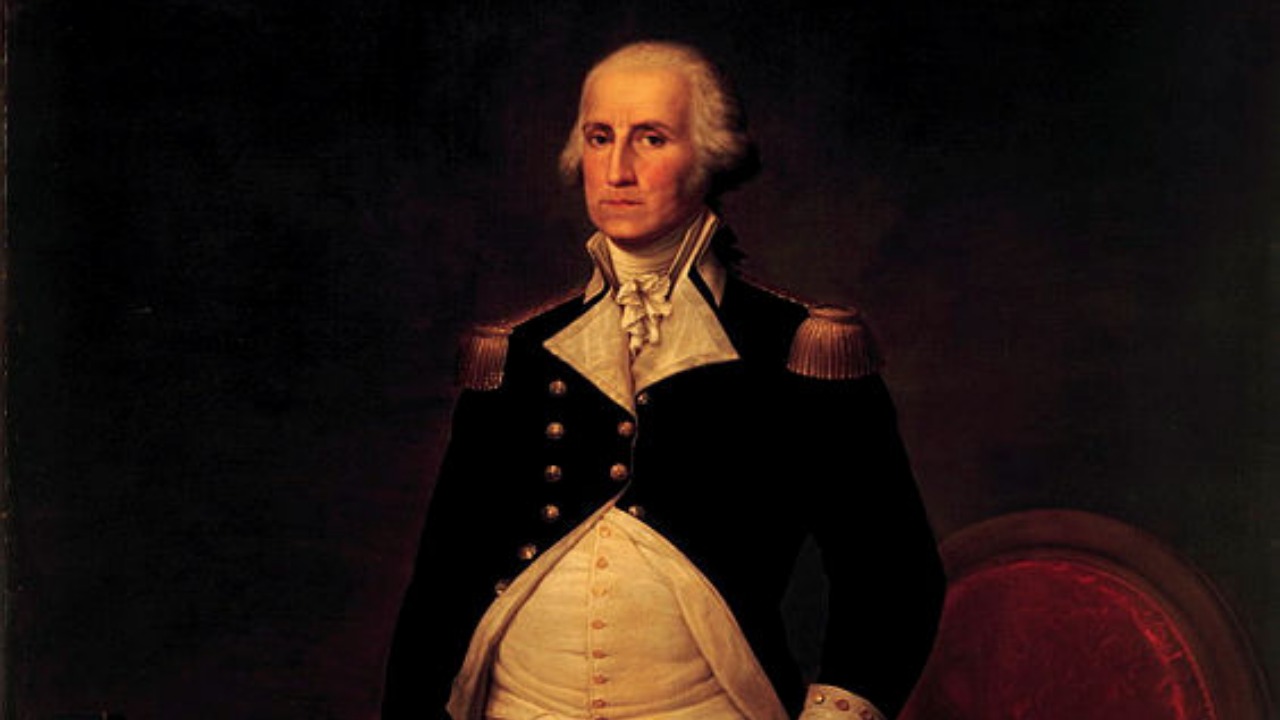
George Washington is the clearest example of a soldier whose reputation expanded far beyond his campaigns. His early military career in the colonial wars and later command of the Continental Army were significant, but it was his role in shaping the new republic that turned him into the “Father of His Country.” As president, he set expectations for civilian control of the military, the peaceful transfer of power, and the idea that a commander could willingly step away from authority, which is why modern discussions of leadership still point back to Washington.
What fascinates me is how his image kept growing after his death. Paintings, monuments, and schoolbook stories polished George Washington into a near-mythic figure, smoothing over battlefield mistakes and political conflicts in favor of a steady, almost superhuman calm. The result is that his military service is remembered less for tactical detail and more as the moral foundation of a new nation, a transformation that shows how a soldier can become a symbol of civic ideals long after the shooting stops.
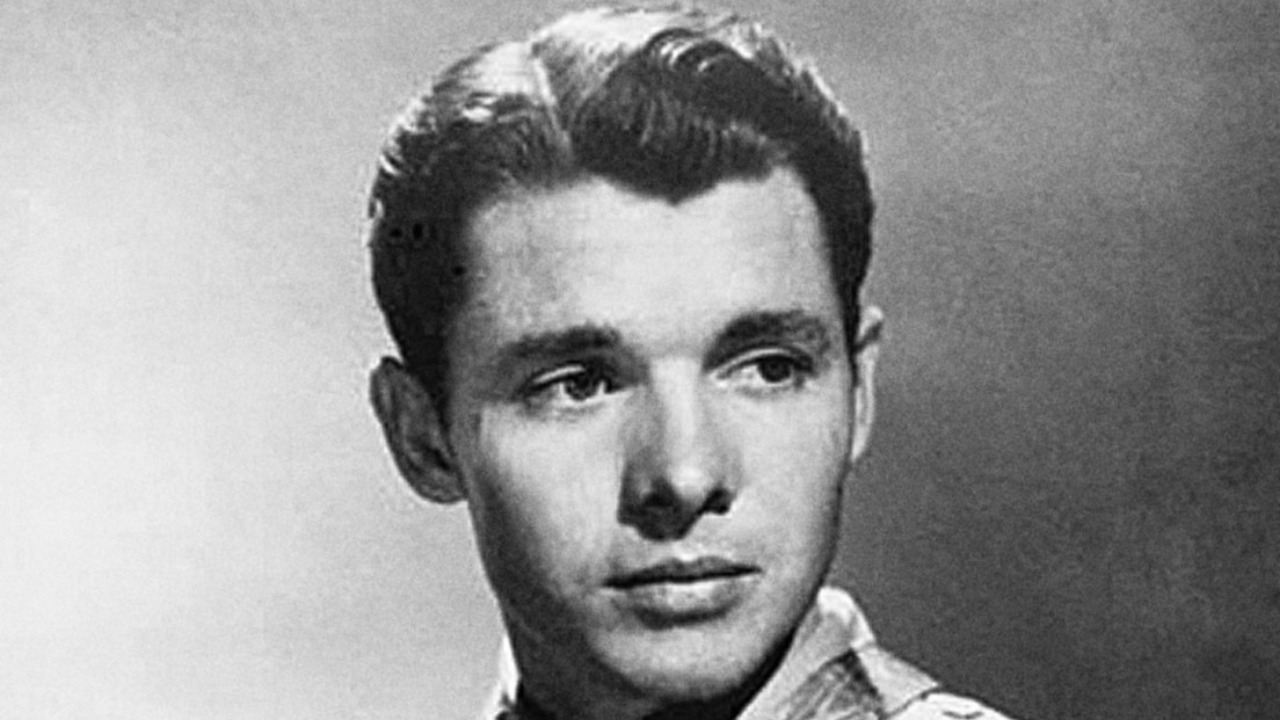
Audie Murphy, reluctant recruit to Hollywood hero
Audie Murphy entered the Army as an undersized teenager who struggled to convince anyone to take him seriously. He tried to join elite units and found that the paratroopers would not accept him, so he, as one account notes, reluctantly settled on the infantry. On paper, he was an unlikely candidate for greatness, a farm boy from Hunt County, Texas, with limited formal education and no powerful patrons to promote his career.
His combat record in Europe changed that, turning him into one of the most decorated American soldiers of World War II and earning him the Medal of Honor. Yet his legend truly exploded after the war, when he moved into acting and portrayed himself in a film about his own exploits. I see that crossover from battlefield to big screen as a turning point: Audie Murphy became a template for the warrior-celebrity, his real courage amplified by Hollywood storytelling, and his struggles with trauma later in life hint at the human cost behind the larger-than-life image.
Richard Byrd, naval officer turned polar icon
Richard Byrd started as a professional officer in the U.S. Navy, trained in navigation and aviation at a time when flight was still relatively new. His military skills gave him the tools to attempt long-range expeditions, but it was his decision to push into the Arctic and Antarctic that turned him into a household name. Accounts of his career describe Richard Byrd as an Arctic explorer and naval aviator who became the first person to fly over both poles, a feat that blended military discipline with scientific ambition.
What strikes me is how his identity shifted from officer to explorer in the public mind. While he remained tied to the Navy, the popular image of Byrd is not of a man in uniform on a warship, but of a pilot braving extreme cold and isolation in the name of discovery. His postwar expeditions, lectures, and writing helped cement that persona, turning a career that began in routine service into a story of human endurance at the edge of the world, and showing how military training can launch a very different kind of fame.
Elvis Presley, drafted star and enduring veteran icon
Elvis Presley entered the Army already famous, a global music sensation whose every move drew attention. His decision to serve as a regular soldier rather than seek special treatment became part of his public narrative, reinforcing the idea that even a major celebrity could answer a draft notice and put on a uniform. Later accounts of Celeb Elvis Presley emphasize that he was far from the only famous person to serve, but his case stands out because he was already a cultural phenomenon when he reported for duty.
In the years after his service, his time in uniform became a recurring reference point in how fans and historians talked about him. Photographs of Elvis in fatigues, stories of his life on base, and the way his military haircut briefly softened his rebellious image all fed into a broader narrative of patriotism and sacrifice. I see his postwar career as proof that military service can become a powerful chapter in a celebrity’s story, reshaping how audiences interpret their art and their personal choices long after they leave the ranks.
From trenches to typewriters, veterans who turned to storytelling
Not every soldier who grows larger in memory does so through politics or entertainment; some do it through the written word. A group of former officers and enlisted men, including figures like Andrew Hamilton and, have used fiction and memoir to revisit their wartime experiences. Descriptions of their work note that some had reached the pinnacle of their careers in other fields, such as acting, politics, or sports, before turning to write about conflict, which suggests that their reputations were already established when they chose to revisit their time in uniform.
I find that shift from battlefield to bookshop especially revealing. By crafting narratives that blend memory and imagination, these veterans invite readers to see war through their eyes, and in doing so they expand their influence beyond the narrow circle of those who served with them. Their stories, whether about camaraderie, fear, or moral ambiguity, help shape how later generations understand combat, and they show that a soldier’s most enduring weapon can sometimes be a pen rather than a rifle.
Leadership lessons that outlive the battlefield
Across these examples, a pattern emerges: the soldiers whose stories grow after the war are the ones whose lives offer lessons that feel useful in peacetime. George Washington is cited not just as a victorious general but as someone who established leadership standards that still shape expectations of public service, which is why modern discussions of civic responsibility continue to reference George Washington by name. Richard Byrd’s polar flights are remembered as examples of planning, risk management, and resilience, qualities that resonate in fields far removed from ice and snow.
At the same time, figures like Audie Murphy and Elvis Presley show how fame can magnify or distort those lessons. Murphy’s decorations and later film career turned him into a symbol of courage, but they also risked simplifying the psychological toll of combat into a neat narrative arc. Presley’s service is often framed as proof of humility and duty, even though his experience as a drafted superstar was unlike that of most conscripts. When I look at these stories together, I see a reminder that the way we remember soldiers after the war says as much about our civilian values and anxieties as it does about what actually happened on the battlefield.

Leo’s been tracking game and tuning gear since he could stand upright. He’s sharp, driven, and knows how to keep things running when conditions turn.