15 Cartridge choices that matter more after the shot than before
Most shooters obsess over ballistics charts before they ever pull the trigger. The cartridges on this list matter more after the shot, when casings, fragments, and legal questions start stacking up. If you care about forensics, liability, and long-term impact on land and wildlife, the way these rounds behave after impact should shape what you load today.
1. Ejected Casing Markings
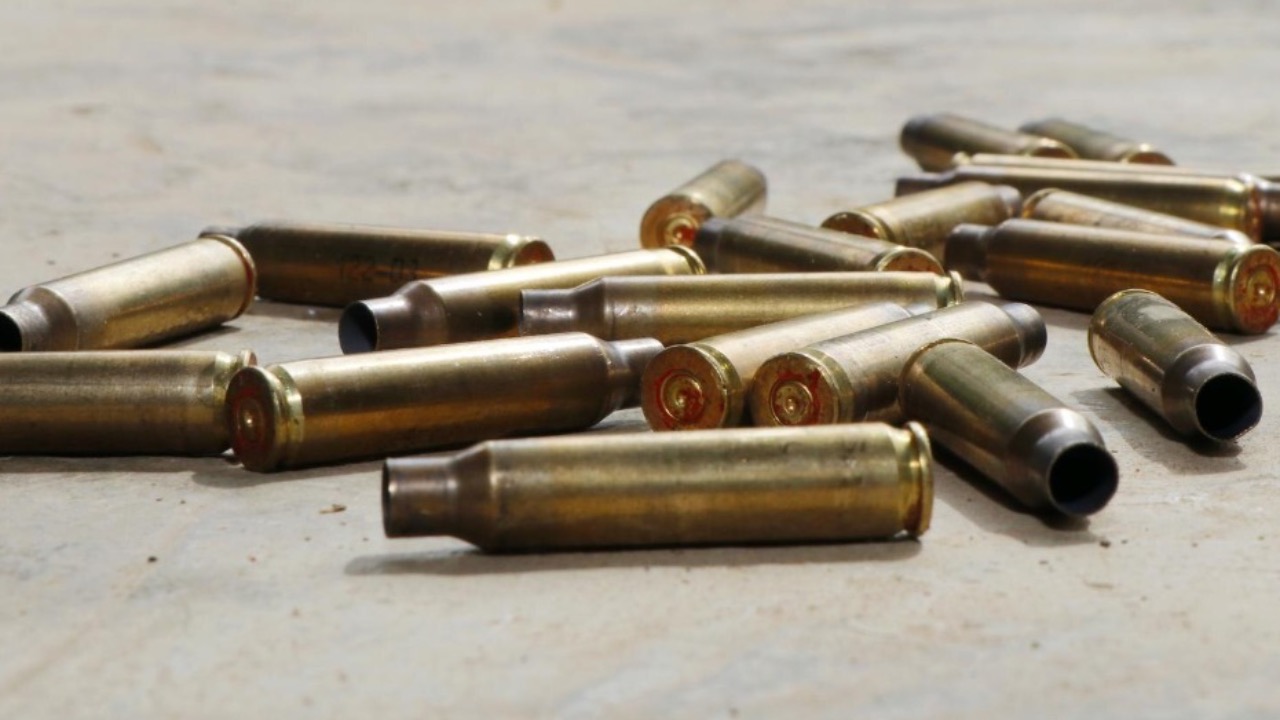
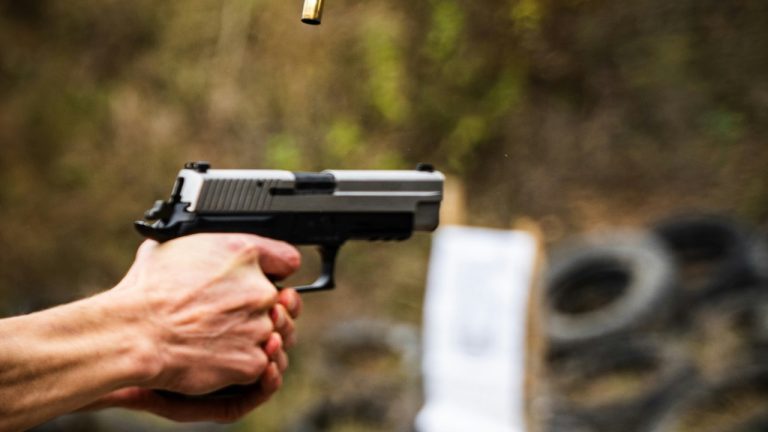
Ejected casing markings turn every fired cartridge into a calling card. According to the ATF ballistics guide, breech faces, firing pins, and extractors leave microscopic tool marks that are specific to a single firearm. After a shooting, those marks let examiners match recovered brass to a gun, even if the weapon is found months later.
That reality should influence how I think about “anonymous” shooting. Semi-autos that scatter brass around a scene create a detailed trail for investigators, while revolvers that retain cases leave far less to work with. Either way, cartridge choice and gun design shape how much forensic evidence hangs in the air after the last shot.
2. Lingering Lead Contamination
Lingering lead contamination is one of the most overlooked after-effects of pulling the trigger. The EPA report on lead notes that bullet fragments and dust can persist in soil and water for years, where they are ingested by birds, scavengers, and eventually predators. Gut piles and unrecovered game concentrate that exposure on the landscape.
For hunters, that means a single box of traditional soft points can keep working on a local eagle or coyote long after the season closes. On public ranges, heavy use of lead-core cartridges builds up contamination that land managers eventually have to remediate. Cartridge construction, not just accuracy, decides how clean your favorite spot stays.
3. Reloading Failure Risks
Reloaded cartridges carry risks that usually show up after the first bang. The NRA reloading manual warns that inconsistent powder charges, weak crimps, and fatigued brass all raise the odds of case head separation, squibs, or split necks under repeated stress. Those failures often appear in follow-up shots, not the first round of a string.
On the range, a bad handload can lock up a gun or bulge a barrel, ending the session. In a defensive or hunting context, a misfire or stuck case after the first shot can cost a life or a trophy animal. The lesson is simple: the quality of your reloads decides whether the second and third shots are even possible.
4. Polymer Residue Challenges
Polymer-cased ammo changes what is left behind at a scene. According to an FBI forensics study, these cases shed non-metallic fragments that do not respond to standard metal detection and can be harder to photograph and recover. The residue pattern looks different from traditional brass or steel cases.
For investigators, that complicates everything from crime scene sweeps to lab comparison, since the usual magnetic and visual searches miss some debris. For shooters, polymer cases can mean lighter carry weight and cooler chambers, but they also alter the forensic footprint, which matters if a prosecutor later reconstructs exactly what happened.
5. Subsonic Overpenetration Hazards
Subsonic cartridges are marketed for quiet work, but their behavior after impact can be tricky. A SWAT training bulletin notes that slower, heavier bullets often stay intact and can punch through interior walls, doors, or car panels with surprising authority in urban settings. The reduced crack does not mean reduced risk.
Inside houses or apartments, that extra penetration can carry rounds into rooms you never intended to threaten. Suppressed carbines running subsonic loads may be comfortable on the ears, yet they demand more discipline on backstops and angles. Cartridge choice here is really a decision about what happens in the next room, not at the muzzle.
6. Steel-Core Penetration Issues
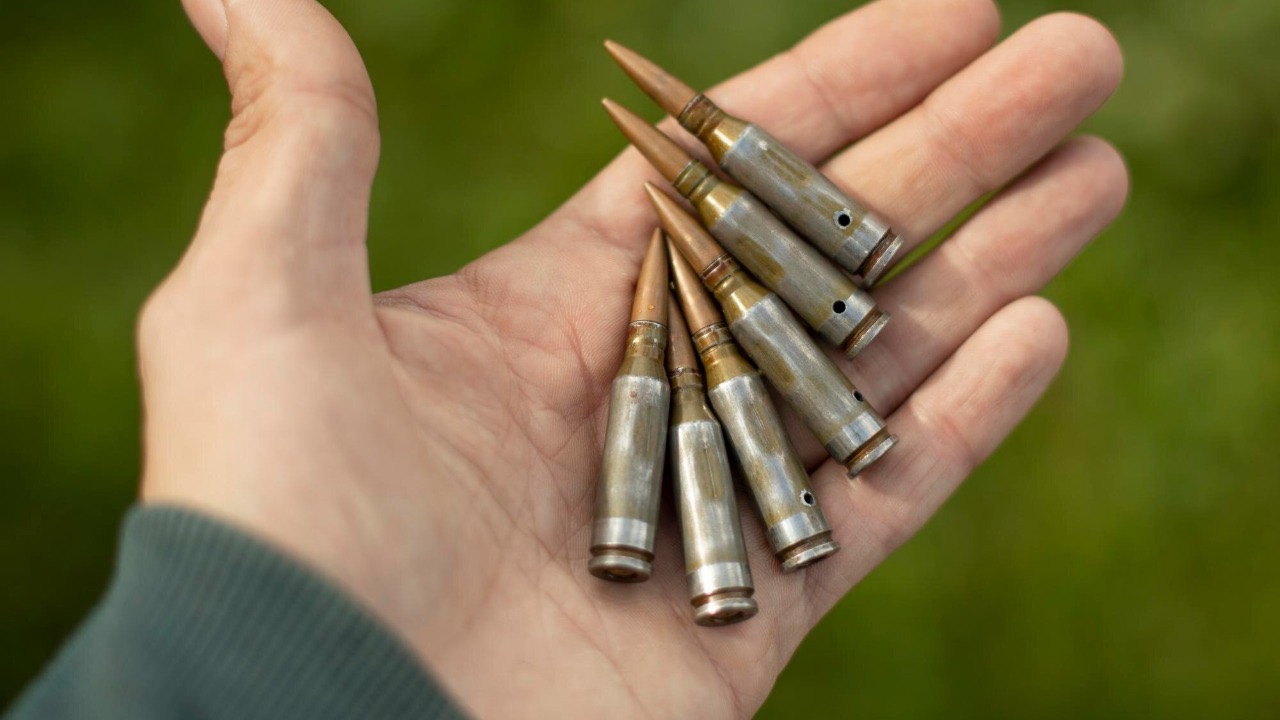
Steel-core bullets are built to defeat barriers, and that has serious consequences once they are used. The NIJ armor standards show that common soft body armor is rated for lead-core handgun threats, not hardened steel penetrators that behave more like rifle rounds on impact.
In a self-defense shooting, a steel-core projectile that zips through armor, walls, or vehicles can raise hard questions about necessity and proportionality. For law enforcement and private citizens alike, loading these cartridges means accepting a higher chance of through-and-through wounds and collateral damage, which courts and investigators will scrutinize closely afterward.
7. Frangible Fragmentation Effects
Frangible rounds are designed to come apart, and their real story starts at impact. According to a military ammunition review, sintered projectiles break into small particles when they hit hard surfaces, which dramatically reduces ricochet risk on steel targets and in shoot houses.
Inside soft tissue, however, that same fragmentation can create a wide, shallow wound channel with many small tracks. Trainers like them for close-quarters work because they protect bystanders from bounce-back, but the internal damage profile and limited penetration can complicate both medical treatment and forensic reconstruction of bullet paths after a shooting.
8. +P Pressure Wear
+P ammunition runs hotter than standard loads, and the bill comes due over time. SAAMI pressure specs document that these cartridges operate at elevated chamber pressures, which erode rifling, batter locking lugs, and accelerate throat erosion compared with standard-pressure rounds.
That wear does not show up on the first magazine, but after hundreds of rounds the barrel and action tell the story. For a carry gun, using +P sparingly for function checks and carry, while training with milder loads, can stretch service life. The cartridge you pick today shapes how that pistol shoots five years from now.
9. Tracer Visibility Drawbacks
Tracer rounds are dramatic in flight, and that visibility cuts both ways. The U.S. Army field manual notes that burning tracer compounds leave a bright streak for up to several seconds, which lets friendly shooters walk fire onto a target but also points directly back to their position.
On a dark range or battlefield, that glowing arc can expose firing points, vehicles, or overwatch nests to anyone watching. Tracers also carry a higher fire risk when they land in dry grass or timber. The decision to load them is really a decision about how much of your story you want written across the sky.
10. Hollow-Point Expansion Dynamics
Hollow-point bullets are engineered to change shape after impact, and that transformation drives both performance and scrutiny. Research in the Journal of Forensic Sciences shows that controlled expansion increases frontal area, slows the projectile, and transfers more energy in a shorter distance than comparable full metal jackets.
For defensive use, that can reduce overpenetration and keep rounds inside the intended target, which is exactly what many agencies want. At the same time, the distinctive mushroomed bullets recovered in autopsies and crime scenes become key evidence in reconstructing angles, distances, and intent when investigators piece together what happened.
11. Rimfire Misfire Frequency
Rimfire cartridges like .22 Long Rifle are famous for low cost, but their reliability curve looks different after repeated firing. Data from the Ammo Manufacturers Association reports misfire rates approaching 5 percent in some bulk lots during rapid-fire testing, largely due to inconsistent priming compound distribution in the rim.
On a plinking line, a dud is an annoyance. In pest control or survival roles, a click instead of a bang on a follow-up shot can mean a wounded animal or lost opportunity. That is why many instructors treat rimfire as a training and small-game tool, not a primary choice where second-shot certainty really matters.
12. Magnum Recoil Fatigue
Magnum loads earn their name in recoil as much as velocity, and that recoil reshapes performance over a string of shots. Testing summarized in Shooting Sports USA shows that heavy magnum revolvers and rifles produce more shooter fatigue and slower split times than moderate cartridges, especially as round counts climb.
On the bench, that can mean flinching and pulled shots after a few groups. In the field, a punishing first shot may leave you slower and less precise on a necessary follow-up. Choosing a cartridge you can shoot well for five rounds in a row often matters more than raw energy on the first trigger press.
13. Copper Bullet Cost Premium
Non-toxic copper bullets change the environmental story long after impact, but they hit the wallet first. A Fish and Wildlife Service report notes that all-copper hunting rounds typically cost two to three times more per cartridge, often adding $0.50 to $1.00 compared with similar lead-core options.
Once fired, though, those monolithic bullets avoid the lead fragment clouds that poison scavengers and contaminate gut piles. Several western states now encourage or require them in sensitive habitats. For hunters who return to the same wintering grounds year after year, that higher upfront cost buys cleaner soil, healthier raptors, and fewer regulatory headaches down the road.
14. Birdshot Range Limitations
Birdshot behaves very differently once it leaves the muzzle, and its limitations show up fast. The Defensive firearms guide points out that typical birdshot loads lose pattern density and penetration rapidly beyond about 30 yards, where pellets spread wide and lack the energy to reach vital organs reliably.
Inside that range on small game, birdshot is effective and minimizes overtravel. As a defensive load against human threats, especially beyond room distance, it can fail to stop determined attackers while still endangering bystanders with stray pellets. The cartridge that is perfect for quail fields can be a poor choice once the shot is about stopping a fight.
15. AP Cartridge Legal Restrictions
Armor-piercing cartridges carry legal baggage that really kicks in after they are fired or found. Under 18 U.S.C. § 921, many AP handgun rounds are federally restricted for civilian use, and manufacturers mark them with specific engravings and identifiers that aid tracing by regulators and investigators.
If those rounds turn up at a crime scene or during an investigation, their status can elevate charges and penalties, even before anyone analyzes terminal performance. For civilians, choosing to possess or use AP ammunition is less a ballistic decision than a legal one, with consequences that can last far longer than any shot string.

Asher was raised in the woods and on the water, and it shows. He’s logged more hours behind a rifle and under a heavy pack than most men twice his age.