The months coyotes cause the most problems near homes
Coyotes are part of the background noise of modern suburbia, trotting powerline cuts and drainage ditches while most people sleep. Problems start when their seasonal rhythms line up with our habits, pulling them out of the shadows and into backyards, dog parks, and schoolyards. To keep pets and kids safe, you need to know which months crank up that risk and what is actually driving those close encounters.
Across North America, coyote behavior follows a pretty reliable calendar: breeding in late winter, denning in spring, dispersal in fall, and hungry roaming whenever food gets scarce. The months that cause the most trouble near homes are the ones when hormones, pups, and easy human food overlap, and that pattern is far more predictable than most people realize.
How the coyote year sets up trouble around homes
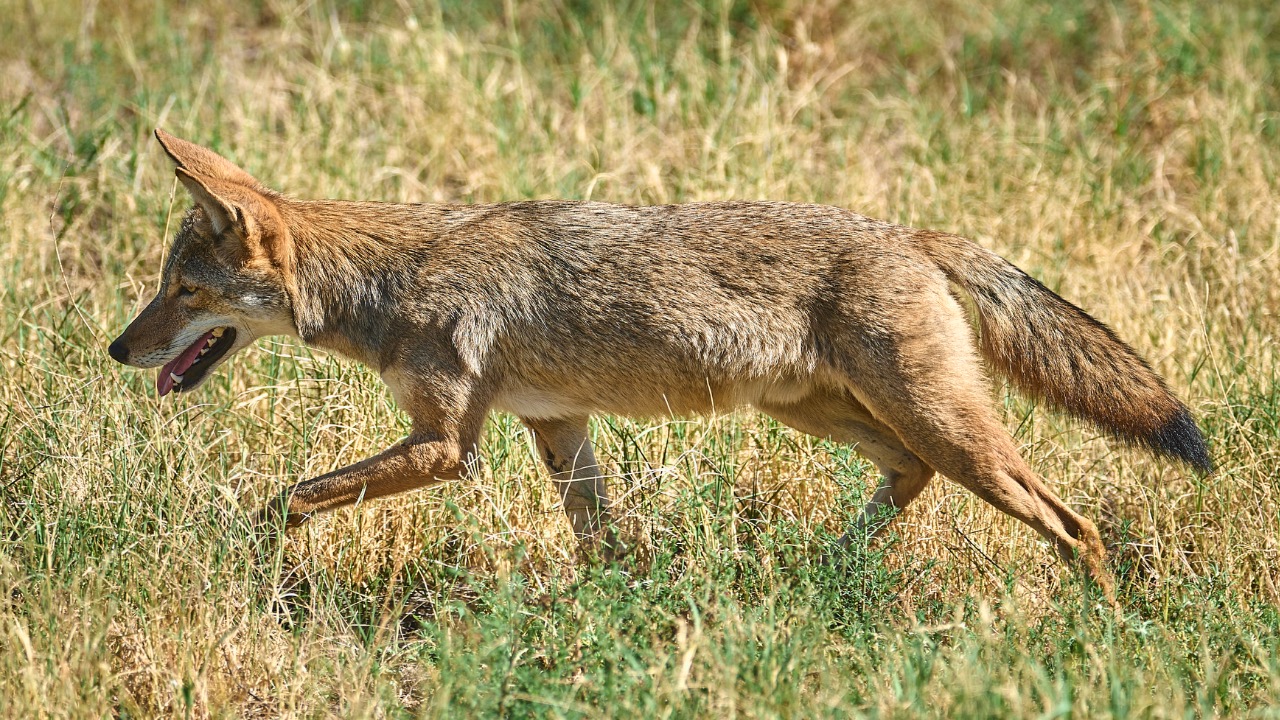
Every conflict I have ever seen between people and coyotes starts with the animal’s annual cycle, not with some sudden change in personality. The year for a typical Coyote pair is built around breeding, raising pups, and then pushing those pups out, and each phase changes how bold they are around neighborhoods. When adults are pairing up and defending turf, they roam more and stand their ground more. When they are feeding pups, they zero in on the easiest calories they can find, which often means garbage cans, compost, and outdoor pet food.
Biologists describe coyote mating season as running from January into early March, with many Coyotes expanding their home ranges during that window to find partners and prepare territory before pups arrive, which is exactly when people start noticing them cutting across cul-de-sacs and greenbelts more often than usual, according to Jan reports. Later in the year, those same adults shift into a defensive mode around dens and rendezvous sites, and by late fall the young of the year are dispersing, which spikes sightings again as inexperienced animals test the edges of suburbia.
Late winter: mating season and the first big spike in yard encounters
If you had to circle one stretch on the calendar when coyotes are most likely to cause headaches near homes, it would be late winter. As snow crusts over and natural prey gets harder to catch, adults are also locked into breeding behavior, which means they travel more, vocalize more, and are more willing to push into developed areas. That is why so many homeowners suddenly feel like coyotes have “shown up” in January, even though the animals have been there all along.
Wildlife agencies consistently point to January and February as the core of the mating window, with one community alert flatly warning that January and February are Coyote mating months and urging pet owners to be especially careful during that time, a message shared through a Jan alert. In coastal Southern California, city officials describe breeding season as typically running from late January to March and note that breeding season peaks in late February, when adults are the hungriest and most aggressive, a pattern highlighted in a Jan bulletin. Put simply, if you are going to tighten up your routine for a couple of months, late winter is when it pays off the most.
Early spring through early summer: denning season and defensive adults
Once breeding wraps up, the next risky stretch for homeowners starts quietly. Adults pick den sites in brushy banks, vacant lots, and overgrown corners of parks, often closer to houses than people realize. For a while, you may not see much at all, because the adults are running tight, efficient routes between hunting spots and the den. The problems start when pups are big enough to move around and the adults feel the need to defend that ground.
Wildlife managers in Idaho warn that the Risk of coyote-dog conflicts increases between February and June, as coyotes move from mating into denning and then pup rearing, and they specifically flag that period as one when homeowners and recreationists need to be more careful with pets, according to a February and June. In Southern California, local reporting notes that Coyotes mate between January and March, then den their pups from April to August until the young are old enough to join in on foraging, which stretches that higher risk window well into summer and has led officials to urge people to use non-retractable leashes and keep their pets close, as detailed in coverage of January and March. During this phase, coyotes are not roaming aimlessly, they are guarding a nursery, and they will sometimes escort or bluff-charge dogs that wander too close.
Late summer and fall: dispersal, thin cover, and more daytime sightings
By late summer and into fall, the family unit starts to break up. Pups that survived their first months begin to disperse, looking for their own territories, and that is when you see lanky, unsure coyotes trotting down sidewalks in broad daylight. These young animals are still learning what to fear and where to find food, which can pull them right into the heart of subdivisions, golf courses, and school grounds.
One wildlife agency in the National Capital Region notes that in Oct they are seeing coyotes more frequently because their cover is not as good as it is during the summer and early fall, and they describe fall as “coyote season” in part because vegetation has thinned and the animals are more visible, a point shared in an Oct update. Another community post explains that as density keeps increasing you will see fewer of them, coyotes, but more often, because Their hiding spots are vanishing as development fills in open space, a pattern described by residents in a north county discussion. Put together, it means that late summer and fall bring a second wave of neighborhood sightings, driven less by hormones and more by inexperience and shrinking cover.
Why late fall into winter feels like “coyote season” in the suburbs
Ask most homeowners when they notice coyotes the most, and they will usually say late fall into winter. Part of that is simply visibility: leaves are down, grass is short, and a tan dog-shaped animal stands out against frost and snow. But there is more going on than optics. As temperatures drop, natural prey like rodents and rabbits get harder to catch, and coyotes start working harder and traveling farther to fill the tank.
One community wildlife group points out that Late fall into winter coyote activity increases as the pups leave their family unit and breeding season begins, and they warn that the next 4 to 6 weeks after that shift are especially active, which is when they stress protecting dogs from coyote attacks and remind people to NEVER feed coyotes and to secure garbage and compost in animal-proof containers, advice shared in a Dec post. A separate analysis of seasonal behavior notes that as winter comes on, coyotes are more active and can be more dangerous to family pets than humans, especially when they are hungry and natural food is scarce, a pattern described in a Winter overview. That combination of dispersing young, lean adults, and thin cover is why November through February often feels like one long coyote month for people living near greenbelts and farm edges.
How urban growth and regional differences shape “problem months”
Not every neighborhood experiences the same peak months, and a lot of that comes down to how the local landscape has changed. As subdivisions push into farm fields and scrub, coyotes lose some of their traditional hiding cover but gain a buffet of trash, fruit trees, and small pets. They adapt quickly, shifting their movements to use drainage corridors, railroad rights of way, and even freeway medians as travel routes that lead straight into town.
In New Jersey, wildlife officials note that Eastern coyotes differ from their western counterparts with a larger average size and various color phases, including blonde and black, and they point out that these Eastern animals are well established in their environment and raise pups in the spring and summer, which shapes when people see them most often around homes, according to an Oct briefing. In fast-growing suburbs, residents have noticed that as density keeps increasing, they see fewer coyotes overall but more frequent individual encounters because the animals’ hiding spots are shrinking, a pattern that matches what People have reported when They describe Coyotes as looking “starving” even though biologists explain that thin, scrawny, and lithe bodies are normal for the species, as discussed in a Sep community thread. The takeaway is that development can compress coyote movements into tighter corridors, which makes their seasonal peaks feel sharper in the neighborhoods that sit along those routes.
Why pets face the most risk, even when attacks are rare
For all the fear around coyotes, direct attacks on people remain rare. The real flashpoint is pets, especially small dogs and outdoor cats, which fall right into the size range of natural prey. Coyotes are opportunistic, and when they are moving more during mating or denning season, they are more likely to cross paths with a loose dog or a cat hunting at dusk. That is why most wildlife guidance focuses on how to manage pets during the busy months rather than stoking fear about human safety.
Humane groups stress that Protecting dogs starts with supervision and leashes, and they warn that it is important to never let your dog interact or play with a coyote, while also urging people to keep Pet food and water indoors so they do not attract wild visitors, advice laid out in a Protecting guide. State wildlife officials in New York echo that Conflicts between Dogs and coyotes can happen any time of year, but they are more likely when dogs are off leash and roaming into coyote space, and they recommend keeping dogs close and using hazing techniques to deter bold animals, guidance summarized in a Dogs advisory. The pattern that emerges from all of this is clear: the months when coyotes are busiest are also the months when a loose pet is most likely to get into trouble.
Why you are suddenly seeing more coyotes in your neighborhood
When neighbors start swapping coyote photos in the group chat, it is usually a sign that seasonal behavior has bumped into human routine. Longer dog walks in the evening, kids staying out later after school, and more people jogging at dawn all overlap with the crepuscular peaks in coyote activity. Add in a few overflowing trash cans or a backyard that doubles as a buffet of fallen fruit, and you have a recipe for regular sightings.
Recent reporting has pointed out that if you have noticed more coyotes than usual in your neighborhood, it is likely tied to a mix of breeding season movement, young animals dispersing, and easy access to human food, and it lays out what to do if you encounter them, including making yourself look big, making noise, and removing attractants, as explained in a Jan neighborhood piece. Another seasonal overview notes that as winter sets in, coyotes may expand their home ranges and become more visible in residential areas while they search for food and prepare territory before pups arrive, a pattern described in a Quick Take on. When you line those factors up on a calendar, the spikes in neighborhood sightings stop looking random and start looking like clockwork.
Practical month‑by‑month habits that actually work
Knowing when coyotes are most active around homes does not help much if you do not change anything about how you live with them. The good news is that the same handful of habits go a long way, and you can dial them up or down depending on the month. In late winter, when mating is in full swing, that means shorter, leashed walks after dark, no unattended pets in the yard, and a hard rule against feeding wildlife. In spring and early summer, when dens are active, it means steering clear of thick brush where adults might be holed up with pups and giving any coyote that seems to be “escorting” you and your dog plenty of space.

Leo’s been tracking game and tuning gear since he could stand upright. He’s sharp, driven, and knows how to keep things running when conditions turn.