Why bear encounters are increasing in unexpected regions
Across North America and parts of Asia, bears are showing up in places where people never expected to see them: supermarket parking lots, suburban cul-de-sacs, even near airports. The result is a sharp rise in close calls and attacks that feel random until you look at the patterns behind them. I want to walk through those patterns, because once you understand why encounters are climbing in these “safe” zones, you can start to lower the odds of a bad outcome for both people and bears.
The short version is that we have more bears, more people living and playing in bear country, and less natural food on the landscape in some years. That combination is pushing animals out of the deep woods and into edge habitat, farm fields, and neighborhoods. From the San Gabriel Mountains to rural Japan, the same forces keep popping up: easy calories, shrinking fear of humans, and a landscape that now mixes wild country with human infrastructure almost everywhere.
More bears and more people sharing the same ground
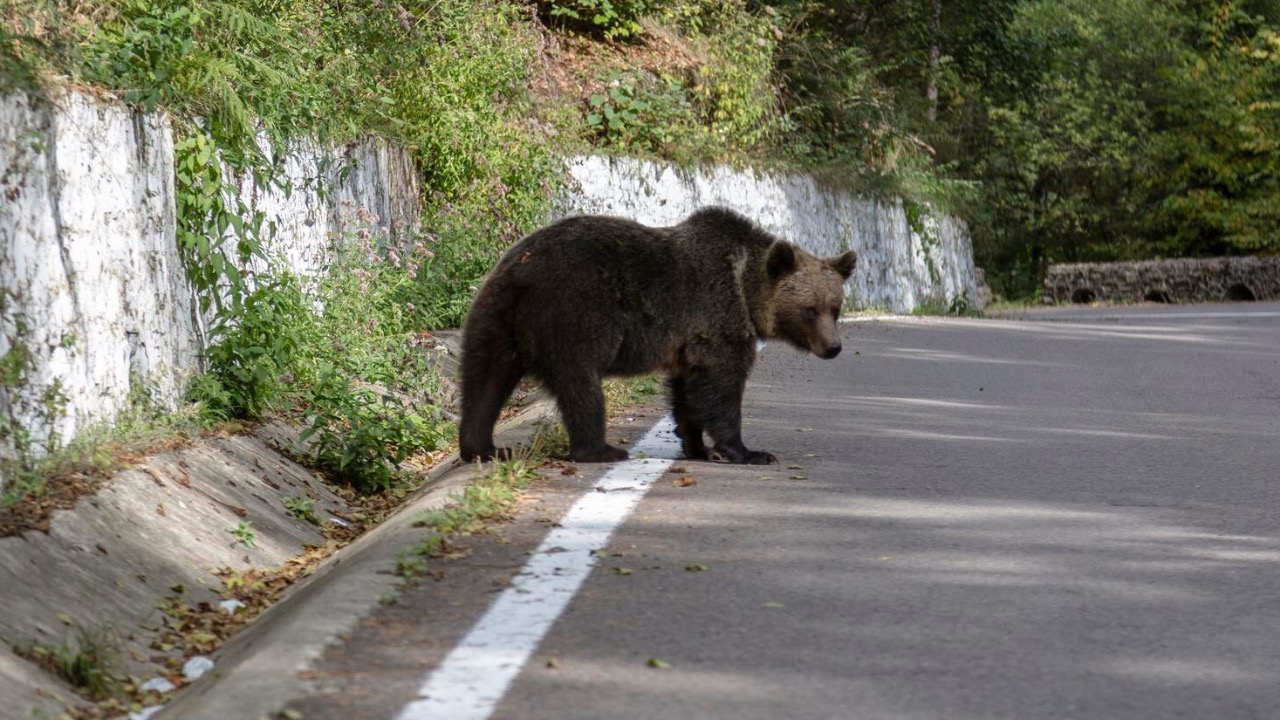
The first piece of this puzzle is simple math. In a lot of regions, bear numbers are up at the same time that human development is pushing deeper into wild country. In the Lower 48, wildlife managers estimate there are around “2,000 g” grizzly bears, with “Approximately, 1,030” of those in the core “Yellowstone Grizzly Bea” ecosystem, and that growing population has translated into more encounters on trails and roads as the animals expand into historic range that now includes ranches, campgrounds, and small towns linked to Currently. At the same time, black bears have rebounded dramatically after decades of protection and habitat work, so there are simply more bears on the landscape than most people alive today remember.
California is a good example of how that rebound plays out on the ground. One regional estimate puts the state’s black bear population at “65,405” animals, with a plausible range from “49,549” to “80,935” according to the “Black Bear Conservation Plan”, and that surge has coincided with more sightings in foothill towns and mountain suburbs that used to see bears only rarely linked to Jun. When you add in the fact that many Americans now live, recreate, or vacation in what used to be remote bear habitat, you get a crowded overlap zone where chance meetings are no longer rare accidents but a regular part of life in the woods and at the edge of town.
Suburbs at the forest edge: San Gabriel Mountains to Smokies
One reason encounters feel “new” is that they are happening on streets and driveways, not just on backcountry trails. In foothill communities at the base of the San Gabriel Mountains, residents have watched a black bear stroll past manicured lawns and parked cars, a scene that has become common enough that a UCLA expert felt compelled to explain how neighborhoods can respond to a rise in black bear encounters linked to Given. The driver is not mystery or malice, it is food. Bears that discover unsecured trash, pet food, or fruit trees in these fringe neighborhoods quickly learn that people equal calories, and they start to treat streets as travel corridors instead of barriers.
In the Southeast, the same pattern shows up around Great Smoky Mountains National Park, where black bears move freely between protected forest and nearby cabins and campgrounds. Park staff warn that “Garbage and Food Scraps Kill Bears” because a bear that learns to raid dumpsters and coolers becomes bolder around people, which often ends with the animal being euthanized or poached once it turns into an easy target linked to Garbage and Food. I have seen that progression firsthand in mountain towns: a shy bear at the tree line one summer, a dumpster diver behind the grocery store the next, and then a “problem bear” that has to be removed after bluff charges in a campground.
Japan’s surge in attacks shows how fast things can change
If you want to see how quickly bear encounters can go from rare to national concern, look at Japan. Over the past year, there have been enough attacks and close calls that the United States issued an unusual warning to travelers after “Bears” were spotted near schools, in supermarkets, and even close to “Iwate Hanamaki Airport”, with “Experts” pointing to an aging rural population and changes in land use that leave more abandoned fields and orchards for bears to roam through linked to Nov. Those same experts note that as younger people leave the countryside, there are fewer hunters and farmers on the land to haze or harvest bears, which lets the animals push closer to villages and small cities.
“Here” is where climate and food supply enter the story. “According” to public broadcaster “NHK”, poor acorn and nut crops in northern “Japan” have driven hungry bears into lowlands in search of food, and biologists say that “In years when natural food” fails, bears are more likely to test human spaces, from rice paddies to backyards linked to Where. A video report from rural “Japan” describes a dramatic rise in encounters in places where people once felt completely safe, and locals talk about changing daily routines, from walking to school to working in the woods, because they now expect to see bears near homes and logging roads linked to Japan. That is the same kind of shift I hear from hunters and hikers in the Rockies when grizzlies recolonize a drainage that had been bear free for decades.
Climate, food failures, and bears that do not hibernate on time
Climate change is not the only factor in rising encounters, but it is a big one in some regions. In parts of Japan, “There” is evidence that warmer winters tied to the climate crisis are delaying hibernation, which keeps bears active longer into the season when crops are harvested and people are still working outdoors linked to Oct. When you combine that with failed nut crops, you get hungry animals roaming through snowless hillsides and down into villages at a time of year when they would normally be denned up and out of sight.
Similar dynamics show up in mountain ecosystems elsewhere. When berry crops crash or mast fails in a dry year, bears that would usually stay high and wild follow their noses downhill to orchards, cornfields, and eventually trash cans. A report on human bear conflicts notes that “Human-bear conflicts, which include” everything from food-conditioned campground bears to fatal attacks, tend to spike in years when natural food is scarce, and managers are still debating whether the recent uptick in deadly incidents is a long term “Trend” or “Just” a “Coincidence” linked to Bear Attack Fatalities. From where I sit, the pattern is clear enough: when the woods do not feed bears, they go looking for calories in our world instead.
Human behavior is training bears to cross the line
Even in years with good natural food, our habits are teaching bears that people are worth investigating. A national safety advisory points out that “Why” this trend is so concerning is not that bears have suddenly become more aggressive, but that “Experts” see more animals moving into residential areas in search of food or territory as development fragments their habitat linked to Experts. Every time a bear gets a free meal from a trash can, bird feeder, or cooler, it learns that human scent is not something to avoid, it is a signal that food is nearby.
That is why groups like BearWise hammer on the basics: lock up garbage, clean grills, feed pets indoors, and secure livestock feed. Their guidance is blunt that a fed bear is often a dead bear, because once an animal is fully food conditioned, relocation rarely works for long. I have watched that cycle play out in Western towns where the same sow and cubs hit unsecured dumpsters all summer, then end up being trapped and killed after a close call with a child. The tragedy is that it usually starts with something as small as a bird feeder or a bag of dog food left on a porch.
Early summer spikes and the “edge” of bear country
Season matters too. A detailed breakdown of seasonal patterns notes that “There” are more people in bear country in early summer, and “Today” most “Americans” either live in, recreate in, or travel to places that bears call home, which means more hikers, campers, and anglers moving through the animals’ core habitat right when bears are most active and hungry after hibernation linked to There. That same analysis points out that black bears once roamed coast to coast, were pushed back by European settlement, and are now reclaiming old ground thanks to conservation, which is why there are established populations in at least 40 states and frequent sightings in several more.
As those bears move back into historic range, they are meeting people who never grew up with them. A national survey notes that “The vast majority of Americans” will only ever see a bear on a screen, and when they do meet one in person, they often freeze, film, or try to get closer instead of backing away and giving the animal space linked to Aug. That mismatch between wild behavior and human expectations is exactly what turns a routine roadside sighting into a dangerous standoff when someone steps out of the car for a selfie with a sow and cubs.
Japan’s carcass crisis and what it signals for the rest of us
Back in Japan, the response to rising encounters shows what happens when a country scrambles to catch up. “The Environment Ministry” has reported a surge in bear control cases and says the spike is tied to animals frequently appearing in residential areas amid recent food shortages and population growth, which has left officials struggling to dispose of roughly 6,000 carcasses from culled bears linked to The Environment Ministry. That is not a sustainable management strategy, it is a sign that the system failed to keep bears wild and wary before conflicts escalated.
Elsewhere in Asia, similar pressures are pushing brown bears into new areas. A report on a fatal attack in Nepal notes that the “New York Times” has documented rising bear incidents in “Japan” as part of a broader pattern of large carnivores moving into human dominated landscapes where traditional buffer zones have broken down, leaving urban residents exposed to “ursine intruders” that used to be held at arm’s length by active farming and herding communities linked to New York Times. For hunters and hikers in North America, that is a warning shot: if we let bears become regulars in our neighborhoods without changing how we store food and manage habitat, we could end up in the same kill trap, destroying the very wildlife recovery we worked so hard to achieve.
Everyday attractants: bird feeders, trash, and backyard habits
Most people picture a bear encounter happening deep in the woods, but a lot of the risk starts in the backyard. A practical guide on yard wildlife points out that “While” bird feeders can bring in songbirds, they also attract raccoons, deer, and bears, which quickly learn that a suburban yard can be a reliable food source if seed and suet are available year round linked to While. Once a bear has climbed onto a deck for sunflower seeds, it is a short step to checking the grill, the garbage can, and the garage freezer.

Asher was raised in the woods and on the water, and it shows. He’s logged more hours behind a rifle and under a heavy pack than most men twice his age.