Hunting rounds that succeed without excessive recoil
Recoil is one of the fastest ways to ruin a hunt, whether it is a kid’s first deer or a veteran’s late-season sit with a sore shoulder. The good news is you do not have to choose between punishment and performance. Modern bullets and smart cartridge choices let you kill cleanly without getting hammered on the bench or in the blind.
I have spent years watching new hunters flinch their way out of easy shots, and the pattern is always the same: too much gun, not enough thought. The rounds that really work in the field are the ones that balance recoil, accuracy, and terminal effect, and there are several proven options that hit that sweet spot for everything from squirrels to elk.
Recoil, terminal performance, and why “enough gun” matters
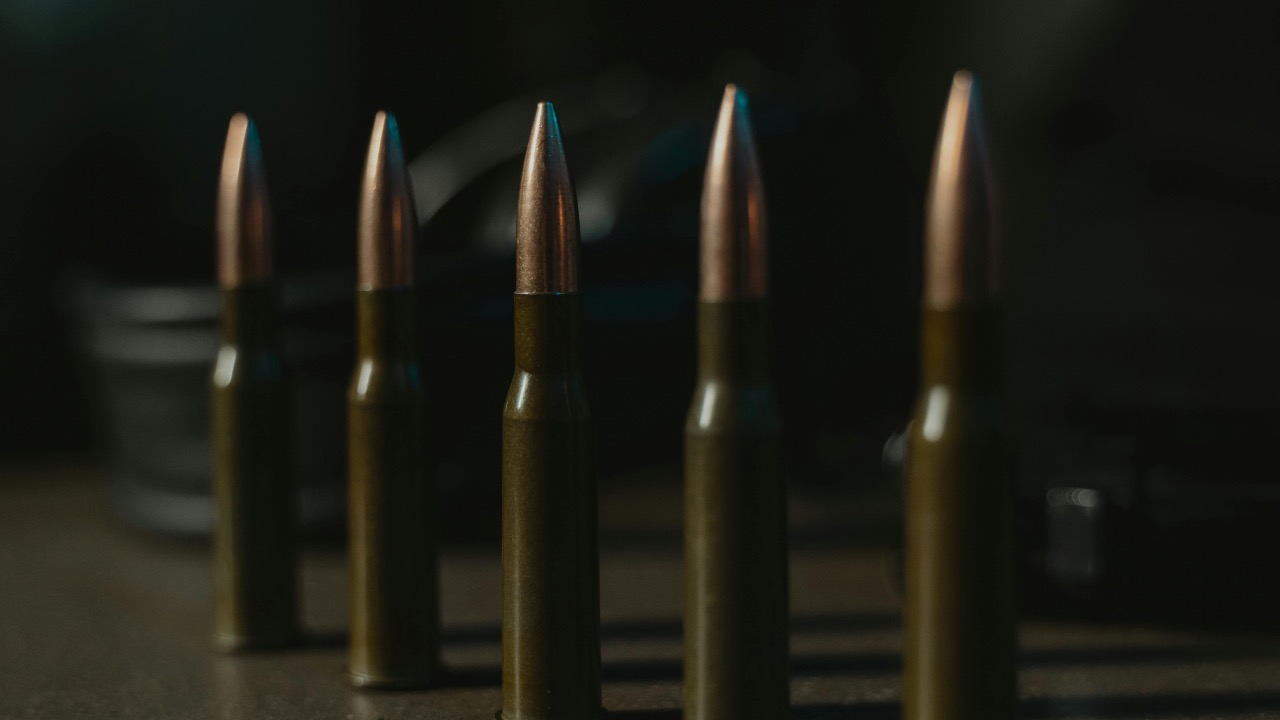
Before I pick cartridges, I look at what the bullet actually does in the animal. Terminal performance is the way a projectile behaves after impact, and it is what decides how quickly a deer, hog, or elk dies. Expansion, penetration, and the size of the wound channel all matter more than raw muzzle energy on a box flap. A mild cartridge that drives a well built bullet to the right depth will kill faster than a hard kicker that blows up on the shoulder or zips through without doing much work.
The trick is that recoil and terminal effect are tied together but not welded. Heavier bullets and more powder usually mean more kick, yet smart case design and efficient bullets let some rounds punch above their weight. Guidance on big game ammo points out that Challenges always come up when you try to balance “enough” terminal efficiency with recoil that people can actually tolerate, and that same tradeoff shows up whether you are talking about a .45-70 or a light deer rifle. I want a round that gives reliable penetration on the biggest animal I plan to shoot, but still lets me spot my own hits and stay on the gun for a quick follow up.
Understanding the kick: what really creates recoil
Recoil is not magic, it is physics. When a rifle fires, the bullet and powder gases go forward and the gun comes back. A breakdown of Science of Recoil explains that the rearward force is tied to projectile weight, velocity, and the mass of the firearm. A light rifle launching a heavy bullet fast will smack you harder than a heavier rifle with a moderate load. Stock design, recoil pads, and brakes change how that force feels, but they do not erase it.
When I am setting up a low recoil hunting rig, I start with the cartridge, then use the rifle and accessories to fine tune the feel. A second look at how Recoil works makes it clear that a slightly heavier rifle, a soft pad, and a sane load can turn a marginally comfortable gun into something a new shooter can run all day. That is the foundation for every cartridge choice that follows.
Classic low recoil deer rounds: .243, 6.5s, and the midweights
For whitetails and similar game, I have had the best luck starting in the .24 to 6.5 millimeter window. On a popular deer forum, one hunter flatly states that the obvious low recoil choice is the . 243 Win if you want the minimum kick, and that lines up with what I have seen on the range. With a 90 to 100 grain bullet, the .243 carries enough energy for deer while staying soft enough for kids and smaller framed adults to shoot well.
In that same discussion, the 6.5 Creedmore and other 6.5s come up as alternatives when you want a little more reach. A separate big game guide notes that the recoil energy of the 6.5 Creedmoor is relatively low, which helps shooters avoid flinching and stay on target for follow through. Ammo makers describe the round as Renowned for its ballistic efficiency, and one hunter on a separate thread says 6.5 Creedmoor is more tame than a . 308 and about equal to the . 243, adding that Obviously the rifle’s weight matters too. In my experience, that is exactly right: a 6.5 in a sensible hunting rifle hits harder on game than a .243 but does not punish the shooter the way a .30 caliber magnum will.
Lever guns and traditional woods rounds that stay comfortable
Not everyone wants a sleek bolt gun. In thick timber, I still like a lever rifle with a moderate load. One seasoned hunter talking about low recoil options points out that for pure comfort in a 30-30, there is not much a 175 g flat nose cannot do, and that medium sized game can be handled with a 125 g bullet. That kind of thinking, keeping bullet weights moderate and velocities reasonable, is exactly how you get a classic woods gun that does not beat you up.
When you step up to heavier cartridges like the .45-70, the same logic applies. Guidance on .45-70 loads notes that Choosing ammunition is about balancing the need for terminal efficiency with recoil that does not wreck the enjoyment of the rifle. In practice, that means picking midweight bullets at moderate speeds instead of chasing maximum velocity. For most deer and black bear in the woods, a 30-30 or a downloaded .45-70 with a sensible bullet will kill cleanly while staying manageable for almost any shooter.
AR-platform options: 5.56, .223, and 300 Blackout
For hunters who like a modern rifle, the AR platform offers some of the softest shooting setups that still work on game. A breakdown of recoil in semi autos notes that The AR chambered in 5.56 or . 223 is known for relatively low recoil, which is why it is so popular with new shooters. Another look at 5.56 ARs points out that the gas system and straight line stock help manage what little kick there is, making it easy to stay on target.
On the hunting side, the . 223 is widely recommended as a Best All Around Caliber for coyotes, with one write up calling it One of the most popular predator rounds and highlighting the .223 Remington as a standout. A separate comparison of 5.56 NATO and . 223 Remington notes that this varmint round can step up to deer sized animals when loaded correctly, staying above 1,800 feet per second well past 400 yards. On the other side of that comparison is the 300 Blackout, which trades some reach for heavier bullets and better performance in short barrels.
300 Blackout and other soft shooters for kids and recoil shy hunters
When I am setting up a rifle for a young hunter, I care more about confidence than ballistics charts. One story that sticks with me involves a kid named Anse, whose go to deer rifle when he was younger was a Mossberg MVP Patrol chambered in . 300 Blackout (BLK). That little Mossberg MVP Patrol in .300 BLK is a perfect example of a cartridge and rifle combo that kills deer cleanly inside typical woods ranges without scaring a kid off the trigger.
In my own camps, I have seen the same thing with mild 6.5s and .243s. A separate discussion of deer cartridges notes again that the . 243 and 6.5 Creedmore and similar rounds are top picks when the goal is minimal recoil. When a kid or recoil shy adult can shoot a box of ammo from the bench without developing a flinch, they are far more likely to put that first shot through the lungs when it counts.
Handguns and airguns for small game and close range work
Not every hunt calls for a centerfire rifle. For small game and close range pest control, low recoil handguns and airguns can be both effective and fun. A rundown of soft shooting pistol rounds points out that .22LR is one of the classic 5 Low-Recoil options, and another look at the same topic notes that .22LR is often not thought of as a handgun round, yet While you might not label it that way, there are plenty of semi autos and revolvers chambered for it. In the squirrel woods or around the barn, a .22 pistol is about as gentle as it gets.
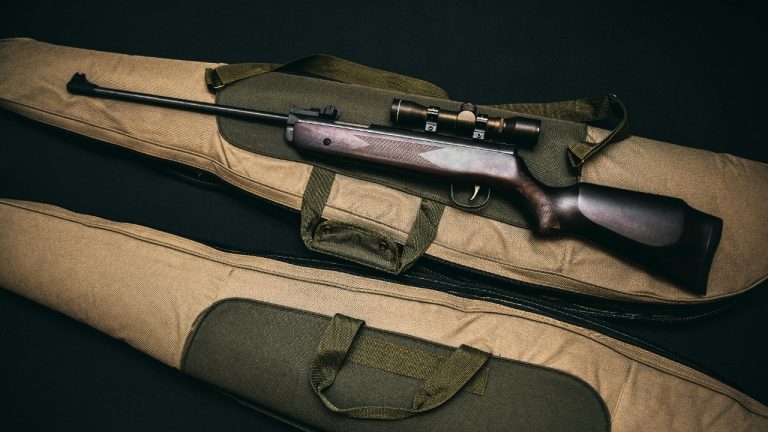
Air rifles have come a long way too. A hunting program built around airguns highlights that for a more fast paced experience, you can try Lethal Air small game and varmint hunts, from squirrel hunting in lush forests to chasing other critters, with plenty of chances for a successful harvest. Those setups deliver enough punch for small animals with almost no recoil, which makes them ideal for new shooters and for high volume days when you might fire dozens of shots.
Medium and big game without magnum punishment
Once you move into bigger animals, the temptation is to jump straight to magnums, but you do not always need to. Guidance on .300 Win. Mag. ammo explains that if you are hunting animals that weigh between 50 and 300 lbs, you are dealing with what that guide calls Medium Sized Game Animals you pick a 150 to 165 grain bullet. That is a lot of horsepower for deer sized critters, and while it works, many hunters would be better served with a milder 6.5 or .270 that they can shoot more accurately.
There are also flat shooting mid bores that keep recoil reasonable. One example is the .264 Win. Mag. with a 140 grain pointed soft point. Ammo makers note that bullet’s aerodynamic profile helps flatten trajectory, making it a solid choice for hunting and for shooting distant targets at the range. Paired with a well designed stock and a bit of rifle weight, cartridges like that give you reach on pronghorn and open country mule deer without the brutal recoil of the biggest magnums.
Putting it together: matching cartridge, game, and shooter
When I help someone pick a hunting round, I start with the animal, then the shooter, then the rifle. For predators and varmints, the . 223 and 5.56 5.56 are hard to beat in an AR, thanks to their low recoil and proven performance on coyotes. For deer sized game, the . 243, 6.5 Creedmoor, and .30-30 with sensible bullet weights all give you clean kills without punishing recoil. In the timber, a 30-30 pushing a Medium weight flat nose is still hard to beat.
For kids and recoil sensitive hunters, I lean heavily on .300 BLK, .243, and 6.5s in reasonably heavy rifles, and I am not shy about starting them on .22LR pistols or rifles backed by 5 Low-Recoil handgun loads or even airguns like those used in Lethal Air style hunts. The goal is always the same: a cartridge that the shooter can handle, paired with a bullet that delivers the terminal performance we need. If you respect both sides of that equation, you end up with hunting rounds that succeed without excessive recoil, and you keep people in the field for a lifetime instead of scaring them off in a single season.

Leo’s been tracking game and tuning gear since he could stand upright. He’s sharp, driven, and knows how to keep things running when conditions turn.