Where whitetail populations are shaping hunting pressure
Where whitetails pile up, hunters follow. But the relationship is not as simple as more deer equals more pressure. Regional herd trends, access, and culture all shape how crowded the woods feel, and those patterns are shifting fast enough that anyone planning a season needs to pay attention. I want to walk through the places where whitetail numbers are driving hunter behavior, and how smart hunters can use those population swings to find less competition and better bucks.
Big-picture: how deer numbers really drive pressure
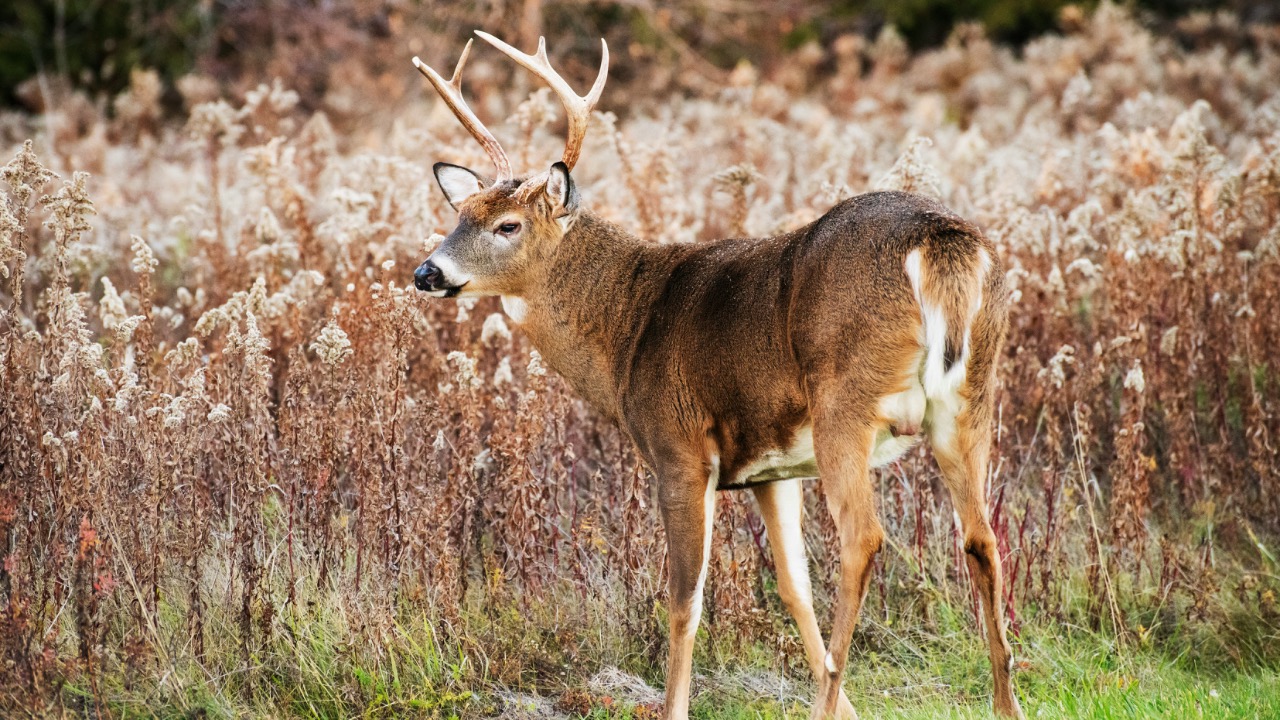
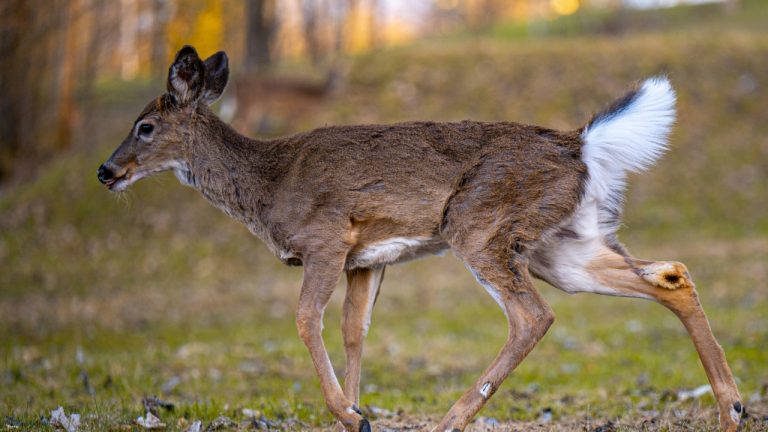
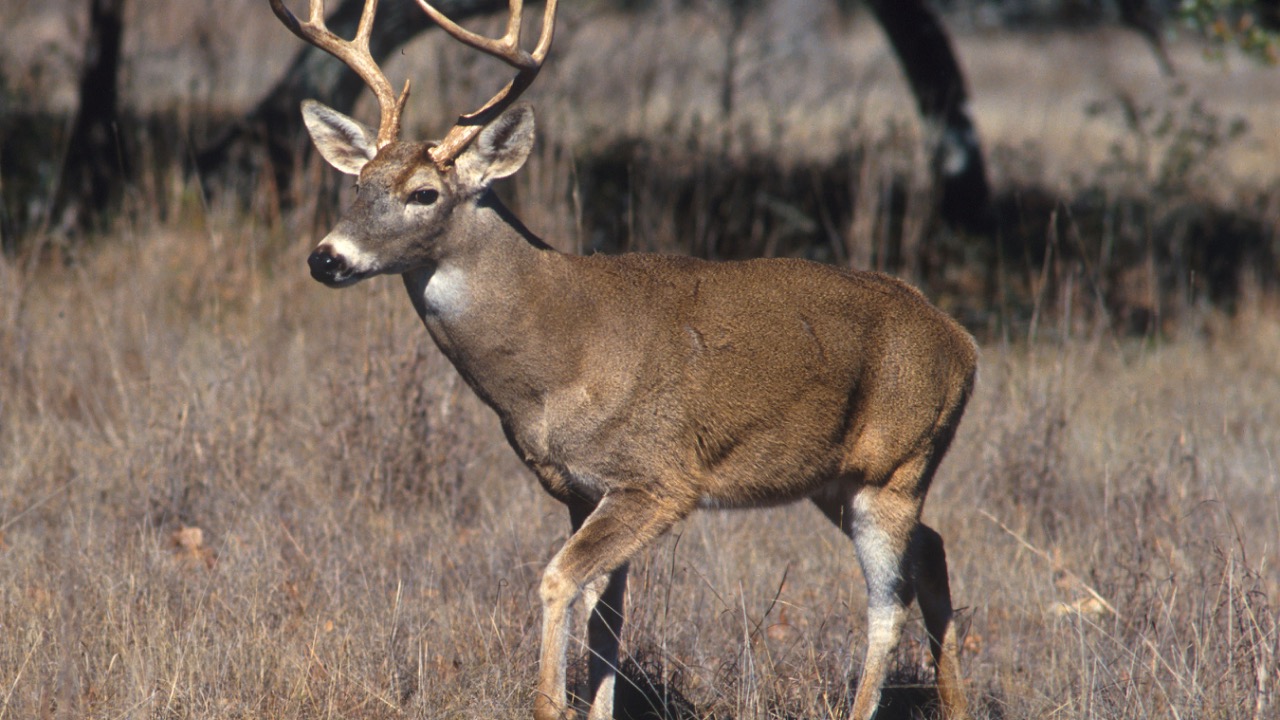
On paper, whitetail management looks straightforward: more deer should spread hunters out and fewer deer should thin the crowds. In reality, pressure tends to stack up where tradition, access, and expectations collide with herd density. States with long whitetail histories and big license sales can feel crowded even when biologists are trimming herds, while newer or more lightly hunted regions can hold strong populations with surprisingly light boot traffic. The result is a patchwork of hot zones and refuges that changes as fast as agencies tweak tag numbers and seasons.
Biologists have been clear that modern hunters have largely stepped into the role of top predator for white-tailed deer, or Odocoileus virginianus, across much of the country, which means our decisions about where to hunt now shape both herd behavior and long term numbers. Experimental work on hunting intensity found that when risk ramps up, deer shift movement patterns and use cover differently, which in turn changes how hunters perceive “good” or “dead” ground. That feedback loop is why some regions with booming populations feel overrun with orange vests, while others with similar deer densities hunt quiet and relaxed.
Upper Midwest powerhouses: Wisconsin, Michigan and the pressure paradox
The Upper Midwest still sits at the center of the whitetail universe, and it shows in both deer numbers and hunting pressure. Wisconsin is often described as the undisputed champion for whitetails, with estimates that put its herd among the largest in the country and more than 800 B&C whitetail entries backing up its reputation for big antlers. Those kinds of statistics, highlighted in breakdowns of where the biggest herds live, keep nonresidents pouring into Wisconsin every fall, even as local hunters complain about crowded public land parking lots and heavily pressured gun seasons.
Across Lake Michigan, the same story plays out in a slightly different way. Longtime deer states like Michigan sell huge numbers of licenses and have generations of families tied to deer camp, so pressure is baked into the culture regardless of whether the herd is trending up or down in a given region. Analyses of which states turn out the most capable hunters point to this part of the country as a proving ground, arguing that constant competition and heavily hunted ground force people to become more efficient and patient. When I look at how those hunters operate, from carefully timing access to slipping into overlooked corners, it is clear that high deer numbers and high pressure have evolved together here for decades.
Pennsylvania and the East: where tradition meets crowding
Few places illustrate the link between whitetail culture and pressure like Pennsylvania. The state is synonymous with deer hunting pressure, and seasoned observers describe how, there, the amount of human activity in the woods can make even good habitat hunt small in a hurry. Writers who compare regional hunting skills often single out Pennsylvania as a place where hunters learn to function under constant pressure, arguing that those conditions sharpen woodsmanship in ways that wide open Western country does not. That idea is captured in discussions of Accepting Pressure, where the ability to keep killing deer in crowded woods is treated as a skill set of its own.
At the same time, managers in the state have been wrestling with how to keep herds at sustainable levels without burning hunters out. The Pennsylvania Game Commission has leaned on hunters to reduce deer populations to sustainable levels, relying on people not only to buy tags but to actually spend the time in the woods and fill them. When harvest numbers dipped, Pennsylvania Game Commission Deer and Elk Section Supervisor Christopher Rosenberry pointed to a mix of factors, including changing hunter numbers and shifting deer distribution, as reasons why the take declined there. That tension between needing hunters to manage overabundant deer and hunters feeling squeezed by crowds is shaping how seasons and tag structures evolve across the East.
Texas and the Southern surge: more deer, more options
Head south and the picture changes from crowded public timber to sprawling private ranches and booming herds. Texas holds one of the largest whitetail populations in the country, and recent forecasts describe deer populations growing in fragmented habitat, especially in the brushy country east of Interstate 35. Biologists there note that in some of these areas east of I 35, they are getting complaints from farmers about too many deer, even as hunters grumble about age structure and buck quality. That mismatch between biological abundance and hunter expectations is a big part of why pressure in Texas clusters on certain leases and counties while other pockets stay relatively quiet.
Across the broader South, whitetails have rebounded to the point that some states are dealing with what locals describe as deer everywhere. In Louisiana, for example, reports of exploding whitetail numbers and record harvests credit The Louisiana Department of Wildlife and Fisheries with management efforts that have driven the population’s success. Coverage of that boom notes that Louisiana Department of has been praised for balancing habitat work and tag structures to keep deer numbers high enough for opportunity without letting them overwhelm crops and highways. For hunters willing to learn local access rules and tolerate heat, those southern herds offer a lot of room to spread out compared with the traditional rifle woods of the North.
Northern New England: low densities, sharp hunters
In the far Northeast, whitetail numbers thin out, but the hunters who stick with it tend to be serious students of the game. The region often gets lumped together as Northern New England, a swath of big woods where winter severity and marginal habitat keep deer densities low. Analyses of which states produce the most capable deer hunters point to this country as one of the regions with the best hunters, arguing that people who consistently kill bucks in areas with lower deer densities have to be dialed in on sign, terrain, and timing. When I talk to hunters from this belt, they describe tracking snow, reading old cuts, and covering miles as standard tools, not special tactics.
Within that region, each state has its own flavor of pressure. Vermont has a long deer tradition but relatively modest herds, so hunters often spread out across mixed public and private ground rather than stacking into a few hotspots. Maine offers huge tracts of timber company land where access is good but deer numbers are thin, which keeps pressure per acre low even when camps are full. In New Hampshire, suburban pockets can hold more deer than the mountains, so pressure follows those clusters. When writers break down where the best hunters come from, they often circle back to this Northern New England country as proof that low deer numbers do not necessarily mean low hunter skill.
Western whitetails: Dakotas, South Dakota river breaks and overlooked opportunity
Head west into the prairie states and the whitetail story gets more complicated. In South Dakota, for example, biologists like Andy Lindbloom have described how Populations of white-tailed deer were increasing rapidly at the turn of the century in South Dakota, especially along river bottoms and farm country. That growth led to liberal tag allocations and strong harvests, which in turn drew more hunters into what had once been lightly pressured whitetail ground. As numbers softened in some areas, managers pulled back on tags, and pressure followed the remaining strongholds along major drainages and agricultural belts.
To the north, North Dakota has seen even sharper swings in both deer numbers and hunter opportunity. North Dakota Game and Fish Big Game Supervisor Bruce Stillings has explained that “We gave out the lowest number of deer licenses since 1978,” a clear sign of how hard recent winters and habitat issues hit the herd. Less than a decade ago, when deer numbers were high, the Game and Fish started handing out doe tags like they were giving candy to kids during a parade, which pulled in more hunters and pushed pressure into places that had rarely seen it. As licenses tightened, some of that pressure eased, but the reputation of the Dakotas as big buck destinations keeps nonresidents applying even when odds are long.
California and Oklahoma: fringe whitetail country with shifting crowds
On the western fringe of whitetail range, deer numbers and hunter interest are both growing in places that used to be afterthoughts. In Northern California, whitetails share space with blacktails and mule deer across a patchwork of public forests and private timberlands. As more hunters look for alternatives to crowded Midwestern and Eastern states, they are starting to notice that some of these mixed deer zones offer solid opportunity with relatively light pressure. The same rugged country that makes access tough for logging also keeps casual hunters away, so the people who do commit to hiking into Northern California can find pockets of older bucks that rarely see a human.
Farther east, Oklahoma has quietly turned into a serious whitetail state, with improving age structure and good habitat across much of its farm and brush country. It does not yet carry the same national reputation as Kansas or Iowa, which keeps nonresident pressure somewhat in check, but locals know that public tracts and walk in areas can produce quality bucks. When analysts rank which states produce the best deer hunters, they often note that regions with emerging whitetail opportunities, including parts of the Southern Plains, are training grounds for adaptable hunters who bounce between pressured and lightly hunted areas. That mix of moderate deer numbers and moderate pressure can be a sweet spot for anyone willing to scout.
Skill, culture and “best deer hunters” where numbers are lean
One of the more interesting trends in recent years is the way hunter skill is being mapped against deer density. Discussions of Which States Produce argue that places with lower deer densities, like parts of Northern New England and the big woods of the Upper Midwest, tend to produce hunters who are more methodical and patient. The logic is simple: when you cannot count on seeing multiple deer every sit, you learn to make the most of limited encounters. That same analysis points out that what makes a Good Deer Hunter is not just access to a loaded farm, but the ability to read sign, adapt to pressure, and capitalize on the one chance you might get in a week.
Regions like Wisconsin, Michigan, and Pennsylvania are often compared to baseball hotbeds or bass fishing hubs, places where sheer participation and competition raise the bar for everyone. Writers who break down What Makes a Good Deer Hunter like to say that, Like any other skill, repetition under pressure builds competence. When you combine that with the need to adapt to areas with lower deer densities, you end up with hunters who can travel well, shifting from crowded public land in their home state to quieter leases or Western river bottoms without missing a beat.
How pressure changes deer behavior and what hunters can control
Reading the map: where to go when herds and crowds shift

Leo’s been tracking game and tuning gear since he could stand upright. He’s sharp, driven, and knows how to keep things running when conditions turn.