
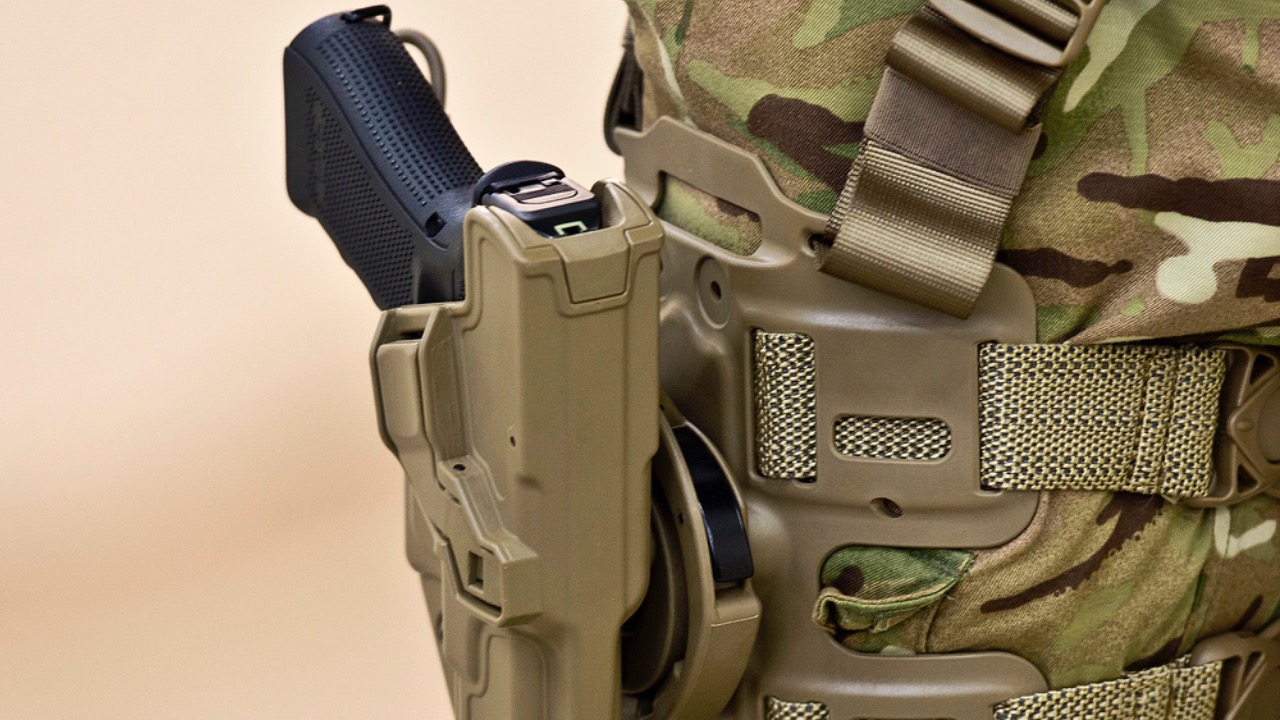
A simple holster mistake is becoming a leading cause of concealed-carry permit suspensions
Across the country, more concealed carriers are finding out the hard way that their holster choice is not just a gear decision, it is a legal and safety issue that can put a permit at risk. I cannot verify any hard numbers tying holster problems to a “leading” share of suspensions, but the pattern that trainers and legal guides describe is clear enough: sloppy holster setups are showing up again and again in the same kinds of encounters that end with a permit pulled or a warning that the next mistake will do it. The same basic error keeps coming up, and it starts with how the holster handles the trigger.
Instead of a dramatic gunfight, the more realistic threat to a permit is a quiet traffic stop, a fumbled reholster in a parking lot, or a negligent discharge that never makes the news but absolutely makes it into a report. When I look at what experienced instructors and holster makers are warning about, the throughline is simple: if your rig does not fully protect the trigger guard and stay open and stable while you move, you are stacking the odds toward both an unsafe gun and an unhappy conversation with law enforcement.
Holster mistakes are climbing the risk ladder, even if the stats are thin

There is no statewide spreadsheet that breaks down exactly how many concealed-carry permits get suspended over holster issues, and I will not pretend there is. What I can say, after comparing what multiple training outfits and holster companies are flagging, is that gear problems are no longer a side note. They show up at the top of lists of Common Mistakes, and they are usually the first thing seasoned carriers bring up when they talk about what goes wrong in the real world. When a permit holder has a negligent discharge in a grocery store parking lot because a soft holster folded into the trigger, or when an officer watches a driver sweep their own hand while stuffing a pistol back into a floppy rig, that is exactly the kind of “unsafe handling” behavior that many state statutes list as grounds for suspension.
In other words, I cannot honestly say holster problems are the number one cause of suspensions, but the available reporting supports a narrower claim: bad holsters and bad holster habits are becoming one of the most common ways otherwise law-abiding carriers end up on the wrong side of their own permit rules. That is why so many instructors now treat holster selection and use as a core legal survival skill, not an accessory choice, and why they keep hammering the same basic warning about trigger coverage and holster stability.
The “craptastic holster” problem that starts it all
Most of the trouble starts before the gun ever leaves the house, with what one training piece bluntly calls a Craptastic Holster. Many new carriers will spend real money on a pistol, then clip it into the cheapest nylon sleeve they can find in a big-box store bin. Others pick a stylish leather rig that looks good on social media but collapses flat the second the gun comes out. In both cases, the holster fails the basic test of holding the firearm in a consistent position, covering the trigger, and staying open enough to reholster without fishing around.
That same training material points out that the most common concealed carry mistakes “come down to holsters,” and that Using the wrong holster is often a bigger issue than the gun itself. When a rig lets the muzzle shift, ride up, or print badly, carriers start fidgeting, adjusting, and touching the gun in public. That is exactly the kind of behavior that draws attention in a gas station line or during a traffic stop, and it is how a quiet day can turn into a “man with a gun” call that ends with an officer scrutinizing both your permit and your gear.
Trigger coverage: the small detail with outsized consequences
The single holster mistake that worries me most, and that shows up repeatedly in training material, is failing to fully cover the trigger guard. One detailed holster guide spells it out plainly: “It would be dangerous to go about your daily activities with your trigger constantly exposed,” and stresses that the holster must shield the trigger to prevent contact that could “well result in serious injury.” That warning about an exposed trigger comes straight from a discussion of why would be dangerous to carry in a rig that leaves the trigger open to clothing, cords, or fingers.
Another training piece on negligent discharges in holsters points to Foreign Objects Inside as the most common and preventable cause of a handgun going off in the holster. According to that analysis, Holsters that are worn, poorly designed, or too soft can deform enough to press something into the trigger. When that happens in a crowded store or during a traffic stop, the resulting negligent discharge is not only a safety nightmare, it is exactly the kind of incident that can trigger a permit review or suspension under “reckless” or “unsafe” handling clauses.
Soft holsters, collapsing mouths, and the “muzzle your hand” trap
Once the gun comes out, a different holster flaw shows up: a mouth that collapses flat. A detailed safety checklist explains that If the holster remains open, you can safely reholster with one hand, but when it collapses you are forced to point the gun around while you pry the material open. That is not just inconvenient, it is a direct violation of the basic rule about keeping the muzzle off your own body and anything you are not willing to destroy.
Range safety instructors see the fallout from this all the time. One breakdown of the most common violations at public ranges highlights a habit it labels “Don’t Muzzle Your Hand,” and traces it directly to people who use soft holsters that collapse when they draw. That same analysis notes that this unsafe habit often comes from rigs without a proper sweat guard or structure. On a public range, that might earn you a stern warning or an ejection. On the street, if an officer watches you sweep your own hand or hip while reholstering during a stop, it can be documented as unsafe handling, which is exactly the kind of paper trail that can haunt a permit holder later.
Retention, the “shake test,” and why cheap clips get people in trouble
Another holster mistake that keeps showing up in training material is relying on gimmicks instead of real retention. A detailed video breakdown of holster retention points out that the popular “shake test,” where you flip the holster upside down and shake it, is not a reliable measure of how secure the gun will be in real life. The instructor in that video notes that, in summary, tipping a holster upside down can tell you something about retention, but the Aug “shake test is not” a full answer to whether the gun will stay put when you run, bend, or fight.
Separate guidance on holster retention levels makes the same point in more practical terms. The author notes that “So even though I am carrying concealed, I likely would benefit from a level of retention in this type of situation,” and goes on to argue that Aug carriers who are going to rely on a holster should be willing to “pay the pesky asking price” for real retention hardware. When a gun pops out during a scuffle in a parking lot or tumbles onto the floor in a crowded store because a cheap clip failed, that is the kind of incident that can lead to charges of brandishing or reckless display, both of which can put a permit under review even if no one is hurt.
State rules, trigger coverage, and why “no holster” can be a legal trap
Holster mistakes are not only about physics, they are about the letter of the law. Some training material on holster selection notes that “However, some states do have requirements for how a firearm is carried,” including rules that require the use of a holster that covers the trigger. That same guidance explains that these rules are meant to ensure carriers can safely and securely carry their firearms, and that However carriers need to understand those requirements before they strap on a gun.
Another legal explainer on carrying without a holster spells out that the legality of carrying a concealed firearm without a holster varies significantly from state to state, and that Feb and While federal law does not mandate holsters, states are free to enact their own regulations. If your state requires a holster that covers the trigger and you are appendix carrying a striker-fired pistol Mexican-style under a t-shirt, you are not only courting a negligent discharge, you are technically out of compliance. That kind of violation, especially if discovered during a stop or after a minor incident, can be enough for a suspension even if you never fired a shot.
Permits, paperwork, and how holster behavior looks from the patrol car
From the law enforcement side, the holster is part of the overall picture of how seriously you take your responsibilities. A legal guide on carrying with a permit notes that “When carrying a firearm, it is necessary always to have your permit on you,” and that When law enforcement asks, you must be able to present it. That same guidance stresses that Law requires you to follow local rules to stay in good standing.
Another breakdown of How To Avoid Most Common Concealed lists “Forgetting Your CCW” as one of “32” errors that can cause headaches, and it specifically calls out how you handle yourself “During A Traffic Stop.” If an officer walks up on a driver who is pawing at a loose holster, adjusting a gun that is sliding around, or trying to quietly re-seat a pistol that has crept halfway out of a soft rig, that behavior can look a lot like furtive movement. Even if the stop ends without charges, it can be documented as unsafe handling, and repeated notes like that are exactly the kind of pattern that can hurt you if your permit ever comes up for review.
Why serious carriers treat holster choice like life insurance
Experienced carriers increasingly talk about holsters the way they talk about defensive ammo or training time, as a non-negotiable part of the package. One detailed breakdown of Why Holster Selection puts it bluntly: Choosing the right holster is not merely a matter of convenience, it affects safety and preparedness for self-defense, especially in emergencies. That same discussion emphasizes that Choosing the wrong rig can slow your draw, expose the trigger, or leave the gun unstable at the worst possible time.
Other training guides echo that message from a more practical angle. One list of Common Mistakes puts “Bad Holster or Wrong Holster” at the very top, warning that Bad Holster and Wrong Holster choices can lead to fumbling in a self-defense situation. That same guidance stresses that Choosing a poor-quality holster or one unsuitable for your carry location can cause the gun to shift, print, or become uncomfortable, all of which encourage the kind of constant adjustment that draws attention and invites scrutiny from both bystanders and police.
Building a holster setup that keeps you off the radar
So what does a permit-friendly holster setup actually look like in practice? One practical guide lays out a simple standard: You should be able to get your gun in your holster without snagging, catching, or flagging yourself. That same guidance notes that this issue is most common with soft holsters that collapse, and it stresses that the important part here is durability. If your rig stays open, covers the trigger, and holds the gun in a consistent position, you are far less likely to fumble or sweep yourself during a draw or reholster.

Asher was raised in the woods and on the water, and it shows. He’s logged more hours behind a rifle and under a heavy pack than most men twice his age.


