Why Popular Guns Are Getting Second Looks
Popular guns rarely stay in a fixed category for long. The same pistol that dominated duty holsters a decade ago might now be criticized as dated, while an old revolver pattern suddenly has a waiting list. When people start taking second looks at familiar models, it usually signals a deeper shift in how shooters think about looks, performance, and what they actually want to carry.
I see that reassessment everywhere right now, from the range to online forums to the gun counter. A mix of changing tastes, new carry habits, and a growing interest in both retro and ultra-practical gear is forcing shooters to reevaluate the workhorses of the last generation and the “must have” guns of the moment.
1. The new scrutiny on “must have” guns
Walk into any shop and you will still see a short list of pistols and rifles that salespeople push as automatic buys. Yet more shooters are pausing before they swipe a card and asking whether those popular models really fit their needs. In one video, Oct host Chris runs through “five guns you should get right now,” and even in that format he spends time explaining why each choice earns a spot instead of assuming the audience will accept the usual talking points from Chris.
That kind of content reflects a broader mood. People are not only comparing calibers and capacities, they are weighing how a gun carries all day, how it shoots under stress, and whether it will still make sense if their lifestyle or local laws change. The old pattern of buying whatever the local instructor or buddy recommended is giving way to a more critical look at “popular” guns, especially when those guns are large, heavy, or tied to trends that might already be fading.
2. When “modern” handguns age in a hurry
Some pistols that looked cutting edge on release are now getting a harder look from owners. A number of polymer handguns with aggressive styling, big slides, and busy controls were marketed as the future, but they can feel clunky compared with newer, slimmer carry guns. A recent rundown of handguns that “look modern but feel outdated fast” points out that some of these designs tried to win buyers with cosmetic flourishes instead of long term ergonomics.
Once the shine wears off, shooters notice details like awkward grip angles, dated accessory rails, or proprietary parts that are hard to replace. That is when a pistol that once seemed like a futuristic upgrade starts to feel like a dead end. The second look often comes after a few classes or a season of carry, when the owner realizes that a slightly plainer gun with better support and a cleaner trigger would have been a smarter choice.
3. Trends that burned hot, then went cold
Firearms history is full of ideas that looked unstoppable for a few years and then quietly disappeared. The industry has cycled through things like squeeze cockers, oddball calibers, and complex trigger systems that promised to fix every problem at once. A survey of Firearm trends that faded shows how quickly once fashionable concepts can become footnotes when they do not hold up in real use.
That history is one reason many shooters are cautious about the latest “must have” feature. When you have seen accessory rails, porting patterns, or trigger gadgets come and go, you start to ask whether a new twist is solving a real problem or just chasing attention. Popular guns that lean too hard on those short lived ideas are now being reevaluated, especially by people who want something they can run hard for years without worrying about parts or support drying up.
4. Retro guns and the pull of familiarity
At the same time, older designs are getting fresh attention. Reissues of classic revolvers and rifles are selling well, not only to collectors but to younger shooters who like the feel and look of traditional steel and wood. One example is the renewed interest in the Colt Python and return of H&R branded rifles, which shows how much demand there is for “old and bold” patterns that still work.
Part of that pull is practical. Many of those retro guns have decades of field use behind them, with well known strengths and weaknesses. Another part is cultural. In the same way that retro eyeglass frames are coming back, with retro and vintage styles expected to make a significant comeback, shooters are rediscovering the appeal of guns that look like something their grandfather might have carried but still perform to modern expectations.
5. Looks, aesthetics, and the “boring” Glock problem
Whether people admit it or not, looks matter. Many of us like stainless finishes, two tone slides, and classic lines that photograph well. One writer flatly states that Looks are a big part of why certain guns stay in the safe instead of getting traded away. That is especially true with revolvers, where deep bluing and clean barrel profiles still turn heads at the range.
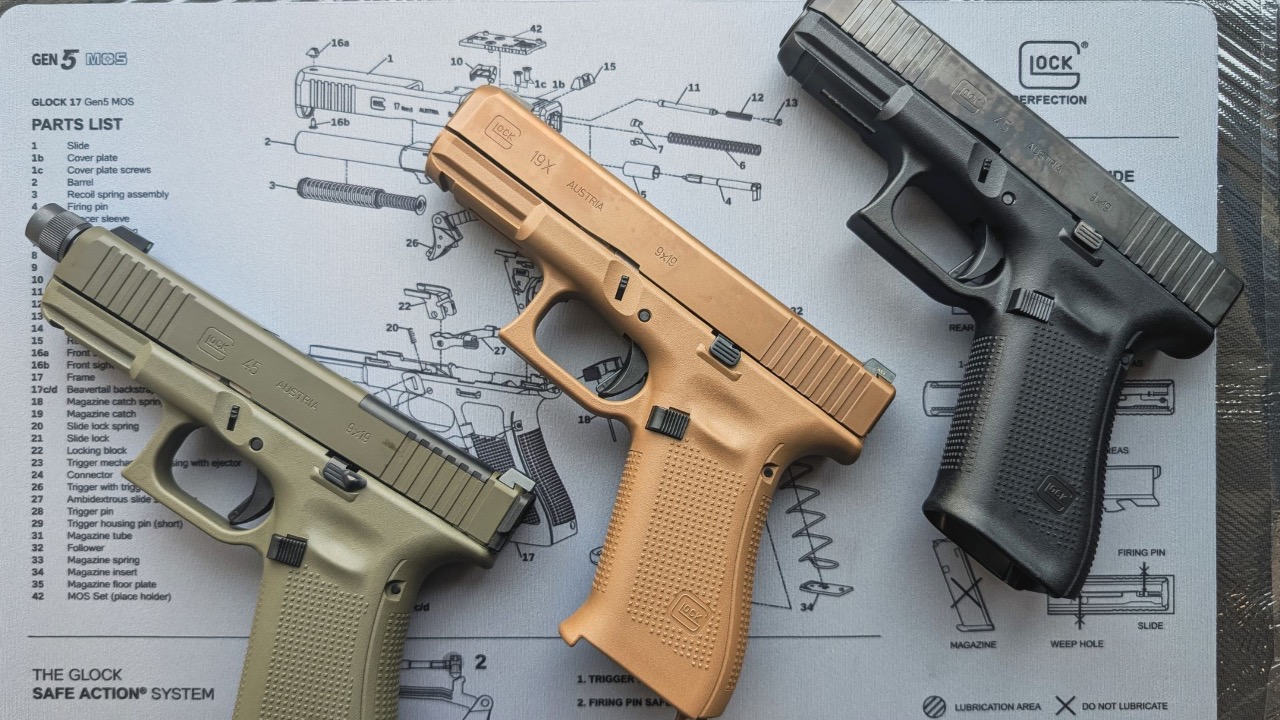
On the flip side, some of the most popular pistols on earth are routinely called ugly. Glocks are a prime example. In one discussion, shooters point out that Glocks are “cheap and reliable,” and that is what earned them so much praise, even if many people find them boring to look at. That tension between aesthetics and performance is a big reason certain models get second looks. A gun that is visually plain but runs every time can grow on you, while a flashy slide cut that chokes on cheap ammo loses its charm fast.
6. Why so many new pistols look the same
If you line up current polymer pistols, a lot of them share the same basic outline: striker fired, double stack, accessory rail, and similar grip angles. Some shooters complain that “all the new modern pistols are the same,” but there are reasons for that convergence. One forum thread points to the old “KISS” principle and the idea that if something is not broken, companies are reluctant to fix it when duty buyers and concealed carriers keep asking for similar features.
Another discussion digs into why pistols became so “samy” in frame and appearance, with one commenter in the Comments Section noting that the general design works extremely well and is cost effective to produce. From a manufacturer’s standpoint, sticking close to a proven pattern reduces risk and keeps prices down. From a buyer’s standpoint, that sameness can be both reassuring and dull. It also encourages people to look harder at the details, like grip texture, trigger feel, and support, instead of being swayed by wild styling.
7. Old designs that refuse to die
One reason popular guns get reevaluated is the stubborn survival of older designs. Many current service rifles and pistols trace their roots back more than a century, yet they are still in front line use. In a discussion about why 100 year old weapon designs are still seeing service, one commenter references “Forgotten Weapons” and repeats the basic rule that if something is not broken, there is little incentive to replace it.
Another thread asks why most “modern” guns were designed 25 or more years ago, and one user named BenSharps argues that we will need a massive improvement in battery technology before man portable railguns are viable, a point that shows up in a Feb discussion that had been Edited. Until that kind of leap happens, most changes will be incremental. That reality pushes shooters to judge popular guns less on whether they are “new” and more on whether they refine those long standing patterns in useful ways.
8. Changing gun culture and the rise of carry
Gun culture in the United States is not a single block. It includes hunters, competitors, collectors, and people who carry for self defense, often with very different priorities. One ethics analysis notes that, although access to firearms has often been restricted and interest in recreational use limited to certain groups, the broader gun culture is far more diverse than those exceptional cases suggest, a point made explicitly with the word Although in the text.
That diversity shows up most clearly in the surge of concealed carry. As reflected by increases in firearm sales and CWP applications, more Americans are exercising their Second Amendment rights and looking for the best way to carry a concealed handgun. That shift has pushed compact and subcompact pistols to the front of the market and forced a second look at older full size duty guns that are harder to conceal. A pistol that once dominated police holsters might now be seen as a range toy, while a smaller, more shootable carry gun becomes the new default recommendation.
9. How to judge a popular gun today
With all of this in play, the question is not whether a gun is popular, but why. I look at how a model fits my hand, how it carries, and whether its design has staying power. I also pay attention to whether it leans on passing trends or on fundamentals that have worked for decades. When I see a pistol that looks like every other striker fired gun on the shelf, I remember that many of those similarities exist because the pattern works, as people in the earlier Edited discussion pointed out.
In the end, taking a second look at popular guns is healthy. It keeps manufacturers honest, forces us to separate marketing from performance, and helps match specific tools to real world needs. Whether you are drawn to a gleaming retro revolver, a “boring” but bombproof striker pistol, or a modern rifle with roots in a 100 year old design, the key is to understand what you are getting and why it earned its reputation in the first place.

Asher was raised in the woods and on the water, and it shows. He’s logged more hours behind a rifle and under a heavy pack than most men twice his age.