What the last ammo shortage taught experienced shooters
The last ammunition crunch did more than empty shelves. It forced experienced shooters to rethink how they train, what they buy, and how they prepare for the next disruption. I watched habits harden, ethics get debated, and entire disciplines adapt as the 2020–present shortage reshaped the culture around cartridges.
Those years of scarcity exposed weak points in the supply chain and in our own planning. They also left behind a set of hard lessons about hoarding, practice, reloading, and caliber choice that still matter even as availability has started to improve.
Scarcity was structural, not just a run on the shelves
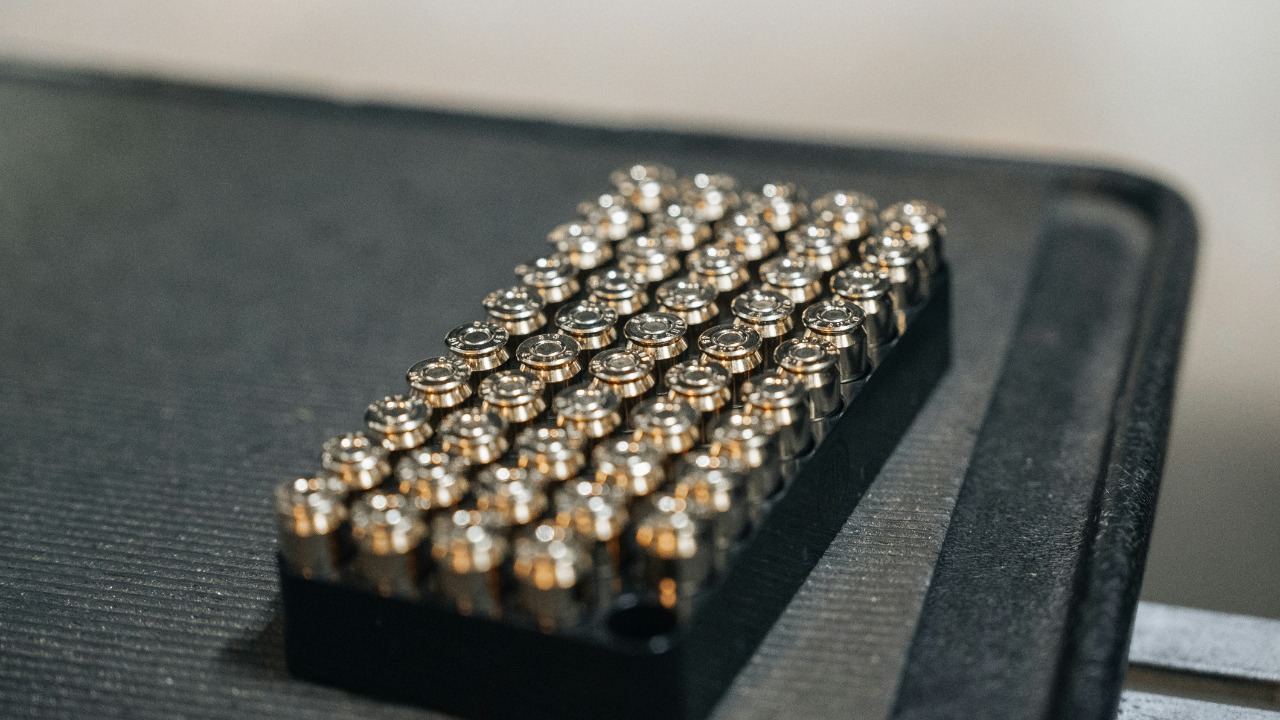
Veteran shooters quickly realized the shortage was not a simple case of panic buyers grabbing a few extra boxes. The current cycle began in 2020 and only started to abate in 2022 and 2023, a span long enough to show that demand spikes, raw material constraints, and manufacturing bottlenecks were all intertwined in what became a prolonged ammunition shortage. In the early stages of the COVID-19 lockdowns, reporting on a surge in firearms sales across the Unite States made clear that millions of new gun owners were entering the market at the same time long-time shooters were trying to top off their reserves, which drove demand across all calibers and gauges far beyond normal levels and helped explain why so many common loads vanished from shelves almost overnight.
On the supply side, manufacturers were candid that they were already running flat out. Executives like Chris Metz, who oversees brands such as Federal, Speer and CCI, described how it had been challenging for his ammunition lines to keep enough brass and primers flowing, even before two of the world’s biggest primer manufacturers were fully back online, which underscored how fragile the upstream component chain had become for Chris Metz and his peers. Later, shooters heard from within the community that even as demand cooled, the supply chain still had not fully recovered from Covid disruptions, with the Ukraine war and other issues contributing to instability, and that AAC had laid off 60% of its staff, a stark reminder that capacity can contract just as shooters are hoping for a return to normal 60%.
Hoarding, ethics and the new normal of “enough”
As shelves emptied, the ethics of stockpiling moved from quiet range talk to open argument. Some shooters openly embraced the label, with one cowboy action enthusiast bluntly saying, “Yes, I am a hoarder” while describing lots of brass stacked in bins and noting that what he showed was probably less than half of what was in his garage, a snapshot of how deep some personal inventories had become by Yes. Others, especially newer gun owners, looked at bare racks and wondered whether a small minority of high-volume buyers had effectively locked them out of the market, a perception that fed resentment and calls for more restraint when buying during obvious spikes.
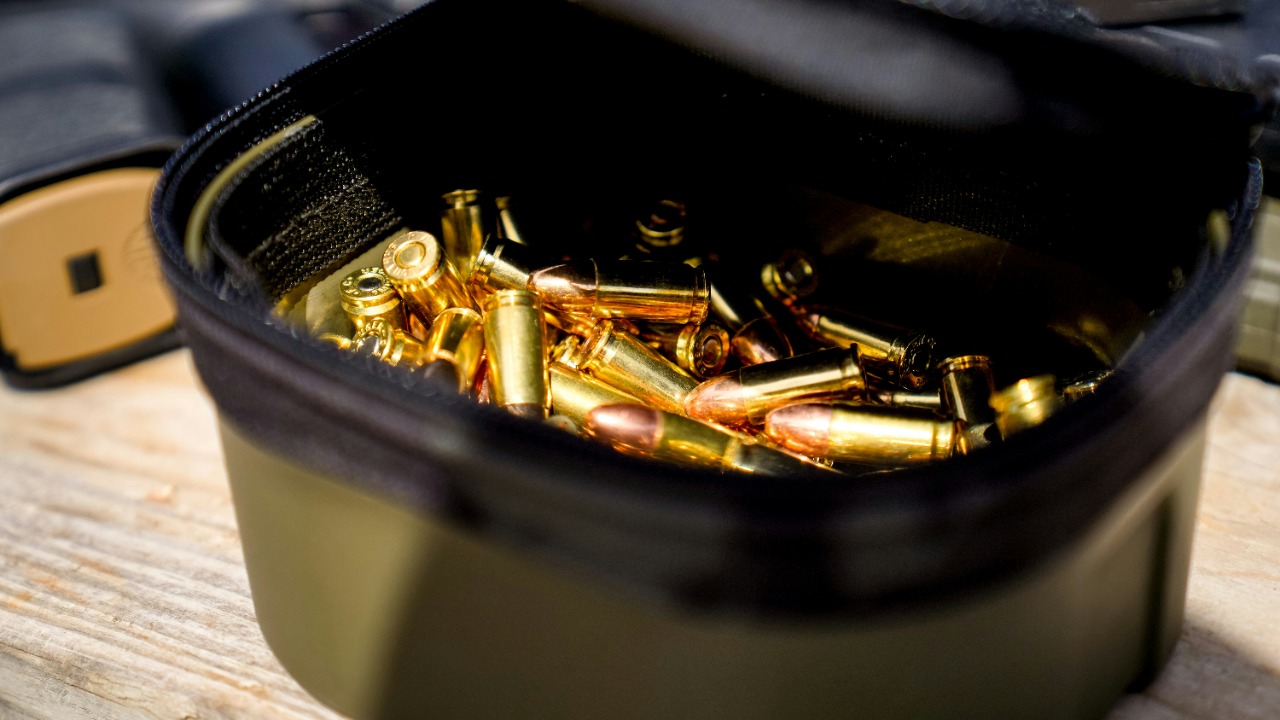
Experienced shooters I spoke with came away from that period with a more nuanced idea of “enough.” Instead of chasing arbitrary round counts, many now define a baseline that covers a season of hunting, a few classes, and some defensive training, then stop buying once that buffer is met. Industry voices noted that Shortages were most noticeable for 9mm Luger, . 40 S&W and . 45 ACP, all common law enforcement and military cartridges, which meant that overbuying in those calibers had outsized effects on everyone who relied on Shortages. The lesson many veterans drew was simple: build a cushion in calm times, but when the next run hits, leave something on the shelf for the person behind you.
Training had to evolve beyond live fire
With cases of 9 mm and .223 suddenly precious, serious shooters were forced to rethink how they maintain skill without burning through their last stash. Coaches and competitors warned that the shortage was a serious problem for new gun owners who wanted to sharpen their skills, especially when they were seeing ammunition at more than twice the normal price, and that those who insisted on live fire only were either going to go broke or stop practicing altogether as a serious problem. In response, I watched a quiet revolution in dry practice, airgun work, and laser systems that had long been treated as optional extras but suddenly became central to serious training plans.
Dry-fire moved from a niche technique to a weekly ritual. Instructors reminded students that Dry-fire is simply “shooting” without live ammo, and that You do not have to fire your gun to improve your marksmanship if you Check your firearm is unloaded and focus on fundamentals like grip, sight alignment, and trigger press, a message that resonated with those trying to stretch every box of cartridges from Dry. Others leaned on structured routines, with guides urging shooters to Try focusing on breathing and staying relaxed while they Practice pressing the trigger slowly, building trigger skills without shooting real bullets and turning living rooms into effective training spaces anchored in Try. Ranges and trainers also emphasized Dry Fire Practice with an UNLOADED firearm, stressing that it does not just mean pulling the trigger but can include reloads, draws, and malfunction drills, all the small movements you need to master with your gun that cost nothing in Dry.
Hunters learned to plan seasons around ammo, not the other way around
For hunters, the shortage was not an abstract economic story, it was the difference between taking the field with confidence or sitting out a season. One account from a deer camp described how, After a broadside shot and a long track, the group stopped for food and a post-mortem, only to realize that the new hunter involved had barely been able to get to the range and shoot beforehand because he could not find enough ammunition to practice, a sobering example of how scarcity can ripple into real-world performance in the Sep woods. Others reported that Ammunition Supply and Demand Panic buying, hoarding, and price gouging had made certain deer loads next to impossible to find, especially in popular calibers that once seemed as common as dirt, which forced many to ration their remaining rounds and skip pre-season zero checks that would once have been automatic in Ammunition Supply and.
Experienced hunters adapted by treating ammunition as a core part of season planning. Some shifted away from niche chamberings after watching videos warning that Hunting Calibers That May Soon DISAPPEAR could leave them stuck with rifles they could not feed, a risk that felt very real when Don told viewers not to Get Stuck With One of those cartridges because Some that once ruled the woods were already hard to source in normal years, let alone during a crunch in Hunting Calibers That. Others took the opposite tack, leaning into mainstream options and heeding advice that if you have been considering a firearm in . 450 Bushmaster or 7mm Rem. Mag., now might be the time, since Morton and other observers had noticed that some of these once-specialty rounds were actually easier to find than the most popular .30 caliber deer loads during the height of the crunch in 450.
Reloading went from hobby to lifeline
When factory shelves read No Ammo On The Shelves, many experienced shooters turned back to a skill that had been quietly fading in the age of cheap bulk packs. Commenters noted that After months of unprecedented and unrelenting demand, the sight of bare racks had become familiar, and that those with presses and components were suddenly the only ones still shooting at their usual volume, a shift that revived interest in handloading as a hedge against Ammo On The. Some speculated darkly about the causes, with one discussion asking people to Think whether it was possible that militia groups had made a pact with manufacturers to hoard ammo and keep it out of the hands of others, a theory that reflected the frustration and suspicion swirling around the shortage rather than any verified deal in Think.
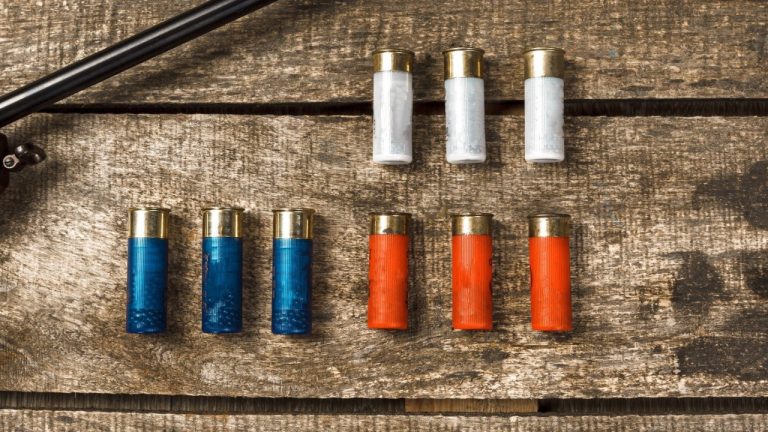
On the practical side, reloading experts pointed out that Two things changed the landscape for handloaders. As Robin Sharpless of Redding Reloading Equipment put it, the combination of component scarcity and bullet shortages effectively ended the high-volume shooting era that had defined the previous decade, forcing reloaders to become more deliberate about what they built and why in Two. Shotshell enthusiasts saw the same pattern, with reports that That’s why if you’re a handloader, you noticed primers, especially shotshell primers, were the first things to go south, and that some turned to pre-primed foreign-made hulls to save on primers and keep their scatterguns running in the face of That’s why. For many, the payoff was not just independence but performance, since Considering the precision of factory ammunition, reloaders still valued the ability to tailor-fit each round to its specific purpose, from soft-recoiling practice loads to carefully tuned long-range hunting rounds that justified the time spent at the bench in Considering the.
Storage, shelf life and the value of old ammo
As shooters dug into long-neglected stashes, another lesson surfaced: cartridges last longer than many people think, but only if treated properly. Technical guidance stressed that Modern ammo is made to last over a decade, and possibly up to twenty years, provided you stick to proper storage practices like keeping it dry, cool, and away from dramatic temperature swings, a reassurance that helped many feel comfortable shooting boxes that had sat in closets since before Modern. Hunters and range regulars echoed that experience, with one seasoned observer saying that Generally, factory cartridges stored in a dry, cool place with low humidity, preferably in an airtight container, remain safe and reliable, and that he had personally fired decades-old ammo with no problems, a point that encouraged many to rotate older stock into their training plans rather than letting it gather dust in Generally.
At the same time, the shortage reminded people that storage is not just about longevity but about having the right mix of loads when things tighten. One experienced writer admitted, Unfortunately he had limited factory ammo in hollow point and that if need be reloads would come into play, while also noting that There had been a long-running debate about using handloads for self-defense and that he still preferred high-quality factory rounds for that role, a distinction that many concealed carriers took to heart in Unfortunately. The practical takeaway for many experienced shooters was to stockpile practice ammo more aggressively than premium defensive loads, rotate older boxes into training, and keep a smaller but carefully protected reserve of carry ammunition that is replaced on a predictable schedule rather than hoarded indefinitely.
Looking ahead: preparing for the next squeeze
Even as shelves refilled, few seasoned shooters assumed the last crisis would be the last. Analysts pointed out that In the early stages of the COVID disruptions, the surge in demand had exposed just how little slack existed in the system, and that similar shocks, whether political, economic, or geopolitical, could again ripple across all calibers and gauges with little warning, a pattern that left many determined not to be caught short a second time in In the. Industry insiders also warned that Lucky Gunner’s Jake Felde believed the lack of primers had the greatest impact on small ammo makers and reloaders, and that any future regulatory moves, such as a Ban that squeezes the industry further, could again choke off supply at the component level long before consumers see empty shelves, a reminder that the next shortage might look different but feel just as tight for Lucky Gunner.
For experienced shooters, the most durable lesson is that resilience comes from habits, not panic. Some now watch early warning signs, including content creators who talk about a BIG Shortage INCOMING and list seven calibers every gun owner should think about before buying, using those Nov discussions as prompts to audit their own inventories rather than as cues to clear out local shops in Nov. Others have quietly built sustainable routines: a modest but steady stockpile, regular Dry and live practice, a reloading setup sized to their actual needs, and a willingness to choose calibers and platforms that can ride out the next wave of scarcity. The last shortage taught that skill, planning, and community-minded buying habits matter more than any single case of cartridges, and that those who internalized those lessons are likely to be the calmest voices the next time the shelves start to thin.

Leo’s been tracking game and tuning gear since he could stand upright. He’s sharp, driven, and knows how to keep things running when conditions turn.