Why Range Comfort Is Starting to Matter More
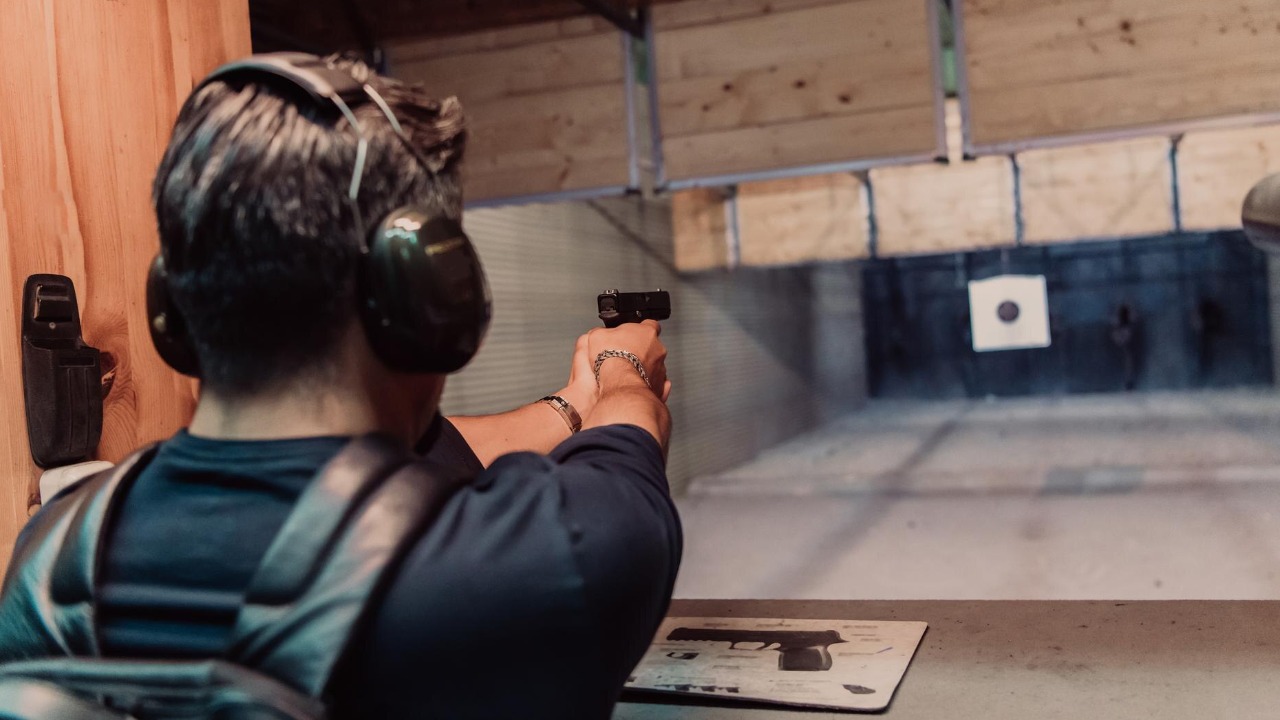
Range sessions used to be defined by how many rounds you could send down a lane in an hour. Increasingly, they are defined by how you feel while you are doing it, and how consistently you can perform from the first shot to the last. As more shooters invest in better gear, travel farther to train, and stay longer on the line, comfort over the full “range” of a session is turning into a performance issue rather than a luxury.
I see the same shift in other fields, from electric vehicles to building design, where engineers now treat comfort as a direct lever on efficiency and endurance instead of a nice-to-have. That mindset is starting to reshape how serious shooters think about benches, belts, climate control, and even how many magazines they load before fatigue and distraction creep in.
From raw endurance to sustainable sessions
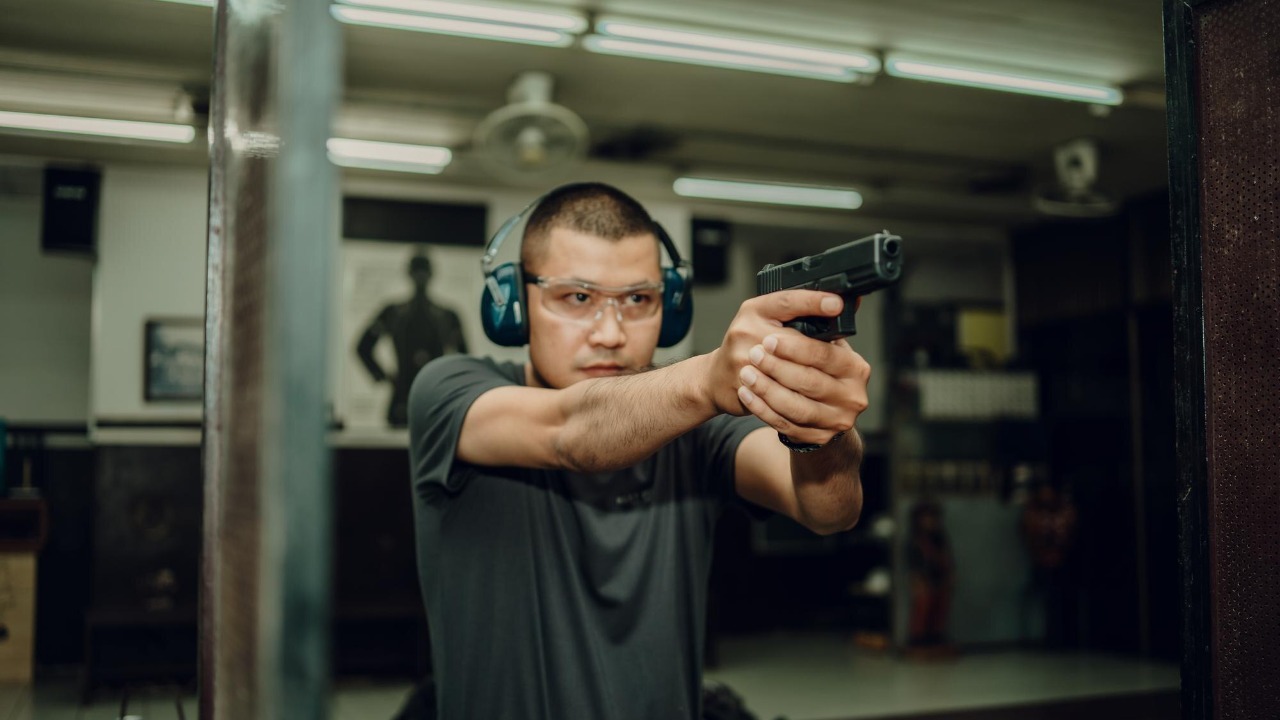
For a long time, range culture rewarded sheer endurance: the shooter who stayed the latest, burned the most ammo, or tolerated the coldest bay without complaint. That attitude is fading as more people recognize that the goal is not to suffer through a session, but to build repeatable skill. In other domains, drivers talk about a “comfort zone” of range, where once a baseline is covered, they can relax and focus on the “fun bits” of the experience, and shooters are starting to think the same way about how long they can stay sharp on the line before fatigue erodes their fundamentals.
In electric vehicles, owners often cite a psychological threshold around a 300 mile range as the point where anxiety drops and enjoyment rises, and that logic maps neatly onto shooting: once you know you can run a full course of fire without your back seizing up or your hands going numb, you stop fixating on discomfort and start paying attention to sight picture and trigger press. The more shooters frame comfort as the foundation that lets them train longer and with better focus, the more it becomes a core design target for ranges and gear makers rather than an afterthought.
Why “range anxiety” now lives at the firing line
In the EV world, “range anxiety” is defined as the fear of running out of charge before reaching the next station, a concern that has been formalized as What happens when drivers doubt they can cover the distance they need. On the firing line, there is a quieter version of the same fear: the worry that your body or concentration will give out before you finish a qualification, a match, or a long training block. That might mean a shoulder that cannot take another string of recoil, eyes that blur under harsh lighting, or a lower back that starts to spasm halfway through prone drills.
Researchers note that Another major barrier to EV adoption is this psychological fear, even when real-world range is already adequate for daily use, and the same pattern shows up in shooting. Many new shooters cut sessions short not because they have run out of ammunition or time, but because noise, temperature, or physical strain makes them feel like they are at their limit. As with cars, the technical capability is often there, yet perceived limits shaped by discomfort dictate behavior, which is why comfort-focused design is starting to matter as much as raw capacity.
Comfort as a performance mode, not a luxury
High end technology has already embraced the idea that comfort is a selectable performance mode rather than a soft extra. In advanced electric hypercars, engineers explicitly program a Comfort setting that balances a relaxing ride, efficiency, and driving pleasure, alongside a dedicated Range mode that squeezes out maximum mileage. That same philosophy is creeping into range design, where facilities now differentiate between “training” bays with hard concrete floors and minimal amenities, and “comfort” bays with better seating, acoustic treatment, and climate control that let shooters stay in the zone longer.
On the personal gear side, comfort is increasingly treated as a performance variable. A shooter who can switch from a heavy, rigid belt to a padded, supportive one is effectively toggling between modes that prioritize stability or long term wearability. Safety equipment is evolving along similar lines, with innovations like More safety through comfort in heated restraints showing how warmth and ergonomics can directly support both protection and endurance. When shooters choose ear protection that reduces fatigue or eyewear that does not pinch after an hour, they are effectively selecting their own “comfort mode” to sustain performance across a full session.
Temperature, fatigue, and the physics of staying sharp
Climate is one of the most underestimated factors in range comfort, and the data from electric vehicles illustrates why. In hot conditions, Hot weather and heavy use of air conditioning can cut EV range, with Studies showing range drops when temperatures climb above 95°F. On an outdoor range, shooters experience a similar drain, not on batteries but on concentration and physical stamina, as heat stress and glare accelerate fatigue and shorten useful training time.
Data on EVs also shows that they Tend to Perform Better around 70°F, a reminder that there is an optimal comfort band where systems are most efficient. Shooters feel that sweet spot intuitively when a bay is neither sweltering nor freezing, and their hands, eyes, and breathing all cooperate. Indoor facilities that invest in stable, moderate temperatures are not just pampering customers, they are engineering conditions that maximize the “range” of focused, high quality repetitions a shooter can log before fatigue undermines technique.
Designing ranges like efficient buildings
Architects are increasingly treating comfort as a measurable input to efficiency, and that thinking has clear implications for range design. Research on radiant systems finds that Studies indicate radiant cooling can deliver energy savings of roughly 30 percent in some climates and up to 42 percent in hot, dry regions, while still keeping occupants comfortable. Translating that to a shooting facility means that smart climate control can keep bays at a steady, shooter friendly temperature without punishing utility bills, which in turn makes it viable to offer longer operating hours and more consistent conditions.
When range owners think like building engineers, they start to see comfort as a system problem rather than a stack of small conveniences. Good airflow reduces smoke and lead dust, consistent lighting cuts eye strain, and acoustic treatment lowers the cognitive load of constant blast noise. Just as EV makers use efficient heating and cooling to preserve driving range, range operators who invest in efficient environmental controls are effectively extending the “session range” of their customers, allowing them to train longer with less physical and mental wear.
Gear, belts, and the ergonomics of carrying more
Comfort is not only about the bay, it is about what the shooter wears and carries. A poorly fitted belt or holster can turn a two hour class into a bruising ordeal, while a well designed rig distributes weight and reduces hot spots so that the shooter can move, kneel, and draw repeatedly without distraction. In the automotive world, innovations like The Heat Belt show how even a seat belt can be reimagined to provide warmth where it matters, integrating comfort and safety in a single component.
On the range, that same mindset is driving interest in padded slings, contoured ear protection, and adjustable stocks that fit a wider range of body types. When shooters can customize length of pull, cheek weld, and belt height, they reduce the micro strains that accumulate over hundreds of repetitions. The result is not just a nicer experience, but a tangible increase in how long they can maintain proper form, much like how automotive engineers use More ergonomic restraint systems to keep drivers safer and more alert over long distances.
Psychology, “comfort zones,” and mental bandwidth
Comfort at the range is as much psychological as physical. Analysts who study EV adoption point out that drivers often maintain an excessive need for a comfort zone of unused battery, even when they rarely come close to depleting it. Shooters behave similarly when they hoard energy and attention, avoiding drills that push them physically or mentally because they fear running out of steam halfway through a course. That self protection instinct is understandable, but it can also limit growth if the environment is so uncomfortable that any extra challenge feels risky.
Technical improvements can help shift that mindset. In EVs, Modern EV technology uses real time data and smarter interfaces to turn anxiety into assurance, giving drivers a clearer picture of what their car can actually do. On the range, clear signage, structured courses, and predictable comfort features play a similar role, reducing uncertainty so shooters can allocate more mental bandwidth to fundamentals. When people trust that the bench will not collapse, the lighting will not flicker, and the temperature will not swing wildly, they are more willing to stretch their skills without worrying that the environment will betray them.
Managing energy like a battery: breaks, buffers, and habits
One of the most useful lessons from EV ownership is that how you manage your battery matters as much as its size. Charging experts advise that Charging for daily driving is best kept between 20 percent and 80% to protect long term health, and one charging guide notes that Proper care of an EV battery in that band effectively turns a headline range of 300 miles into a smaller, but healthier, usable window. Phone makers echo this advice, with Best Practices suggesting that Some experts prefer keeping charge around 20 to 80 percent to extend lifespan.
Shooters can apply the same logic to their own energy and focus. Instead of grinding until they are completely drained, they can plan sessions that keep them in their personal 20 to 80 percent band, using short breaks, hydration, and rotation between drills to avoid hitting zero. Behavioral research on EV drivers notes that Experts see range anxiety as mostly psychological and recommend planning with a buffer, and Just as drivers learn to schedule charging stops, shooters can schedule rest intervals so they never feel trapped in a drill with nothing left in the tank. That habit turns comfort from a passive hope into an active part of training strategy.
Extending the “range” of who can shoot, and for how long
Comfort also determines who feels welcome at the range. In EV markets, Industry leaders such as BMW, General Motors, and Nissan are developing range extender technologies to reach drivers who are not ready to rely solely on batteries, and analysts note that Automakers see these systems as a bridge that accelerates the shift to cleaner transport. In practice, that means more people feel comfortable making the leap because the technology meets them where they are.
Shooting ranges have a similar opportunity. Features like adjustable benches, shaded waiting areas, and quieter, better ventilated indoor lanes act as “comfort extenders” that make the environment accessible to older shooters, people with disabilities, and newcomers who might otherwise be overwhelmed. Hybrid vehicles that combine batteries with engines, such as extended range EVs that are less dependent on public charging and offer a familiar driving feel, show how comfort and familiarity can lure reluctant users into new technology. Ranges that prioritize comfort can do the same for the shooting sports, extending not just how long a single person can train, but how wide a community they can welcome through the door.

Leo’s been tracking game and tuning gear since he could stand upright. He’s sharp, driven, and knows how to keep things running when conditions turn.