Gun storage rules many homeowners don’t realize apply to renters too
Gun owners who rent often assume that storage rules are something for suburban homeowners with basement safes, not for people living in walk‑up apartments or public housing. In reality, many of the same legal duties and safety expectations follow the firearm, not the mortgage. As states tighten safe‑storage laws and landlords quietly add gun clauses to leases, renters are discovering that the fine print on both sides can matter as much as the lock on the front door.
I want to unpack how those overlapping rules actually work, from state statutes to lease terms to practical storage in small spaces. The goal is simple: if you keep a firearm in a rental, you should know which obligations already apply to you, which ones your landlord can add, and how to meet them without giving up your rights or putting anyone at risk.
Home is home in the eyes of gun law, even if you rent it
Most firearm regulations focus on where the gun is kept and who can access it, not on whether the occupant holds a deed or a lease. In other words, the law usually treats an apartment, duplex or mobile home as a “residence” just like a single‑family house, so safe‑storage duties follow you into a rental the moment you bring a weapon inside. Guides aimed at renters stress that before deciding, “Is Keeping a Gun at my Apartment Legal,” you have to look at both state law and any building rules that might affect how you store a Gun in that space.
Those same renter‑focused resources point out that “Apartment Gun Storage” is not a niche issue, it is simply the apartment version of the broader duty every owner has to secure a firearm. A detailed “Tips for Storing My Firearm” guide frames it bluntly in a TLDR aimed at an “Apartment dweller with a gun,” then walks through how an Apartment layout changes the practical options but not the underlying responsibility to keep the weapon locked, unloaded and inaccessible to unauthorized people.
States are tightening storage rules that apply to every residence
On top of that baseline, several states are moving to codify more specific storage duties that apply to any home where a firearm is kept, including rentals. In Illinois, lawmakers approved “The Safe Gun Storage Act,” a measure described as tightening how a Gun must be stored in any residence in Illinois, regardless of whether the occupant owns or rents. Reporting on new Illinois laws notes that this statute is part of a broader package of hundreds of measures, but it stands out because it reaches directly into living rooms and bedrooms where guns are kept.
California has taken a similar path, pairing child‑access rules with explicit storage mandates that apply inside any dwelling. A statewide overview of “Child Access Prevention & Safe Storage in California” explains that the state significantly expanded its requirements, and that a firearm will be considered properly secured only if it is locked with a device or kept in a secure gun safe when not under the control of the owner or another authorized user in California. Those standards do not distinguish between a house and an apartment, they simply follow the gun.
California’s SB 53 shows how detailed storage laws are becoming
California’s legislative record illustrates how granular these rules can get. The bill known as SB 53 on “Firearms: storage” is listed with a “Current Status” of “Passed,” and the record notes that it was “Chaptered by Secretary of State” as “Chapter 542, Statutes of 2024,” which means the storage requirements it contains are now part of everyday law for anyone keeping a gun in the state. That chaptering process is not abstract for renters, it is the mechanism that turns policy debates into enforceable expectations inside a studio or shared flat, including how and where a weapon can be left when not in use, and what counts as a secure container under state standards in the Chapter text.
Separate legal analysis of “Child Access Prevention & Safe Storage in California” underscores that these statutes now treat a firearm as improperly stored if it is left where a child is likely to gain access, and that failure to securely store firearms can escalate from an infraction to a misdemeanor for multiple repeat offenses. That overview notes that the “Last” update to the California framework significantly expanded liability for owners who do not use a lock or a secure gun safe, which again applies equally to a renter’s bedroom closet and a homeowner’s garage in Safe Storage rules.
Illinois and Washington show how new rules reach renters’ doors
Illinois is not just tightening storage in the abstract, it is pairing those rules with broader housing and safety changes that affect tenants directly. Coverage of new state laws notes that “Gun storage requirements” are being tightened alongside measures on eviction for “squatters,” and quotes a housing expert named Ross explaining that “There are verbal agreements that you enter into with landlords, and tenants do this frequently,” underlining how informal understandings can collide with formal law when a firearm is involved in There. A separate rundown of Illinois measures reiterates that The Safe Gun Storage Act is part of a wave of laws taking effect at the start of the year, and that it changes how a Gun must be stored in homes across Illinois, not just in owner‑occupied properties.
Washington is moving in the same direction, with a proposal labeled WA HB1152 that would create “comprehensive secure storage requirements” aimed at enhancing public safety. The bill summary explains that the measure, in its “Introduced Session,” is designed to reduce unauthorized access that can lead to injury, death or criminal activity, which would apply to firearms kept in apartments and rental homes just as much as those in single‑family houses in the Introduced Session text. For renters, that kind of statewide standard can matter more than any individual lease, because it sets a floor for what counts as responsible storage regardless of what the landlord does or does not mention.
Landlords’ rights to regulate guns inside rentals
Even when state law allows you to own a firearm, the contract you sign to live in a building can add another layer of rules. Legal commentary on rental housing notes that in at least one California case, Lozano v. Awi Mgmt. Corp. in the Cal App courts, judges examined what a landlord must do “When” they know about dangerous conditions, underscoring that property owners have their own liability concerns when weapons are present in Lozano‑style disputes. That same discussion explains that if a landlord learns of a threat, they must take reasonable steps to remedy the situation, which can include enforcing lease clauses about weapons.
National real‑estate guidance puts it more bluntly: “But while the Second Amendment does establish certain rights, it does not necessarily trump the rights of private property owners,” and gun clauses in leases are generally enforceable under contract law. That analysis stresses that the Second Amendment does not automatically override a landlord’s ability to set conditions on possession inside their buildings, which is why tenants are urged to read any gun‑related language before signing, and to understand that a “no firearms” rule can be valid even where public carry is allowed under the Second Amendment.
Yes, you can be evicted over a gun, depending on the lease
For renters, the most concrete risk is not an abstract constitutional fight but the possibility of losing their home. Tenant‑law explainers state plainly that “Yes, landlords in most states may include a ‘no firearms’ clause in a lease and enforce eviction if a tenant violates it,” as long as the clause does not clash with state law. That guidance, which opens with the word “Yes” to emphasize the point, notes that courts often treat such provisions like any other lease term, meaning a tenant who keeps a gun in defiance of the contract can face the same consequences as someone who keeps an unauthorized pet in Yes‑based eviction cases.
At the same time, some housing authorities draw a line between outright bans and storage rules. One overview of public‑housing policies explains that “Housing authorities can still set some policies around how you store your firearms at home,” and that “They might ask you to store your guns” unloaded, locked or in a particular type of safe without necessarily prohibiting ownership outright. That distinction matters for renters who rely on subsidized units, because it means they may be required to follow stricter storage protocols than state law alone would demand, even if the authority stops short of banning weapons in Housing programs.
Safe storage in tight spaces: what actually works in an apartment
Once you accept that the law treats your rental like any other home, the next challenge is practical: how to secure a firearm in a small, shared or thin‑walled space. Apartment‑specific safety guides warn against simply hiding a gun and calling it good, urging renters to “Avoid” stashing weapons in obvious places like bedroom drawers and mattresses where thieves will look first. They note that Some people try to tuck guns into closets or under furniture, but that approach does little to stop a curious child or a determined burglar, and it may not satisfy legal definitions of a locked container in Avoid‑focused advice.
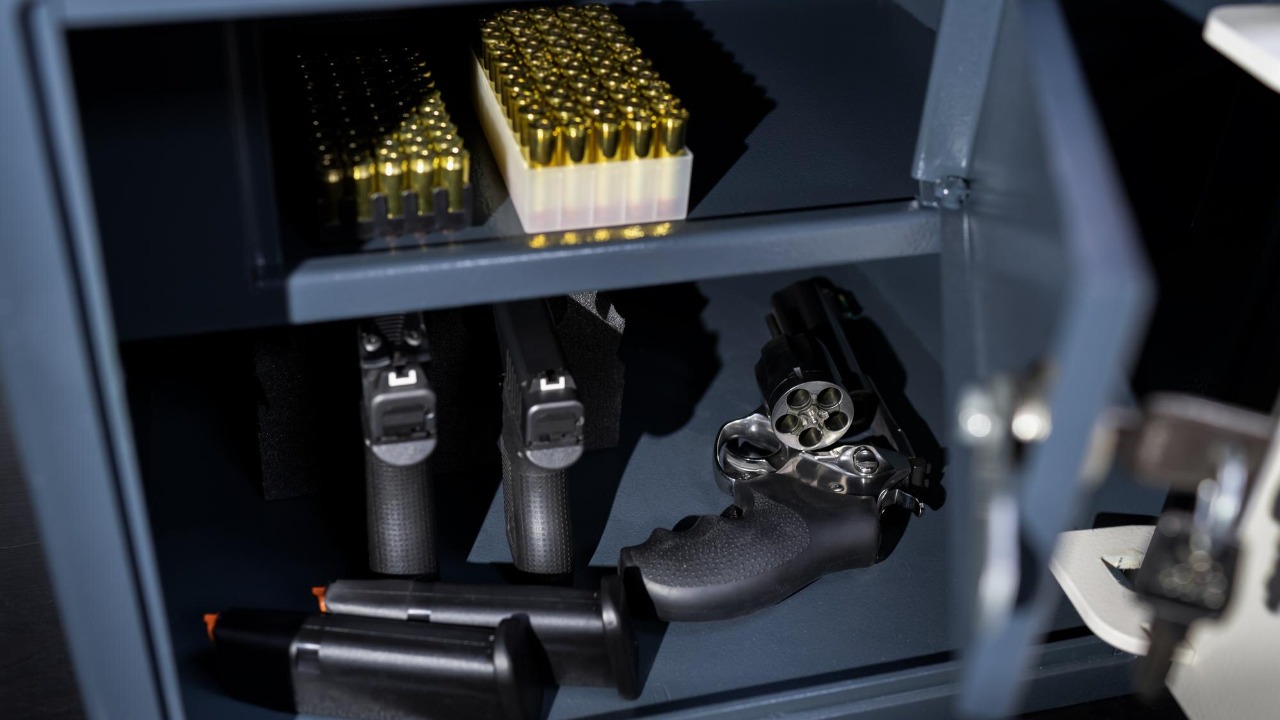
Other renter‑oriented resources emphasize that you should think about building rules and neighbors when choosing storage hardware. The same “Apartment Gun Storage” guidance that walks through “Tips for Storing My Firearm” notes that while a landlord reserves the right to set some conditions, they also have an interest in tenants using safes that can be anchored without damaging structural elements, and that a compact lockbox can often satisfy both safety and lease requirements in a Tips for Storing scenario. In practice, that can mean choosing a small, bolted safe in a closet over a heavy floor safe that might crack tile or violate building codes.
Storage units and off‑site options are not a legal escape hatch
Some renters, worried about roommates or inspections, consider moving their guns off‑site to a commercial facility. Storage‑industry guidance makes clear that this is rarely a clean solution, warning that “Can You Legally Store Firearms in a Storage Unit?” is a real question because Most facilities simply forbid it in their contracts. One operator explains that “Can You Legally Store Firearms” is answered in their rules with a flat ban, and that a tenant who ignores it can face termination of the Storage Unit lease, fines or even a lawsuit if something goes wrong in a Storage Unit context.
That means off‑site storage does not free you from the need to understand both gun law and property rules, it simply shifts the problem to a different landlord with a different contract. For many renters, a better approach is to comply with residential safe‑storage laws at home, using lockboxes or small safes that meet state standards, instead of trying to sidestep those duties by hiding weapons in a commercial unit where Man and company policies may be even less forgiving than a residential lease in the Can You Legally rules.
Why insurers and safety experts care how renters store guns
Behind all of these legal and contractual layers is a simple risk calculation that insurers and safety advocates have been tracking for years. A liability‑insurance study found that “Similar basic safety rules apply in the home” across a range of hazards, and that “Despite more than two‑thirds of parents reporting that they have safeguarded their homes against potential dangers, many overlook essential safety precautions.” That research was not limited to firearms, but it underlines how easy it is for people to assume they are covered because they lock doors or install smoke detectors, while missing specific duties like locking up a handgun in a nightstand in the Similar findings.

Leo’s been tracking game and tuning gear since he could stand upright. He’s sharp, driven, and knows how to keep things running when conditions turn.