Why some popular home safes fail basic fire safety standards
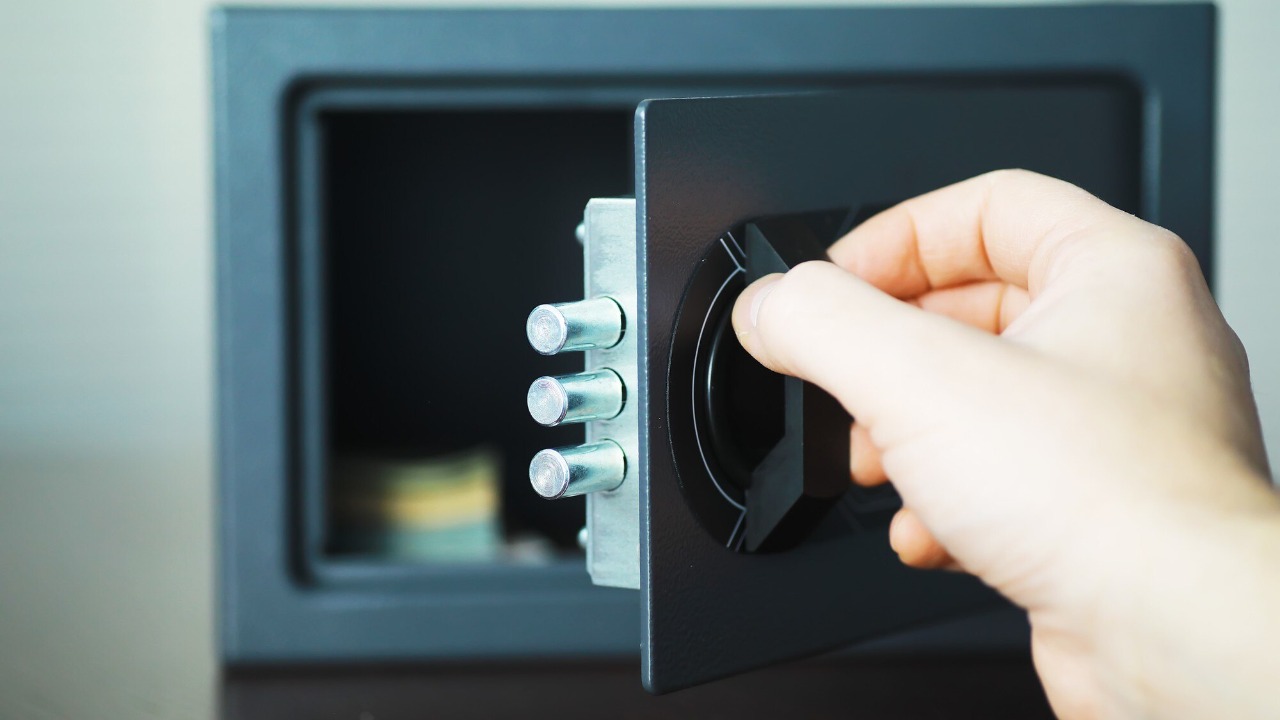
Many homeowners assume that a heavy metal box with a “fireproof” sticker will shield their passports, deeds, and hard drives from a house fire. In reality, a surprising share of popular home safes fall short of even basic fire safety expectations once real flames and smoke enter the picture. The gap between marketing language and tested performance can be the difference between recovering intact documents and opening a warped shell full of ash.
To understand why so many safes underperform, I need to look past glossy brochures and into how fire ratings work, how safes are actually built, and how manufacturers quietly cut corners. The result is a market where some products are carefully engineered around temperature thresholds and test protocols, while others rely on thin fireboard, vague labels, and consumer confusion.
Fire ratings are not what most buyers think
When people see a “30‑minute” or “60‑minute” badge on a safe, they often assume it will survive that long in any fire, which is not how these ratings work. A proper fire rating describes how long the interior of a safe can stay below a specific temperature while the exterior is exposed to a controlled furnace, and even then, safe is completely immune to extreme conditions. The benchmark for paper is usually 350 degrees Fahrenheit, because above that point paper begins to discolor and eventually ignite, so the clock on a rating is really a countdown to that internal threshold, not a guarantee of survival for the entire structure.
Fire labels also hide a second variable that many buyers miss, which is the starting temperature of the contents and the specific heat curve used in testing. A safe that keeps its interior below 350 degrees Fahrenheit for one hour in a controlled test might fail much sooner in a fast‑moving attic fire or a blaze that reaches higher peak temperatures. That is why detailed explanations of what you need to know about ratings emphasize that different contents, such as paper, film, or digital media, require different internal temperature limits and therefore different levels of protection.
How real fire tests expose weak construction
On paper, many safes claim similar fire performance, but controlled furnace tests quickly separate robust designs from cosmetic ones. In a typical protocol, a safe is placed in a furnace and the external temperature is ramped up to a target level, while sensors track the internal rise; as the furnace temperature climbs, the computer monitors the interior, and when the internal reading hits the specified limit, the test time is recorded. This approach exposes safes that rely on thin sheet metal or token fireboard, because their interiors heat up rapidly even if the exterior looks intact.
Some manufacturers publish detailed accounts of their own testing to show how their products behave under stress. In one example, a line of TF gun safes was kept in a test oven for 30 minutes, and during that fire testing the furnace temperature was raised to 1,200 degrees Fahrenheit within 8 minutes, while the interior was monitored to ensure it stayed below the point where paper ignites at 450 degrees Fahrenheit. That kind of transparency highlights how quickly a real fire can reach destructive temperatures and how much insulation and sealing it takes to keep the interior survivable.
Why cheap materials sabotage fire resistance
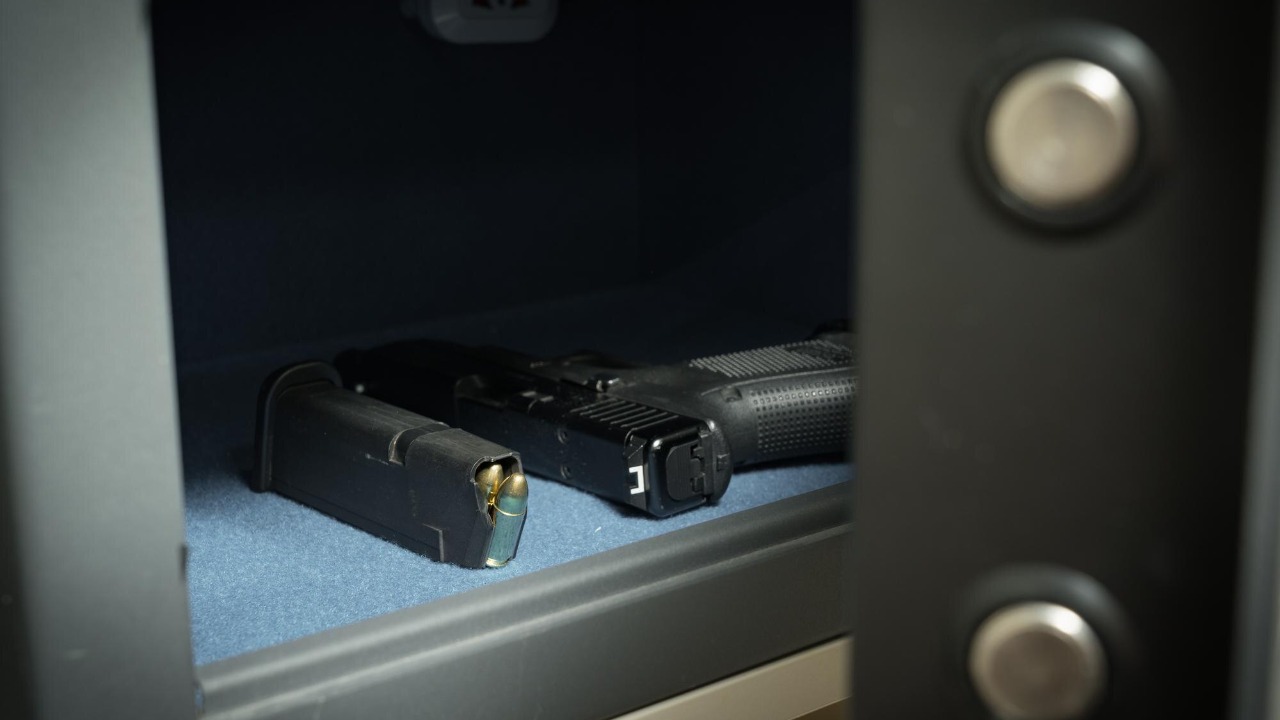
The most common reason popular safes fail basic fire expectations is simple cost cutting. Many budget models use thin steel shells, minimal fireboard, and even plastic components that deform early in a blaze, which is why one detailed breakdown notes that low quality materials in cheaper safes are easily compromised. When hinges, locking bolts, or door frames soften or warp, hot gases and smoke can pour into the interior long before the safe’s advertised time rating has elapsed, destroying documents even if the outer shell remains standing.
Retail‑friendly designs also tend to prioritize weight and price over thermal mass and insulation, which further undermines fire performance. Research into consumer behavior shows that many people who buy box store gun safes believe they are getting a high quality safe, yet research indicates these units can be pried open easily and are vulnerable in fires. When a safe is built from light gauge steel with minimal reinforcement, it may look substantial in a showroom but behave more like a metal cabinet than a true fire‑resistant container once temperatures spike.
Marketing tricks that inflate fire claims
Beyond materials, marketing language often stretches the truth about what a safe can survive. Some brands lean heavily on the type of fireboard they use, highlighting a high‑rated material in brochures while quietly reducing the number of layers inside the actual product; one insider account notes that they might use a high rated fireboard so they can talk about it in their marketing, but not actually include enough of it to provide the promised protection. This tactic lets a safe carry impressive sounding claims without the mass and cost that true fire resistance requires.
Labels like “fireproof” or “waterproof” are another red flag, because they suggest absolute protection that no consumer safe can deliver. Detailed guidance on home safe myths points out that when a product is advertised with those words but without a specific time and temperature rating, the “fireproof” claim is essentially meaningless. I see the same pattern in big box aisles, where packaging emphasizes buzzwords and lifestyle photos while burying or omitting the hard numbers that would let a buyer compare real performance.
Why “fire-resistant” is not the same as “fireproof”
Even when labels are technically accurate, the language can mislead. Most home safes are explicitly described as “fire‑resistant,” not fireproof, which means they are designed to withstand heat for a limited period rather than indefinitely; one analysis notes that most home safes fall into this category. The problem is that many consumers read “fire‑resistant” as a blanket assurance that their contents will survive any plausible house fire, when in reality the safe might only protect paper for 30 minutes in a controlled test and fail much sooner in a hotter or longer event.
Water damage complicates the picture further. The same analysis points out that a burst pipe or firefighting hose can flood a safe and ruin its contents long before the owner even notices, and that similarly, moisture can destroy documents and electronics even if flames never reach the safe. When a product glosses over these limits, buyers can end up trusting a level of protection that simply is not there.
Temperature thresholds and what they mean for your valuables
To judge whether a safe’s fire rating is meaningful, I have to look at the specific temperature thresholds it is designed around. For paper, the critical number is 350 degrees Fahrenheit, because above that point documents begin to char and lose legibility, which is why detailed rating guides explain that a fire rating tells you how long the inside of a safe can remain below 350 degrees Fahrenheit during exposure to high heat, and that what is called a fire rating is really a measure of interior temperature control. For digital media, the bar is even lower, since hard drives and flash memory can be damaged at temperatures that would leave paper untouched.
Some manufacturers spell out these thresholds in detail, noting that evaluating the level of heat protection involves examining the container’s internal temperature tolerances and that temperature tolerances evaluating performance must account for the fact that paper begins to char around 387 degrees Fahrenheit. That gap between 350 and 387 degrees Fahrenheit is not a safety margin so much as a warning zone, where documents may technically survive but suffer irreversible damage. When a safe’s rating is barely adequate for paper, it is almost certainly inadequate for sensitive electronics or archival materials that need much cooler conditions.
How manufacturers quietly compromise on fireboard
Inside the walls of a fire‑rated safe, the unsung hero is usually fireboard, a dense insulating material that slows heat transfer. Proper fire protection often requires multiple layers of this board on all sides, including the door, but that adds weight and cost, so manufacturers look for ways to trim. One industry explanation notes that the most common compromise is to reduce the amount of insulation, and that most common compromise is to use less fireboard or concentrate it in marketing‑visible areas while leaving other sections thin.
Some brands go further by selecting a high rated fireboard material so they can tout its properties in brochures, then installing only a token amount in the actual safe. As one candid description puts it, they might use a high rated fireboard so they can talk about it in their marketing, but not actually include enough of it to provide the promised protection. From the outside, the safe looks like a bargain with premium materials, yet in a real fire the thin insulation allows heat to penetrate quickly, cutting the effective survival time far below the advertised rating.
Why independent testing and cooling cycles matter
Another reason some popular safes fail basic fire standards is that their ratings are based on in‑house tests that do not match rigorous third‑party protocols. Under more demanding standards, the safe is not only heated for a set period but also left inside the furnace during the cooling phase, because contents can continue to cook as the exterior slowly cools. Detailed descriptions of UL procedures explain that during the cooling process during testing, the safe remains inside the furnace even after the heat is turned off, which simulates the way a real building fire cools down over time.
Safes that only advertise a “30‑minute at 1,200 degrees” claim without clarifying whether a cooling cycle was included may have never been subjected to this more punishing scenario. In contrast, detailed fire rating explanations describe how when the internal temperature reaches the specified limit, the test is stopped and the safe is allowed to cool, underscoring that the full thermal cycle, not just the peak, determines whether contents survive. Without independent verification of that process, a glossy rating badge may be little more than a marketing promise.
What evolving trends mean for safer home storage
The good news is that fire protection technology is improving, even as some mass‑market products lag behind. Recent overviews of home safe trends note that advanced fire protection is becoming more rigorous and transparent, with advanced fire protection ratings that spell out time, temperature, and test protocols. Modern designs increasingly use multiple layers of fireboard, reinforced doors, and better door seals to keep sensitive documents and electronics inside below critical temperatures for longer periods.
At the same time, detailed guides to Jul fire ratings emphasize that consumers need to match safe specifications to their actual risk profile, including the likely duration and intensity of a house fire in their area. For some, that may mean pairing a high rated home safe with off‑site or professional vault storage for irreplaceable items, rather than trusting a lightweight box store model that was never engineered to survive the worst‑case scenario.

Leo’s been tracking game and tuning gear since he could stand upright. He’s sharp, driven, and knows how to keep things running when conditions turn.