15 of the most striking fish species found in American lakes
American lakes hold some of the most striking fish on the planet, from neon panfish to ancient river monsters that wander into reservoirs. I have spent years chasing these species across clear northern shield lakes, sprawling southern impoundments, and desert sinkholes, and the variety still surprises me. Here are 15 fish that prove you do not need saltwater to find color, odd anatomy, or flat-out attitude in freshwater.
1. Tiger muskie
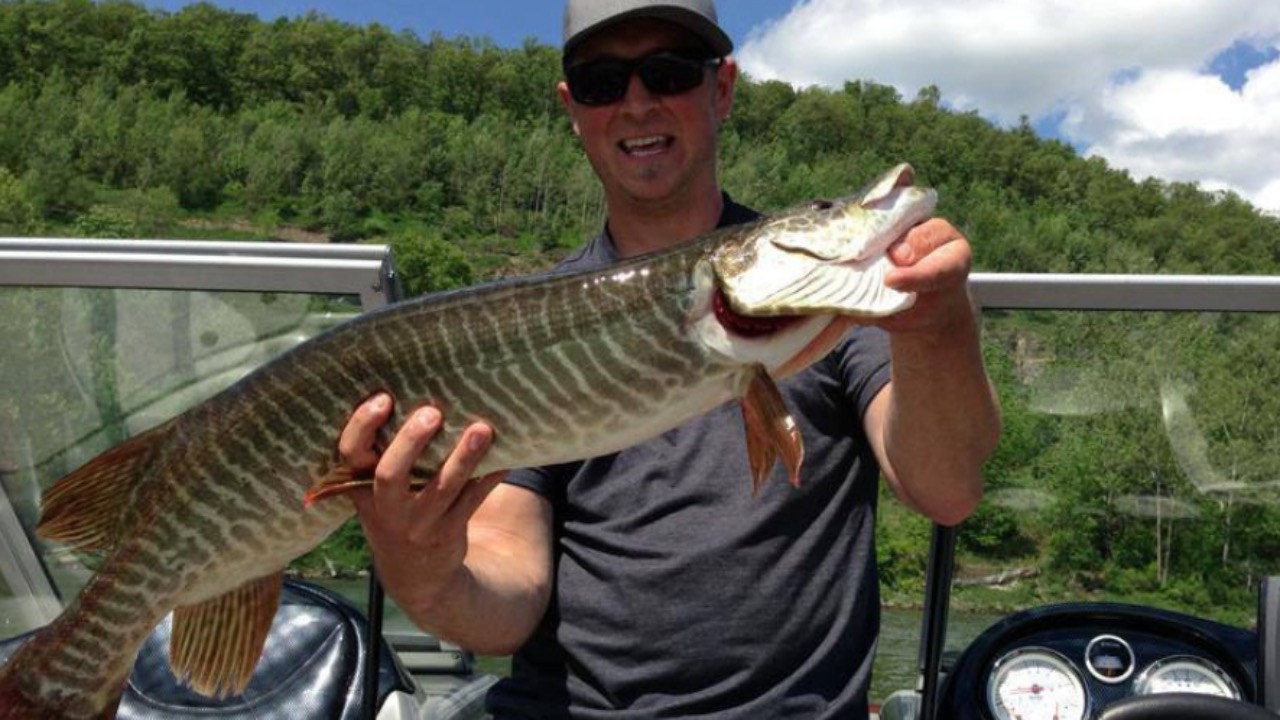
The tiger muskie is a hybrid predator that looks like it was painted by a careful hand, with vertical bars and mottling that give it the “Stunning Stripes” reputation highlighted in an Apr feature on freshwater beauty. That same piece calls the tiger muskie a “Vicious Predator,” and anyone who has watched one track a figure‑eight beside the boat knows why. Stocked in lakes across the upper Midwest and West, it turns big, open water into serious hunting ground.
Because tiger muskies are sterile, managers can fine tune their numbers in heavily used lakes without worrying about overpopulation. That makes them a powerful tool for controlling panfish or rough fish while giving anglers a shot at a trophy that looks like it swam out of a tropical reef. Their presence also shapes how other species behave, pushing perch, suckers, and even stocked trout into tighter schools and deeper structure.
2. Pumpkinseed sunfish
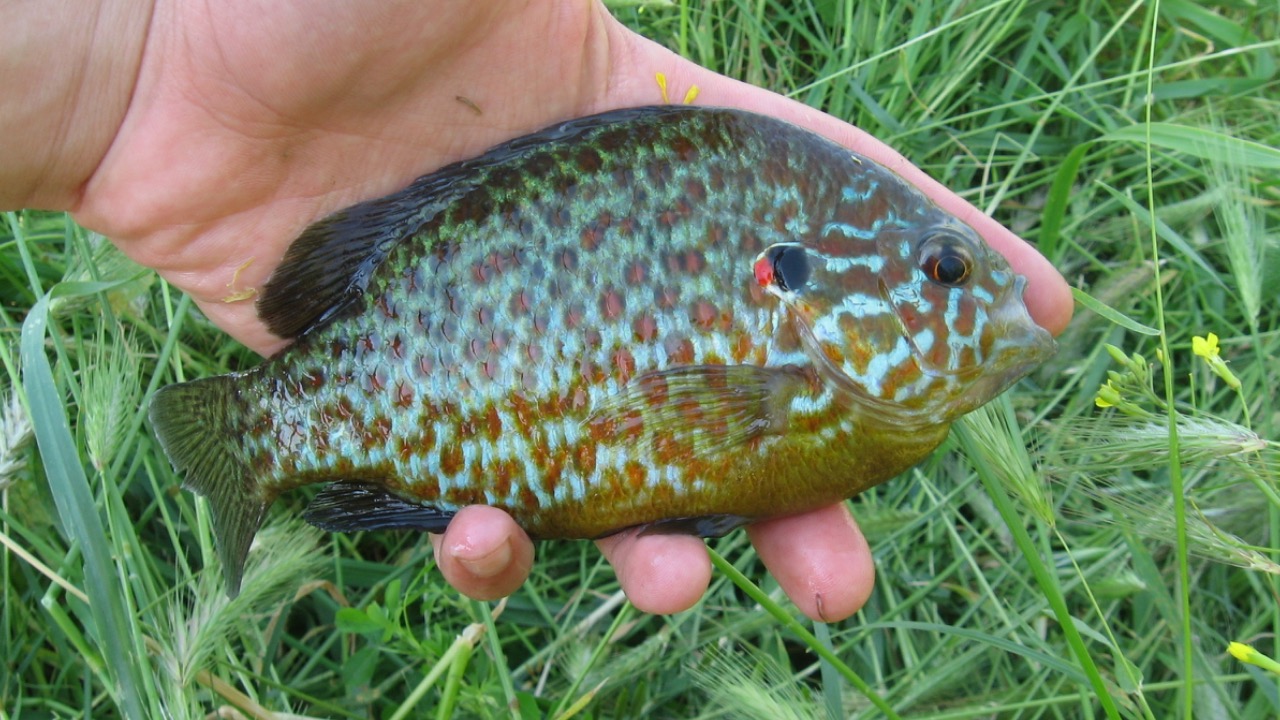
The pumpkinseed sunfish is the freshwater showoff that even non‑anglers notice at the dock. In the same Apr rundown of pretty fish that praised the tiger muskie, the pumpkinseed was singled out as one of freshwater’s “flashy showstoppers,” with turquoise lines on the cheeks and a red spot on the ear flap that glows in clear water. In weedy natural lakes and small reservoirs, they light up the shallows like swimming stained glass.
These fish thrive in the kind of family‑friendly lakes that see heavy summer pressure, which means they often serve as a first catch for kids. That early connection matters, because the more people who have watched a pumpkinseed flare its fins in a bucket, the more support there tends to be for shoreline habitat work and water‑quality rules that keep those weedbeds healthy. Their beauty becomes a quiet argument for better lake management.
3. Chiselmouth
The Chiselmouth is one of those native oddballs that most anglers in the United States have never heard of, even though it lives in big rivers and lakes of the Pacific Northwest. Writer Ben Cantrell highlighted the species in a Jun feature on overlooked freshwater fish, noting its specialized lower jaw that looks like a tiny masonry tool. That mouth is built to scrape algae and biofilm off rocks, a job that keeps lake shallows from getting overgrown with slime.
Because Chiselmouth feed so low on the food chain, they are a good indicator of how healthy a lake’s base productivity really is. When they are abundant, it usually means there is a stable layer of algae and invertebrates supporting everything above them, from whitefish to trout. Ignoring fish like this in surveys and regulations can leave managers blind to early warning signs of nutrient problems or invasive plants.
4. American paddlefish
The American paddlefish looks like a relic from another era, with a long rostrum that can be nearly a third of its body length and a smooth, sharklike tail. A Sep video on strange North American fish described the American paddlefish as an ancient lineage that fascinates biologists and aquarists, and noted that despite its odd appearance, this fish is not endangered in parts of its range. Reservoirs on big river systems have become important strongholds.
In lakes where paddlefish persist, they filter zooplankton with gill rakers instead of chasing prey, which gives them a different role than other giants like catfish or gar. Their presence signals that managers have kept at least some connection between reservoirs and upstream spawning habitat. When those migration routes are cut off, entire age classes can vanish, so paddlefish quickly become a litmus test for how dams and water withdrawals are handled.
5. Alligator gar
The alligator gar is the heavyweight lurking in many southern reservoirs and oxbow lakes, with a torpedo body and a head that looks like it belongs on a reptile. A Feb rundown of must‑catch American fish described it as a supercharged piece of muscle, built from thousands of miles of “reps” in big river systems before many populations shifted into lakes behind dams. That history explains why they handle current, flooded timber, and open basins with equal ease.
In large impoundments, alligator gar help keep rough fish and overabundant shad in check, which can indirectly benefit sport species like bass and crappie. They also attract a niche group of bowfishers and rod‑and‑reel hunters who are willing to travel and spend money in rural communities. When regulations protect the biggest breeders, those economic benefits can line up neatly with long‑term conservation goals.
6. Bear Lake sculpin
The Bear Lake sculpin is a small, bottom‑hugging fish that lives almost nowhere else, confined to the deep, Caribbean blue waters of Bear Lake on the Idaho and Utah border. A Jun profile of unusual freshwater species pointed out that Bear Lake holds four fish found nowhere else, and the sculpin is a key piece of that puzzle. Its mottled body and oversized head are built for life on rocky lake floors rather than in flowing trout streams.
Because the Bear Lake sculpin is so localized, any change in that single lake’s water level, temperature, or chemistry hits the entire global population at once. That raises the stakes on everything from shoreline development to irrigation withdrawals. Protecting this one odd little fish means treating Bear Lake as more than a vacation spot, recognizing it as a reservoir of genetic diversity that does not exist anywhere beyond Idaho and Utah.
7. Devils Hole pupfish
The Devils Hole pupfish is often called The Rarest Fish on Earth, and it lives in a flooded limestone cavern rather than a classic lake, but its story shapes how we think about desert waters across Nevada. Reporting on its status noted that nearby Ash Meadows National Wildlife Refuge covers a 23,000-acre landscape of springs and pools that support related species. The pupfish itself hangs on in a single deep crack in the rock, with wild numbers once dipping to around 175 individuals.
That razor‑thin margin has turned every gallon of groundwater in the region into a point of contention. When pumping lowers the water level in Devils Hole, the shallow shelf where the fish spawn can dry out, threatening the entire species. The pupfish has become a symbol of how fragile isolated desert lake systems can be, and how quickly development decisions in Nevada can push them toward collapse.
8. Burbot
The Burbot, or Lota lota, is the only freshwater member of the cod family, and in the Great Lakes it grows into a serious predator. A summary of large regional fish listed Burbot (Lota lota) reaching up to 41.89 lbs, with photos credited to Krugloff that show a long, mottled body and a single chin barbel. That codlike build stands out in inland lakes where most big fish are pike, trout, or salmon.
Burbot spawn in winter under the ice, which means they use a time slot that other predators mostly ignore. In deep northern lakes, they help move energy from cold‑water forage like smelt and cisco into the rest of the food web. Anglers who learn to target them at night with glow spoons or dead bait often discover an underused resource, and that pressure can spread harvest away from already stressed walleye or lake trout stocks.
9. Arctic Grayling
The Arctic Grayling is a lake and river fish that looks like it belongs in a painting, with a tall, sail‑like dorsal fin streaked in blues and purples. A profile of North America’s most beautiful fish noted that the largest recorded Arctic Grayling weighed only 8.4 pounds, so it is not a giant by any stretch. What makes it remarkable is the way that fin catches the light when the fish rolls in clear northern water.
In the Lower 48, grayling hang on in a handful of cold lakes and connected rivers, mostly in Montana and parts of the upper Midwest, while Alaska still holds strong populations. Because they need clean, cold water and intact spawning tributaries, they serve as a clear signal of how climate change and development are reshaping northern lake country. Where grayling disappear, it usually means other cold‑water species will not be far behind.
10. Largemouth bass
The largemouth bass might be the most familiar fish on this list, but in many American lakes it is also one of the most visually striking, with a dark lateral stripe and a wide, bucket mouth. According to the most recent National Survey of Fishing, Hunting, Wildlife, Associated Recreation, largemouth rank among the top targets for anglers nationwide, which means their image is tied directly to license sales and gear purchases. That popularity gives them outsized influence on how lakes are managed.
Because so many people chase largemouth, agencies often prioritize water levels, vegetation control, and stocking plans that keep bass fishing strong. That can be a double‑edged sword. On one hand, it funds boat ramps, invasive‑species checks, and research. On the other, it can overshadow less charismatic native fish that share the same lakes. Balancing those interests is one of the ongoing challenges in modern freshwater management.
11. Channel catfish
The Channel catfish is a workhorse predator that turns up in reservoirs, natural lakes, and big river backwaters across much of the country. Federal biologists note that Channel catfish spawn at different times depending on latitude, using cavities and undercut banks when water temperatures line up. That flexibility helps them thrive in everything from shallow prairie lakes to deep southern impoundments where water levels swing with power demand.
In many lakes, channel cats are the main way anglers tap into the night shift, soaking cut bait or stink baits along drop‑offs after dark. They convert rough fish, dead shad, and invertebrates into heavy fillets that feed a lot of families. When managers set sensible size limits and protect key spawning habitat, these fish can handle steady harvest without losing their role as one of the most reliable food sources in freshwater.
12. Smallmouth bass
Smallmouth bass bring bronze color and red eyes to rocky lakes that might otherwise feel monochrome. They are a favorite in clear northern waters, where they patrol boulder points and offshore reefs. A feature on the hardest fighting freshwater fish in North America singled out smallmouth for their acrobatics and stamina, especially in big, windswept lakes where they can use deep structure and current to their advantage.
Because smallmouth thrive in clear, cool water with plenty of rock, they often benefit from invasive species like zebra mussels that increase water clarity, even as those same invaders hurt native mussels and change nutrient cycles. That puts managers in a tricky spot. Anglers celebrate booming smallmouth fisheries, while biologists worry about long‑term shifts in the food web. The fish become a visible winner in a much more complicated ecological story.
13. Lake trout
Lake trout are the deep‑water kings of many northern and alpine lakes, with a marbled pattern and white fin edges that stand out when they rise from the depths. They are native to cold, oligotrophic lakes, but have been stocked widely, sometimes with mixed results for native species. Articles on the most biodiverse lakes in North America often mention systems where lake trout share space with whitefish, cisco, and char, creating layered predator communities.
These fish are sensitive to warming surface temperatures and reduced oxygen in deep basins, which makes them an early casualty when climate patterns shift. As ice seasons shorten and stratification changes, lake trout lose some of the cold refuge they rely on. That forces managers to rethink stocking, harvest limits, and even whether certain lakes can realistically support trophy trout in the future.
14. Bluegill
Bluegill are the classic panfish of American lakes, with a round body and dark opercular flap that kids recognize instantly. In many paintings of colorful fish, artists lean on bluegill and related sunfish to show off the “thriving bounty of the wilderness lake bed,” as one collection of artwork put it. Their copper sides and barred flanks are especially vivid in clear farm ponds and small natural lakes with healthy weedlines.
Because bluegill spawn multiple times a season in warm water, they can quickly overpopulate if predators are removed or if anglers keep too many medium‑sized fish. That leads to stunted populations and skinny fish. On the flip side, carefully managed lakes with slot limits and strong bass numbers can grow hand‑sized bluegill that anchor local ice‑fishing and summer bobber bites, bringing steady traffic to small towns and bait shops.
15. Bowfin
Bowfin are often written off as “trash fish,” but in the right light their green backs, black tail spot, and long dorsal fin make them one of the most striking predators in weedy lakes. A Feb list of American freshwater targets grouped bowfin alongside alligator gar and buffalo as powerful, underappreciated fish that deserve more respect. Their ability to gulp air lets them thrive in backwaters and vegetated coves where oxygen levels crash in late summer.
In many lakes, bowfin help control overabundant panfish and rough fish that hide in thick cover where other predators struggle to hunt. They also give anglers a hard‑pulling alternative when bass or pike are slow, especially in shallow, swampy systems. As more people learn to value native rough fish, bowfin are starting to shift from being maligned to being recognized as a key part of healthy, wild‑feeling lake ecosystems.

Asher was raised in the woods and on the water, and it shows. He’s logged more hours behind a rifle and under a heavy pack than most men twice his age.