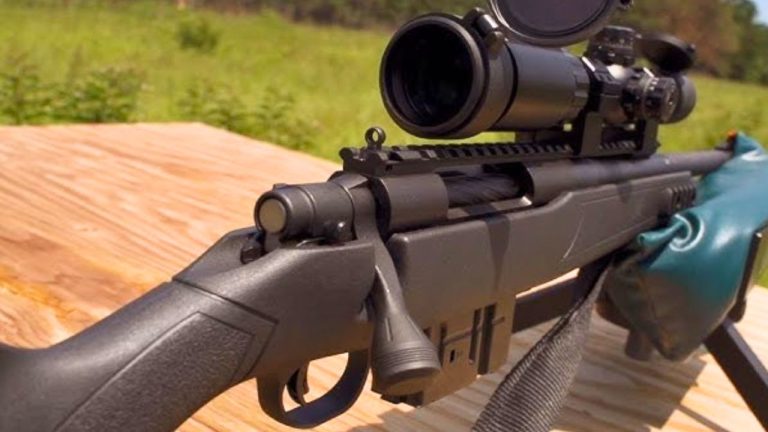
A survivalist weighs in on how many guns are actually practical to own
In preparedness circles, the question is not whether to own a gun, but how many actually make sense once you factor in training, maintenance, and real-world risks. Survival-minded shooters talk about arsenals that range from a single shotgun to entire safes of rifles and pistols, yet the emergencies they plan for rarely reward excess over skill and logistics. I set out to weigh those tradeoffs through a survivalist lens, focusing on what a practical, resilient firearm setup really looks like when the goal is to get through bad days, not just fill a gun room.
The survivalist problem: need versus want
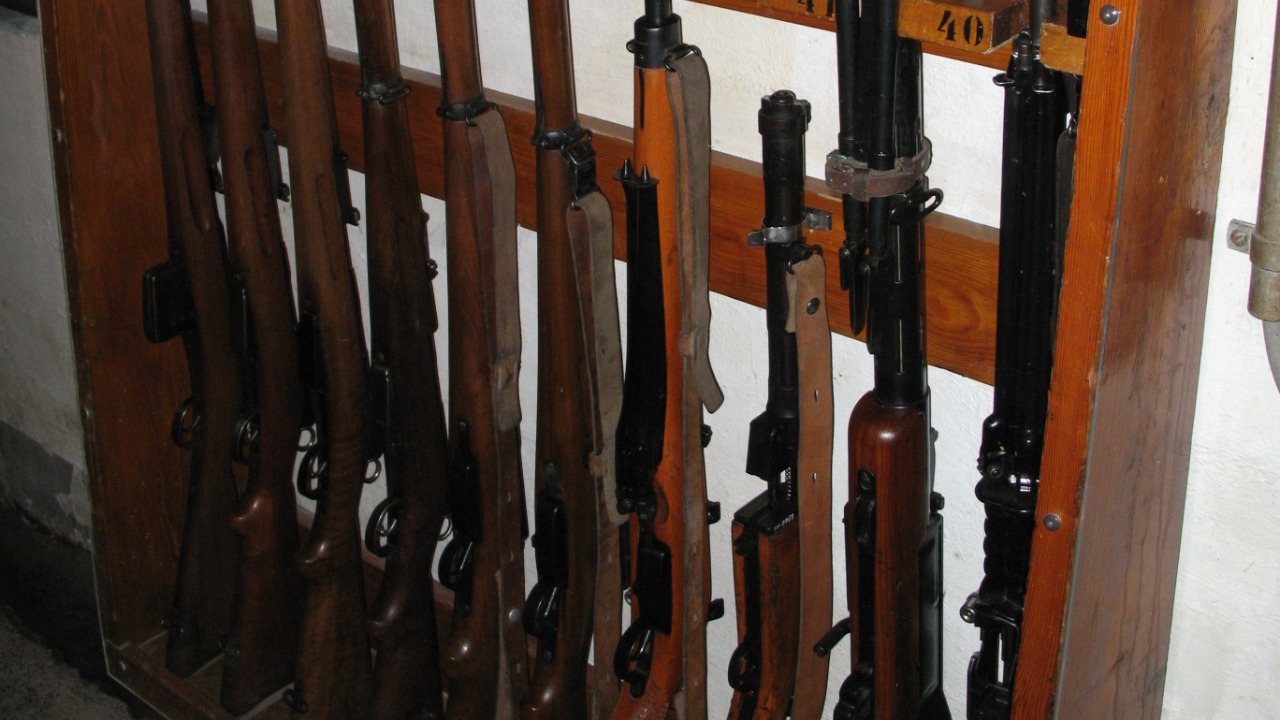
From a survival standpoint, the first distinction I draw is between tools and trophies. A practical battery is built around specific jobs like home defense, hunting, and discreet carry, while a collection is driven by curiosity, nostalgia, or aesthetics. Even gun owners who identify as preppers admit that once you move past a core set of roles, additional purchases are often about enjoyment rather than necessity, and that is where the line between survival planning and hobbyist collecting starts to blur.
That tension shows up clearly when experienced preppers argue that owning more than a handful of similar firearms shifts you into collector territory. One widely cited rule of thumb is that having More than 2 to 3 guns in each major category, handgun, rifle, and shotgun, usually signals that you are accumulating for its own sake rather than sharpening your preparedness. Another seasoned voice puts it more bluntly, telling an enthusiast that Your use of guns sounds more like a hobby than a prep if you cannot clearly explain when each one will be needed.
Why most survivalists converge on three to four guns
When I strip away the noise, I keep coming back to a surprisingly modest number: three to four firearms that cover the most likely scenarios. That range appears again and again in serious preparedness discussions because it balances redundancy with simplicity. A compact handgun, a defensive rifle, and a shotgun or small-game rifle can collectively handle personal protection, home defense, and putting food on the table, without overwhelming you with maintenance or training demands.
Several experienced voices argue that owning three to is enough even for worst-case scenarios, especially if you keep your calibers streamlined. Others echo that view in more informal settings, noting that Most folks already have more than they truly need and that Really the only absolutely critical must haves are a semi-auto . 308 rifle, a reliable handgun, and a basic shotgun if you are really broke. Even content creators who focus on rifles alone talk about narrowing down to just three AR-15s they plan to keep for the coming year, as in one recent video where the host explains why Jan is the moment he finally trimmed his stable to a few well-understood carbines.
The minimalist “three-gun” survival battery
When I advise people who want a lean, practical setup, I usually start with a three-gun framework that mirrors what many preparedness instructors recommend. The first slot is a concealable handgun that you can carry daily and shoot confidently at close range. One popular breakdown describes Something small and concealable on your person, effective inside 25 yards, as the non-negotiable baseline for personal defense when you are away from home.
The second and third slots typically go to a defensive rifle and a shotgun. A common template is a High capacity striker-fired semi-auto pistol in 9 mm with an High quality RDS, an AR-pattern carbine, and a pump shotgun such as a Remington 870 or Mossberg 590 with simple peep sights. That trio covers concealed carry, mid-range defense, and close-quarters or hunting roles with minimal overlap. It also aligns with broader lists of Guns Every American, which often highlight the Ruger 10/22 as a Best Classic Rifle, the 1911 as a Best Classic Pistol, and the Mossberg 500 series as a versatile shotgun platform.
Caliber discipline and the K.I.S.S. rule
Once you decide how many guns you can realistically run, the next survivalist question is how many calibers you can afford to feed and train with. I lean heavily on the Keep It Simple Stupid mindset, because every new cartridge you add multiplies your logistical burden. Stockpiling ammunition, magazines, and spare parts for a dozen different calibers is far harder than going deep on a few common ones that you can find in almost any rural hardware store or big-box chain.
Seasoned preppers often spell this out explicitly, urging people to follow the Keep It Simple approach and stick to just a few calibers that way. Liberal gun owners who think carefully about logistics make a similar point, arguing that If the current events have you considering purchasing a weapon, you should focus on three widely available calibers that will get you through most situations should it come to that. In practice, that usually means a mainstream handgun round like 9 mm, a common rifle cartridge such as 5.56 or . 308, and a standard shotgun gauge like 12 gauge, rather than a shelf full of exotic options.
Training, not hardware, is the real force multiplier
From a survivalist’s perspective, the most underappreciated constraint on how many guns are practical is your training bandwidth. Every additional platform you own demands time on the range to build and maintain competence, and that time is finite. Many preppers now argue that firearms are actually one of the least useful preps if they come at the expense of medical skills, water storage, or basic repair knowledge, pointing out that While self-defense from others is a prep, there are so many more statistically likely perils than being attacked that a Semi-automatic, centerfire rifle will not solve.
Professional instructors quietly reinforce the same message by building their classes around low-recoil, affordable training tools. One program, for example, requires that All firearms used during the live-fire portion of the class be chambered in .22LR, because this cartridge produces very little recoil and is an excellent option for training. That emphasis on repetition and fundamentals is echoed in guidance for first-time rifle buyers, which notes that the .22 Long Rifle dominates the rimfire world precisely because it is inexpensive, super low recoiling, versatile, and efficient. In other words, a single .22 and a case of ammunition will do more for your survival odds than a safe full of unshot magnums.
Redundancy, backups, and the “two is one” mindset
Even minimalists accept that some redundancy is smart, especially for critical roles like daily carry or home defense. The classic prepper saying, Two is one and one is none, captures the idea that any single tool can fail at the worst possible moment. One experienced commenter spells this out while cautioning that Two is one and one is none, but that does not mean you need 12 AR 15s when you can use the money for ammunition and training instead.
Minimalist gun owners echo that logic by recommending that whatever you like to wear and can shoot well on the spot, you should get two of them or something similar and then stop. One liberal gun owner describes this as an optimal minimalist collection, where you have a primary and a backup for your main defensive role but avoid spiraling into endless variants. In practice, that might mean two nearly identical striker-fired pistols, or a pair of compatible AR-pattern rifles that share magazines and parts, rather than a dozen different platforms that each require their own manual of arms.
Choosing roles: defense, hunting, and realistic threats
Deciding how many guns are practical also means being honest about what you are preparing for. Survival-minded shooters with real-world experience often argue that it is better to prepare for the situations you are most likely to encounter, and then pick the appropriate tool. One prepper who has lived through natural disasters and civil unrest notes that Jan is a good reminder that a single versatile rifle can make more sense than a wall of specialized guns, especially if you live in an area where hunting and defense overlap.
That pragmatic mindset also shapes how people think about specific platforms. Some survivalists gravitate toward the AR-15 because The AR might hold the edge in a crisis due to its lighter weight and its ability to be readily modified and upgraded. Others emphasize that Shotguns are the most versatile firearms ever made and that There is no other type of firearm that can do everything that shotguns do, from bird hunting to close-quarters defense. In practice, that means a single 12 gauge pump can often replace two or three niche guns, which again keeps your total count down while your capability stays high.
Budget rifles, classic picks, and avoiding overlap
For many people, cost is the final constraint that forces a realistic answer to how many guns are practical. Budget-minded preppers increasingly look to affordable rifles that can run both premium and bulk ammunition with little fuss, favoring simple blowback or gas systems that are easy to clean and maintain. A recent rundown of Dec budget rifles that preppers trust for SHTF scenarios highlights platforms where spare parts are widely available and aftermarket support is strong, which again argues for a few common workhorses rather than a stable of rare or finicky designs.
Classic recommendations reinforce that same pattern. Lists of core firearms often start with the Ruger 10/22 as a Best Classic Rifle, a 1911 as a Best Classic Pistol, and a Mossberg shotgun as a reliable do-everything long gun. Detailed prepper guides on defensive guns caution against tiny revolvers and . 380 pocket pistols for primary roles, with one expert asking Why not a five-shot J-frame or . 380 pocket rocket, then answering that while they are fine backups, they are not ideal for the wide range of threats you might encounter outside of training. The takeaway is simple: pick a few proven, full-capability guns that complement each other, and resist the urge to buy multiple firearms that all do the same narrow job.
So how many guns are actually practical?
When I put all of this together, my survivalist answer is that three to four well-chosen firearms are enough for almost everyone, with a fifth or sixth only if you have a specific, clearly defined role that is not already covered. A compact handgun for daily carry, a mid-size pistol or revolver for home defense, a reliable rifle, and a versatile shotgun or .22 rifle will handle nearly any realistic emergency you are likely to face. Beyond that, each additional gun should have to justify itself in terms of unique capability, not just novelty.
That does not mean there is anything wrong with collecting for pleasure, but it does mean being honest about where preparedness ends and hobby begins. If your safe is full yet you have not invested in medical kits, water storage, or training classes that require All that .22 practice, your priorities are probably upside down. In the end, a small, coherent set of firearms that you shoot often, maintain well, and can feed with a few common calibers will do far more for your resilience than a sprawling arsenal you barely know how to run.

Leo’s been tracking game and tuning gear since he could stand upright. He’s sharp, driven, and knows how to keep things running when conditions turn.