After Latest Assassination Attempt, Conservative Voice Mocks Gun Control Push
The dust from gunfire at the White House Correspondents’ Dinner had not even cleared when the usual calls for tighter gun restrictions began. You have watched this cycle repeat after high-profile attacks, yet this third attempt on President Donald Trump stood out for its timing and setting. A conservative commentator stepped forward not to echo the demands but to question them directly. His remarks cut against the grain, framing the push for new laws as disconnected from the realities of the incident. With legally acquired weapons involved and a determined attacker who breached layers of security, the moment invited scrutiny of long-standing arguments on both sides. You sense the frustration building among those who see the response as predictable rather than practical.
Unpacking the Events at the Dinner
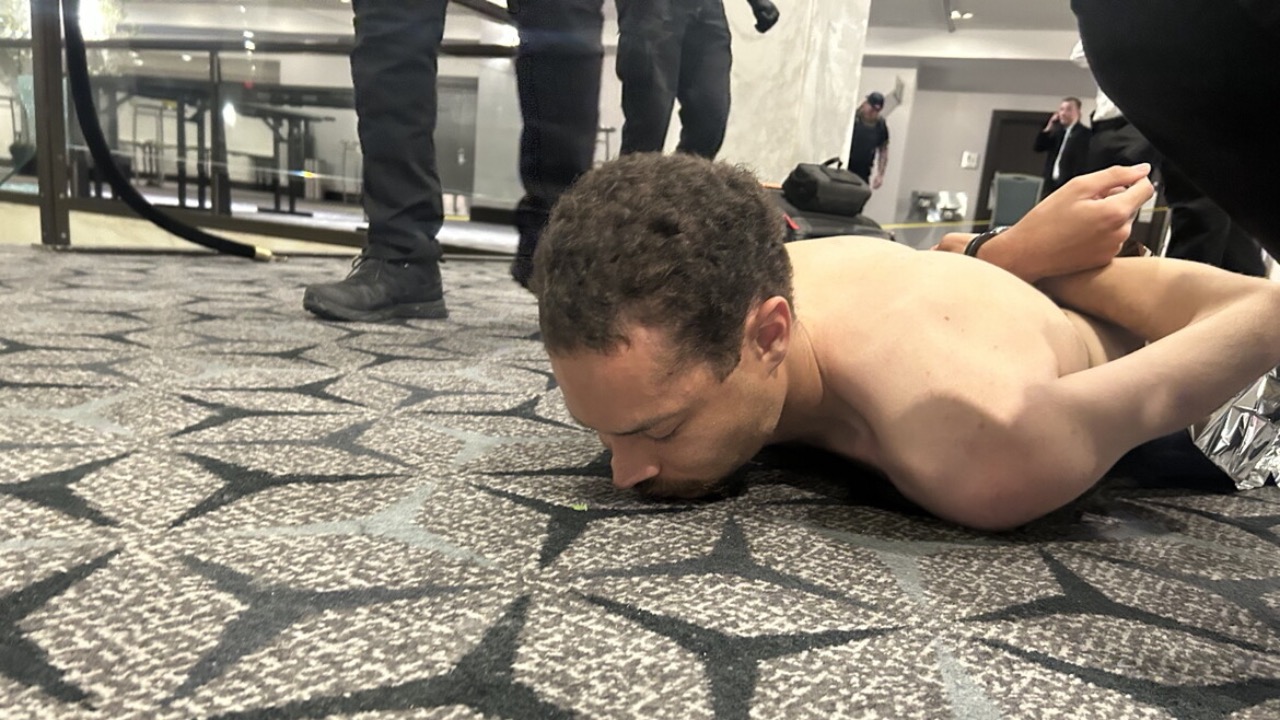
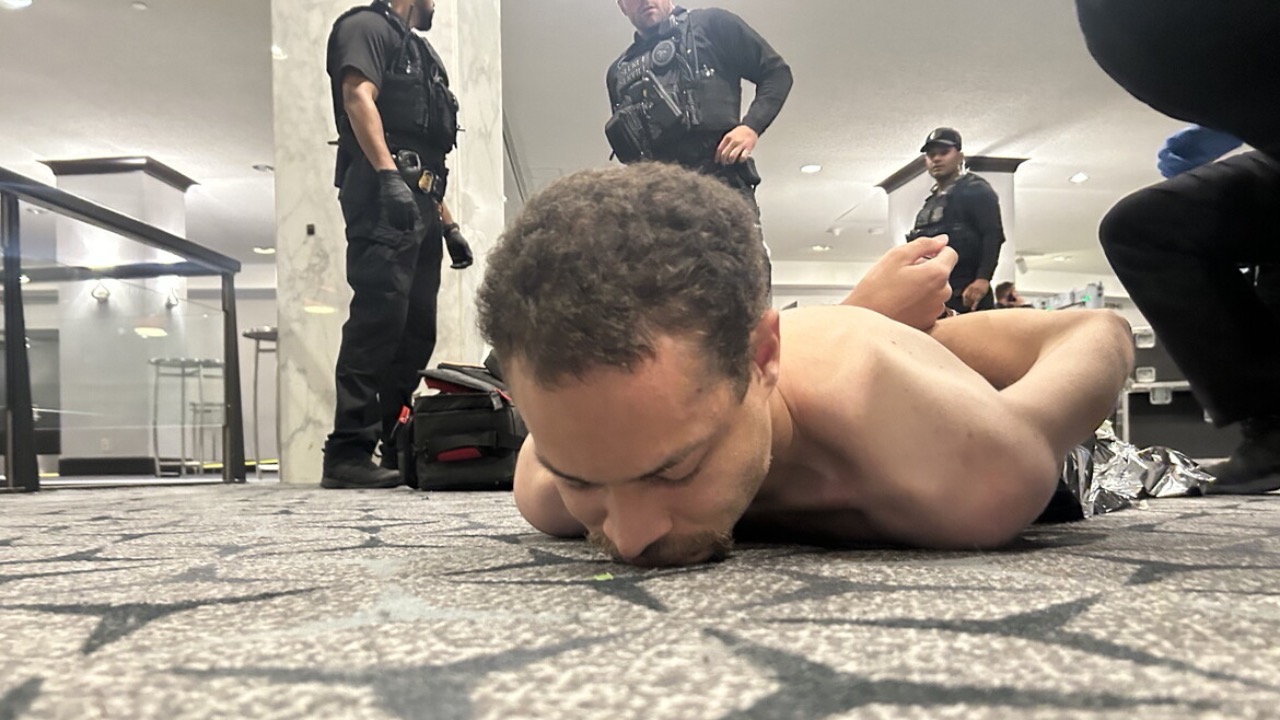
The attempt unfolded on April 26 at the Washington Hilton during the annual Correspondents’ Dinner. Cole Tomas Allen, a 31-year-old from California, rushed a security checkpoint on an upper floor. He carried a shotgun and a handgun, both purchased legally years earlier, and managed to fire one round that struck a Secret Service agent’s protective vest. Agents quickly subdued him before he reached the main area where Trump and other officials gathered. The president was evacuated safely, though the episode rattled everyone present. You can imagine the tension in the room as details emerged about his methodical approach, including a cross-country train trip to position himself near the event.
Investigators later described premeditation based on items found with him and his online activity. He expressed clear anger toward the current administration in writings recovered afterward. The incident marked the latest in a string of threats against Trump, coming after two prior attempts in recent years. Security protocols held, but the breach exposed vulnerabilities even in a heavily guarded setting filled with press and political figures. Observers noted how quickly the evening shifted from celebration to crisis, leaving many to reflect on the persistent risks in public life.
Getting to Know the Man Behind the Attempt
Allen had no prior criminal record that barred him from owning firearms. Records show he acquired the weapons through standard channels well before the event. His background as a teacher and Caltech graduate surprised some who followed the story, given the calculated nature of his actions. Authorities charged him with attempted assassination, citing evidence that he targeted Trump and members of the administration. You see how his profile complicates simple explanations, as he operated within existing legal frameworks rather than relying on illicit sources.
His manifesto and postings revealed deep dissatisfaction with government policies under Trump. This aligned with reports of liberal-leaning views that fueled his decision. The case drew comparisons to other politically motivated acts, though investigators emphasized his individual grievances over organized ties. Public discourse quickly turned to his access to guns, yet the legal ownership raised questions about whether additional restrictions would have altered the outcome. The details painted a picture of personal determination overriding safeguards in place.
How Lawmakers Responded with Gun Control Ideas
Democrats moved fast to link the shooting to broader calls for reform. Representative Jamie Raskin suggested the moment could build support for universal background checks, arguing it reflected what most Americans wanted. Pennsylvania state Representative Malcolm Kenyatta went further, urging bans on military-grade weapons to prevent similar threats. Their statements recycled familiar proposals, positioning the attempt as fresh evidence for long-advocated changes. You notice the speed with which these ideas surfaced, almost as if scripted in advance of full facts.
Critics on the right viewed this as opportunistic, noting that Allen’s guns complied with current rules. The responses ignored aspects like his planning and the failure of security rather than firearm access alone. Lawmakers from both parties condemned the violence itself, but the policy debate split along expected lines. This pattern has repeated after earlier incidents, where immediate legislative pushes overshadowed deeper examinations of motive or prevention. The focus remained on tools rather than the individual drive behind the act.
A Conservative Commentator’s Sharp Take
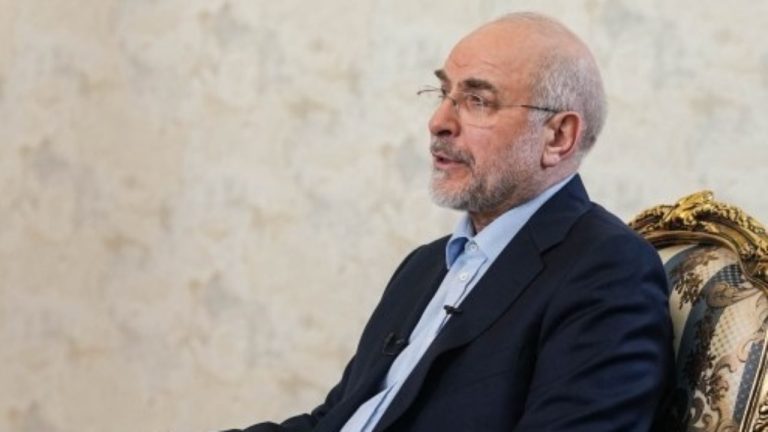
Scott Jennings, appearing on CNN, delivered a pointed critique that resonated with many watching. He highlighted the wave of threats against conservative figures and described conservatives as feeling on edge amid repeated violence from the left. Rather than endorse new restrictions, Jennings mocked the rush to gun control as missing the root causes tied to inflammatory rhetoric. His comments framed the push as tone-deaf, especially given the legal status of the weapons used. You hear in his delivery a weariness with recycled arguments that fail to address the human element driving these attacks.
He connected the dots to a larger climate of hostility, pointing out how certain voices downplay or even joke about threats until they materialize. Jennings stopped short of calling for specific policy shifts but stressed the need to confront the sources of radicalization head-on. His stance drew praise from those tired of seeing every incident funneled into the same debate. The take stood out for its directness, challenging viewers to look beyond surface-level solutions and consider the full context of political division.
Connecting This to Earlier Attacks
This marked Trump’s third brush with assassination in under two years, following incidents that included a shot to the ear during a 2024 rally. The pattern extended beyond him, with the September 2025 assassination of conservative activist Charlie Kirk at Utah Valley University still fresh in memory. Each case involved individuals acting on personal or ideological impulses, often with legally obtained means. You recognize how these events accumulate, creating a sense of vulnerability for public figures across the spectrum.
Kirk’s killing prompted widespread condemnation, including from Democrats like Nancy Pelosi and Gabrielle Giffords, who decried political violence without tying it immediately to gun policy. The sequence shows a troubling rise in targeted acts, fueled by polarization that predates any single administration. Conservatives argue the focus should stay on security and cultural factors rather than revisiting debates that have yielded limited results. The continuity across attempts underscores why some voices now reject knee-jerk legislative responses in favor of harder conversations about accountability.
The Hypocrisy Some Observers Point Out
Critics noted the contrast between demands for gun control and the administration’s swift move to roll back certain federal regulations days later. The Justice Department announced plans to ease restrictions on ownership, framing it as restoring rights rather than reacting to the attempt. This drew fire from opponents who saw it as provocative, yet supporters viewed it as consistent with evidence that existing laws did not prevent the breach. You catch the irony in how both sides interpret the same facts to fit their narratives.
Earlier backlash against Jimmy Kimmel illustrated the tension, as his pre-attempt skit drew accusations of downplaying risks before reality intervened. Conservatives highlighted such moments as evidence of selective outrage, where violence against their side receives different treatment. The hypocrisy charge gained traction because the attacker navigated legal channels despite red flags in his online activity. Observers on the right used this to argue that enforcement and cultural shifts matter more than adding rules that determined actors can still evade.
What the Administration Did Next
Trump addressed the nation shortly after, vowing not to retreat from public life despite the risks. His team emphasized strengthened protections while advancing the regulatory rollbacks already in motion. The focus stayed on prosecuting Allen fully and examining security lapses at the dinner venue. You see the administration positioning the response as pragmatic, prioritizing prevention through enforcement over expansive new laws that could burden law-abiding citizens.
Allies in Congress backed this direction, arguing that more restrictions would not deter someone like Allen who planned extensively. The moves aligned with long-held views that the Second Amendment serves as a safeguard rather than the problem. Public statements avoided inflammatory language but made clear that policy would not bend to the latest crisis. This approach contrasted with the calls from the other side, setting up further clashes in the months ahead as investigations continued.
Why This Matters for Everyday Americans
Beyond the headlines, the episode touches on your daily sense of safety in a divided country. When threats reach the highest levels, they signal deeper fractures that affect communities everywhere. People wonder if political discourse has grown too toxic, turning disagreements into justifications for harm. The conservative mockery of gun control taps into that unease, suggesting solutions lie in changing how we talk and hold each other accountable instead of layering on rules.
At the same time, the legal purchase of the weapons reminds you that millions own firearms responsibly without incident. The debate forces a choice between broad measures that impact everyone and targeted efforts against actual threats. As details emerge from Allen’s case, the conversation shifts toward what prevents the next attempt. For ordinary citizens, it reinforces the need for vigilance without surrendering to fear, keeping the focus on facts over fear-driven policy.

Asher was raised in the woods and on the water, and it shows. He’s logged more hours behind a rifle and under a heavy pack than most men twice his age.