Concealed Carry Habits Experienced Gun Owners Take Seriously
Experienced concealed carriers treat daily habits as seriously as marksmanship. They understand that the way a gun is worn, checked, drawn, and stored shapes safety, legality, and effectiveness long before a trigger is ever pressed. Their routines may look ordinary from the outside, but behind the scenes they are built on careful choices, repetition, and a clear understanding of risk.
From holster selection to situational awareness, seasoned gun owners build systems that protect them from their own mistakes as much as from outside threats. The habits they prioritize offer a practical roadmap for anyone who wants to carry a firearm without letting it dominate every moment of the day.
1. Safety Rules Come First, Every Time
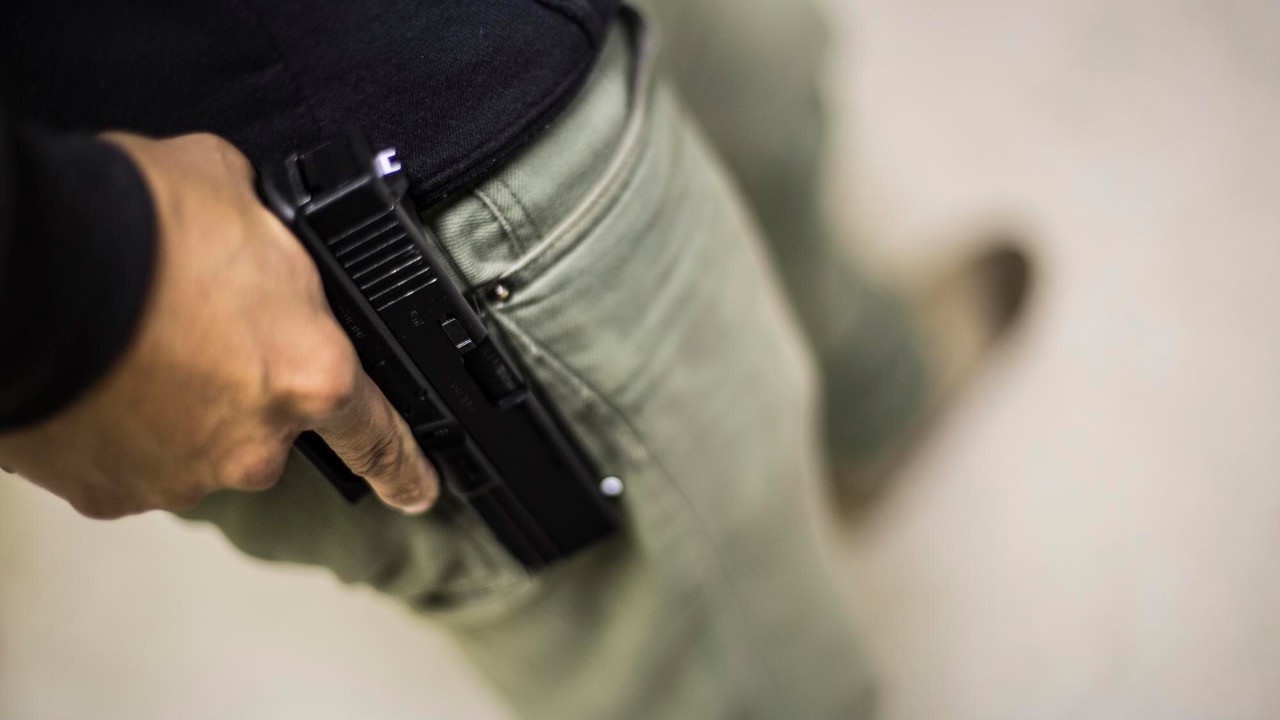
Veteran carriers do not treat safety rules as optional or situational. They follow the classic framework that begins with “Treat all guns as if they are loaded,” and they apply it at home, in the car, and in public. Guidance on good concealed carry habits stresses that carriers should always keep the muzzle pointed in a safe direction and keep their finger off the trigger until they are ready to fire, even during routine administrative handling such as holstering or unloading in a safe area.
Those same safety principles reappear in advice on avoiding common mistakes. Experienced owners are reminded to Treat every firearm as loaded, keep their finger off the trigger until they are ready to fire, and avoid pointing the gun at anything they do not intend to shoot. These habits are not limited to the range. They shape how experienced carriers reholster after a defensive drill, how they clear a garment to access the pistol, and how they move through crowded spaces with a weapon on their belt.
Responsible carriers also recognize that frequent casual handling of a loaded handgun increases the chance of a negligent discharge. At the same time, structured dry fire practice is encouraged as a way to build skill. One detailed discussion of new gun owner behavior notes that Yes, frequent handling of ones firearm does increase the chance of a negligent discharge, but how about dry firing practice, and then goes on to describe a routine in which the user dry fires at home frequently with clear safety checks and an unloaded gun. That balance between respect for risk and deliberate practice is a hallmark of experienced carriers.
Another piece of the safety mindset is equipment inspection. Guidance on responsible handgun ownership emphasizes that owners should Regularly inspect their firearm for any signs of damage or wear and address any issues promptly to ensure its reliability and safety. Carriers who rely on a handgun for self-defense understand that worn springs, cracked magazines, or a failing holster clip are not small annoyances but potential failure points in a crisis.
2. Holster Quality and “Administrative Handling” Discipline
Experienced carriers tend to be picky about holsters. They look for rigid designs that fully cover the trigger guard, maintain consistent retention, and stay put on the belt. Advice on concealed carry habits for CCW users highlights the importance of selecting a high-quality CCW holster and only administratively handling the firearm when necessary and in a safe location. In practice, that means avoiding repeated unholstering in parking lots, bathrooms, or other public spaces where a fumbled gun could lead to panic or injury.
They also pay attention to how the holster interacts with daily life. Guidance on gun handling etiquette notes that a properly designed custom holster ensures the firearm stays exactly where it should, even as a person moves, sits, or bends. Experienced carriers invest in holsters that remain stable during a sprint to catch a train, a long drive in a 2018 Ford F-150, or a day spent lifting boxes in a warehouse. If the holster shifts, they fix the setup rather than constantly touching the gun.
Holster choice is also directly tied to self-defense performance. A detailed self-defense guide points out that holster choice matters and urges carriers to use holsters that fully cover the trigger guard and hold the firearm securely in place. That same guidance stresses the need to Practice drawing, shooting, and re-holstering in safe environments and to Stay alert and avoid unnecessary confrontations. For experienced carriers, the holster is not an accessory. It is a safety device and a performance tool.
Because they understand the risks of unnecessary handling, seasoned carriers often build rituals around holstering and unholstering. They may only load and holster in a specific room at home, pointed into a safe backstop such as a dedicated clearing barrel or a section of basement wall that does not share a line with neighbors. When they return, they reverse the process in the same controlled space, rather than removing the gun in a car or dropping it loose into a nightstand.
3. Carry Position and Consistency
New carriers often experiment with multiple positions before settling on one. Experienced gun owners, by contrast, usually lock in a primary carry position and stick with it. Detailed guidance on choosing a concealed carry position compares options such as strong-side hip, appendix, and behind-the-hip carry, and explains how body type, clothing style, and typical daily movements influence the choice. The goal is a position that balances access, comfort, and concealment.
Once a position is chosen, consistency becomes a safety habit in itself. Advice on self-defense routines urges carriers to Maintain the same carry position, when possible, for consistent muscle memory. If the gun is always at 3 o’clock on the belt, the draw stroke becomes automatic under stress. Experienced carriers understand that constantly moving the gun from ankle to pocket to waistband creates confusion when seconds matter.
Situational context still matters. Some carriers adopt a primary and a secondary position, for example strong-side inside-the-waistband under a hoodie in winter and a discreet pocket holster in lightweight shorts during a July heat wave. Even then, they train with both setups and avoid improvising a new position on the fly. Guidance on which concealed carry position to use highlights that different positions have tradeoffs for printing, comfort while seated, and speed of draw, and experienced carriers weigh those tradeoffs against their actual lifestyle rather than an idealized scenario.
Daily environment also factors into the decision. Someone who spends long hours driving a 2019 Toyota Camry might favor a position that remains accessible with a seat belt on, while a parent frequently lifting toddlers might prioritize a position that stays secure during bending and twisting. The common thread is deliberate choice followed by repetition, not constant experimentation.
4. The Discipline of Not Fidgeting or “Gun Checking”
One of the clearest differences between new and experienced carriers is how often they touch their gun in public. New carriers often feel hyper-aware of the firearm and repeatedly tug at a cover garment or pat the holster. An analysis of early carry experiences notes that One of the most common things people do when starting to carry concealed is pull their clothing down constantly or fidgeting with their clothing where their gun is. That behavior draws attention and can defeat the purpose of concealment.
More seasoned carriers have learned to Relax, And Stop With The Gun Checks. They trust their holster and belt to keep the pistol in place without constant reassurance. When they do need to adjust clothing, they do it in a way that looks like any other person smoothing a shirt or shifting a waistband, rather than a nervous pat on a specific spot.
Discreet movement is part of that skill set. Guidance on daily interactions while carrying encourages people to Learn natural movements that do not reveal carry and to adjust posture, clothing, or position accordingly. Experienced carriers might step out of a crowded elevator before tugging a jacket into place or use a casual stretch to clear a cover garment that has ridden up. The point is to blend in, not to broadcast that a gun is present.
Online discussions among long-time carriers echo the same theme. One widely shared thread on Concealed Carry Best Practices framed a simple rule: Daily Habits of a Responsible Gun Owner start with Rule #1 Never tell anyone. That mindset extends beyond words. Constantly touching the gun is a nonverbal way of telling people it is there, and experienced carriers work hard to eliminate that tell.
5. Situational Awareness and Avoiding Fights
For experienced carriers, the gun is a last resort, not a tool for winning arguments. They cultivate habits that help them avoid needing it at all. A detailed overview of concealed carry self-defense stresses the need to Stay alert and avoid unnecessary confrontations and to Prioritize de-escalation whenever possible. That can mean walking away from a heated parking lot dispute, changing lanes to avoid aggressive drivers, or leaving a bar when tempers start to rise.
Shooting advice for beginners reinforces the same approach. New carriers are urged to Recognize exits and escape routes in any environment they enter and to Trust their instincts if something feels off. Seasoned carriers turn that into a quiet routine: noting the nearest exit when they walk into a supermarket, choosing a seat in a restaurant that provides a clear view of the main entrance, or parking under a light instead of in a dark corner of a lot.
Self-defense guides also highlight the value of planning. One set of situational awareness tips urges carriers to Develop a consistent routine for carrying your firearm and to Plan ahead for how they would respond to different scenarios. That might mean mentally rehearsing how to move family members behind cover in a shopping mall or how to respond if a stranger tries to force entry into a car at a gas station.
Experienced carriers often describe a shift in mindset over time. One reflective account from a long-time gun owner notes that they completed multiple defensive handgun classes and force-on-force training and came away with a deeper appreciation that carrying does not mean shooting better, it means making better decisions. That perspective aligns with the broader message across training communities: the best defensive gun use is the one that never has to happen.
6. Legal Literacy and Quiet Discretion
Knowledgeable carriers treat firearm law as part of their gear. They know that a mistake about where they can carry or how they must transport a gun can be as damaging as a bad shot. Practical guides on avoiding concealed carry mistakes point readers to resources such as Handgunlaw, which Offers regularly updated, state-specific information on carry permits, reciprocity, and restricted locations. Experienced carriers check those resources before road trips or moves rather than assuming rules are the same everywhere.
Advice on discreet carry techniques reminds gun owners that Each state’s regulations can be found by going to the NRA-ILA website for concealed carry and transporting firearms with vehicular travel. Seasoned carriers use that type of guidance to confirm whether they can carry in a particular state park, how to store a handgun in a vehicle while entering a post office, or what signage has legal force in a given jurisdiction.
Discretion is another legal and social habit. The same Reddit thread that framed Concealed Carry Best Practices and Daily Habits of a Responsible Gun Owner emphasized Rule #1 Never tell anyone. Experienced carriers rarely announce that they are armed, whether in person or on social media. They understand that broadcasting their status can invite unwanted attention, complicate interactions with law enforcement, or even make them a target for theft.
That discretion extends to how they handle the gun in public. They avoid unholstering in parking lots, leaving firearms in visible locations inside vehicles, or showing off a new pistol at a backyard barbecue. Instead, they treat the firearm as a private safety tool, not a social prop.
7. Building a Daily Carry Routine
For many experienced gun owners, the biggest shift is not the weight on the belt but the habit structure around it. Guidance on habit formation for concealed carry explains that with carrying a concealed firearm, common cues might include getting dressed in the morning, walking past the gun safe, or seeing the holster on a dresser. The advice suggests attaching the holster as part of the dressing routine, so the gun becomes as automatic as putting on a watch.
Similarly, a set of concealed carry tips encourages people to Carry Your Handgun at All Times Once permitted and to make concealed carry part of a daily routine. The same guidance notes that Consistent carry helps build familiarity and confidence. Experienced carriers interpret that not as a mandate to be armed every waking moment, but as an invitation to avoid a pattern of carrying sporadically. They recognize that a defensive skill set built around a firearm is most reliable when the firearm is actually present.
Another self-defense resource advises carriers to Develop a consistent routine for carrying your firearm and to Maintain the same carry position when possible. Combining that with habit cues creates a system: the gun goes on at the same time, in the same place, in the same way, every day. That reduces the chance of forgetting the firearm at home or leaving it unsecured in a gym locker.
Experienced carriers also plan for days when they choose not to carry. They may have a separate routine for locking the handgun in a safe before entering a restricted workplace, or for swapping to a smaller, more discreet option for a formal event. The key is that those decisions are made deliberately, not as last-minute improvisations while rushing out the door.
8. Training, Practice, and Dry Fire
Skill with a handgun is perishable, and experienced carriers treat practice as part of their responsibility. A detailed training guide for concealed carriers urges them to Practice drawing, shooting, and re-holstering in safe environments. That practice often includes live fire at a range, but many experienced carriers rely heavily on structured dry fire at home to refine their draw stroke, presentation, and trigger control.
Discussions of new gun owner behavior acknowledge the tension between handling risk and practice. One analysis notes that Yes, frequent handling of ones firearm does increase the chance of a negligent discharge, but then draws a distinction between careless fiddling and intentional dry fire with safety checks. The same source describes a routine of dry fire at home frequently, with the gun unloaded and ammunition stored separately. Experienced carriers adopt similar practices, often adding steps such as verbalizing “unloaded” after a chamber check or using dedicated training rounds.
Range-focused advice for everyday carry weapons reminds owners that firearms are a lot of fun, But they are a huge responsibility as well, and it is the shooter’s responsibility to practice with the gun throughout its concealed carrying life. That long-term view is common among seasoned carriers, who see training not as a one-time class but as an ongoing process.
Some carriers invest in more intensive instruction. A reflective account from a gun owner who took firearms seriously over a year describes completing five defensive handgun classes, one rifle class, and a force-on-force course. The takeaway was that training improved judgment and decision-making as much as marksmanship. Experienced carriers often seek out similar programs that include scenario-based drills, low-light shooting, and legal education rather than relying solely on static range practice.
9. Managing Printing and Staying Discreet
Concealment is both a legal requirement in many jurisdictions and a practical safety choice. Experienced carriers pay attention to “printing,” the visible outline of a gun through clothing. A widely viewed breakdown of carry mistakes explains that to avoid printing, carriers can adjust the gun’s position on the hip, use an inside-the-waistband holster that holds the gun closer to the body, and choose clothing that drapes naturally over the firearm. Those simple adjustments can make the difference between a gun that disappears under a T-shirt and one that draws curious stares.
Guidance on discreet carry techniques reinforces the idea that carriers should be Be discreet and use common sense when selecting clothing and moving in public. That includes avoiding tight, thin fabrics that cling to the gun, especially when bending or sitting, and choosing patterns or darker colors that break up outlines. Many experienced carriers quietly adjust their wardrobe over time, favoring slightly longer shirts or untucked button-downs that work with their carry position.

Leo’s been tracking game and tuning gear since he could stand upright. He’s sharp, driven, and knows how to keep things running when conditions turn.