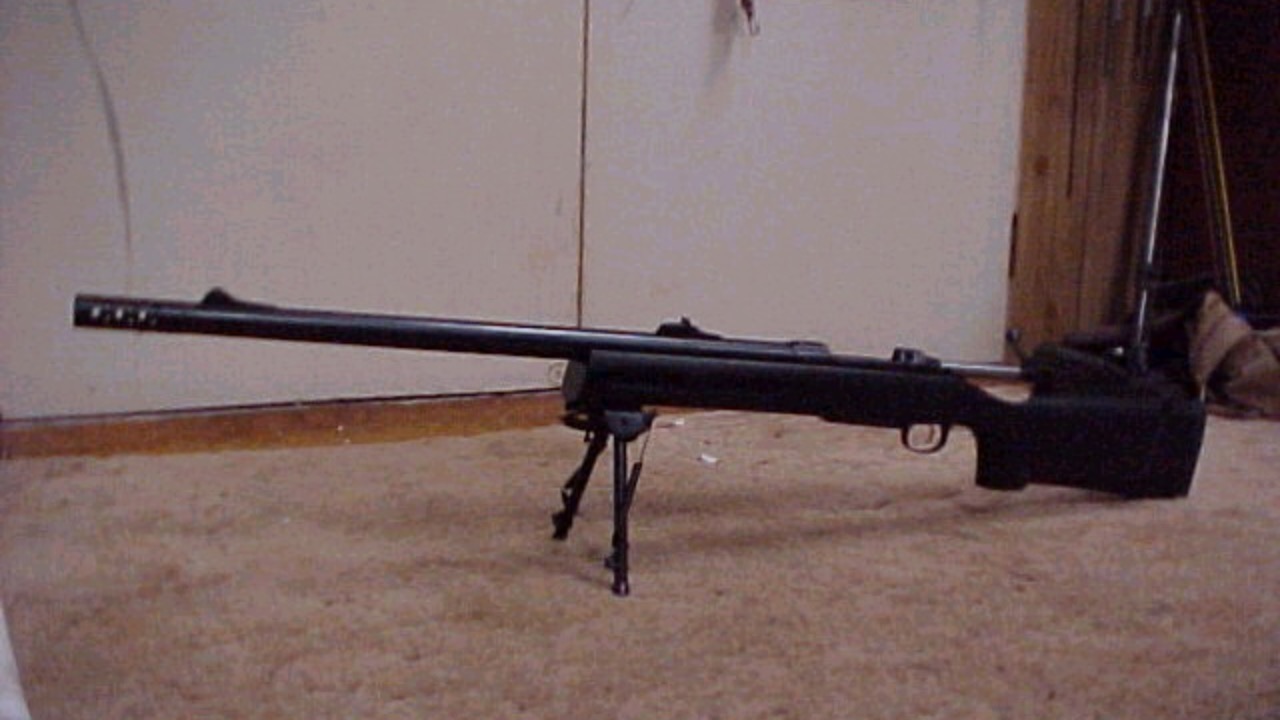
How the ‘Elephant Gun’ Became a Symbol of American Military Firepower in 20th-Century Conflicts
The term “elephant gun” originally referred to large-caliber rifles designed for hunting massive game animals, especially in Africa during the late 19th and early 20th centuries. Over time, though, the phrase started taking on a different meaning in American military culture. It became associated with overwhelming firepower, oversized weapons, and the idea that bigger ammunition meant greater battlefield dominance.
That image grew stronger throughout the 20th century as the U.S. military introduced heavier machine guns, anti-materiel rifles, and large-caliber weapons into major conflicts. Even when the actual term wasn’t used officially, soldiers, journalists, and civilians often connected these weapons to the same “elephant gun” image — something powerful enough to stop almost anything in its path.
Origins of the elephant gun nickname
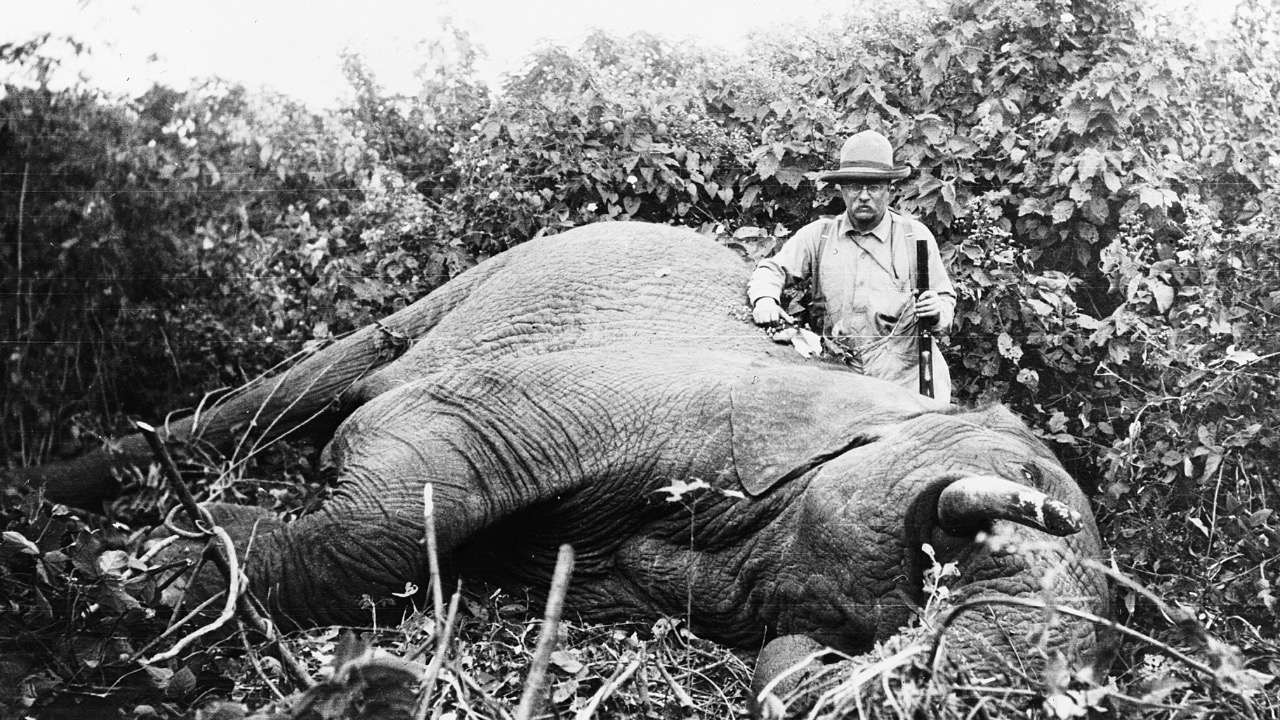
Traditional elephant guns were built around extremely large cartridges meant to penetrate thick hide and bone. These rifles were heavy, expensive, and often difficult to handle, but they earned a reputation for raw stopping power.
As military technology advanced, comparisons between battlefield weapons and hunting rifles became common. Large-caliber firearms used in war reminded many people of elephant guns because of their size, recoil, and destructive capability. The nickname eventually became shorthand for any weapon seen as unusually powerful.
The rise of heavy-caliber weapons in war
During the 20th century, the U.S. military increasingly relied on heavy-caliber weapons in both ground combat and vehicle-mounted roles. Weapons chambered in .50 BMG and similar cartridges became known for long-range penetration and the ability to damage equipment, vehicles, and fortified positions.
These firearms weren’t designed for hunting, but they carried the same intimidating image associated with elephant guns. Their size alone made an impression on troops and the public, especially during wartime media coverage where large weapons often became symbols of military strength.
World War II and the image of overwhelming force
World War II played a major role in shaping America’s image of military firepower. Heavy machine guns, anti-tank weapons, and large artillery systems became central to battlefield strategy. Soldiers often described certain weapons in exaggerated or nickname-heavy ways, and comparisons to elephant guns fit naturally into that culture.
The war also changed how the public viewed weapon technology. Firearms were no longer just personal weapons — they became symbols of industrial power and national strength. Larger weapons gained attention partly because they represented America’s manufacturing scale during the war.
Vietnam and the growing legend around big rifles
By the Vietnam War, stories around large-caliber rifles had become part of military lore. Weapons capable of extreme range or heavy penetration gained almost mythical reputations among troops and the public.
This period helped cement the cultural connection between oversized firearms and elite military capability. Even people unfamiliar with technical firearm details often recognized the image of a massive rifle as something tied to specialized or high-impact military roles.
Hollywood and media influence
Movies, television, and war documentaries helped push the “elephant gun” image even further. Large firearms were often portrayed as dramatic weapons capable of extraordinary damage, sometimes far beyond reality.
That media portrayal shaped public understanding of military firepower throughout the late 20th century. Oversized rifles and heavy-caliber weapons became visual shorthand for power, dominance, and intimidation, especially in action films and war stories.
The psychological impact of large weapons
Part of the reason the elephant gun image lasted so long comes down to psychology. Bigger firearms naturally attract attention, and throughout military history, intimidation has always been part of warfare.
Weapons associated with extreme size or recoil often carry symbolic value beyond their actual battlefield role. They project strength and create an impression of overwhelming capability, which is one reason large-caliber firearms remained culturally important long after smaller and more efficient systems became common.
Why the term still exists today
Even today, people still use “elephant gun” casually when describing extremely large rifles or high-powered firearms. In many cases, it’s less about technical accuracy and more about the image the phrase creates.
The term survives because it captures a very specific idea: a weapon that feels excessive, powerful, and intimidating. Throughout the 20th century, that image became closely tied to how many Americans viewed military firepower and battlefield technology.

Leo’s been tracking game and tuning gear since he could stand upright. He’s sharp, driven, and knows how to keep things running when conditions turn.