AI data centres creating dangerous ‘heat islands’ that threaten local wildlife and water supplies, scientists warn
You rely on artificial intelligence for everything from quick answers to complex analysis these days. Yet the facilities powering those capabilities come with consequences that extend far beyond your screen. Recent studies show AI data centers are creating intense pockets of heat and pulling massive volumes of water from local sources. Scientists point to these operations as sources of environmental strain that could harm wildlife and limit water access in surrounding areas. The buildup happens because servers generate constant waste heat during processing, and cooling systems draw heavily on nearby supplies to keep everything running. As demand for AI grows, these sites multiply, turning once-stable landscapes into altered zones where temperatures climb and resources dwindle.
Explosive growth in AI infrastructure
Companies keep scaling up data centers to meet the surge in computing needs. You notice the results in smoother apps and faster responses, but the physical footprint expands rapidly across regions. Each new facility houses thousands of servers that run around the clock, consuming power at levels once reserved for small cities. This expansion concentrates activity in specific spots, often near existing grids or water sources for efficiency. Over time, the density of hardware pushes local conditions past normal limits. Researchers tracking the trend see clear patterns of increased activity tied directly to AI advancements, with facilities now covering hundreds of acres in many cases.
The pace shows no signs of slowing, as tech firms race to handle larger models and more users. You might live miles from the nearest site and still feel indirect effects through higher energy demands on the shared grid. Local planners face tough choices about land use and resource allocation. Scientists emphasize that without careful placement, these builds compound existing pressures on the environment.
Heat release from nonstop operations
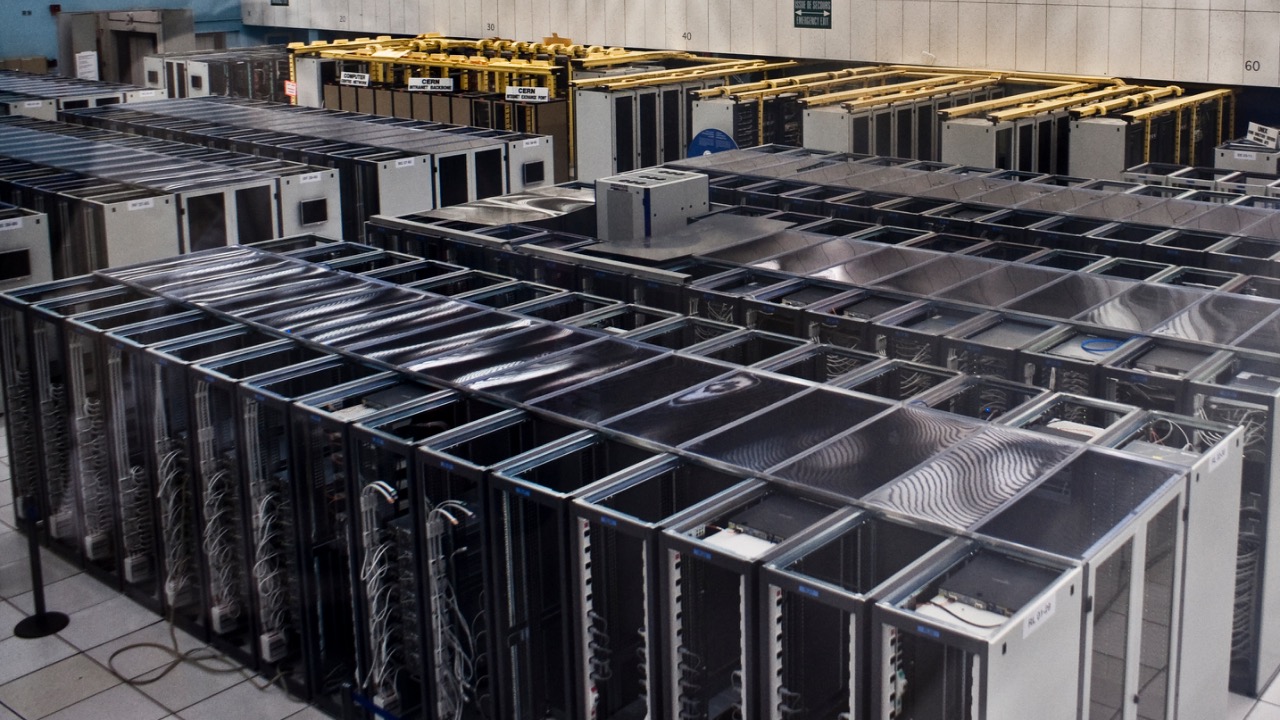
Servers inside data centers convert electricity into heat as they process data without pause. You can picture the servers stacked in long rows, each one humming with activity that releases warmth into the air and ground. Cooling systems work overtime to vent that excess, but much of it escapes into the surrounding land. The result builds up over months and years, creating warmer pockets where none existed before. This process mirrors how any large industrial operation adds warmth, yet the scale here stands out because of the nonstop nature.
Facilities often rely on evaporative methods or air handlers that move heat outward rather than fully containing it. In practice, the ground and nearby structures absorb and hold onto the warmth longer than expected. You see similar effects near power plants or factories, but AI sites amplify it through sheer computing volume. Experts note the heat output ties closely to the power draw, which has risen sharply with advanced chips.
Evidence from long-term satellite observations
Satellites have captured temperature data over two decades across thousands of data center locations worldwide. You get a broad view from space that reveals shifts after facilities open for business. Analysts filter out weather patterns and broader climate trends to isolate the local changes. The data shows consistent rises in land surface temperatures once operations begin. This method provides an objective record that ground measurements alone cannot match at such scale.
The observations cover diverse climates and facility sizes, strengthening the findings. In many cases, the warming appears right after construction wraps up. Researchers use this historical record to compare before-and-after states with precision. You might not spot the difference on a casual visit, yet the numbers paint a clear picture of sustained elevation. The approach highlights how remote sensing fills gaps in traditional monitoring.
Warming that spreads across miles
The temperature increases do not stay confined to the data center fence line. You could stand several miles away and still register the influence through elevated readings. Studies document effects reaching out as far as six miles in some instances. This spread happens as heat radiates through air and soil, altering microclimates in a widening radius. Nearby fields, forests, and neighborhoods end up a bit warmer on average.
In extreme spots, the jump hits double digits in Fahrenheit. The pattern resembles urban heat islands but stems from a single concentrated source. You experience it indirectly through changes in local weather patterns or plant growth cycles. Scientists calculate that hundreds of millions of people live within range of these zones globally. The distance adds up when facilities cluster together in industrial parks.
Enormous water needs for cooling servers
Data centers pull water in huge volumes to prevent overheating. You might imagine servers staying cool with fans alone, but many rely on evaporative systems that consume fresh supplies daily. A large site can draw millions of gallons in a single day, much of which turns to vapor and leaves the area. This direct use combines with indirect demands from the power plants supplying electricity. The total footprint grows with AI workloads that push chips harder and hotter.
Facilities in drier regions feel the pinch first, but even temperate areas see strain during peak seasons. Operators sometimes recycle water, yet losses remain high. You see the impact in reduced flows downstream or lower reservoir levels over time. Reports from various states highlight annual consumption figures that rival those of mid-sized cities. The process also concentrates minerals and chemicals in any discharge, adding another layer of concern.
Pressure on rivers and underground reservoirs
Local water sources bear the brunt when data centers tap in steadily. You notice the effects in communities where streams run lower or wells drop faster than usual. Withdrawals for cooling reduce base flows in rivers, leaving less for downstream users and natural systems. Aquifers in stressed basins decline under the added load, sometimes prompting restrictions elsewhere. Scientists track these shifts through monitoring networks that link usage spikes to facility activity.
In places already facing scarcity, the competition intensifies among agriculture, homes, and industry. Evaporated water does not return to the local cycle quickly, creating a net loss. You might see drier soils or altered wetlands as a result. The pattern repeats in multiple regions where new centers cluster. Experts warn that continued growth without efficiency gains could deepen shortages during dry spells.
Shifts in local habitats for plants and animals
Warmer ground and air change conditions for species living nearby. You can think of how a few extra degrees affect flowering times, insect emergence, or bird nesting. Heat islands stress plants adapted to cooler baselines, reducing cover that animals rely on for shelter and food. Wildlife corridors near sites show signs of disruption as temperatures push species toward new ranges or lower survival rates. Water loss compounds the issue by drying out streams and ponds essential for amphibians and fish.
Salt particles from cooling towers can settle on leaves and soil, further limiting growth in sensitive areas. The combined changes create pockets where biodiversity dips. Scientists document these habitat alterations through field studies paired with temperature maps. You might not see dramatic die-offs overnight, yet gradual shifts accumulate. The effect hits hardest in fragmented landscapes where species already face other pressures.
Warnings from researchers on ecosystem risks
Experts reviewing the data call for closer attention to these localized impacts. You hear them urge planners to factor in heat and water effects before approving new builds. The warnings highlight risks to ecosystems that support pollination, pest control, and water purification services. Without adjustments, the cumulative load could tip vulnerable areas into decline. Researchers stress that AI benefits do not erase the need for balanced development.
Teams continue refining models to predict longer-term outcomes. They point to opportunities for better cooling tech and site selection to ease the burden. You benefit from the technology, yet the trade-offs demand honest discussion. The message remains consistent: these facilities reshape environments in ways that require proactive steps. Ongoing monitoring will help communities weigh the gains against the costs.

Asher was raised in the woods and on the water, and it shows. He’s logged more hours behind a rifle and under a heavy pack than most men twice his age.