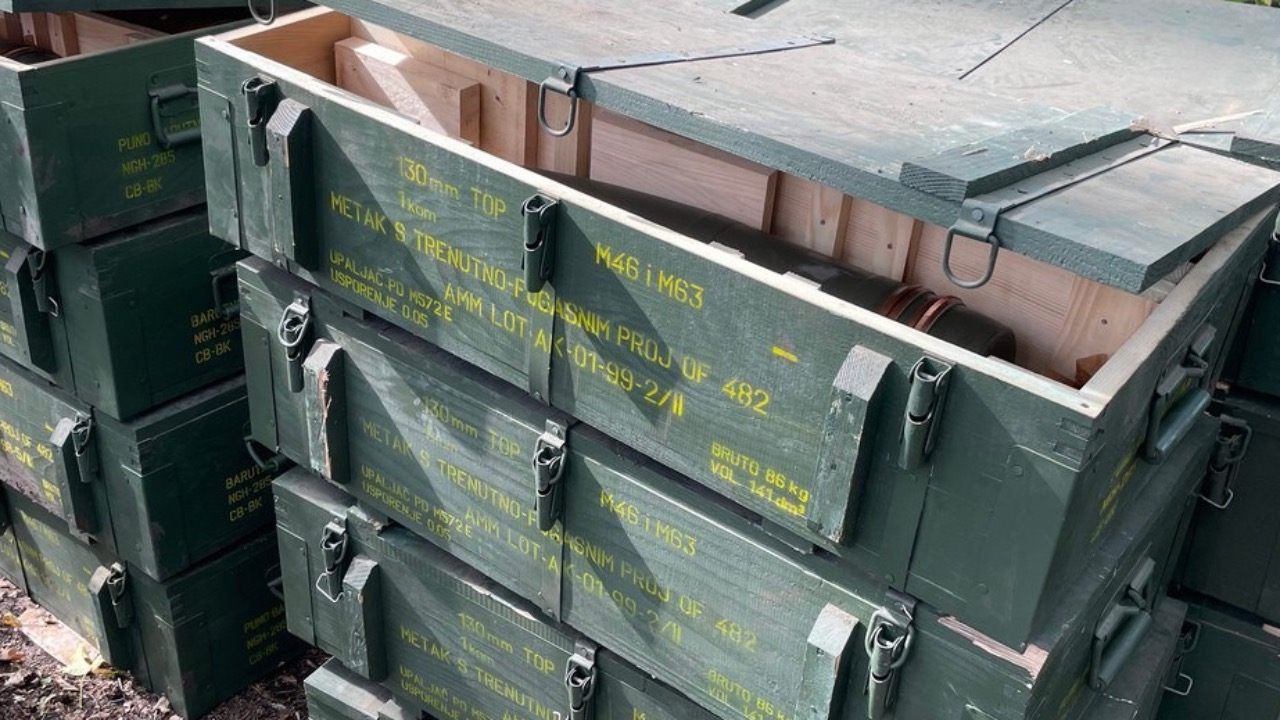
Ammo storage mistakes that quietly ruin long-term stockpiles
If you’ve been buying ammo for years, you already know it isn’t getting cheaper. A solid stockpile gives you options—more range time, more hunting flexibility, and insulation against shortages. The good news is modern ammunition is built to last. The bad news is it doesn’t take much neglect to shorten its life.
Most ruined ammo doesn’t fail in dramatic fashion. It degrades slowly. Primers weaken. Powder breaks down. Brass corrodes. Accuracy drifts before reliability finally gives out. If you’re serious about keeping your stash dependable for the long haul, these are the quiet mistakes that cause the most damage.
Storing Ammo in a Garage Year-Round
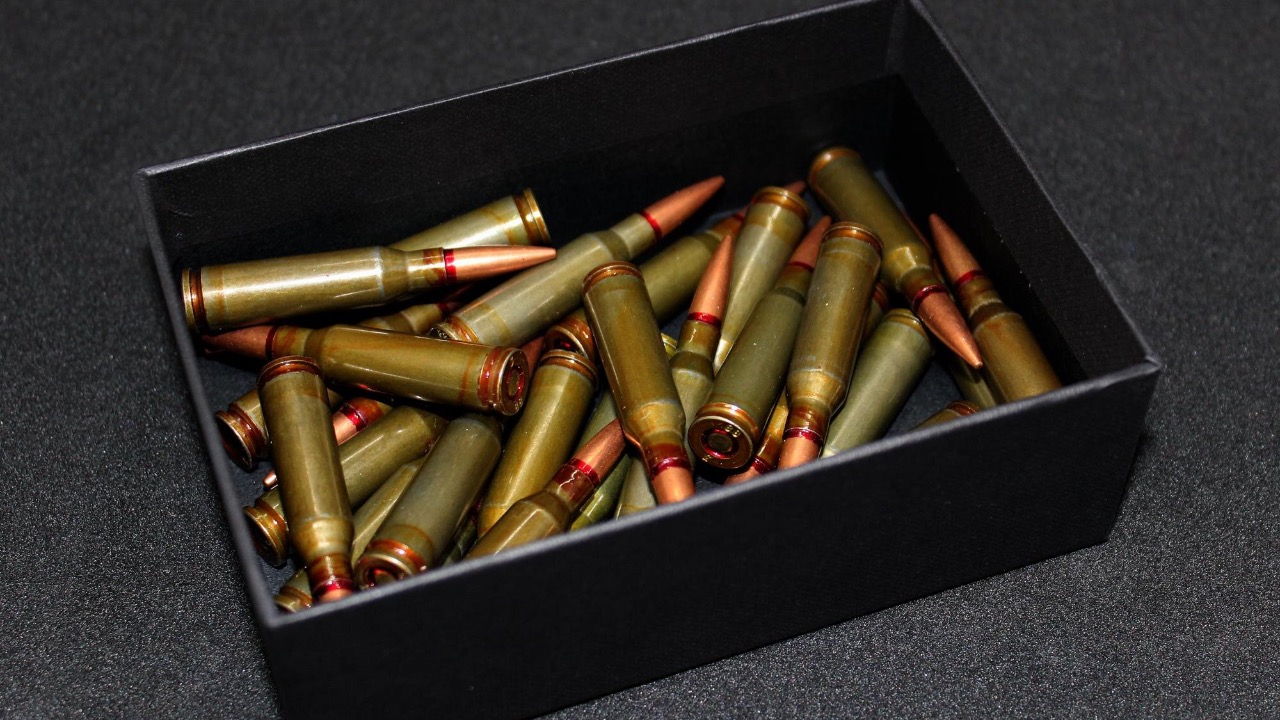
Garages feel convenient, but they’re one of the worst long-term storage spots you can choose. Temperature swings in an uninsulated garage can be extreme. In many parts of the country, you’re looking at triple digits in summer and freezing temps in winter.
Repeated expansion and contraction stresses components over time. Powder and primers are especially sensitive to heat cycles. You may not see visible damage, but performance will slowly change. Velocity spreads widen. Consistency fades. If you care about long-term reliability, your ammo needs a stable, climate-controlled space inside the house—not leaning against a garage wall.
Ignoring Humidity Control
You can keep ammo indoors and still ruin it if you ignore humidity. Moisture is the quiet killer. It corrodes brass, penetrates poorly sealed packaging, and eventually compromises primers.
If you’re storing bulk ammo, you need more than the factory cardboard box. Use airtight containers with fresh desiccant packs. Replace those packs periodically; they don’t work forever. A small hygrometer inside your storage area gives you real data instead of guesswork. Keeping humidity low and stable does more for long-term preservation than any fancy storage container alone.
Leaving Ammo in Original Cardboard for Decades
Factory packaging is designed for retail shelves, not 20-year storage plans. Cardboard absorbs moisture, and over time it transfers that moisture to your cartridges.
If you’re serious about long-term storage, move bulk ammo into sealed metal or polymer ammo cans with good gaskets. Label them clearly so you’re not constantly opening containers and exposing rounds to fresh air. Original boxes are fine for short-term organization, but they’re not a permanent solution if you’re building a stockpile meant to last decades.
Constantly Handling and Reorganizing Your Stash
Every time you dig through ammo cans, you introduce humidity and temperature changes. You also transfer oils and sweat from your hands onto brass cases.
Those fingerprints might not look like much today, but over time they can contribute to corrosion, especially in humid environments. The more you shuffle rounds around, the more opportunity there is for contamination. Organize your stockpile once, log it, and rotate methodically. Treat it like a pantry, not a toy chest you rummage through every weekend.
Storing Ammo Near Cleaning Solvents and Chemicals
A lot of folks keep ammo near their reloading bench or gun cleaning supplies. That’s convenient—but potentially harmful. Strong solvents and chemicals can off-gas in enclosed spaces.
Over time, chemical vapors can degrade primers and powder, even if the cartridges remain sealed. It’s not immediate, and it’s not obvious, which makes it easy to miss. Keep ammunition in a separate area away from oils, solvents, gasoline, and household chemicals. Clean air matters more than most people realize when you’re planning for long-term storage.
Failing to Rotate Older Stock
Modern ammo can last decades if stored correctly, but that doesn’t mean you should forget about it. Letting the same cases sit untouched for 20 or 30 years without inspection is a mistake.
Rotation keeps you aware of condition and performance. Shoot your oldest stock first and replace it with fresh production. That way, you’re constantly verifying that your storage method is working. If something is degrading, you’ll catch it on the range instead of during a hunt or defensive situation.
Storing Ammo in Loaded Magazines for Years
Keeping defensive magazines loaded is common, and quality mags can handle it. But long-term bulk storage in fully compressed magazines isn’t ideal for everything.
Springs can weaken over time, especially in lower-quality magazines. Feed lips can spread. Even if the ammo itself remains viable, your delivery system may not. If you’re storing large quantities for the long haul, keep most of it boxed and sealed. Maintain a separate, limited defensive loadout that you inspect and rotate regularly.
Using Non-Sealed Containers in Basements
Basements are popular storage spots, but they’re notorious for hidden moisture. Even if it feels dry, seasonal humidity spikes can seep into loosely sealed containers.
Plastic bins without gaskets don’t offer real protection. If you’re using basement storage, invest in quality ammo cans with intact rubber seals. Elevate them off the floor to protect against minor flooding. One damp season can undo years of careful stockpiling if your containers aren’t truly airtight.
Overlooking Corrosion on Steel-Cased Ammo
Steel-cased ammo can be reliable and affordable, but it demands more attention in storage. Steel is more prone to rust than brass, especially if protective coatings are scratched.
If you’re stockpiling steel-cased rounds, inspect them periodically. Surface rust can progress quickly in humid environments. Once corrosion sets in, extraction issues become more likely. Long-term storage of steel-cased ammo absolutely requires controlled humidity and sealed containers. Ignore that, and you’ll find out the hard way at the range.
Failing to Separate Calibers and Lot Numbers
Mixing calibers in one container might seem efficient, but it creates unnecessary risk. In low light or a hurry, mistakes happen. More importantly, mixing lot numbers makes it harder to track performance.
If one batch shows pressure signs or inconsistent ignition, you need to know exactly which lot it came from. Organized separation isn’t only about neatness. It’s about safety and accountability. Label containers clearly with caliber, manufacturer, and purchase date. That record-keeping habit pays off years down the road.
Trusting “Dry” Climate Assumptions
Living in a dry region doesn’t mean you’re immune to moisture problems. Seasonal storms, HVAC failures, or even a single humid summer can introduce enough moisture to cause trouble.
Relying on climate alone instead of proper sealed storage is risky. Even in arid environments, airtight containers and desiccants add a layer of protection that costs very little. Long-term reliability is about eliminating variables. Assuming your local weather will always cooperate isn’t a plan—it’s a gamble.
Ignoring Signs of Powder Degradation
Ammo doesn’t always fail without warning. Sometimes it gives you clues. A strong acidic smell when opening a container, corrosion around primers, or inconsistent velocities are all red flags.
If you encounter these signs, don’t ignore them. Powder breakdown can accelerate once it starts. Isolate questionable rounds and don’t mix them back into good stock. Periodic inspection isn’t paranoia—it’s maintenance. A stockpile is only valuable if it performs when you need it, and that requires paying attention to subtle changes over time.
A well-built ammo reserve can last longer than you expect. But it only stays dependable if you treat storage like a system, not an afterthought. Stable temperatures, controlled humidity, airtight containers, and disciplined rotation will keep your rounds ready long after the next shortage hits.

Asher was raised in the woods and on the water, and it shows. He’s logged more hours behind a rifle and under a heavy pack than most men twice his age.