An abandoned U.S. mine is becoming an unexpected wildlife refuge
Across the West, thousands of abandoned mines sit scattered over public land. Most are hazards—unstable shafts, contaminated soil, rusted equipment. But every now and then, one takes a different path. Leave a place alone long enough and wildlife will figure out how to use it. What started as a scar on the landscape can turn into shelter, water, and cover in ways no one planned.
You don’t have to romanticize mining history to recognize what’s happening. When heavy machinery disappears and human traffic slows, animals move in. In one former hard-rock site on Bureau of Land Management ground in the Southwest, biologists are watching an old operation quietly transform into functioning habitat.
The Pit Lake Became a Water Source
When pumps shut down years ago, groundwater slowly filled the open pit. What was once an extraction site now holds a small lake. In arid country, standing water changes everything.
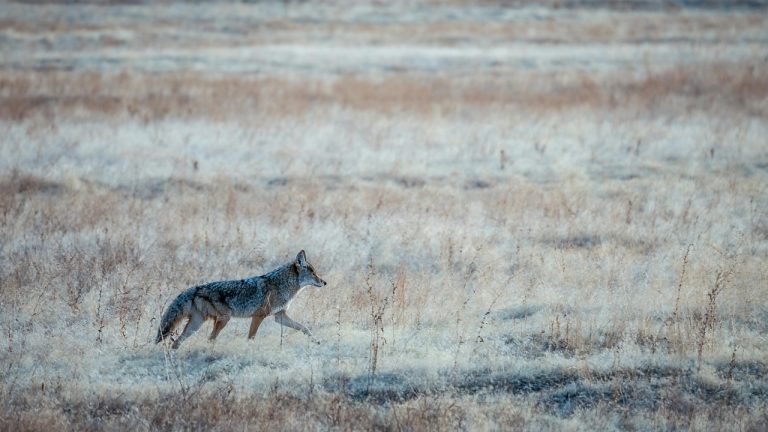
You see it first in tracks along the shoreline—mule deer, coyotes, even the occasional mountain lion. Waterfowl have started staging there during migration. Aquatic insects followed, then swallows and bats. While water quality must be monitored for heavy metals, testing has shown that some pit lakes stabilize over time. In dry landscapes where natural surface water is limited, even a reclaimed industrial basin can become critical real estate for wildlife.
Bats Claimed the Tunnels
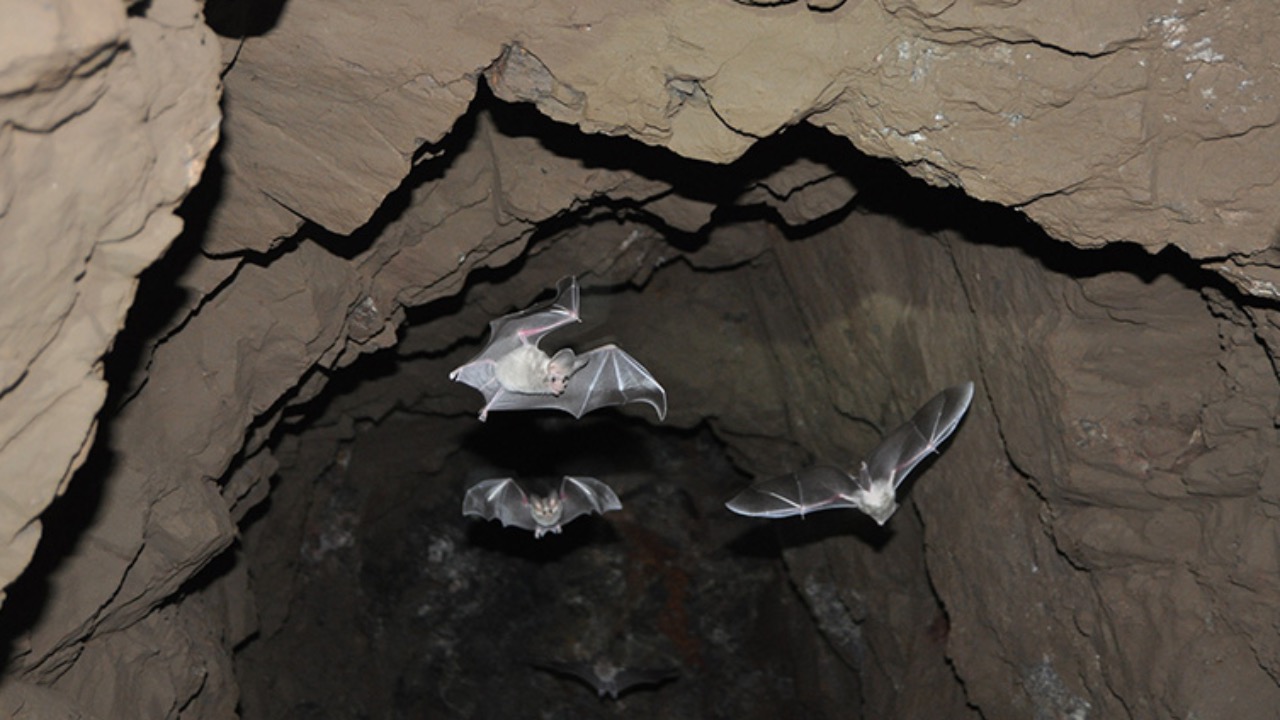
Abandoned adits and shafts provide steady temperatures year-round. That makes them attractive to bats looking for roosting and hibernation sites. Species like Townsend’s big-eared bat and several Myotis species routinely occupy old mines across the West.
Wildlife crews have gated certain entrances—not to keep animals out, but to keep people out while allowing bats to pass freely. These structures are designed specifically for bat movement. In some regions, former mining complexes now support significant maternity colonies. What was once a liability has become part of regional bat conservation strategy, especially as white-nose syndrome pressures populations elsewhere.
Tailings Piles Grew Native Cover
At first glance, tailings look lifeless. But given time, wind-blown seed and hardy native plants start to take hold. Grasses and early successional shrubs often establish first, especially after reclamation crews regrade slopes and cap contaminated soils.
Once vegetation gains a foothold, small mammals move in. Ground squirrels and rabbits start using the cover. Raptors follow. You won’t mistake it for untouched sagebrush steppe, but it functions. Over a decade or two, these areas can shift from barren mounds to working habitat that supports prey species and the predators that depend on them.
Reclaimed Roads Became Travel Corridors
Old mining roads don’t disappear overnight. Some are ripped and reseeded; others are left to narrow with time. Either way, they create edge habitat.
You’ll notice deer and elk using these routes as low-resistance travel corridors, especially during migration. The edges grow forbs and grasses that thrive in disturbed soil. That fresh growth draws grazers. For hunters and wildlife managers, these former access routes now shape how animals move through the area. What once carried haul trucks now funnels wildlife through predictable terrain.
Equipment Yards Turned into Nesting Sites
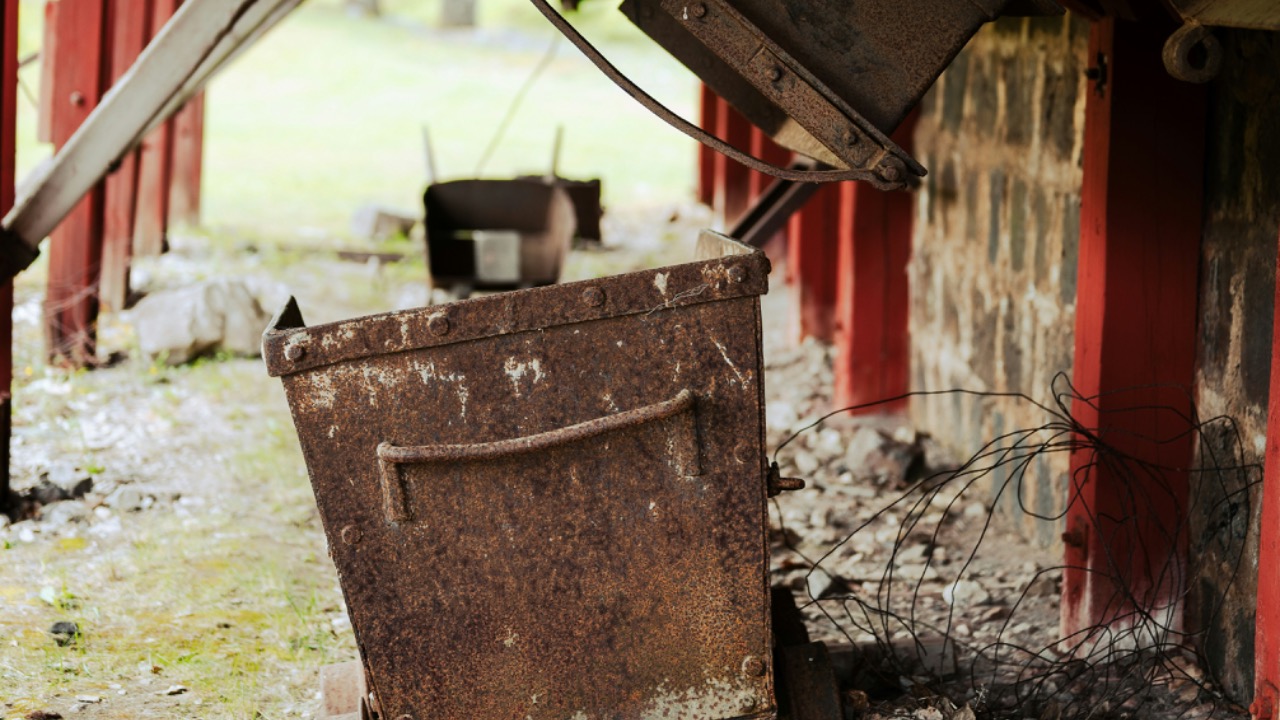
Rusting structures and concrete pads may seem useless, but certain birds see opportunity. Swallows, ravens, and even owls use beams, cavities, and ledges for nesting.
As vegetation creeps back in around old equipment yards, the mix of open ground and vertical structure creates hunting perches. Raptors take advantage. It’s not pristine habitat, and long-term cleanup is still necessary, but in the interim, wildlife adapts. You’re seeing how flexible many species really are when human disturbance fades.
Human Absence Changed Everything
The biggest shift wasn’t structural. It was the quiet. Once regular vehicle traffic, blasting, and maintenance stopped, pressure dropped overnight. Wildlife that had skirted the perimeter began testing the interior.
Motion-triggered cameras show increased activity during daylight hours compared to when the mine was operational. Animals respond quickly to reduced disturbance. Give them security cover, water, and forage—even in altered landscapes—and they’ll use it. This former mine isn’t a wilderness sanctuary, and it still requires monitoring. But it’s proof that when industry steps back and reclamation is taken seriously, wildlife doesn’t waste time moving in.

Asher was raised in the woods and on the water, and it shows. He’s logged more hours behind a rifle and under a heavy pack than most men twice his age.