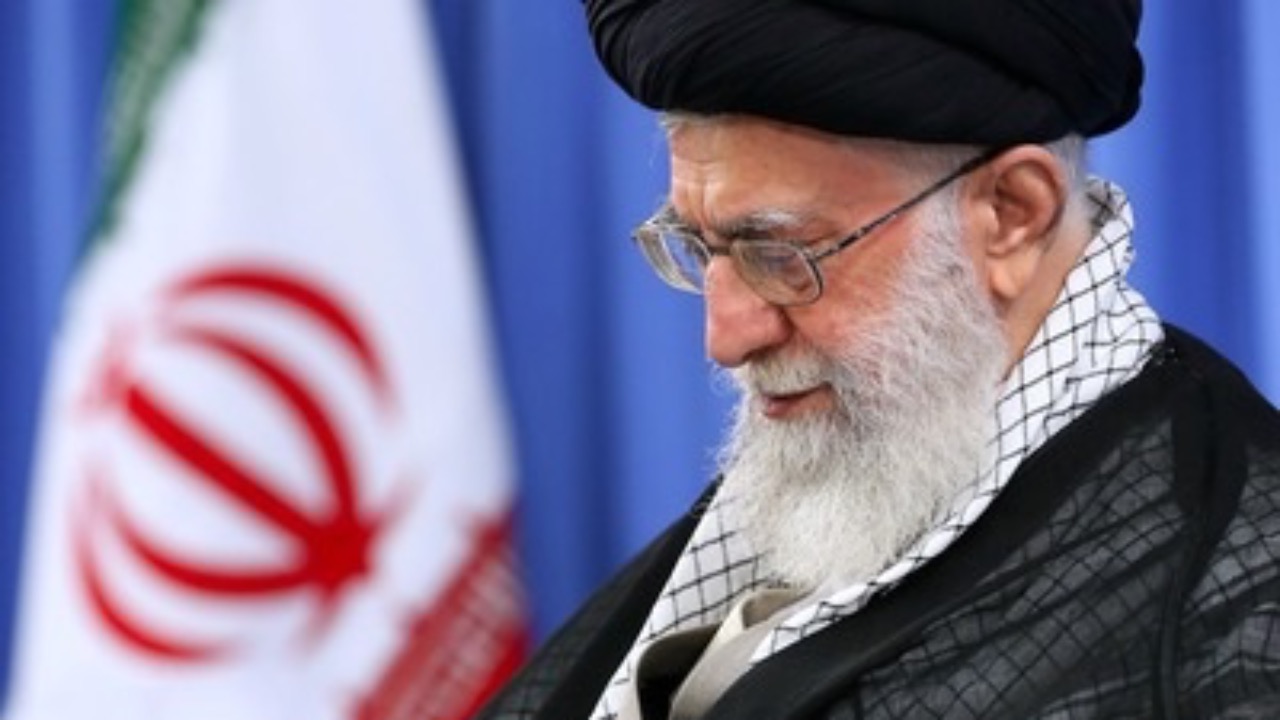
Iran issues threats toward Americans after seizing vessels in the Strait of Hormuz
Iranian forces have escalated tensions around one of the world’s most sensitive waterways, detaining commercial vessels and pairing those actions with explicit threats aimed at Americans. The United States has responded by warning its own ships to steer well clear of Iranian waters in and around the Strait of Hormuz, underscoring how quickly a localized maritime confrontation could widen into a broader clash. At stake is not only the safety of crews and cargo, but the stability of global energy flows and already fraught diplomacy between Washington and Tehran.
The latest standoff blends hard power at sea with sharp rhetoric on land, as Iranian officials invoke the prospect of American casualties while U.S. agencies quietly tighten navigational rules. With indirect talks over Iran’s nuclear program and regional behavior running in parallel, both sides are using the maritime arena to signal leverage, test red lines, and shape the negotiating table.
Strait of Hormuz on edge after Iranian seizures and threats
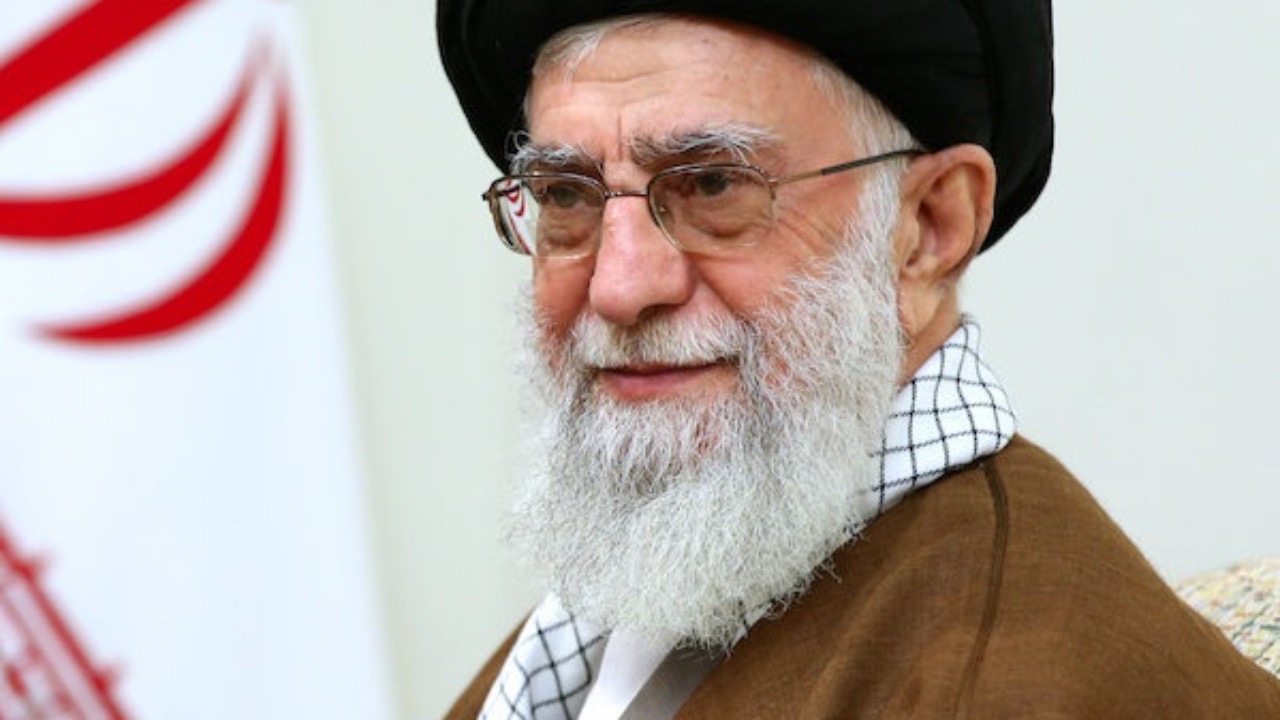
The current flare-up centers on the narrow Strait of Hormuz, the chokepoint linking the Persian Gulf to the Gulf of Oman and the wider Indian Ocean. Iranian units have carried out what U.S. officials describe as illegal boarding, detention, and seizure of commercial ships in the Persian Gulf, the Strait of Hormuz and Gulf of Oman, prompting a formal advisory labeled 001-Persian that explicitly cites Iranian Illegal Boarding, Detention, Seizure. These actions have revived long-standing fears that Tehran could again use the waterway as a pressure point, either to harass individual vessels or to threaten traffic at scale.
Iranian rhetoric has moved in lockstep with these operations. Former parliamentary speaker Ali Larijani, Referring to past hostilities with the United Sta, has warned that the United States must be ready to see coffins of fallen troops in Washington if confrontation deepens, casting maritime friction as part of a wider confrontation with Iran. That kind of language, paired with the physical seizure of ships, is designed to raise the psychological cost for American decision makers and to remind regional states that Iran retains the capacity to disrupt a vital artery of global trade.
U.S. maritime advisory spells out the new risk environment
Washington’s response has been unusually blunt. The New US Maritime Administration has issued a detailed alert for the Persian Gulf, Strait of Hormuz and Gulf of Oman that describes a pattern of Iranian Illegal Boarding, Detention, Seizure and urges U.S.-flagged commercial vessels to rethink their routes. In the advisory, U.S.-flagged commercial vessels are told to coordinate voyage planning with U.S. authorities, maintain heightened awareness, and treat Iranian approaches with extreme caution, reflecting a judgment that the risk of detention has risen sharply in recent weeks.
The same notice stresses that U.S.-flagged commercial vessels should coordinate voyage planning with U.S. agencies and monitor VHF Channel 16, guidance that is spelled out in a dedicated section on U.S.-flagged operations. The advisory’s Status entry, valid into 2026, underscores that this is not a fleeting warning but a standing assessment that Iranian behavior in these waters will remain a serious concern through at least 08/08/2026, unless there is a significant shift in Tehran’s posture.
American ships told to stay “as far as possible” from Iranian waters
Beyond technical advisories, U.S. officials are now using plain language to urge distance from Iranian-controlled seas. The U.S. Department of Transportation’s maritime arm has advised that American-flagged vessels should stay as far as possible from Iranian waters to avoid a military confrontation, a message echoed in coverage that notes how the Dep is trying to reduce the chances of a miscalculation between American and Iranian forces. One report framed it starkly as the United States urging American-flagged vessels to stay far from Iran in nearby waterways, highlighting that even routine commercial voyages now carry geopolitical risk.
Operationally, captains are being told that, Under the new guidance, ships are advised in the event of any incident to activate the Ship Security Alert System, contact the U.S. government, and follow specific protocols to document and report harassment or boarding attempts. That instruction, detailed in a breakdown of the advisory’s language, shows how Washington is trying to standardize responses so that individual masters are not improvising under pressure, while also ensuring that any Iranian move is quickly relayed up the chain of command in real time.
Iran’s Revolutionary Guard flexes in the Persian Gulf
On the Iranian side, the Islamic Revolutionary Guard Corps has been at the forefront of maritime pressure tactics. Reporting from maritime intelligence specialists describes how, in a recent incident, Iran’s Islamic Revolutionary Guard Corps said it had seized two oil tankers in the Persian Gulf, alleging they were involved in smuggling and signaling that such operations could be used to interfere with or disrupt traffic at scale. That claim, highlighted in a breakdown of global shipping enforcement trends, underscores how the IRGC uses legal pretexts like smuggling to justify actions that have clear strategic messaging for Washington and regional rivals.
These seizures are part of a broader pattern in which Iran uses the Persian Gulf as both a security buffer and a bargaining chip. By targeting foreign tankers in the Persian Gulf, the IRGC can send a warning not only to the United States but also to Gulf Arab states that host American forces, reminding them that their own exports are vulnerable. Analysts note that this approach dovetails with Tehran’s long-standing threat to close or severely disrupt the Strait of Hormuz if its own oil exports are constrained, a scenario that would immediately affect shipping lanes visible on tools that track maritime traffic near key locations such as the Strait.
Gunboats, attempted interceptions, and the risk of miscalculation
The danger is not limited to formal seizures. Earlier this month, a U.S.-flagged tanker named Stena Imperative was approached by Iranian gunboats in the Strait of Hormuz, according to a British maritime security firm that tracks such incidents. The firm, identified as British Vanguard Tech, reported that the Iranian vessels ordered the tanker to alter course toward Iranian waters before a nearby U.S. warship intervened, illustrating how quickly a commercial encounter can draw in military assets. The episode, which unfolded in the Strait of Hormuz, shows how Iranian units probe U.S.-linked shipping even when they stop short of boarding.
Other accounts describe how The United Kingdom Maritime Trade Operations, known as UKMTO, confirmed an interception attempt by armed boats and initiated an investigation into the circumstances, reinforcing that multiple monitoring bodies are now logging Iranian activity in and around the Strait. A separate section of the same reporting notes that the incident was first flagged from Dubai, where the British maritime security firm relayed details on Tuesday about Iranian gunboats shadowing the tanker, prompting a CENTCOM spokesman Capt to confirm that U.S. forces had responded. Together, these reports from Dubai and from UKMTO paint a picture of a crowded, tense waterway where a single misread radio call could spiral into a firefight.
Washington’s parallel pressure: naval interdictions and sanctions
While warning its own ships to avoid Iranian waters, the United States is also projecting power far from Hormuz. On February 9, 2026, United States Indo Pacific Command intercepted the Suezmax tanker Aquila II in the Indian Ocean, a move described as part of an undeclared naval blockade aimed at constraining Iranian-linked energy flows. The account notes that, On February that day, United States Indo Pacific Command forces boarded the Suezmax Aquila II as it transited with cargo tied to what Washington views as sanctions evasion, linking the operation to a broader effort branded the GREAT Energy Deal in political messaging back home.
This kind of interdiction underscores that the maritime contest is not confined to the Strait of Hormuz itself. By targeting a Suezmax like Aquila II in the Indian Ocean, U.S. forces are signaling that they can reach Iranian-associated shipping well beyond the Persian Gulf, complicating Tehran’s efforts to reroute exports. The detailed narrative of the Aquila II operation, laid out in a long-form analysis of how America’s undeclared blockade functions, shows how legal tools, naval power, and energy diplomacy intersect in the current standoff over Aquila II.
Iranian threats of a “massacre” and the specter of closing Hormuz
Iranian officials are not only acting at sea, they are also sharpening their language about what might come next. In coverage of recent statements, Iranian figures are quoted warning of a potential massacre in the Strait of Hormuz if the United States miscalculates, tying that threat to the possibility of closing the waterway. One detailed report explains How Iran closing the Strait of Hormuz would impact the US, world, noting that Iran seized two foreign oil tankers in the Persian Gulf and that a former Iranian minister used the word massacre to describe what could happen if tensions escalate amid mounting regional pressure, a formulation that is repeated in Spanish-language coverage of How Iran closing the Strait of Hormuz would affect the US, world.
These warnings are not abstract. Iranian strategists have long argued that if their own exports are strangled, they should respond by threatening all traffic through the Strait of Hormuz, a logic that turns every tanker into a potential bargaining chip. The latest comments, amplified in both English and Spanish reports on Iran seizing foreign oil tankers and threatening a massacre in the Strait of Hormuz, are meant to remind Washington and its partners that any attempt to isolate Iran economically could trigger a direct challenge to global shipping. That message is reinforced by Larijani’s separate warning that the United States must brace for coffins of fallen troops in DC, a line that explicitly links maritime confrontation to the prospect of American casualties on Iran’s terms and is echoed in Spanish-language reporting from Iranian Minis.
Global oil markets race through the chokepoint
Despite the rising risk, commercial imperatives are still driving heavy traffic through the Strait. Industry data shows Tankers Speed Through Hormuz Chokepoint on US-Iran Tensions, with shipowners weighing the danger of Iranian interference against the profits available in a tight market. Analysts note that strong demand for crude, combined with tight vessel supply, is keeping flows high even as insurers and charterers factor in higher war risk premiums and the possibility of delays or diversions if a crisis erupts in the Strait of Hormuz Amid Rising Tensions.
That tension between risk and reward is visible in how quickly tankers continue to transit the chokepoint even after reports of Iranian gunboats approaching U.S.-linked vessels and of the Islamic Revolutionary Guard Corps seizing tankers in the Persian Gulf. For many operators, rerouting around Africa would add weeks and significant fuel costs, so they are instead relying on naval escorts, intelligence from maritime security firms, and updated advisories from The United States to manage the danger. The result is a precarious equilibrium in which Tankers Speed Through Hormuz Chokepoint while all sides understand that a single misstep could send oil prices sharply higher and force a scramble for alternative routes, as highlighted in the market-focused analysis of Iran Tensions.
Diplomacy in Oman and the political stakes in Washington and Tehran
All of this is unfolding against a diplomatic backdrop that is itself fraught. Indirect talks between Washington and Tehran are taking place in Oman, with negotiators trying to find a path forward on Iran’s nuclear program and its regional activities. US President Donald Trump, who ordered strikes on Iran’s nuclear infrastructure in June last year, has described the talks in Oman as high stakes, signaling that he sees both risk and opportunity in the current moment. Coverage of the U.S. warning to American ships to stay away from Iranian waters notes that President Donald Trump is balancing pressure at sea with a willingness to keep talking, even as hardliners on both sides question the value of engagement with Iran.

Asher was raised in the woods and on the water, and it shows. He’s logged more hours behind a rifle and under a heavy pack than most men twice his age.