As Tornado Season Intensifies, Scientists Link More Violent Outbreaks to Shifting Climate Patterns in the Heartland
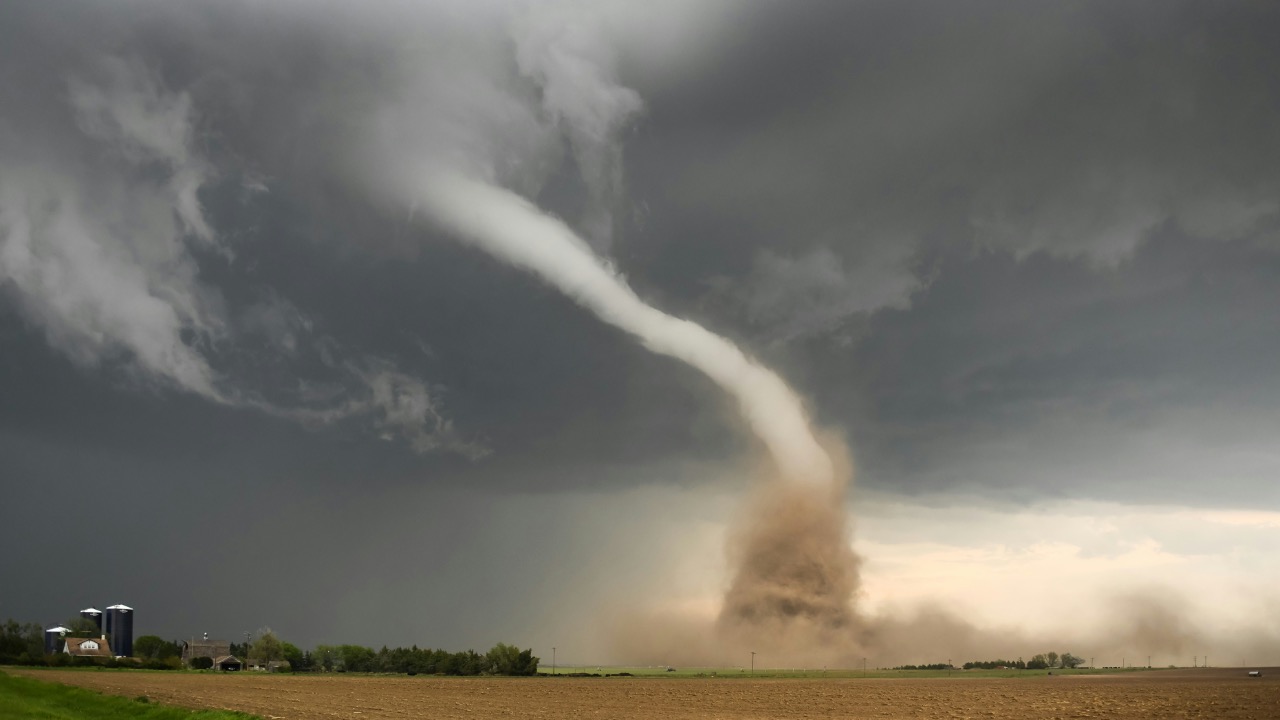
Tornado season across the central United States has been drawing more attention as outbreaks appear to be hitting harder and, in some cases, clustering into larger events. States in the heartland have seen stretches of severe weather that feel more intense than what people remember from past decades, even if tornadoes themselves aren’t new to the region.
Scientists studying severe weather patterns say the conversation isn’t just about the number of tornadoes, but how and when they form. There’s growing focus on the idea that outbreaks — multiple tornadoes in a short time — may be becoming more concentrated, raising the risk for communities caught in their path.
What researchers are seeing in recent years

Researchers in meteorology have been tracking changes in how tornado activity is distributed. Instead of a steady number of events spread out over time, there’s evidence that tornadoes are increasingly occurring in clusters, sometimes producing several strong storms in a single system.
Another pattern getting attention is timing. Some outbreaks are happening earlier in the year or outside what used to be considered peak season. That shift makes forecasting and preparedness more challenging, especially for areas that aren’t used to dealing with severe storms as often.
How climate patterns may be playing a role
When scientists talk about shifting climate patterns, they’re usually referring to broader changes in temperature, moisture, and atmospheric instability. These are key ingredients for severe thunderstorms, which are responsible for producing tornadoes.
Warmer air can hold more moisture, and when that combines with the right wind conditions, it can increase the energy available for storms. While no single tornado can be directly blamed on climate change, researchers say the overall environment in which storms form may be changing in ways that support more intense outbreaks.
Why the heartland is especially vulnerable
The central U.S., often referred to as Tornado Alley, has long been a hotspot for severe weather because of its geography. Warm, moist air from the Gulf of Mexico meets cooler, drier air from the north and west, creating ideal conditions for storm development.
If those conditions become more unstable or more frequent, the region could see stronger or more unpredictable storm systems. That’s part of why communities in these areas are paying closer attention to how weather patterns are evolving over time.
The challenge of predicting tornado behavior
Even with advances in radar and forecasting, tornadoes remain difficult to predict with precision. Meteorologists can often identify conditions that are favorable for tornado formation, but pinpointing exactly when and where one will touch down is still a major challenge.
As patterns shift, forecasting models have to adapt. That means researchers are constantly updating how they analyze storm systems, trying to improve warning times and reduce uncertainty for people in high-risk areas.
What it means for communities going forward
For people living in tornado-prone regions, the biggest takeaway is the need for consistent preparedness. That includes having a plan, paying attention to weather alerts, and understanding that severe weather can develop quickly.
At the same time, ongoing research is helping scientists better understand how these patterns are changing. While there’s still debate over the long-term trends, most agree that staying aware and adapting to new information will be key as severe weather continues to evolve.

Leo’s been tracking game and tuning gear since he could stand upright. He’s sharp, driven, and knows how to keep things running when conditions turn.