Assault weapons ban faces immediate legal challenges in US courts
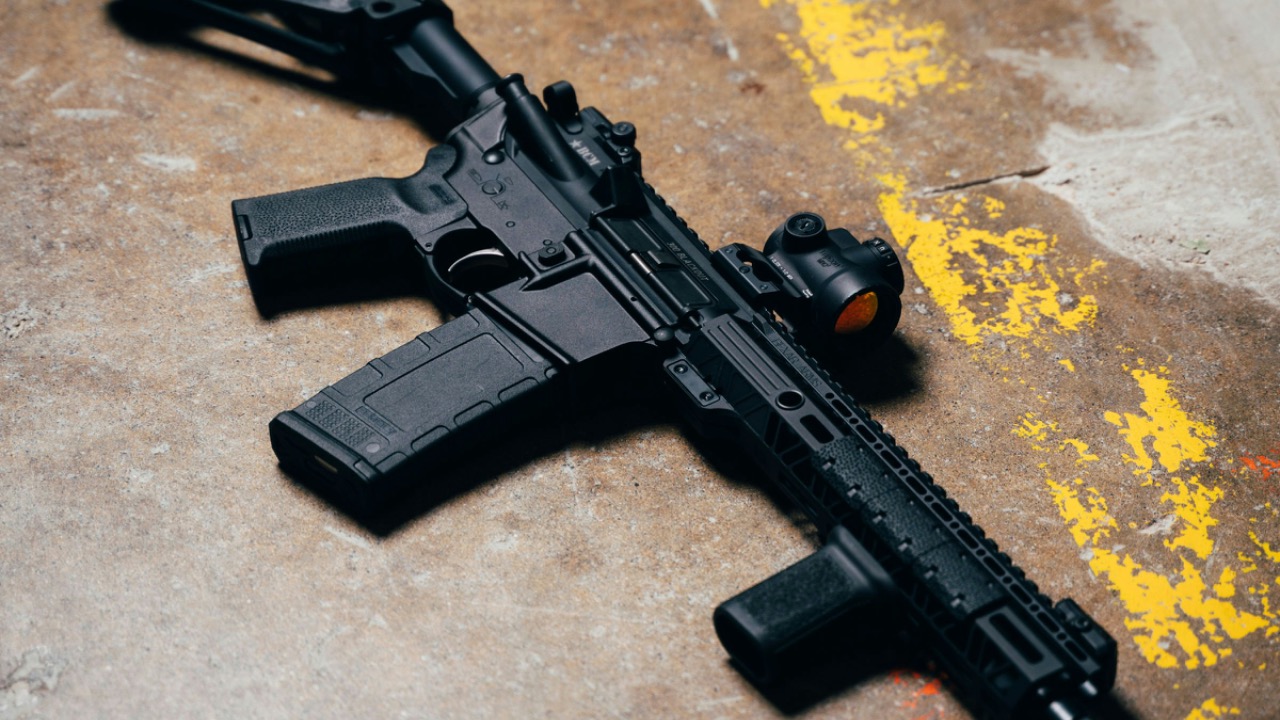
Virginia’s new restrictions on certain semiautomatic firearms and magazines have drawn swift pushback in the courts. As someone following gun policy closely, you recognize how these measures sit at the center of ongoing debates over the Second Amendment after the Supreme Court’s Bruen decision. Virginia Governor Abigail Spanberger signed the legislation on May 14, 2026, targeting sales, manufacture, and transfers of firearms defined as “assault” types—often semiautomatic rifles and handguns with features like pistol grips or threaded barrels—along with magazines holding more than 15 rounds. The law takes effect July 1. Gun rights groups filed lawsuits within hours, setting up another test of how far states can go in regulating commonly owned weapons.
The Virginia law takes shape amid shifting national patterns
Lawmakers in Richmond designed the measure to limit access to specific configurations popular in mass shootings while allowing exemptions for certain uses. Supporters point to public safety needs in a state that has seen its share of gun violence. Opponents argue the definitions sweep in millions of standard firearms that law-abiding residents keep for home defense and sport. Similar rules exist in about a dozen states, but enforcement and wording vary. Federal courts continue to sort through challenges under the history-and-tradition test from Bruen, which requires modern restrictions to match historical analogues.
Virginia’s version adds to that list at a time when lower courts show mixed results on these bans. You watch as plaintiffs claim the state overreached by criminalizing everyday transfers of rifles many families have owned for years.
Immediate lawsuits highlight procedural speed
Gun rights organizations, including the National Rifle Association and Second Amendment Foundation, moved fast with both state and federal complaints. They contend the ban burdens core Second Amendment rights without sufficient historical backing. Filings appeared the same day Spanberger signed the bill, seeking injunctions to block enforcement before July. Courts often handle these emergency requests by weighing irreparable harm against public interest. Past cases suggest judges may allow the law to stand temporarily while arguments proceed.
This rapid response reflects a broader strategy. Advocates file early to build records and preserve options for appeals. Virginia residents who already own covered firearms face questions about grandfathering, though the law focuses more on new transactions.
Constitutional arguments center on common use
Plaintiffs emphasize that AR-15 style rifles rank among the most popular in America, owned by millions for lawful purposes. Under Heller and Bruen, they say, such arms receive protection unless the government shows a clear historical tradition of banning them. Virginia counters by pointing to founding-era limits on unusually dangerous weapons and modern needs to curb mass violence. Lower courts have upheld similar bans in places like Maryland and Connecticut, but splits persist across circuits.
You see how the debate turns on evidence of historical analogues. Does regulating semiautomatic features match old laws on blunderbusses or militia arms? Attorneys on both sides dig into archives to make their cases.
Broader context of Supreme Court interest
The U.S. Supreme Court has so far declined to take a direct assault weapons case, but several justices have signaled openness. In statements around denials of review for Maryland’s ban, conservatives noted the issue seems headed their way soon. Kavanaugh, for one, suggested the Court might address it within a term or two after more lower-court development. Virginia’s new law could feed that pipeline if appeals move quickly.
Meanwhile, other states experiment with their own versions. Challenges in Illinois, Washington, and elsewhere test the durability of these restrictions post-Bruen. Outcomes often hinge on detailed factual records about weapon prevalence and public safety data.
What comes next for enforcement and owners
If courts deny an early injunction, the law activates July 1 for new sales and transfers. Existing owners might keep their firearms depending on final interpretations, but uncertainty remains. Retailers and manufacturers adjust inventories now. Gun rights groups plan continued litigation, possibly aiming for Supreme Court review. Public reaction in Virginia splits along familiar lines, with urban areas favoring controls and rural ones resisting.
You track these developments knowing the legal fights rarely end quickly. Precedents evolve case by case, shaping what restrictions survive nationwide. The Virginia episode adds fresh material to an active national conversation over balance between rights and regulation.

Asher was raised in the woods and on the water, and it shows. He’s logged more hours behind a rifle and under a heavy pack than most men twice his age.