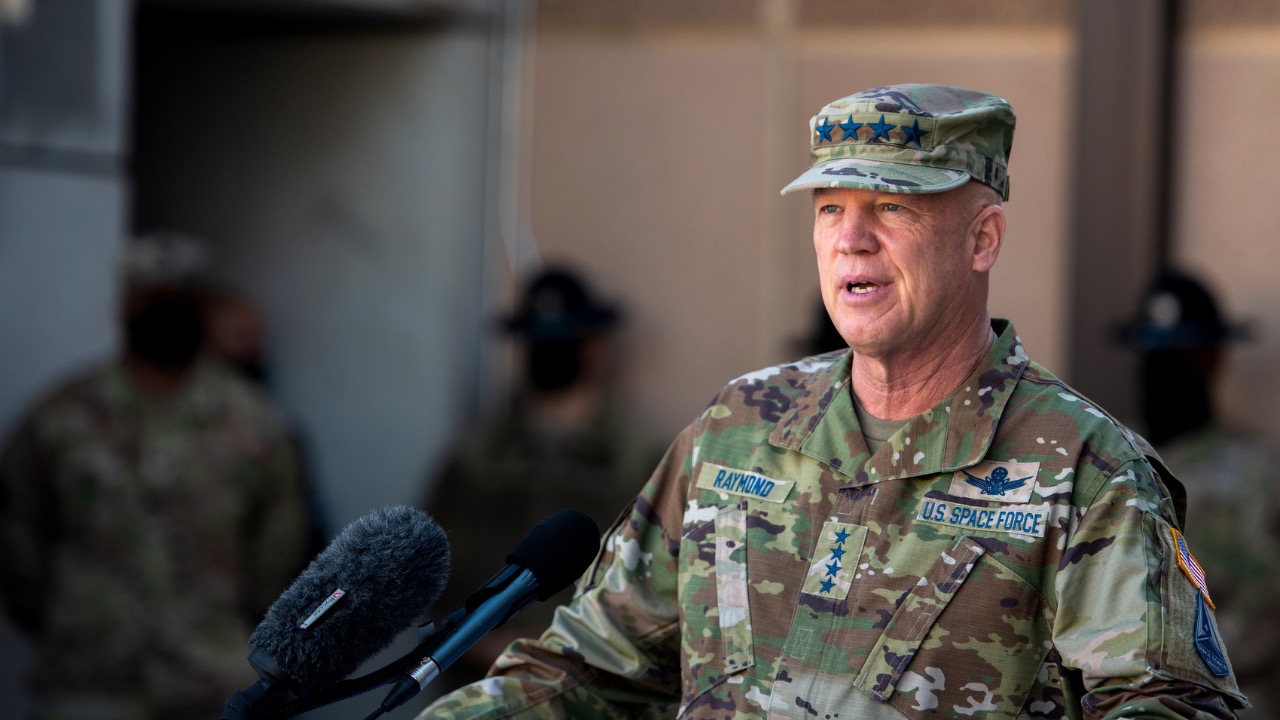
Fact Check: Did Ousted U.S. Generals Refuse Orders for Iran Invasion?
Viral posts claim that senior U.S. generals were fired after refusing an order to launch a ground invasion of Iran. The story taps into real fears about an expanded war with Iran and long-running debates over civilian control of the military. Based on available reporting and official records, the claim that ousted generals defied a direct order to invade Iran is unverified and conflicts with documented timelines of both military planning and personnel changes.
What happened
The rumor at the center of this fact check usually appears in a few familiar forms. Social media posts, short videos, and meme graphics assert that a group of top U.S. commanders refused an order to deploy ground troops into Iran, that they were then removed from their posts, and that this supposed standoff proves opposition inside the Pentagon to a wider war. Some versions name specific generals, others refer only to “top brass,” but the narrative is similar: a dramatic act of disobedience followed by a purge.
To evaluate that claim, it helps to separate three different strands of recent reporting. One involves verified accounts of how a potential attack on Iran was discussed inside the U.S. government. A second centers on the internet narrative about mass refusals by troops and commanders. A third consists of unrelated stories about unusual military planning orders that conspiracy accounts sometimes fold into the Iran storyline.
On the policy side, detailed reporting describes how Donald Trump, while in office, repeatedly pressed advisers about military options against Iran. According to one reconstruction of internal discussions, Trump asked for plans for a possible strike on Iranian targets and pushed his national security team for options that ranged from cyber operations to limited airstrikes. That same reporting notes that senior military and civilian officials, including commanders responsible for the region, raised concerns about escalation risks and the legal basis for any large-scale action, and they steered the conversation toward narrower options rather than a full-scale invasion. The account of those internal debates, drawn from interviews and documents, does not include any evidence that generals refused a lawful order to invade Iran, nor does it describe firings linked to such a refusal. Instead, it shows civilian leaders and military advisers arguing over strategy inside the normal chain of command, with the president ultimately backing away from the most extreme options after being briefed on consequences, as reflected in a detailed reconstruction of Iran.
The second strand involves claims that U.S. soldiers broadly are refusing deployment orders to Iran. Fact checkers who traced these posts found that many of the images and videos used to support the story are either miscaptioned or recycled from unrelated events. One widely shared clip that purported to show American troops declining to board aircraft for Iran in fact came from a different deployment and predated the current tensions. Another post used photos of protests by military families from earlier conflicts, presented as if they were current scenes of organized refusal. Investigators who contacted the Pentagon and relevant commands reported that there was no evidence of a systemic refusal to deploy or of disciplinary proceedings on the scale suggested in the viral content. The narrative of mass noncompliance among rank-and-file troops is therefore not supported by available evidence, as laid out in a detailed review of soldier.
Video verification specialists reached similar conclusions. They examined several clips that were circulating with captions about troops refusing to fight in Iran and found that some were filmed in completely different countries, while others documented routine movements unrelated to any Iran contingency. In one case, a video of soldiers arguing with military police at a base gate was traced to a domestic disciplinary incident that had nothing to do with deployment orders. These checks show how easily unrelated footage can be repurposed to support a compelling narrative, even when the underlying facts do not match the captions. A broadcast fact check walked through these examples and explained how geolocation, weather patterns, and unit insignia were used to debunk the supposed Iran connection, as shown in a segment on misleading Iran war.
The third strand involves an entirely different story that has nonetheless been folded into some conspiracy claims. Reporting on internal Pentagon deliberations revealed that Trump once asked his commanders to prepare a plan for a potential military operation involving Greenland. According to that account, Trump instructed military leaders to draw up a contingency for seizing control of key facilities on the island, an idea that alarmed some advisers and was never acted upon. The existence of that planning order shows that unusual scenarios sometimes do reach the planning stage, but it does not support claims of a mutiny over Iran. The Greenland episode involved a different theater, different legal questions, and no documented refusal by generals to carry out a lawful directive, as described in coverage of the Greenland planning order.
Against that backdrop, the specific claim that “ousted generals” were fired for refusing an Iran invasion order runs into several factual problems. Public records of high-profile dismissals or resignations of senior commanders do not show any official citing disobedience over Iran. When generals have been removed from command in recent years, the stated reasons have included misconduct, loss of confidence, or policy disagreements in other areas. None of those announcements reference a refusal to invade Iran, and independent reporting on those personnel changes has not uncovered hidden Iran-related motives. Based on available sources, the claim that such firings were punishment for defying an Iran invasion order is unverified.
Fact checkers have also traced how some of these rumors evolved. In several cases, a satirical or obviously fabricated story about generals rejecting a war plan was copied onto partisan pages, stripped of its original context, and then shared as if it were a genuine report. One widely shared article that claimed a “mass firing” of generals over Iran could be traced back to a site known for fictional content. When investigators searched for the named officers in official Pentagon releases and mainstream reporting, they found no record of such positions or dismissals. The story was then debunked as a hoax, as explained in an analysis of a fake firing narrative.
Another layer of confusion comes from commentary that speculates about what might happen if a future president ordered an invasion of Iran. Some opinion pieces and social media threads argue that generals “should” refuse such an order if they believed it to be illegal or strategically disastrous. Those arguments are hypothetical, not reports of actual events, but screenshots of them have sometimes been shared alongside claims that such refusals already occurred. The blending of speculative commentary with fabricated anecdotes makes the rumor more believable to readers who do not distinguish between opinion and reporting.
Optional coverage has also examined television segments and online commentary that attempted to link the firing of media personalities or lower-level officials to supposed internal dissent over Iran. In one instance, a commentator suggested that a former military figure’s removal from a broadcast role was connected to opposition to ground troops in Iran. A fact check of that claim found no evidence that Iran policy played any role in the personnel decision and noted that the timeline did not match the claimed sequence of events, as discussed in a review of ground troop refusal. That example shows how unrelated firings can be pulled into a broader narrative about supposed resistance to Iran policy.
Why it matters
The story about ousted generals refusing to invade Iran resonates in part because it sits at the intersection of several sensitive issues: war powers, civil-military relations, and public anxiety about another large-scale Middle East conflict. Many Americans remember the long wars in Iraq and Afghanistan and are wary of any suggestion that the country might enter a new ground war with Iran. Within that context, a narrative in which senior commanders heroically defy a reckless order can feel emotionally satisfying, even if it is not supported by evidence.
There is also a long tradition of speculation about whether the U.S. military would follow an order that officers considered unlawful. Under U.S. law and military regulations, service members are required to disobey clearly illegal orders, but they are also bound by a strict chain of command and by civilian control of the armed forces. In practice, disagreements over strategy usually play out through internal debate, resignations, or policy shifts rather than open refusal. The verified accounts of Iran planning under Trump show exactly that pattern: advisers argued against the most extreme options, highlighted risks, and steered the president toward more limited actions, rather than staging a dramatic confrontation in which they flatly refused to obey.
Misrepresenting those internal debates as a mutiny has real consequences. It can erode trust in civilian oversight if people come to believe that generals routinely ignore elected leaders. It can also distort public understanding of how war decisions are actually made, encouraging the idea that complex policy shifts hinge on a few individuals’ dramatic gestures rather than on longer-term political and strategic calculations. When conspiracy narratives claim that a secret group of officers is quietly blocking or enabling wars, they distract from the public accountability mechanisms that do exist, such as congressional authorization, budget control, and judicial review.
The rumor also affects how people view the troops who would carry out any Iran operation. Claims that large numbers of soldiers are refusing deployment orders can fuel false expectations among activists who hope that internal resistance will stop a war. At the same time, such stories can be used by critics to paint the military as disloyal or politically motivated. The fact checks that debunked claims of mass refusal highlight a different reality: service members may have personal views about policy, but they operate within a professional framework that rarely produces the kind of collective disobedience depicted in viral posts.
There is a separate risk that fabricated stories about heroic disobedience can be weaponized by political actors. A politician who wants to portray an opponent as dangerously aggressive might amplify unverified claims that generals had to step in to prevent a disastrous war. Conversely, a leader who feels constrained by military advice might accuse commanders of being insubordinate, citing rumors of refusal as supposed proof. In both cases, misinformation about how decisions were made can feed partisan narratives that have little to do with the documented record.
From a media literacy standpoint, the Iran invasion rumor is a textbook example of how false stories spread. It combines kernels of truth, such as real debates over Iran policy and genuine concerns about escalation, with fabricated details about firings and refusals. It then uses emotionally charged imagery, including photos of coffins or battlefield scenes from other conflicts, to create a sense of urgency. Once that package is shared across platforms, it becomes difficult for casual readers to separate verified information from invented drama.

Leo’s been tracking game and tuning gear since he could stand upright. He’s sharp, driven, and knows how to keep things running when conditions turn.