Calibers that still make sense today
Every few years, a new cartridge shows up with big promises and louder marketing. Some fade fast. Others stick around because they keep doing real work for real shooters. These are the calibers you still see in camp trucks, on range benches, and in freezers every fall. They aren’t riding trends. They’re sticking around because they’re practical, available, and predictable when it counts.
If you’ve spent enough seasons hunting or enough weekends shooting, you start to value cartridges that don’t require excuses. The ones below still earn their place today, whether you’re filling tags, punching steel, or keeping skills sharp.
.22 Long Rifle
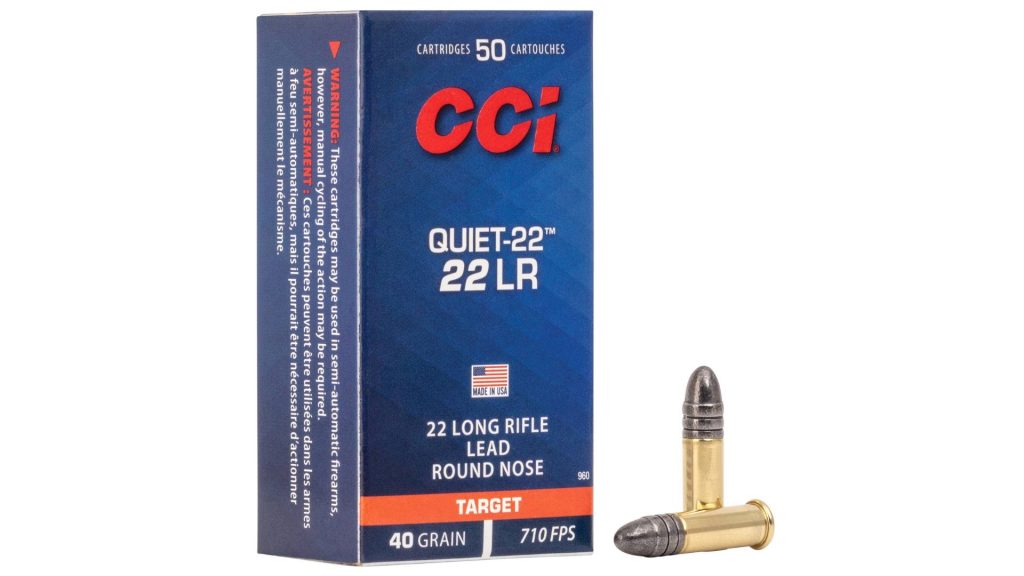
You can shoot more .22 LR in a weekend than most calibers see in a year, and that alone keeps it relevant. It’s affordable, easy on the ears, and perfect for working fundamentals without burning through your wallet. Whether it’s a bolt gun like a CZ 457 or a well-worn Ruger 10/22, this cartridge still teaches more than most people admit.
Beyond practice, it handles small game cleanly when used within its limits. It’s also available almost everywhere, even when shelves look thin. If you want a caliber that keeps you shooting when others are parked at home, this one still pulls its weight.
.223 Wylde
.223 Wylde doesn’t get much attention outside technical circles, but it solves a real problem. It safely handles both .223 Remington and 5.56 NATO while often delivering better accuracy than either chamber alone. That flexibility matters if you shoot a mix of factory loads and bulk ammo.
In rifles like the Rock River Arms LAR-15 or custom bolt guns built around the chamber, you get consistency without being locked into one pressure range. Recoil stays mild, barrel life is reasonable, and ammo availability remains strong. For predators, training, and general range work, it continues to make practical sense.
.243 Winchester
The .243 Winchester keeps proving itself as a crossover cartridge that does more than people expect. It shoots flat, recoils lightly, and works for both varmints and deer when paired with proper bullets. That balance makes it a strong option for shooters who don’t want multiple rifles.
In platforms like the Tikka T3x or Howa 1500, it’s easy to shoot well without fighting recoil or blast. Ammo options are still widespread, and the cartridge performs well in shorter barrels too. If you value accuracy and manageable recoil over raw power, this one still belongs in the conversation.
7mm-08 Remington
Built by necking down the .308 case, the 7mm-08 Remington delivers efficiency without drama. It offers solid ballistic performance, controlled recoil, and dependable terminal results on deer-sized game and larger. That balance keeps it relevant even as newer cartridges come and go.
In rifles like the Ruger American or older Remington Model Seven, it handles well in the field and doesn’t punish you during long range sessions. It also performs well in shorter actions, making it a strong choice for lighter hunting rifles. For shooters who value consistency, it still earns trust.
.30-30 Winchester
The .30-30 Winchester refuses to disappear because it works where many hunters actually hunt. Inside normal woods ranges, it hits hard, tracks straight, and puts deer down without fuss. Lever guns like the Marlin 336 or Winchester 94 carry easily and point fast.
Modern bullet designs have improved its performance without changing the cartridge’s character. Ammo remains easy to find, and recoil stays manageable for most shooters. If your hunting happens in timber, brush, or rolling hills, this cartridge still fits the job without apology.
.308 Winchester
The .308 Winchester remains relevant because it adapts to almost anything you ask of it. Hunting, target shooting, suppressed use, and training all fall within its wheelhouse. It delivers predictable results without needing long barrels or specialized components.
Rifles like the Savage 110 or older FN SPR platforms show how versatile it can be. Ammo availability stays strong worldwide, and data is well understood. You don’t need to chase velocity or trends to make it work. It keeps doing what it’s always done, and that’s why it still makes sense.
.270 Winchester
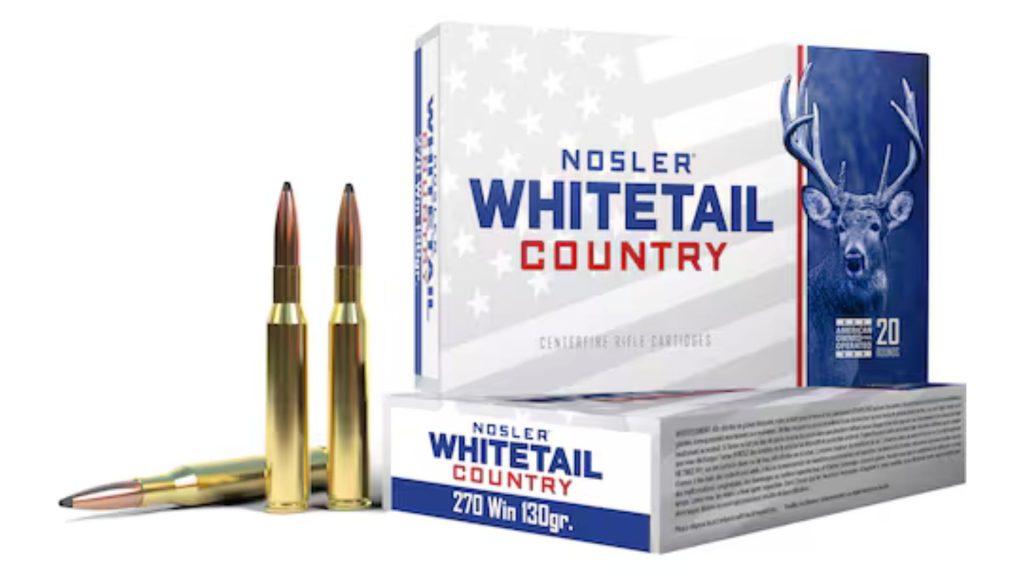
The .270 Winchester has been dropping game cleanly for generations, and nothing has changed that. It offers flat trajectories, manageable recoil, and plenty of reach for open-country hunting. That combination still works as well today as it did decades ago.
In rifles like the Winchester Model 70 or Browning X-Bolt, it balances well and shoots smoothly. Factory ammo remains easy to find, and bullet selection covers a wide range of game. For hunters who value reach without stepping into magnum recoil, this cartridge still holds ground.
.35 Remington
The .35 Remington doesn’t get much attention anymore, but it keeps working in the places it was built for. In thick woods and short sightlines, it delivers heavy bullets at practical ranges with reliable penetration.
Rifles like the Marlin 336 chambered in .35 Remington are steady and effective without needing speed. Ammo isn’t everywhere, but it’s still available for those who look. If you hunt close and want authority without magnum blast, this cartridge remains a solid tool.
6mm ARC
The 6mm ARC earns its place by offering strong performance in shorter barrels and compact platforms. It delivers better downrange efficiency than many small-caliber options while keeping recoil reasonable.
In rifles like the Howa Mini Action or AR-based setups, it maintains accuracy without excessive wear. Ammo availability has stabilized, and bullet selection continues to improve. For shooters who want modern ballistics without oversized rifles, this cartridge fits a real niche and continues to perform without excuses.
.280 Ackley Improved
The .280 Ackley Improved flies under the radar compared to other 7mm cartridges, but it offers real advantages. It provides excellent velocity and efficiency without stepping into hard-recoiling territory.
Rifles like the Nosler Model 48 or custom builds show what it can do at distance while staying manageable. Factory ammo is more available than it used to be, and handloaders have long trusted it. If you want reach, accuracy, and flexibility in one package, this cartridge still makes practical sense.
10mm Auto
The 10mm Auto refuses to fade because it fills a role few others do well. It offers serious penetration and power while remaining usable in semi-auto pistols. That matters for hunters, hikers, and those who want more authority in a sidearm.
In pistols like the Glock 20 or Smith & Wesson M&P 10mm, it handles well with proper technique. Ammo options range widely, letting you tailor recoil and performance. It’s not for everyone, but for those who need it, the cartridge still earns respect.
.257 Roberts
The .257 Roberts doesn’t show up on many shelves, but it still delivers smooth shooting and solid field results. It offers mild recoil, good accuracy, and effective performance on deer-sized game when used responsibly.
In older rifles like the Ruger M77 or classic Mausers, it remains a pleasure to shoot. Ammo requires a bit more effort to find, but it’s still produced. For shooters who appreciate efficiency and shootability over trends, this cartridge continues to make quiet sense today.

Asher was raised in the woods and on the water, and it shows. He’s logged more hours behind a rifle and under a heavy pack than most men twice his age.