California faces fuel crisis as oil giants accuse Newsom of leaving state ‘extremely exposed’ after last Middle East shipment
California’s fuel supply is back in the spotlight after industry figures raised concerns about the state’s reliance on imported shipments, warning that recent global disruptions could leave it more vulnerable than usual.
According to claims circulating among energy industry groups and reported commentary shared online, several major oil companies are pointing to California’s refining and import structure as a growing risk factor — especially following delays tied to recent Middle East shipping disruptions.
Why the Warning Is Getting Attention
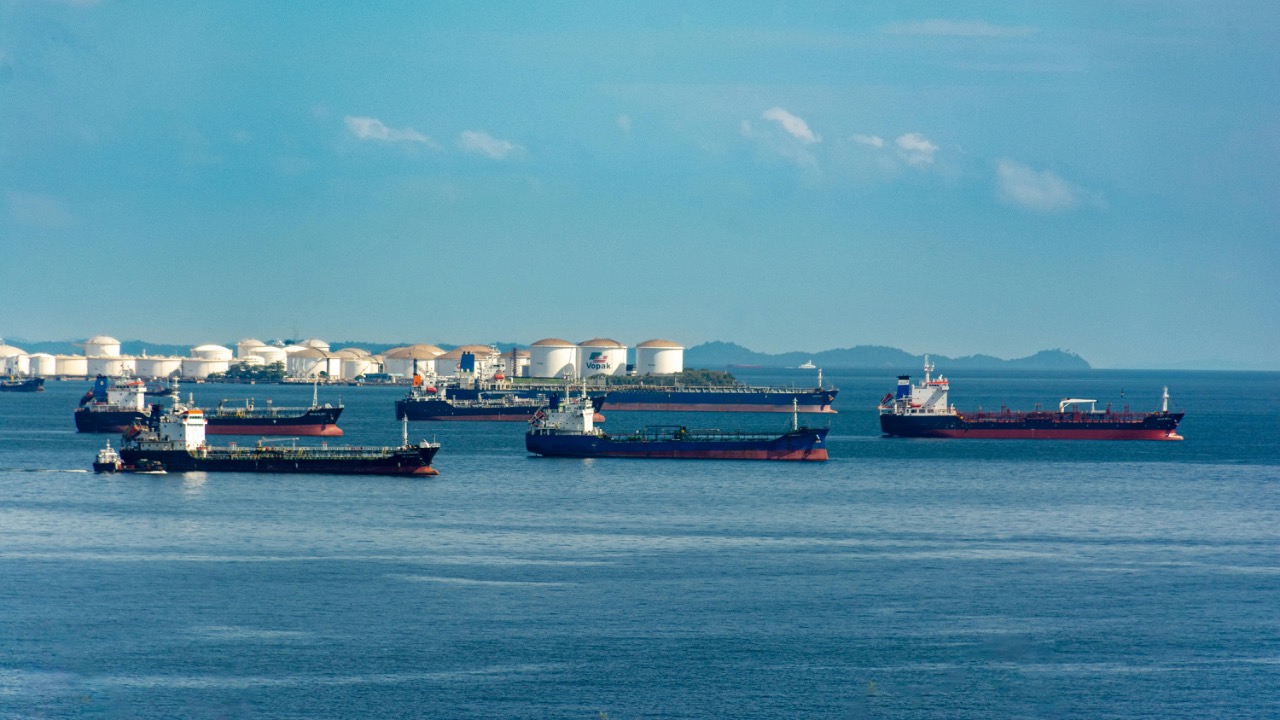
The concern centers around how California receives a significant portion of its refined fuel through maritime shipments, including international routes that can be affected by geopolitical tensions or supply chain slowdowns.
Industry critics argue that when one of those major supply channels is disrupted — even temporarily — it can create a ripple effect across fuel availability and pricing within the state.
In this case, attention intensified after reports of a recent shipment delay tied to Middle East routes, which some say highlighted how quickly conditions can tighten.
Oil Companies Point to “Exposure” Risks
In statements attributed to oil industry representatives, California is being described as “extremely exposed” to external supply shocks due to its limited in-state refining capacity compared to historical levels.
The argument isn’t new, but it has resurfaced amid ongoing global instability in energy transport routes. Critics say the state’s regulatory environment and long-term refinery closures have increased dependence on imported fuel sources.
Supporters of that view say this makes California more sensitive to disruptions that wouldn’t affect more diversified supply regions as sharply.
Pushback and Policy Debate
On the other side, policymakers and environmental advocates argue that California’s approach is part of a broader transition toward cleaner energy and reduced fossil fuel dependence.
They also note that fuel markets are complex and that price fluctuations or short-term supply concerns are influenced by many factors beyond any single policy decision.
Still, the renewed warnings from industry voices have reignited debate about whether the state is adequately prepared for external shocks to its fuel supply chain.
Why the Story Is Circulating
The discussion gained traction online after posts and commentary framed the situation as a warning sign about infrastructure vulnerability rather than a short-term market issue.
For many readers, the core concern isn’t just about politics — it’s about stability. Fuel supply disruptions, even brief ones, tend to raise immediate questions about preparedness and resilience.
The Bigger Picture
At its core, the situation highlights a long-running tension between energy policy, supply chain reliance, and global uncertainty.
Whether the current concerns signal a temporary risk or a deeper structural issue is still being debated. But the underlying question remains the same: how resilient is the system when one key supply route is disrupted?
And as this latest situation shows, even the perception of vulnerability is enough to spark a broader conversation about what comes next.

Leo’s been tracking game and tuning gear since he could stand upright. He’s sharp, driven, and knows how to keep things running when conditions turn.