California’s Lead Ammo Mandate and Night Hunting Bans Make It One of the Toughest Places to Hunt Legally
California hunters face a rulebook far thicker than a simple list of seasons and bag limits. Between a sweeping mandate for nonlead ammunition and tight restrictions on night hunting, the State has turned legal hunting into an exercise in regulatory navigation as much as fieldcraft. Those policies are rooted in public health and wildlife protection, yet they also make California one of the hardest places in the country to stay on the right side of the law while in the field.
How California Ended Lead Ammo for All Hunting
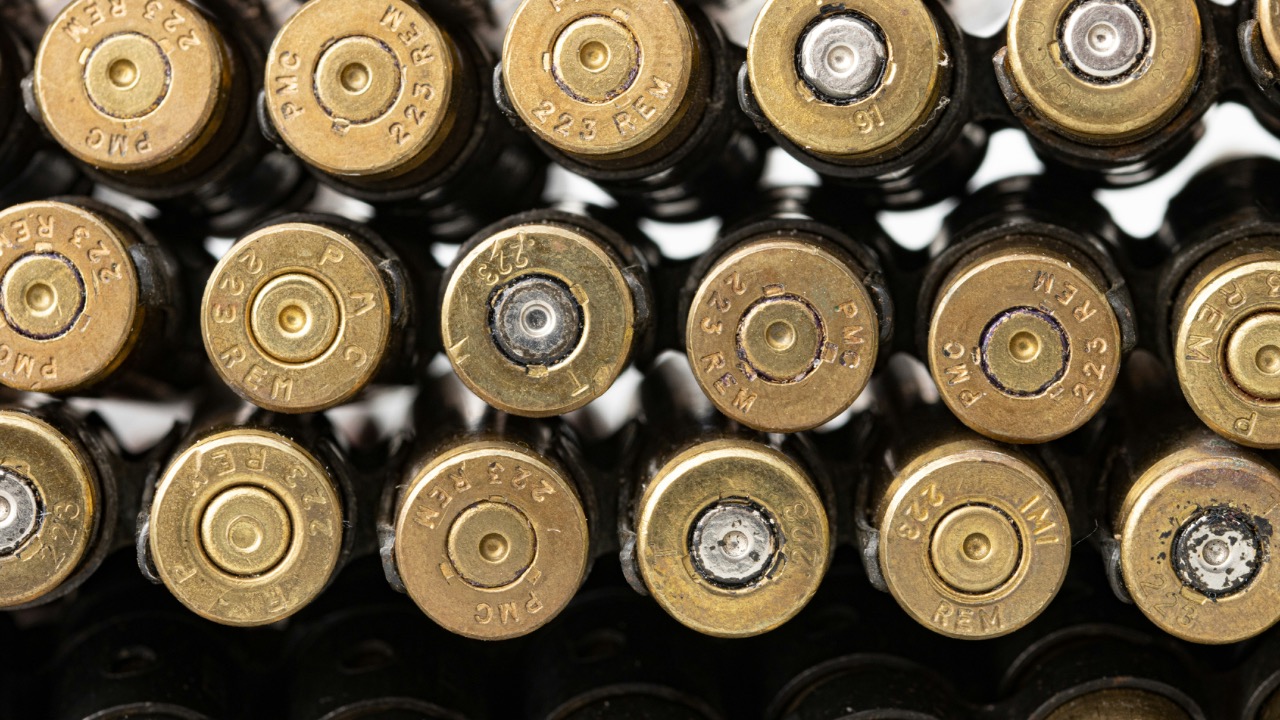
The turning point came when California became the first state to fully phase out traditional lead bullets for every type of hunting. With a comprehensive ban taking effect in July, California completed a years long shift away from toxic projectiles for any firearm use on wildlife, in any gauge or caliber. That move built on earlier limits for waterfowl and specific regions and expanded them to every species and every hunt statewide.
The California Fish and Game Commission codified that shift in §250.1, titled Prohibition on the Use of Lead. The regulation spells out a phased approach that now culminates in a complete requirement for certified nonlead ammunition whenever hunters take wildlife with a firearm. Agencies and advocates point to research showing that lead fragments can shatter on impact, leaving dust sized particles throughout game meat and carcasses that scavenging birds consume. One analysis linked the ban to a goal of decreasing lead poisoning in endangered raptors such as the California condor by reducing contamination from lead fragments.
California wildlife officials frame the change in practical terms for hunters. A state overview titled Nonlead Ammunition in explains that effective July 1, 2019, nonlead ammunition is required when taking any wildlife with a firearm anywhere in Californi. The same guidance walks hunters through how copper and other nonlead bullets behave differently, including possible shifts in points of impact and patterns, which can affect accuracy if shooters do not re zero their rifles or pattern their shotguns.
Why Target Shooters Still See Lead on the Range
One of the more confusing aspects of the policy is that the ban is not universal for all shooting. The regulations carve out a clear difference between hunting and practice. According to the state’s own Use of nonlead rules, the regulations do not require nonlead ammunition when target shooting. Use of lead projectiles for target shooting is legal, which means a hunter can fire lead rounds at a public or private range, then must switch to certified nonlead cartridges before heading into the field.
That split reflects the policy rationale. When shooting paper or steel targets, spent bullets usually stay on a confined range where soil and water can be monitored or remediated. When hunting, carcasses and gut piles are left on the landscape. Public health advocates argue that those remains are the main pathway for lead into scavenging birds and other wildlife. A statewide analysis of childhood exposure also highlights that Lead ammunition for hunting waterfowl was banned nationally in 1991, while the California law extends the concept to all wildlife to protect both children and species such as the California condor from lead exposure.
For hunters, the result is a patchwork of legal and cultural expectations. Some complain that nonlead ammunition is harder to find and more expensive in certain calibers. Others accept the change but worry about performance on game. The state has tried to ease that transition with certified lists of nonlead products and outreach through programs such as huntingwithnonlead.org, which walk shooters through ballistic differences and field results.
Night Hunting Bans Turn Darkness Into a Legal Minefield
If ammunition rules define what hunters can shoot, California’s night hunting laws define when they can legally pull the trigger. Under § 3000 of Article 1 on methods of taking, codified in Jul 1, 2024, it is unlawful to take any bird or mammal, except a nongame mammal, between one half hour after sunset and one half hour before sunrise, unless a specific regulation allows it. In practice, that language shuts down most legal hunting during true nighttime hours, with limited exceptions for certain predators and depredation situations.
Hunters who are used to states that encourage night hunts for coyotes or feral hogs often run into trouble when they bring that mindset to the West Coast. A national guide to state rules notes that some jurisdictions, such as South Carolina, permit night hunting for feral hogs, coyotes, and armadillos year round on private land with specific equipment requirements. By contrast, California’s baseline rule treats night hunting as unlawful unless a narrow regulation says otherwise, which flips the default assumption for visiting sportsmen.
That tension surfaces in online discussions where one Member on a popular forum warned that, with very limited exceptions, night shooting in California is illegal for taking game and that property owners should study the law carefully before trying to eliminate pests on their property. The advice reflects a broader reality. In California it is not enough to know the species and the season. Hunters also have to track the clock and the exact legal status of whatever they are pursuing after dark.
Lights, Night Vision and the Fine Print on Equipment
Layered on top of time based restrictions are detailed rules on the use of lights and optics. California’s regulations on artificial light appear in Cal. Code Regs. Tit. 14, § 264, titled Cal. Code Regs. Tit. 14, Use of Lights Specific Areas. The rule allows certain artificial lights for taking furbearers and nongame mammals in designated counties, but it also sets limits on how those lights can be used, including distance from vehicles and public roads. Subsection (a) notes that Lights of any size or voltage may be used in those specific situations, which sounds permissive until hunters realize how few areas and species qualify.
Night vision and thermal optics add another layer of complexity. A national overview on equipment legality explains that, in the United States of America, most states allow ownership of night vision devices but often restrict their use while hunting. In the section on California, the guidance is blunt. Anyone going on a night hunt needs to be extremely careful about how they use night vision or infrared gear, since state rules on artificial light and electronic devices can turn a simple coyote stand into a citation.
Even something as basic as a gun mounted flashlight can be a legal gray area. A recent discussion among hunters in the state highlighted how one person asked about the legality of a weapon light and was quickly pointed to code sections on nongame mammals, depredation permits and maximum 9 volt light sources. That exchange reflects the same theme that runs through ammunition and timing rules. In California, hunters are expected to read the fine print before they ever step into the dark.
Predators, Exotic Game and the Narrow Paths That Remain
California does leave some room for more flexible hunting, particularly for predators and nonnative species. The Fish and Game Commission defines an entire Chapter 3.5 on Exotic Game Mammals. Section 375, titled Exotic Game Mammal, explains that an Exotic game mammal is a mammal, nonnative to California, that is established in the wild. Those species often fall under different seasons and methods of take, which can be less restrictive than rules for native big game.
Predator hunters also navigate a distinct set of regulations. A guide to Firearms and Ammunition for coyote hunting in California notes that Non lead ammunition is still mandatory, but hunters may be allowed to use a maximum 9 volt light source for certain nongame mammals. That small allowance stands in sharp contrast to states where night hunting with powerful spotlights, thermal scopes and centerfire rifles is routine for coyotes and hogs.

Leo’s been tracking game and tuning gear since he could stand upright. He’s sharp, driven, and knows how to keep things running when conditions turn.