NRA responds to President Donald Trump’s remarks about firearms at public demonstrations
President Donald Trump’s comments about firearms at public demonstrations have opened an unusual rift with one of his most loyal allies, the National Rifle Association. His call for protesters to leave their guns at home, delivered after the fatal shooting of Alex Pretti in Minnesota, has forced gun rights groups to decide how far they will go in defending the Second Amendment when it collides with concerns about public order. I see that clash playing out not only in statements and social media posts, but also in how these organizations frame what it means to be a “law-abiding gun owner” in a politically charged street.
The NRA’s response to the president’s remarks is more than a single disagreement; it is a stress test for a long partnership built on campaign support, policy access, and shared rhetoric about freedom. By challenging Trump’s suggestion that people who attend protests should not be armed, the group is trying to defend both its legal doctrine and its credibility with members who expect unwavering resistance to new limits on carrying guns. I read this moment as a rare public negotiation between a president known for championing the Second Amendment and the country’s most prominent gun lobby over where the right to bear arms ends and public safety begins.
Trump’s remarks after the Minnesota shooting
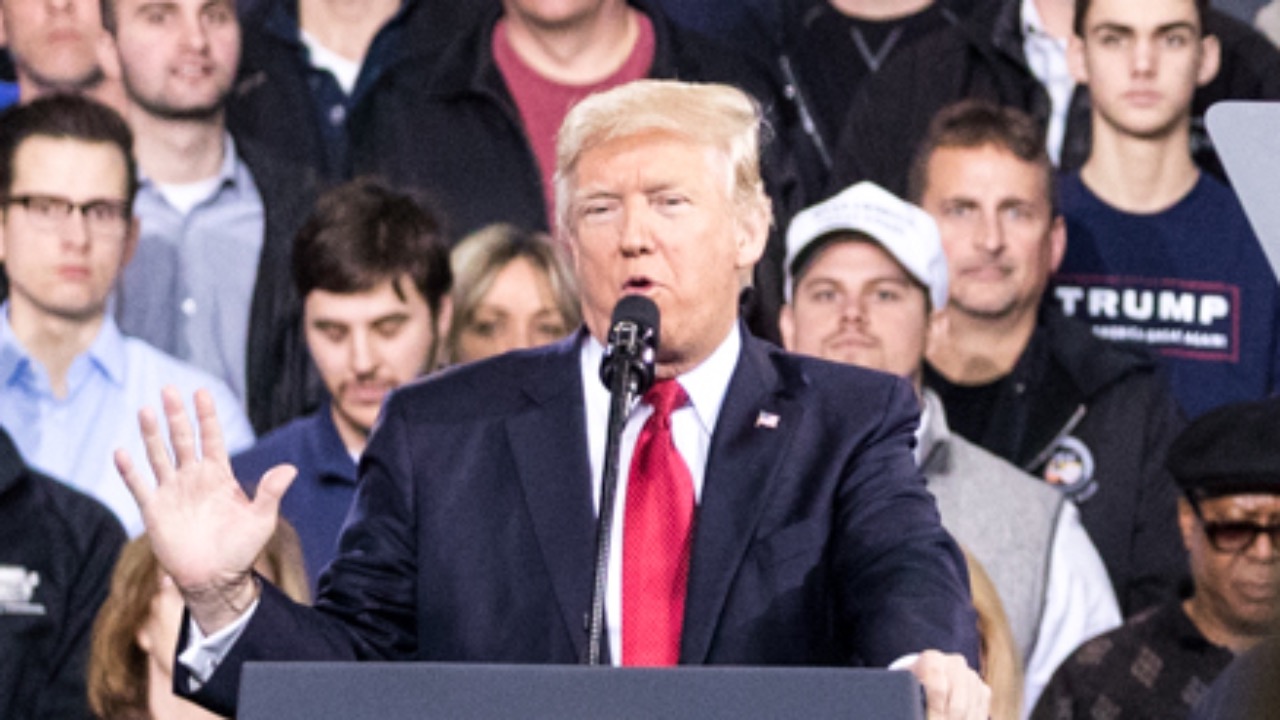
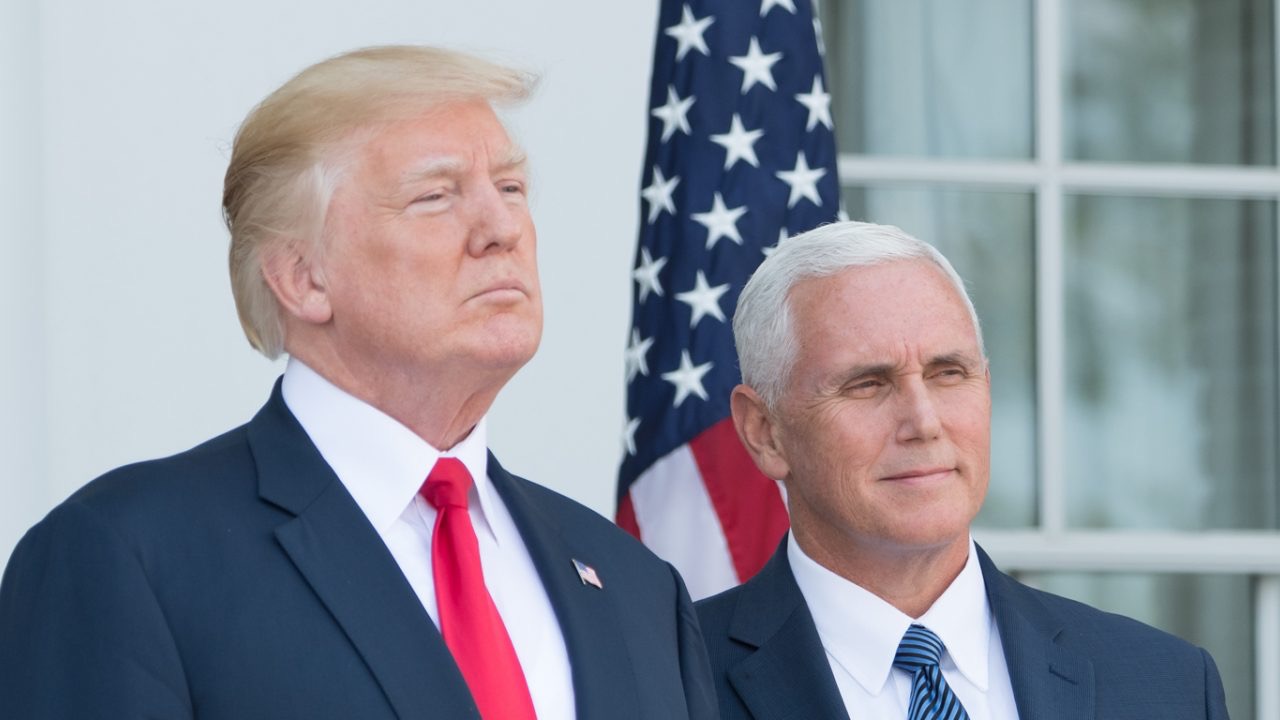
In the days after the killing of Alex Pretti in Minneapolis, President Donald Trump shifted from praising armed citizens to warning against guns at demonstrations. Speaking to reporters at the White House, he said, “You can’t have guns. You can’t walk in with guns,” as he rebuked armed protesters who had gathered after the shooting and linked visible firearms to “a lot of bad stuff” at volatile scenes. I see those words as a sharp departure from his usual posture as a Second Amendment champion and as a signal that the images from Minnesota had shaken the administration’s comfort with open carry at protests, especially when federal agents are involved.
Trump had also commented on Pretti’s handgun itself, telling reporters that the man should not have been armed when he encountered federal agents and suggesting that simply having a gun in that context made the situation more dangerous. In that same period, federal officials were emphasizing that Pretti was holding a firearm when he was shot, even as local questions mounted about whether he was attempting to drive away from the scene. When I put those statements together with the president’s blanket line that protesters “can’t have guns,” it reads as an attempt to draw a bright line between peaceful assembly and armed presence, even at the cost of angering long-time allies who see carrying a handgun as part of ordinary civic life, not a provocation supported by Trump had also.
Patel, Noem and the federal message on armed protests
The president’s comments did not land in isolation; they echoed a broader message from his security team that treated guns at protests as inherently suspect. Homeland Security Secretary Kristi Noem had already warned that heavily armed crowds around federal operations could cross the line into what she described as domestic terrorism, and FBI Director Kash Patel reinforced that view by saying, “No one who wants to be peaceful should show up to a protest with a gun.” To my ear, Patel’s statement collapses the distinction that gun rights groups draw between carrying for self-defense and carrying to intimidate, and it effectively tells would-be demonstrators that visible firearms will be interpreted as a threat rather than a constitutional exercise, a stance captured in the way he Echoing remarks made.
By tying armed protest activity to the “definition of domestic terrorism,” Kristi Noem and Kash Patel moved the administration’s rhetoric into territory that alarms civil libertarians and gun advocates alike. I read that as an attempt to deter any repeat of scenes where militias or armed counterprotesters converge on tense demonstrations and complicate the work of federal agents. Yet the categorical tone of “no one who wants to be peaceful” having a gun leaves little room for the idea that a person might attend a rally with a lawfully carried handgun and no intention of violence. That framing helped set the stage for the NRA’s pushback, because it implied that the presence of a firearm alone reveals a protester’s motives, rather than their actual conduct in the street.
The NRA’s unusually sharp response
The National Rifle Association has often been described as a dependable ally of President Donald Trump, but its reaction to his protest comments was swift and unusually blunt. After Trump and Kash Patel suggested that people who attend protests should not have guns, the NRA publicly rejected that line, stressing that “law-abiding Americans” retain the right to carry firearms even when they assemble to express political views. I see that response as an effort to remind the president that his base includes people who see open or concealed carry at demonstrations as a normal extension of everyday self-defense, not an invitation to chaos, and that they expect him to respect that choice as much as they expect him to appoint friendly judges, a dynamic that has long made National Rifle Association a reliable partner.
In statements responding to the White House, the NRA argued that blanket condemnations of armed protesters risk criminalizing millions of gun owners who follow state carry laws and who may choose to bring a handgun when they travel to a rally or march. The group framed Trump’s and Patel’s remarks as an overreach that treats the Second Amendment as a privilege granted by officials rather than a right that applies in public squares as much as in private homes. From my perspective, that is why the NRA chose such strong language, warning that the administration’s rhetoric was both “dangerous and wrong” and insisting that any investigation of the Pretti shooting focus on specific conduct, not on generalized suspicion of people who show up with holstered firearms.
“Dangerous and wrong”: the Pretti case as a flashpoint
The immediate spark for this confrontation was the fatal shooting of Alex Pretti in Minneapolis, a case that quickly became a proxy battle over what it means to be armed in the presence of federal agents. According to legal experts and gun rights advocates, the Trump administration’s early comments leaned heavily on the fact that Pretti had a handgun, with some officials suggesting that his decision to carry near a tense protest environment was itself reckless. The NRA responded by demanding a “full investigation” into the shooting and warning against “making generalizations and demonizing law-abiding citizens,” language that I interpret as a direct rebuke to the notion that simply having a firearm near a protest scene is enough to justify deadly force, a stance highlighted when The NRA called Essayli’s statement dangerous.
In its criticism, the NRA singled out public comments from Essayli, a Trump ally who argued that Pretti’s possession of a gun near federal agents justified aggressive intervention. The organization labeled Essayli’s statement “dangerous and wrong” and said that public officials should wait for the facts before drawing conclusions about whether Pretti posed an actual threat. When I look at that language, I see the NRA trying to draw a line between legitimate law enforcement concerns and what it views as prejudice against armed civilians, especially in politically charged settings. By focusing on the need for a careful investigation rather than endorsing Pretti’s actions outright, the group tried to defend the principle that carrying a handgun is not itself a crime while avoiding a direct embrace of every individual who chooses to be armed at a protest.
Gun groups, from NRA to grassroots activists
The NRA was not alone in challenging the administration’s new tone about firearms at demonstrations. Other gun rights organizations, including more grassroots-oriented groups, also warned that Trump’s rhetoric risked alienating core supporters and could be used to justify new restrictions on public carry. I noticed that some of these groups framed the debate as a slippery slope, arguing that if the government can declare guns unwelcome at protests today, it might try to expand that logic to other public gatherings tomorrow, a concern that resonates strongly with members of organizations like gunowners.org who already distrust federal authority.
Within that broader coalition, there is a split between those who focus on legal strategy and those who emphasize political pressure on vulnerable lawmakers. Some activists warned that if Trump and his allies continued to talk about armed protesters as potential domestic terrorists, they would put Republican seats at risk in districts where gun rights are a litmus test. At the same time, more institutional players like the NRA tried to balance their criticism with reminders of their long-standing partnership with the president on judicial appointments and regulatory rollbacks. I read that balancing act as an effort to keep the movement unified while still drawing a firm boundary against any suggestion that the right to bear arms stops at the edge of a protest zone.
Legal experts and the First and Second Amendments
Legal scholars who follow both First and Second Amendment law see the Pretti case and the administration’s comments as a collision between two fundamental rights. Some experts interviewed in coverage of the NRA’s response argued that Trump’s blanket line that protesters “can’t have guns” is difficult to square with Supreme Court decisions that recognize an individual right to carry firearms for self-defense, subject to reasonable regulation. When I weigh their analysis, I see a core question emerging: can the government treat armed attendance at a protest as inherently unprotected, or must it show specific evidence that a particular person’s conduct, not just their holstered weapon, poses a threat, a tension that came into focus when remarks drew swift.
Some of these legal voices also warned that equating armed protest with domestic terrorism could chill both speech and gun ownership, especially in states where open carry is lawful. If peaceful demonstrators believe that showing up with a legally carried handgun will cause federal agents to treat them as potential terrorists, they may stay home rather than risk a confrontation. From my perspective, that chilling effect is exactly what worries groups like the NRA, which see constitutional rights as mutually reinforcing: the ability to speak, assemble, and petition the government, combined with the ability to defend oneself while doing so. The Pretti case has become a test of whether the administration is willing to acknowledge that intersection or whether it will insist that those rights must be exercised separately.
Political stakes for Trump and his allies
Politically, Trump’s remarks about guns at protests carry risks that extend beyond his relationship with the NRA. Second Amendment advocates have already warned that his comments could be used by Democrats to argue that even the president’s own allies admit armed protests are dangerous, undercutting his usual claim to be the strongest defender of gun rights in modern politics. I see that concern reflected in reporting that pro-gun groups have privately cautioned the White House that vulnerable Republican incumbents could face primary challenges if they are perceived as siding with Kash Patel’s “no one who wants to be peaceful” line rather than with the NRA’s insistence on the legitimacy of armed self-defense, a warning that surfaced as immediate aftermath of the shooting.
At the same time, Trump’s team appears to be betting that a tougher line on armed protests will play well with suburban voters who are uneasy about images of rifles and tactical gear at rallies, even if those voters also support gun ownership in principle. That calculation could help explain why officials like Kristi Noem and Kash Patel framed their comments in terms of domestic terrorism and public safety, rather than purely in terms of legal doctrine. From my vantage point, the White House is trying to thread a needle: reassure swing voters that it opposes armed intimidation in the streets, while trusting that core gun rights supporters will ultimately stick with Trump because of his broader record on judges and regulations. The NRA’s pushback suggests that this strategy is far from risk free.

Leo’s been tracking game and tuning gear since he could stand upright. He’s sharp, driven, and knows how to keep things running when conditions turn.