
Cartridges Hunters Only Try Once
Some cartridges earn a quick reputation in the hunting world, and not for the reasons you’d hope. They might look promising on paper, but in practice, they rarely deliver consistent results. Whether it’s punishing recoil, finicky performance, or disappointing terminal energy, these cartridges leave hunters shaking their heads after the first hunt. Trying them once is often enough to understand their limits, and most experienced shooters move on to rounds that balance performance, comfort, and reliability.
Learning which cartridges fall into this category can save you frustration, ammo, and time in the field. They’re not necessarily unsafe, but they demand a level of tolerance most hunters aren’t willing to give.
.22 Hornet

The .22 Hornet is a classic small-caliber round that promises flat trajectories and mild recoil. It’s attractive for varmints or small game, and the rifles chambered in it are light and handy. Grandpas loved it for groundhogs or coyotes, and it still finds fans today.
In the field, the .22 Hornet’s limitations become clear. Bullet energy drops off quickly, and even well-placed shots struggle on medium-sized game. Accuracy is sensitive to barrel length and load consistency, making it frustrating for hunters who expect reliable results. Most people fire a few rounds, realize the limits, and never come back for a second outing with it.
.256 Winchester Magnum
The .256 Winchester Magnum looked like a promising deer round when it debuted. With high velocity and low recoil, it seemed perfect for hunters who wanted a fast, flat-shooting cartridge. Rifles chambered for it feel lively and fun to shoot.
Reality often disappoints. Bullet selection is limited, and terminal performance on deer is inconsistent. The round is finicky in colder temperatures and requires careful handloading to approach its advertised velocities. Most hunters shoot it once, recognize the challenges, and opt for a more forgiving and readily available option like the .243 Winchester or 6.5 Creedmoor.
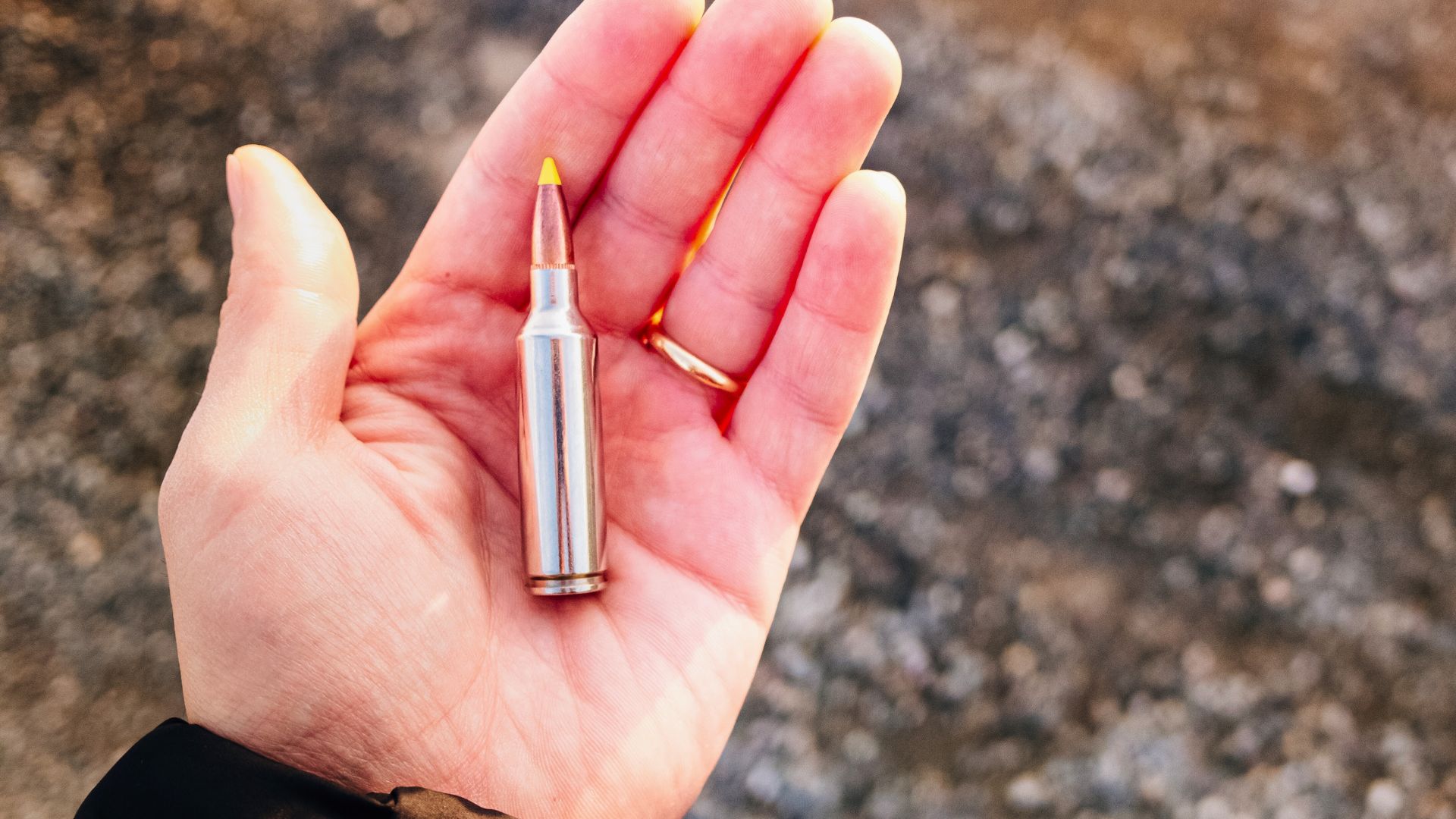
.224 Weatherby Magnum
The .224 Weatherby Magnum promises extreme velocity for varmints and small predators. Rifles chambered in it are fun to handle, and initial impressions suggest a round that can stretch your shooting skills. It’s a round made for enthusiasts who enjoy speed on the range.
In the hunting field, the results are less exciting. Barrel life suffers quickly, and the cartridge is unforgiving with handloads. Even factory ammunition can deliver inconsistent performance at range. Hunters who try it once often notice that the expense, recoil, and tricky accuracy make it impractical for serious use, relegating it to collector status or range-only experiments.
6mm Remington

The 6mm Remington boasts a fast, flat trajectory, making it appealing for deer or antelope. It’s light on recoil, rifles are comfortable to carry, and it seems like a practical choice for mid-range hunting. Early impressions suggest a versatile cartridge.
The reality is that the 6mm Remington is highly sensitive to bullet selection. Lightweight bullets fragment easily, while heavier ones may struggle in older rifles. Grouping can be inconsistent unless you handload carefully. Hunters often fire a session, notice the finicky nature, and move on to cartridges that are more forgiving and widely available, like the .243 Win or 6.5 Creedmoor.
.218 Bee
The .218 Bee is small, fast, and historically a popular varmint cartridge. Rifles chambered in it feel light and easy to carry, and early impressions make it seem like a practical round for coyotes and groundhogs.
The problem comes when you rely on it for consistent performance. Its light bullets lose velocity quickly, energy drops sharply, and even minor barrel wear affects accuracy. Most hunters who try it once quickly realize that the .218 Bee is best left as a historical curiosity or specialty round, rather than a practical tool in today’s hunting arsenal.
.25-20 Winchester
The .25-20 Winchester has a nostalgic feel, coming from an era of mild recoiling rifles for small deer and varmints. Rifles in this chambering are light and comfortable, and you can shoot all day without fatigue.
Unfortunately, the cartridge struggles in practice. It lacks the velocity and energy needed for reliable deer hunting, and heavier game is out of the question. Shot placement must be perfect, or results are disappointing. Hunters often fire it once, realize its limitations, and return to more modern, capable small-caliber options like the .223 Remington or .22-250.
.32 Winchester Special
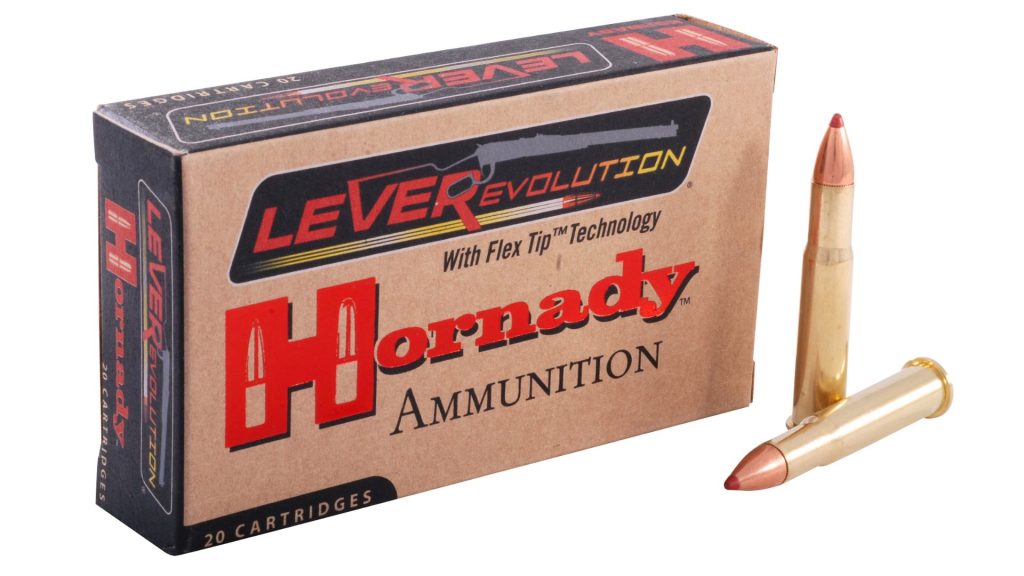
The .32 Winchester Special promised more power than the .30-30 for mid-size game. Rifles chambered in it are familiar and easy to handle, and hunters once praised its stopping power inside the woods.
In today’s field, the round shows its weaknesses. Flat trajectory is limited, heavier bullets are inconsistent, and ammo is increasingly hard to find. Most hunters fire a few rounds and discover it can’t reliably stretch past moderate distances. It’s a round people try once, respect historically, and then set aside for more modern cartridges with consistent performance.
.250 Savage
The .250 Savage gained attention as a low-recoil, flat-shooting deer round. Rifles chambered in it handle well, and the light recoil made it attractive for shooters of all sizes. Early impressions suggest a practical mid-range cartridge.
However, terminal performance can be inconsistent. Lighter bullets fragment on impact, while heavier rounds often fall short of modern expectations. Availability is limited, and handloading is almost required to achieve reasonable accuracy. Hunters fire it once, evaluate the results, and typically transition to more versatile cartridges like the .243 Winchester or 6.5 Creedmoor.
.300 Savage
The .300 Savage looks powerful on paper and rifles chambered in it are comfortable to carry and shoot. Hunters once praised it as a compromise between mild recoil and stopping power, and it earned respect for decades.
The downside is limited ammunition choices and moderate range performance. Modern .308 Win or similar rounds outperform it in trajectory, energy, and terminal consistency. Most hunters try it once, realize the slight drop-off in performance at distance, and move to cartridges that deliver more predictable results, making the .300 Savage a historical curiosity more than a practical tool today.
.35 Remington

The .35 Remington delivers big-bore appeal and moderate recoil in lever-actions and light rifles. Your grandfather may have trusted it for close-range deer hunting in the woods, and rifles chambered in it feel manageable and comfortable.
Extended shots reveal its shortcomings. Trajectory drops quickly beyond 150 yards, and energy retention is limited for larger game. Modern alternatives offer flatter trajectories and better terminal performance. Most hunters fire it once, understand the limitations, and move on to more capable cartridges, leaving the .35 Remington as a historical option rather than a field staple.
.38-55 Winchester
The .38-55 Winchester is a nostalgic round favored in old lever-action rifles. Rifles feel solid and manageable, recoil is mild, and early impressions suggest a capable hunting cartridge for deer inside 100 yards.
In practice, velocity is low, trajectory is steep, and bullet energy is inconsistent on heavier deer. Modern hunters quickly see that it’s impractical for most contemporary hunting scenarios. Most shooters fire a session, realize its limits, and return to cartridges that provide more reliable performance and versatility, relegating the .38-55 to historical and collector interest.

Asher was raised in the woods and on the water, and it shows. He’s logged more hours behind a rifle and under a heavy pack than most men twice his age.

