Guns that somehow get worse with better ammo
Sometimes, a firearm that seems solid and reliable starts misbehaving once you upgrade your ammunition. Lighter factory loads might run fine, but heavier, hotter, or premium rounds can expose flaws in the gun’s design, tolerances, or feed system. You’d think better ammo equals better performance, but that’s not always the case. Certain firearms were designed for mild cartridges, and pushing them beyond their comfort zone can lead to failures, reduced accuracy, or jamming.
Understanding which guns react poorly to higher-quality ammunition helps you avoid frustration and wasted rounds. It’s not about the gun being broken—it’s about the mismatch between firearm and cartridge. Experienced shooters know that sometimes less is more.
Ruger 10/22 (Standard Model)
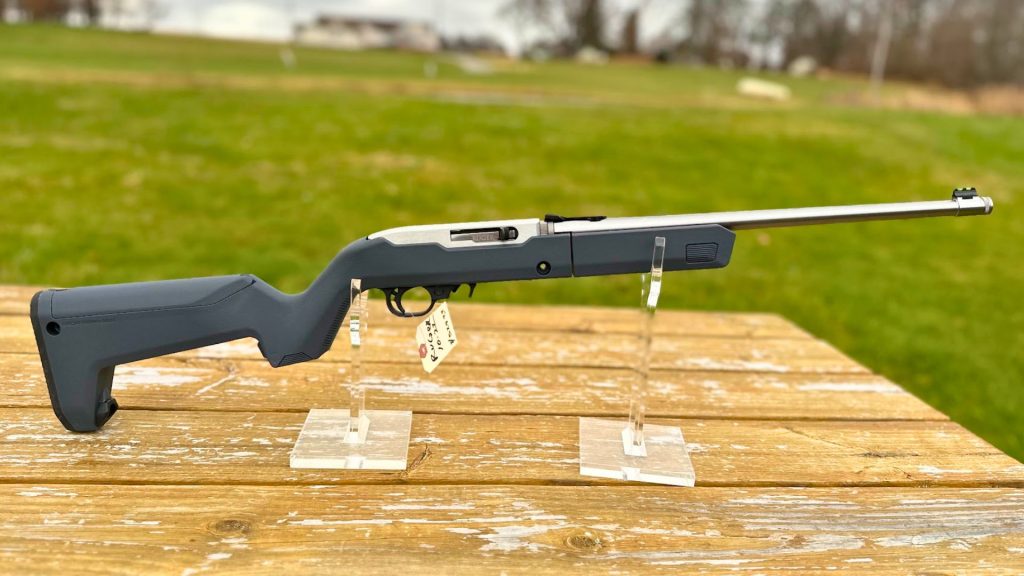
The Ruger 10/22 has been a staple for decades, loved for reliability and ease of use. It runs smoothly on standard velocity rounds, and you can drop in cheap bulk ammo and keep shooting all day.
The problem appears when you feed it high-velocity or match-grade .22 LR ammo. Some barrels and extractors struggle with the increased speed, causing stovepipes, misfeeds, or occasional failure to extract. Accuracy can actually drop with premium rounds if the gun isn’t tuned. Many owners stick with standard rounds for reliability, leaving better ammo for rifles designed for it.
M1 Garand
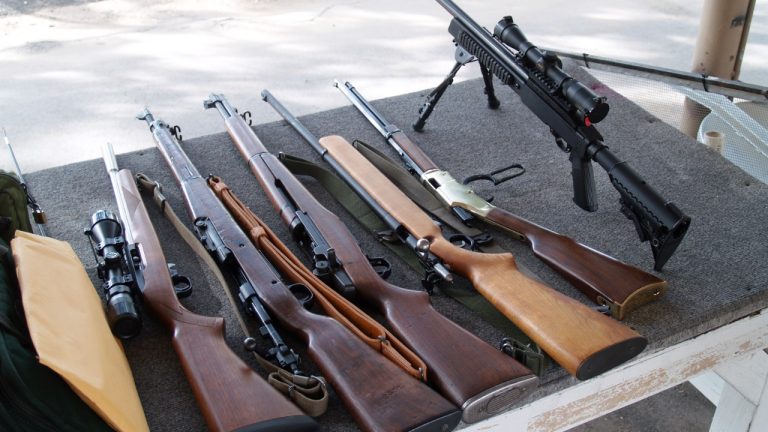
The M1 Garand served soldiers for decades with .30-06 ammo and impressive durability. Older surplus rifles often perform well with standard military ball ammunition, delivering dependable cycling.
Upgrade to hotter handloads or modern match bullets, and the action can become temperamental. Feeding issues, ejection quirks, and increased wear appear, sometimes making the rifle less reliable than with standard loads. Even experienced shooters notice that pushing it beyond what it was designed for invites headaches. The Garand shines with traditional ammo, not premium high-velocity handloads.
Winchester Model 70 (Vintage Pre-1964)
Classic Winchester Model 70 rifles were designed around mid-century cartridges and barrel tolerances. Shooting standard hunting loads produces consistent groups and a smooth bolt lift.
Using modern, high-pressure ammo can produce erratic accuracy or increased recoil perception. Some rifles develop feeding or chambering issues with faster rounds, as they weren’t built for the higher velocities and pressures of today’s premium bullets. Owners often discover that sticking to vintage-style ammunition preserves performance and avoids disappointment.
Remington 700 (Early Models)

The early Remington 700 rifles are legendary for precision and comfort. They run well on standard hunting cartridges and moderate handloads, giving dependable accuracy in the field.
When you push hot handloads or specialty match bullets, bolt alignment and magazine feed can struggle. You may notice frequent jams, inconsistent extraction, or loss of accuracy at ranges where the rifle previously excelled. Many hunters revert to moderate rounds for reliability, learning that older 700s were tuned for older ammo specifications.
SKS (Original Military Surplus)
The SKS rifle thrives on surplus 7.62×39 ammunition. Feeding is smooth, recoil is manageable, and accuracy is acceptable for its age and design.
Switch to modern commercial ammo with slightly higher pressures or different bullet profiles, and the fixed magazine or extractor can misfeed or fail to chamber properly. Accuracy can also worsen as the rifle wasn’t designed around premium rounds. Most shooters stick to original-spec ammo to avoid these headaches.
M1911 (Early Colts)
The classic M1911 handgun operates perfectly on standard military .45 ACP ball ammunition. Recoil is manageable, and cycling is predictable when using loads within its original design range.
Step up to hotter +P or specialty rounds, and feeding issues, stovepipes, and occasional hammer follow-through problems appear. Accuracy can also be affected by sharper recoil impulse. Many owners learn the hard way that early 1911s handle standard pressure ammo best, leaving higher-pressure rounds for modern hand-fitted models.
Mosin-Nagant

The Mosin-Nagant rifle is rugged and reliable on surplus 7.62x54R rounds. It feeds and ejects consistently with older military ammo, making it a dependable shooter in the woods or on the range.
High-velocity modern loads can stress the extractor and chamber tolerances, sometimes causing hang-ups or rough ejection. Accuracy may also suffer as the barrel harmonics respond poorly to faster bullets. Most hunters or shooters quickly revert to traditional ammo to maintain functionality.
CZ-452 (Early Models)
The CZ-452 rimfire rifles are praised for smooth action and accuracy with standard .22 LR rounds. Target and plinking ammo run reliably and produce expected group sizes.
Switch to hyper-velocity or match-grade ammunition, and you may see erratic feeding, double feeds, or slightly degraded accuracy. Early models weren’t engineered to handle the extra pressure or speed consistently. For dependable performance, owners often stick to standard or high-quality subsonic rounds, which preserve the rifle’s natural balance and reliability.
Lee-Enfield No. 4
The Lee-Enfield No. 4 is a robust military rifle optimized for .303 British ball ammunition. Feeding, extraction, and cycling work predictably with standard rounds, and it has proven itself in countless conditions.
Using modern handloads or heavier match bullets can introduce jams, poor feeding, or increased wear. Accuracy may not improve with better ammo and can even decline. The rifle’s design favors original-spec cartridges, leaving hotter modern rounds to create problems rather than advantages.
Springfield 1903

The Springfield 1903 rifle is a precision classic with a solid reputation on military ball loads. Its action and barrel were designed for mid-pressure cartridges, providing consistent accuracy for its era.
Hot handloads or match bullets often highlight issues in feed or chamber alignment. Accuracy may fluctuate, and extraction can become less reliable. Experienced shooters know that original-spec ammunition is the key to keeping a 1903 running predictably. Pushing it with premium rounds can create more headaches than benefits.
Browning BAR (Early Civilian Models)
Early civilian Browning BAR rifles handle standard hunting cartridges well. Smooth feeding and consistent bolt operation make them enjoyable for field use, particularly with mid-weight factory ammo.
High-velocity or specialty rounds can disrupt feeding, chambering, and even cycling due to tighter tolerances. Accuracy may not improve, and shooters sometimes experience malfunctions. The BAR is a rifle that rewards compatible ammo rather than pushing extreme rounds, making early models less forgiving with today’s hotter loads.
Ruger Blackhawk (Single-Action Revolvers)
The Ruger Blackhawk is a reliable revolver on standard .357 Magnum or .44 Magnum loads. Recoil is firm but manageable, and accuracy is predictable with standard ammunition.
Heavy handloads or specialty cartridges can cause timing issues, forcing more frequent maintenance and sometimes reducing reliability. Accuracy may worsen as recoil disrupts follow-through or the cylinder struggles with hotter rounds. Many shooters quickly realize that premium ammo is not always an improvement and stick to moderate loads for everyday shooting.

Asher was raised in the woods and on the water, and it shows. He’s logged more hours behind a rifle and under a heavy pack than most men twice his age.