Centers for Disease Control and Prevention Releases Updated Data on Wildlife-Related Injuries
Updated federal data on wildlife encounters is reshaping how public health officials think about risk. Rather than focusing on rare, dramatic attacks by large predators, the Centers for Disease Control and Prevention is emphasizing a quieter pattern of bites, stings, infections, and exposures that together create a steady burden of injury and death. The new figures and related research point to familiar animals, overlooked insects, and emerging parasites that demand more focused prevention.
The latest analysis links routine emergency room visits with longer term mortality trends, while recent advisories on rabies and parasitic flies show how quickly new threats can surface. Viewed together, the numbers offer a clearer picture of where people are most likely to be hurt, which species are involved, and what kinds of interventions can actually reduce harm.
What the new CDC data reveals about animal-related deaths
Fresh national data on fatal encounters shows that animal hazards are persistent, measurable, and often preventable. A recent study of animal-related fatalities in the United States examined 1604 deaths over a six year window and found that the incidents averaged exactly 267 per year, with a crude death rate of 0.808 per 1 million people, according to the reported Data. The authors drew on public information from the Cente for Disease Control and Prevention and other sources to categorize the circumstances of each death, showing how a relatively small number of cases can still represent a stable, recurring pattern that deserves policy attention.
The same research broke down where these deaths occur and which regions bear the greatest burden. Overall, the geographic distribution of fatal encounters, summarized in one key Figure, showed that the Southern portion of the United States reported a disproportionate share of deaths, according to the study released in Jul and Apr that examined the Overall pattern. An abstract of the same work, which is cataloged in an environmental health database, repeats the precise figures of 267 deaths per year and a rate of 0.808 per 1 million people and frames them as a benchmark for future surveillance, as reflected in the linked Abstract.
From dogs to insects: common animals behind serious injuries
Behind the mortality statistics lies a much broader universe of nonfatal injuries that send people to clinics and emergency departments. One large analysis of non-canine bite and sting injuries treated in United States emergency rooms concluded that more than 900,000 people sought care for these encounters over the study period, a figure that appears in the Conclusions section. The authors wrote that Our data show how insects, spiders, and other small creatures account for a substantial share of the caseload, and that More injuries occur in warmer months and in outdoor settings where people are working or recreating.
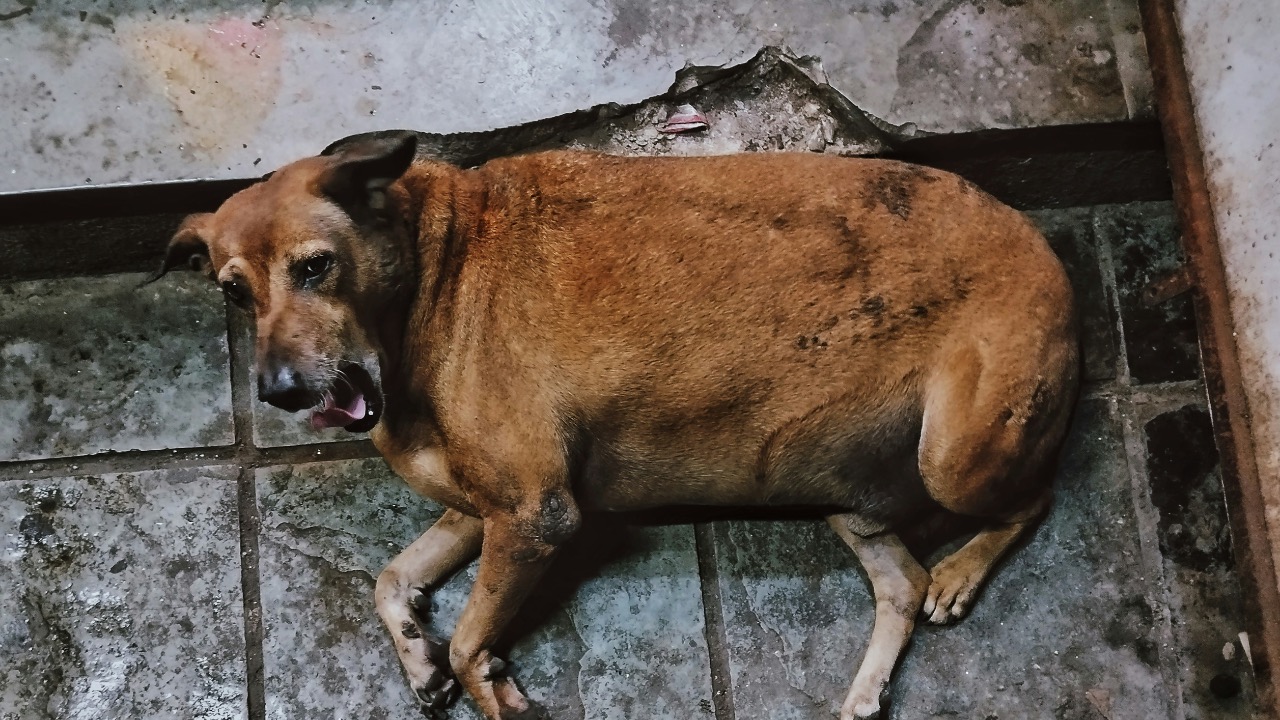
Even with that focus on non-canine incidents, familiar household animals remain a major source of harm. Nationally, dogs are consistently implicated in biting injuries that range from minor punctures to severe trauma, a pattern that has prompted additional veterinary and clinical research into prevention, as reflected in a cited study discovered through Discovered links. Another related citation through a federal database points to ongoing medical analysis of bite related infections and wound management, which is indexed in Discovered records. Together, these data show that the animals people live with and encounter daily are at least as relevant to injury prevention as rare wildlife attacks.
Stings, marine injuries, and the quiet burden of “everyday” wildlife
Insects and other small creatures are central to the injury picture, even if they rarely draw headlines. Public health surveillance has long tracked reactions to stings from hornets, wasps, and bees, which can trigger life threatening anaphylaxis in sensitized individuals. The large emergency department study of non-canine bites and stings found that these insects account for a sizable portion of the 900,000 injuries it documented, reinforcing the idea that small, flying arthropods are a routine occupational and recreational hazard. Educational materials in multiple languages, made available through a federal portal for translated health information, are designed to help clinicians and communities recognize and respond to these reactions, as seen in the multilingual resources listed under Discovered translations.
Water environments bring their own set of risks. A retrospective analysis of marine animal injuries at a large coastal center reported that encounters with fish, invertebrates, and other sea life have increased alongside recreational use of beaches and coastal waters, according to the Background section. The study’s Results section, which is partially summarized in the same report, notes that a handful of species account for a large share of the caseload, including injuries from stingrays and from spined fish such as catfish. The authors argue that better public awareness, including warnings at popular beaches and fishing spots, could reduce many of these injuries by encouraging protective footwear, careful handling of catch, and prompt medical care for puncture wounds.
Rabies, screwworms, and the rise of emerging wildlife-linked infections
While most wildlife injuries involve trauma or allergic reactions, infection risks are drawing increased attention from federal and state health agencies. A recent report on human rabies deaths in Minnesota and California, summarized in a national surveillance bulletin, reiterates that Rabies virus is maintained in wild mammals in the continental United States and remains almost universally fatal once symptoms appear, according to the linked What is already section. The same document, which is also accessible through the main Rabies report, stresses that timely post exposure prophylaxis, bat testing, and public education about avoiding contact with wildlife are the core tools for prevention. A related state press release from Minnesota, listed as Discovered information, describes how local officials traced one fatal case to an undetected bat exposure and used that investigation to reinforce guidance on seeking care after any potential bite or scratch.
At the same time, federal officials are watching parasitic flies that threaten both humans and animals. Earlier this year, The CDC issued a health advisory about New World screwworm populations that are nearing the United States, warning clinicians to consider screwworm infection in any patient with visible larvae or egg masses in a wound, according to the advisory described in The CDC alert. In response, The Texas A&M AgriLife Extension Service has released new fact sheets for people and pets that explain the biology of the parasite, the kinds of wounds it targets, prevention steps, and reporting guidance, according to materials summarized by Kay Ledbetter. The Extension Service documents emphasize that early recognition and rapid veterinary or medical care can limit tissue damage and prevent potentially deadly complications.
How public health is reshaping prevention and communication
The emerging picture from these datasets and advisories is leading to a more targeted prevention strategy. Rather than treating wildlife injuries as isolated accidents, public health professionals are framing them as predictable outcomes of specific environments, behaviors, and seasons. The environmental health study that cataloged 1604 deaths, which was first introduced in Jul and later expanded in Apr, uses its Figure on regional distribution to argue that the Southern United States may need tailored outreach on venomous animals, large livestock, and flood related wildlife encounters, as detailed in the Southern analysis. In parallel, the emergency department study of non-canine bites and stings calls for better occupational protections for outdoor workers, improved access to epinephrine for severe allergic reactions, and standardized reporting that captures species information more reliably.

Leo’s been tracking game and tuning gear since he could stand upright. He’s sharp, driven, and knows how to keep things running when conditions turn.