The hidden risks of feeding wildlife in your own backyard
From backyard bird feeders to tossed crusts for squirrels, many people see feeding wild animals as a simple act of kindness. Yet wildlife agencies warn that this well-meaning habit can set off a chain of health problems, behavior changes, and conflicts that often end badly for animals and sometimes for people. The risks hide behind a friendly ritual at the fence line, but they are real and growing in neighborhoods across North America.
Experts now describe routine handouts as a form of “provisioning” that reshapes how animals eat, move, and interact. Instead of seasonal foraging and wary distance from humans, fed animals begin to cluster, linger, and push boundaries, which can spread disease, attract predators, and even lead to lethal control when encounters go wrong.
How a handful of food rewires wild behavior
Wild animals are built around scarcity and change. State biologists describe how deer, raccoons, and other species shift diet and movement with the seasons, and warn that regular feeding can quickly disrupt those natural patterns and create dependency. One state agency bluntly notes that Feeding Wildlife May when animals stop searching widely for natural foods and instead wait at a few predictable yards.
Once a reliable handout appears, animals learn that “home is where they feed you” and begin to anchor their territories around trash cans, compost piles, and porch steps. Advice pages that urge residents to “Manage your garbage” and other attractants explain that unsecured food waste, spilled bird seed, or vegetables on the ground can teach raccoons, skunks, and bears to treat a neighborhood as a permanent buffet. Over time, that conditioning pulls them away from wild habitat and into driveways and decks.
As feeding intensifies, animals often lose their fear of people. Wildlife officials in Pennsylvania warn residents, in capital letters, “Do NOT feed the wildlife” and stress that handouts alter natural behaviors and expose both animals and people to danger. Their reminder that feeding wildlife “damages their health, alters natural behaviors, and exposes them” is paired with a clear message that such feeding is illegal in that jurisdiction, a sign of how seriously agencies now view the practice.
Health problems that start at the feeder
The food itself is often the first problem. Zoo educators point out that the snacks people offer, from bread to processed cereal, are rarely what wild animals evolved to eat. They explain that “Feeding the animals” with human food can lead to malnutrition, obesity, and metabolic disease, since the calories are high but the nutrients do not match the needs of species that usually graze on native plants or hunt small prey. A public guide that lists “Here are five reasons why” people should stop feeding wild animals puts unhealthy diet at the top of the list and frames provisioning as a direct threat to animal welfare.
Federal wildlife biologists add that wild animals have “naturally specialized diets” and that most species have spent thousands of years adapting to specific plants, insects, or prey. When that finely tuned diet is replaced with bread, corn, or pet kibble, the digestive system can struggle, feathers and fur can deteriorate, and young animals may fail to develop correctly. One federal story titled “Why is it harmful to feed wild animals?” spells this out in plain language and urges people to let “Wild animals” find their own food.
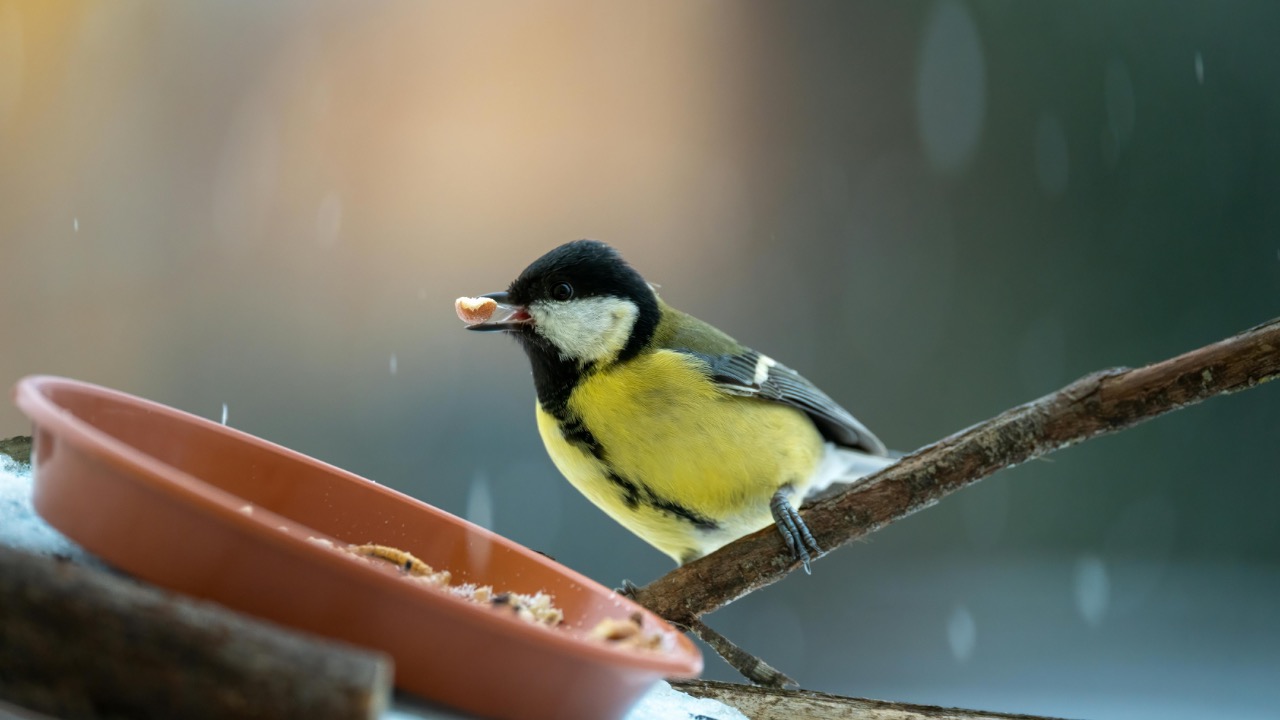
Even when the food is appropriate, the way it is delivered can create a petri dish. Research on backyard bird feeding has found “little to no indication” that responsible bird feeding harms overall populations, but the same federal summary cautions that poor practices can still cause trouble. Dirty feeders, crowded perches, and wet seed allow pathogens to spread quickly. State wildlife health alerts describe how Salmonella, Escherichia coli, parasites, and fungal spores can move between birds at feeders that do not get cleaned regularly, leading to visible outbreaks of illness and mortality in songbirds.
From friendly to dangerous: habituation and conflict
As animals link humans with food, their behavior shifts from cautious to bold. Urban wildlife guidance from British Columbia warns residents, “Don’t feed wildlife: It can do more harm than good,” and then spells out what happens “When wild animals become habituated to us.” The document explains that food-seeking animals that have been fed regularly can become aggressive, with bold behaviour that includes approaching people and pets, damaging property, and in some cases attacking when food is not offered.
New Mexico officials, in a campaign titled “Keep wildlife wild – Feeding wildlife puts you and others at risk,” highlight “Disrupted Behavior” as one of the main outcomes of handouts. They describe how big game animals that are fed lose their typical wariness and can congregate along roads and neighborhoods, which raises the risk of vehicle collisions and confrontations. The same guidance stresses that “Feeding wildlife puts you and others at risk,” not just the animals themselves.
On social media, federal wildlife staff have tried to drive the message home with stark language. One post begins, “Wanna hear a scary story?” and explains that “When wild animals are fed by humans, it can be very dangerous.” The caption warns readers, “Don’t be the person that causes a wild animal to lose its life,” and explains that Wild animals who to handouts can become so persistent that they are labeled a threat and removed or killed.
Private accounts from places like Grand Teton National Park tell a similar story. One visitor described how “Grand Teton National Park is special to me” and recalled seeing a grizzly bear near Jenny Lake while leaving the park. The post warned that “Despite most of the” visitors following rules, a few who feed or approach bears can create dangerous encounters that end with the animal’s death. The same logic applies in suburbs when coyotes or bears start cruising streets in search of trash and bird seed instead of berries and carrion.
Legal lines and the backyard grey area
Many residents are surprised to learn that feeding wildlife is not just discouraged, it is explicitly illegal in some places. The Pennsylvania reminder that “Do NOT feed the wildlife!” is coupled with a clear statement that feeding “wildlife of any kind, big and small” is against state rules. Federal agencies echo that message, with one program titled “The Problem with Feeding Wildlife” explaining that Wildlife Services staff are regularly called to deal with property damage and safety issues that began with a neighbor tossing food outside.
Other jurisdictions focus on education rather than fines, but the message is similar. A Massachusetts advisory that begins with the word “Wild” explains that animals handle changing seasons by adapting their behavior, and that supplemental feeding can disrupt those natural responses. Officials in New Mexico, British Columbia, and Illinois all frame feeding bans and restrictions as tools to keep both people and animals safer, not as abstract regulations.
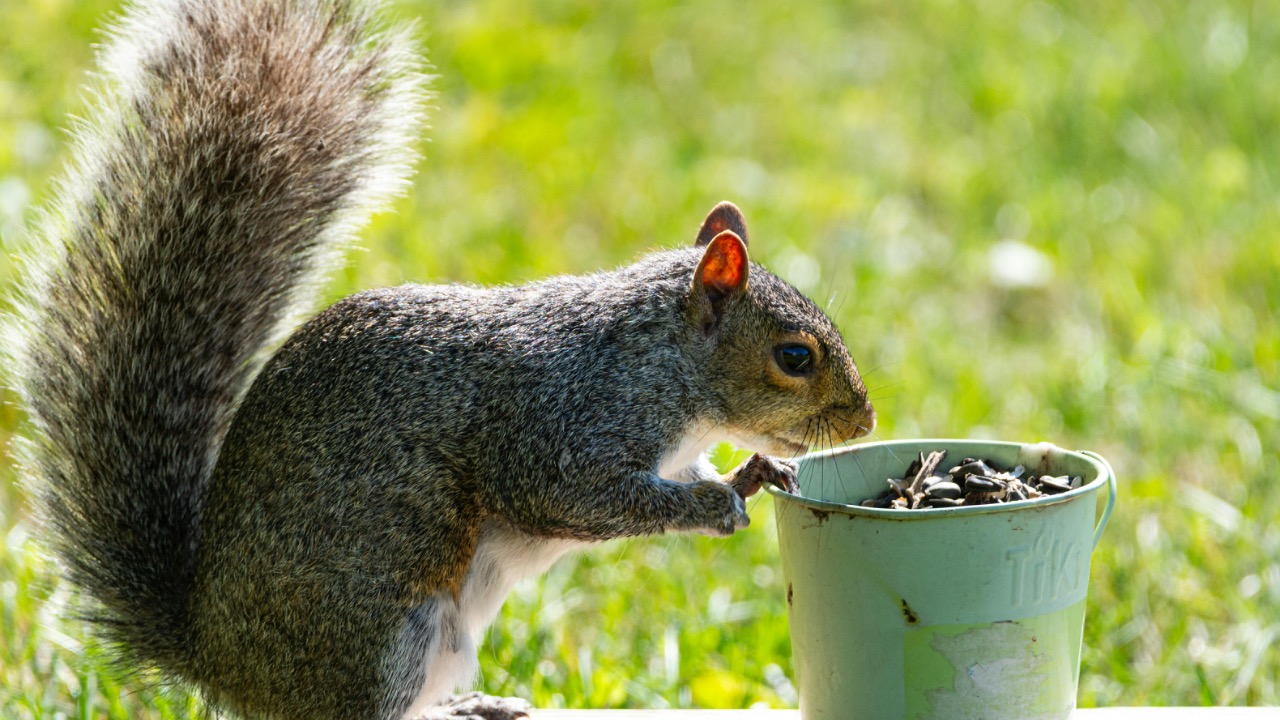
Backyard bird feeding occupies a complicated middle ground. Federal researchers note that “Research done on this subject has shown that there is little to no indication that backyard bird feeding negatively impacts the diversity” of common species in many areas. At the same time, the same federal guidance on hidden harm stresses that bird feeding should not be treated as a license to feed every animal that wanders through the yard. Dirty feeders, spilled seed that attracts rodents, and attempts to hand-feed squirrels or ducks can drag a relatively low-risk hobby into the same problem zone as other wildlife feeding.
Hidden neighborhood costs
The consequences of feeding do not stop at the property line. When one household becomes a regular food source, neighbors can find themselves dealing with tipped trash cans, damaged gardens, and frightened pets. Pest control guides warn that “Home is Where They Feed You” and urge residents to “Manage your garbage” with animal-proof lids and secure storage, precisely because raccoons and other scavengers will expand their search once they find an easy meal.

Leo’s been tracking game and tuning gear since he could stand upright. He’s sharp, driven, and knows how to keep things running when conditions turn.