Common Concealed Carry Mistakes That Experienced Shooters Avoid
Carrying a concealed handgun is supposed to add a layer of security, not introduce new risks. Yet instructors and law enforcement veterans describe the same preventable errors appearing again and again in classes and traffic stops, even among people who have been shooting for years. Experienced carriers build habits that quietly avoid those pitfalls long before a crisis forces them to draw.
The difference rarely comes down to gear alone. It is a mix of mindset, equipment choices, training and respect for the law. Looking at what seasoned shooters refuse to do offers a practical checklist for anyone who carries a pistol under a jacket or inside the waistband.
Mindset: Responsibility Before Firepower
Veteran trainers consistently put mindset at the top of the list. Several guides on Common Concealed Carry describe how Not Having a Proper Mindset and Motivation leads people to strap on a gun without accepting what it means to point it at another human being. Another source lists Mistake Number 1 as Not Understanding The Great Responsibility Of Carrying a Concealed Weapon Nor Adopting The Related Mindset And Trai, capturing the same concern in slightly different language.
Experienced shooters avoid carrying when they are not mentally prepared to make life-altering decisions. A long-time law enforcement voice in one video on 3 Concealed Carry Mistakes That Could Get You Killed stresses that Awareness is the key, not the specific model of pistol. That awareness includes recognizing when stress, anger, alcohol or medication make it wiser to leave the firearm secured at home.
Seasoned carriers also reject the fantasy that a gun settles every confrontation. They train to disengage, call 911 and be a good witness when that is safer than pressing into a fight. Several instructors warn that real self-defense shootings are messy and dynamic, with Weak-hand use, movement and imperfect grip all in play, which is why they stress realistic scenarios over simple square-range marksmanship.
Holsters and Carry Gear: No “Craptastic” Shortcuts
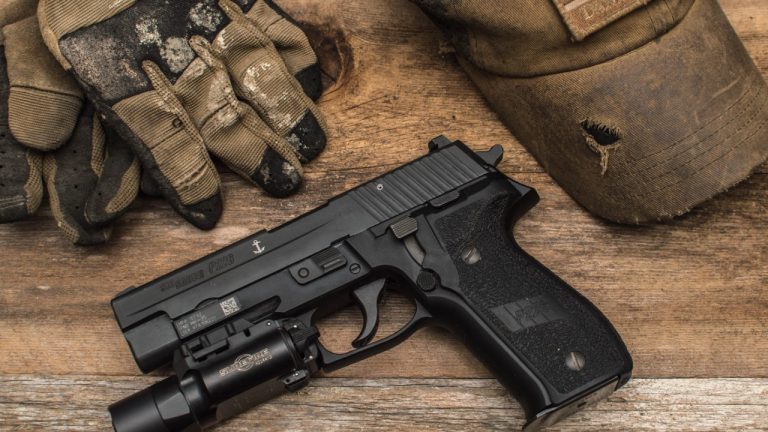
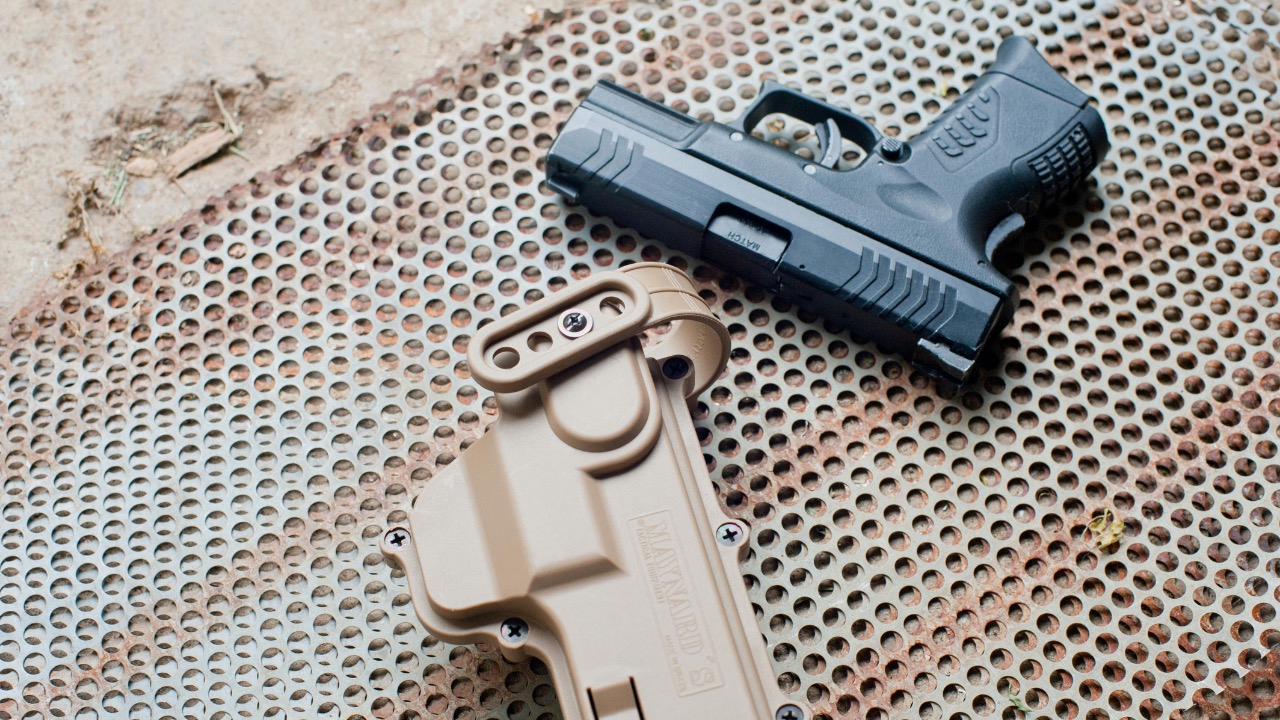
Holster choice is one of the most visible divides between novices and experienced carriers. One detailed breakdown of the 7 Most Common Concealed Carry Mistakes warns against using a Craptastic Holster, explaining that flimsy designs can collapse, fail to protect the trigger or shift position at the worst moment. Another analysis of How Does Improper Holster Selection Affect Safety describes how One of the most frequent errors is improper holster selection and fitment, which can lead to negligent discharges or a gun that falls out during a struggle.
Seasoned shooters invest in a rigid, well-fitted holster that fully covers the trigger guard, retains the firearm during movement and allows a clean draw. They also pair it with a dedicated gun belt, echoing advice that a Proper Gun Belt and Holster matter more than an extra magazine or cosmetic upgrades. Some sources describe how a cheap belt lets the holster tilt away from the body, printing badly and slowing the draw.
Another pattern among experienced carriers is avoiding gimmicks. Clip-only designs that attach directly to the waistband, purse pockets with no structure and off-body bags without dedicated compartments all introduce ways for keys, pens or fingers to contact the trigger. Guides from companies that sell holsters still warn against these shortcuts, which signals how strongly the training community views the risk.
Gun Choice: Small Is Not Always Smarter
Many new carriers gravitate to the tiniest pistols on the shelf. One analysis of the 5 Biggest Mistakes Concealed Carriers Make notes that Many people are attracted to small defensive handguns simply because they can be more easily concealed. What they fail to appreciate is how much harder those guns can be to shoot well under pressure. A separate commentary on deadly mistakes argues that smaller pistols, at least for some shooters, are actually harder to run and have caused more cops to miss than anything else.
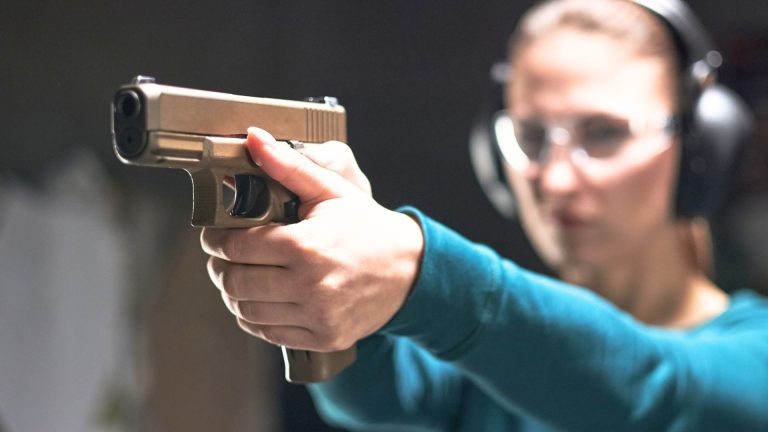
More experienced shooters tend to work backward from performance. They choose the largest handgun they can conceal consistently, then dress around the gun instead of forcing the smallest possible frame into every outfit. That often means a compact model such as a Glock 19 or Smith & Wesson M&P Compact rather than a micro .380, because the larger grip and longer sight radius support faster, more accurate follow-up shots.
They also test reliability with carry ammunition. Some guides on Common Mistakes mention that Choosing the wrong combination of gun and ammo can lead to failures in a self defense situation. Seasoned carriers run several magazines of their chosen hollow points through the pistol to confirm feeding and ejection before trusting it on a daily basis.
Legal Awareness: Permits, Reciprocity and Local Rules
Legal missteps do not always start with malice. One breakdown of 7 Common Conceal Carry Mistakes You Should Avoid lists Not Checking in With Your Local Gun Laws as a primary problem. The same source warns that Not every U.S jurisdictions allow for the same type of carry and that ignorance of With Your Local Gun Laws is no defense when an officer discovers a pistol in the glove box.
Another legal guide frames the issue more broadly, noting that While obtaining a concealed carry permit is a crucial first step, many permit holders inadvertently make mistakes that can lead to arrest or loss of rights. It stresses that understanding where carry is prohibited, how to handle traffic stops and when display of a firearm becomes brandishing is essential for any responsible gun owner.
Seasoned carriers keep a current copy of reciprocity maps and state rules on their phone, and they verify changes before crossing state lines. One long checklist on How To Avoid Of The Most Common Concealed Carry Mistakes specifically flags Forgetting Your CCW Permit At Home as a common error that can turn a routine encounter into a criminal charge. Experienced shooters treat the permit like a driver’s license and do not leave the driveway without it.
Training: Beyond the Basic Class
Almost every expert source agrees that the minimum class required for a permit is not enough. A detailed list of 12 Common Concealed Carry Mistakes highlights Not Having a Proper Mindset & Motivation, but it also points to carriers who never practice drawing from concealment, shooting on the move or using cover. Another training focused piece titled How To Fix Typical Mistakes Gun Owners Make explains that Real self-defense shootings are messy and dynamic, which is why static target practice fails to prepare people for the real thing.
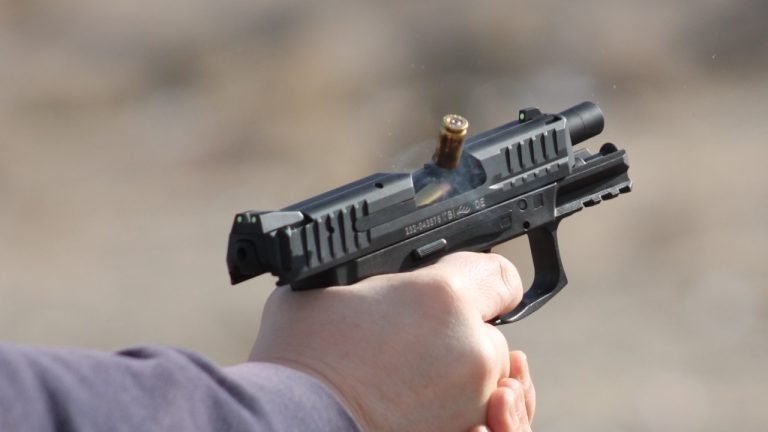
Experienced shooters schedule regular live-fire sessions that include drawing from their actual holster, shooting from awkward positions and working with a shot timer. They supplement that with dry fire at home, using unloaded guns to rehearse the draw stroke and trigger press. One video that breaks down the top 10 mistakes people make when carrying stresses that these repetitions help avoid common pitfalls and ensure you are carrying safely and effectively.
They also seek out scenario-based classes. Some instructors describe four common self-defense errors that show up repeatedly in force-on-force training, such as failing to move off the line of attack or neglecting to use available cover. Experienced carriers look for courses that incorporate these elements rather than relying solely on slow-fire bullseye shooting.
Everyday Carry Habits: Consistency Over Convenience
Consistency is another marker of experienced carriers. One checklist on How To Avoid 32 Of The Most Common Concealed Carry Mistakes points out that forgetting gear, especially identification and permit cards, is more common than people admit. It notes that if you are not carrying your permit, you may be violating state law even if the gun itself is legal.
Seasoned shooters build routines to avoid such lapses. They use the same holster position most days, keep a dedicated tray or safe for their pistol, magazines, flashlight and permit, and treat the load and unload process as a quiet ritual. This habit reduces the odds of leaving a gun in a backpack that later goes to a school or workplace.
They also avoid casual handling in public. Several guides warn against constant shirt checks, pocket adjustments or fidgeting with the grip, which draw attention and can be interpreted as brandishing. A piece on 7 Things I Wish I Knew Before I Carried Concealed describes how the first time someone carries, they may feel like all eyes are on them and Are they going to notice your pistol. Experienced carriers accept that most people are not looking for printing and simply go about their day.
Situational Awareness: Seeing Trouble Early
Mindset and awareness overlap but are not identical. The law enforcement veteran in the video on 3 Concealed Carry Mistakes That Could Get You Killed emphasizes that Awareness is the key because it allows a person to avoid locations and people that increase risk. Another training article notes that many people repeat the same errors because they walk through parking lots staring at phones, unaware of who is closing distance on them.
Experienced shooters practice simple habits: scanning parking lots before exiting a vehicle, choosing seats in restaurants with a view of entrances and maintaining personal space in lines and crowded spaces. They use these habits whether armed or not, which keeps the behavior from looking suspicious or forced.
They also rehearse verbal boundaries. Having a firm, practiced phrase to tell an approaching stranger to stop, such as “I cannot help you, please stay back,” creates a clear line that can later matter in court if a situation escalates. Legal guides that discuss Know Your Rights point out that prosecutors and juries pay attention to whether a defender tried to disengage before drawing a weapon.
Maintenance and Ammunition: Reliability Is Non‑Negotiable
Mechanical reliability is another area where experienced carriers separate themselves. Several maintenance guides stress that Consistent practice of these maintenance protocols helps in avoiding common pitfalls, such as corrosion and fouling, that can impact performance. They argue that a clean, lubricated firearm remains accurate and reliable over time, while neglect leads to failures that always seem to appear at the worst moment.
One overview of concealed carry mistakes advises shooters to Always make sure to stock up on fresh ammo so you can always depend on it firing properly. It recommends rotating defensive ammunition periodically and cleaning magazines, since dirt and pocket lint can slow followers or block feed lips. Another checklist on top 10 mistakes calls out Ignoring Firearm Maintenance as a specific error that can turn a quality pistol into an unreliable tool.
Experienced shooters schedule maintenance just as they schedule practice. After each range trip, they field strip, clean and lubricate, then perform a quick function check. They inspect holsters and belts for cracks or loose screws, following advice that holsters should be well respected and free of wear that could compromise retention or trigger coverage.
Common Legal and Tactical Errors During Incidents
Even carriers who avoid most daily mistakes can stumble once an incident begins. One analysis of Top Concealed Carry Errors Explained describes actions that are potentially illegal, bad tactical decisions or that display an improper mindset. Examples include chasing a fleeing suspect, firing warning shots or stepping into a fight that could have been avoided.

Leo’s been tracking game and tuning gear since he could stand upright. He’s sharp, driven, and knows how to keep things running when conditions turn.