Common mistakes hunters make when tracking game near property lines
Tracking wounded game along a property boundary is one of the most stressful situations a hunter can face. Shots that feel routine in the stand can turn into legal and ethical headaches once a deer or other animal runs toward a fence line, a posted sign, or the edge of public land. The difference between a clean recovery and a trespassing complaint often comes down to a handful of preventable mistakes.
Hunters who prepare for these edge cases ahead of time, understand local regulations, and respect neighboring landowners are far less likely to end the day with a ticket or a damaged relationship. The most common errors near property lines are not about marksmanship, but about judgment, communication, and basic fieldcraft.
What happened

Every season, wildlife officers and landowners deal with the fallout from animals that cross boundaries after the shot. A deer clipped too far back, a coyote that circles wide, or a turkey that glides over a fence can all trigger the same chain of events: a rushed tracking job, a boundary crossed without permission, and a dispute that can escalate into a citation or an arrest.
State agencies routinely list trespass, failure to obtain permission, and poor shot selection among the most common hunting violations. In Michigan, conservation officers have highlighted that many complaints start when hunters fire toward a property line, then follow a blood trail across it without first contacting the landowner. The Michigan Department of Natural Resources has warned that hunters who ignore posted signs or assume they can retrieve game without consent risk charges that range from simple trespass to more serious hunting violations, depending on how far they push the boundary. Those reminders sit alongside broader guidance on avoiding common hunting violations such as failing to tag animals properly or carrying the wrong license.
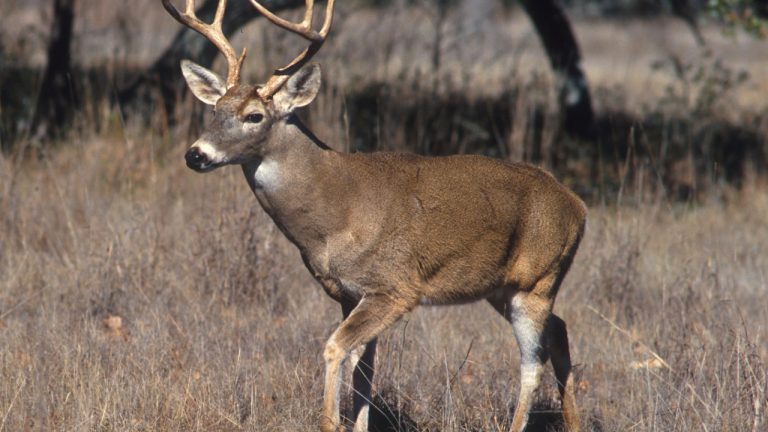
On the ground, the pattern repeats in familiar ways. A hunter sets up close to a fence because that is where deer travel. The shot opportunity comes late in the day, often at the edge of legal light. The animal runs, jumps the fence, and disappears into cover on the neighbor’s side. Instead of stopping to think, the hunter climbs down, hurries to the last blood, and crosses the line to keep the trail hot. If someone is watching, the call to law enforcement can come before the hunter even finds the deer.
Experienced hunters and instructors point out that many of these incidents begin long before the trigger is pulled. They start during scouting, when a hunter chooses a stand that leaves no margin for error near a posted boundary. They start when a hunter fails to confirm where the exact line runs, relies on an outdated phone map, or ignores the need to talk with neighbors before the season. They also start when hunters underestimate how far a wounded deer can run, even after a seemingly perfect hit, and fail to build that reality into their shot decisions.
Public land brings its own twist. On crowded tracts, one hunter’s shot can send an animal sprinting across several parcels, including private inholdings or safety zones around homes. Without clear knowledge of those boundaries, a well-intentioned tracking job can quickly cross into areas where hunting or even entry is prohibited. That confusion is compounded when property lines are unmarked on the ground, or when fences do not match survey lines.
Hunters who have shared their own mistakes often describe the same themes. They misjudged distance to the line. They took a quartering-away shot that left little room for error. They assumed a mortally hit deer would fall within sight. They believed a polite knock on a neighbor’s door after the fact would always smooth things over. In reality, some landowners are already frustrated by previous trespass incidents, livestock spooked by gunfire, or damage to crops and fences. For those neighbors, the sight of a stranger with a rifle or bow on their side of the line can be the last straw.
The cumulative effect is a steady trickle of confrontations, citations, and strained relationships that could often have been avoided with better planning and clearer communication. Wildlife officers repeatedly stress that hunters are responsible for knowing where they are, where their bullets or arrows can travel, and what the law requires before stepping across any boundary to recover an animal.
Why it matters
Mistakes near property lines are not just technical errors. They carry legal risk, ethical weight, and reputational damage that extends far beyond a single season. At the most basic level, trespassing to retrieve game can result in fines, loss of hunting privileges, and even confiscation of firearms or bows, depending on state law and the severity of the violation. In some jurisdictions, a trespass tied to an illegal kill can count as a separate offense from the underlying hunting violation, multiplying the consequences.
Ethically, crossing a boundary without permission erodes the trust that hunting relies on. Many private land opportunities exist only because non-hunting landowners are willing to grant access to responsible sportsmen and sportswomen. When those landowners feel their property lines are ignored, they often respond by closing gates, posting more signs, and refusing permission to anyone. A single bad decision on a pressured deer can shut down access for entire groups of hunters for years.
There is also the matter of fair chase and respect for the animal. Poor shot selection near a boundary, especially when driven by impatience or competition, leads to more wounded game that is never recovered. Seasoned whitetail hunters have long warned that marginal shots, such as steep quartering angles or long attempts at the edge of effective range, dramatically increase the odds of losing an animal. Detailed breakdowns of deer hunting mistakes often highlight that hunters underestimate how far a wounded deer can travel and overestimate their own ability to track without bumping an animal farther.
When those marginal decisions happen within sight of a fence or posted line, the stakes climb. A deer that dies unrecovered on a neighbor’s property is not just a personal loss. It is a wasted animal that reflects poorly on all hunters in the area. Non-hunters who find a rotting carcass on their land, especially near homes or trails, often come away with a negative view of hunting in general, not just of the individual who took the shot.
Safety is another concern. Firing toward a boundary without a clear backstop can send bullets or slugs into areas where people live, work, or recreate. Many states have specific safety zone rules that prohibit shooting within a set distance of occupied buildings or livestock pens, even if the hunter is technically on legal ground. Violating those rules near a property line can trigger serious charges, especially if a building, vehicle, or animal is struck.
From a conservation perspective, repeated conflicts near property lines can complicate wildlife management goals. When landowners feel burned by trespass incidents, they may resist cooperative efforts with state agencies, such as antlerless harvest programs or habitat projects that require some level of public access. That resistance can make it harder to balance deer numbers, manage disease, or maintain corridors that benefit multiple species across property boundaries.
There is also a cultural dimension. Hunting has long relied on informal agreements between neighbors, handshake deals, and a shared understanding of respect for property. As more land changes hands, more parcels are subdivided, and more people move into rural areas without a hunting background, those informal norms are under pressure. New landowners may arrive with different expectations about privacy and liability. If hunters do not adjust their behavior accordingly, especially near lines, they risk feeding a narrative that hunting is incompatible with modern rural life.
At the same time, wildlife agencies and hunter education programs are trying to reduce violations by stressing preparation and communication. They encourage hunters to study maps, use GPS apps, and talk to neighbors well before opening day. They also remind hunters that ignorance of the boundary is not a defense. The responsibility to know where the line sits and what rules apply on each side rests entirely on the person carrying the weapon.
In that context, avoiding common mistakes near property lines is not just about staying out of trouble. It is about demonstrating that hunters can share crowded landscapes responsibly, respect private rights, and still pursue game effectively. The way hunters handle those edge situations shapes how landowners, law enforcement, and the broader public view hunting as a whole.
What to watch next
Looking ahead, the pressure around property lines is likely to increase rather than fade. More hunters are using digital mapping tools such as onX, HuntStand, and state agency apps to locate parcels, access points, and boundaries. Those tools reduce some confusion, but they are not perfect. Survey errors, outdated parcel data, and ambiguous fence lines can still leave gaps between what a phone shows and what the law recognizes.
Hunters who want to avoid trouble will need to pair technology with old-fashioned groundwork. That means contacting neighbors before the season to ask about access for tracking wounded game, clarifying where lines actually run, and understanding any local expectations about vehicles, firearms, or dogs on private land. Some landowners are open to written agreements that spell out when and how hunters can cross a boundary to recover animals, which can prevent heated arguments later.
Wildlife agencies are also likely to keep emphasizing boundary awareness in their outreach. Education campaigns that already focus on tagging, license compliance, and safe handling are increasingly folding in reminders about trespass and retrieval. In states like Michigan, where officers see recurring patterns of violations, officials have urged hunters to slow down, verify their location, and avoid assumptions about access when tracking. Guidance on avoiding common violationsoften pairs legal reminders with practical tips, such as marking last blood, backing out when uncertain, and calling a conservation officer if a landowner refuses reasonable retrieval.
On the ethical side, more hunter education instructors and mentors are encouraging conservative shot selection near boundaries. That can mean passing on animals that are too close to a fence, waiting for broadside angles that maximize the chance of a quick kill, and limiting shots to distances where a hunter has proven accuracy on the range. It can also mean choosing stand locations that give an animal room to run and expire on the hunter’s side of the line, rather than gambling on a perfect hit in a narrow corridor.
Tracking strategies are evolving as well. Blood-trailing dogs, whether personal or volunteer-based, are becoming more common in many states. Used correctly and with permission, they can shorten recovery times and reduce the distance a wounded animal travels. However, they also introduce new boundary questions, since handlers must secure consent before entering private land. Hunters who plan to use dogs near property lines will need to coordinate with neighbors and understand any special rules for leashes, firearms, or nighttime retrieval.

Leo’s been tracking game and tuning gear since he could stand upright. He’s sharp, driven, and knows how to keep things running when conditions turn.