What to do if you find a baby squirrel in your yard
People often stumble on tiny squirrels in the grass and assume they have been abandoned, but a rushed rescue can do more harm than good. Knowing how to tell whether a young squirrel truly needs help, and what to do in those first minutes, can mean the difference between a successful reunion with its mother and an unnecessary, risky intervention.
With squirrel breeding seasons peaking in late winter and again in late summer in many regions, encounters with youngsters are common in yards, parks, and even city sidewalks. A calm, step-by-step response protects both the animal and the person who found it, while keeping wildlife agencies and rehabilitators free to focus on the animals that genuinely cannot survive without human help.
What happened
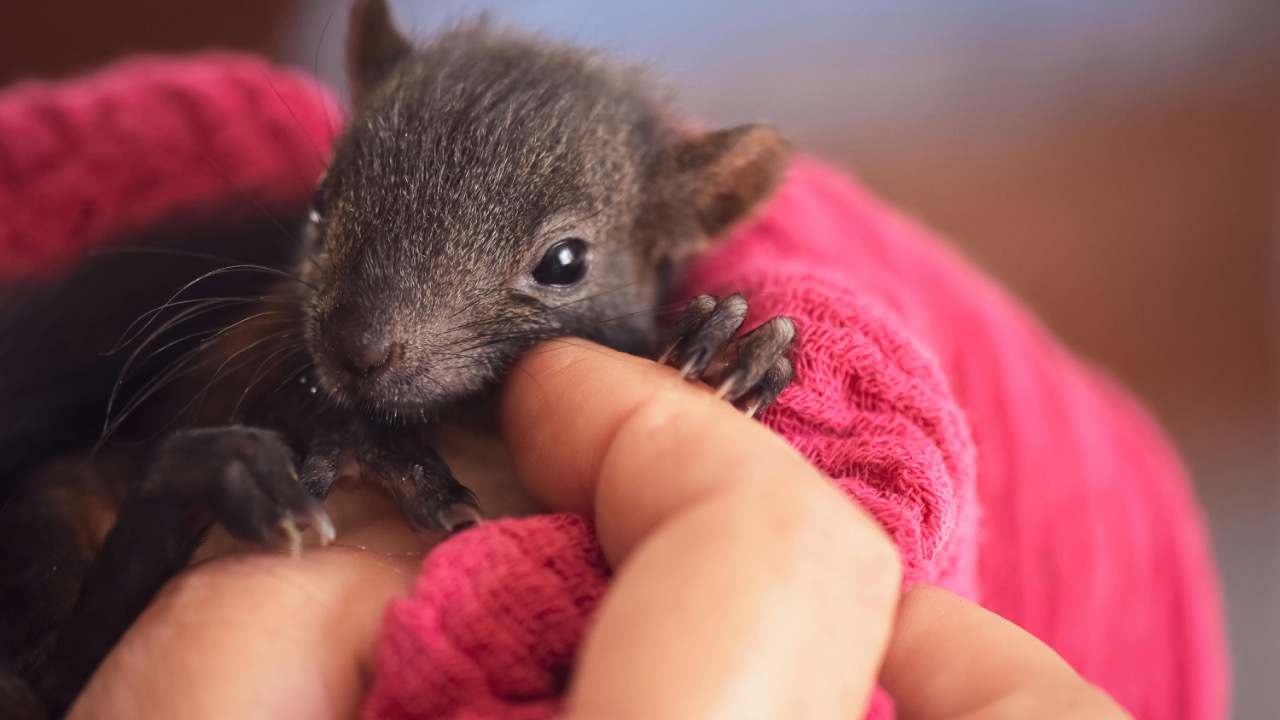
Most baby squirrels discovered in yards have not fallen out of the sky. They are usually the result of a nest being blown apart in a storm, a tree being cut or trimmed, or a young squirrel venturing too far on its first clumsy climb. Wildlife groups describe a predictable pattern: someone sees a small gray or pink body on the ground, assumes it is orphaned, scoops it up, and drives it to a shelter, only to learn that the mother was likely nearby searching for it.
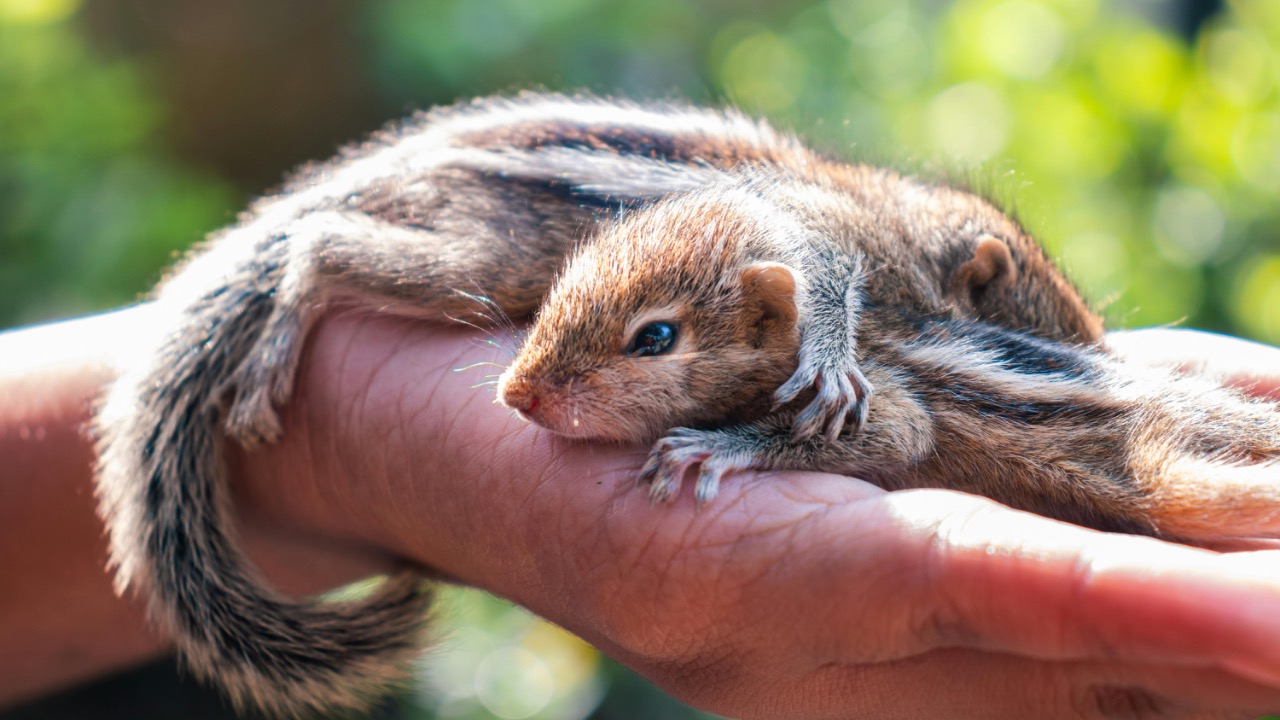
Specialists emphasize that the first task is to figure out whether the squirrel is truly a baby and how old it might be. A hairless, pink animal with closed eyes is a neonate that cannot regulate temperature or eat on its own. A slightly older youngster may have thin fur, eyes still shut, and ears folded. By around six weeks, the fur is thicker, the eyes are open, and the squirrel can sit upright, although it may still look small and shaky. Guides that compare stages of development, such as those used in baby squirrel identification, help people judge whether the animal is a nestling that must be with its mother or a juvenile that is already partly independent.
Once age is roughly assessed, the next step is a quick health check from a distance. Wildlife rehabilitators advise watching for obvious bleeding, twisted limbs, maggots on the skin, or a body that feels cold and limp when gently touched. If the squirrel is alert, vocal, and trying to crawl or climb, it is more likely to be healthy enough to reunite with its mother. If it is cold, unresponsive, or breathing with difficulty, it is in immediate trouble.
In many cases, the story behind a baby on the lawn is simple: it fell from a nest that is still active. Adult squirrels are attentive parents and will usually retrieve their young if given the chance. Practical guides on what to do after a fall, such as those shared by wildlife experts, describe mothers carrying their babies back to the nest in their mouths, sometimes making multiple trips after a storm or disturbance.
Rehabilitators often recommend a structured response. First, keep pets and children indoors so the area stays quiet. Next, if the squirrel is uninjured, place it in a shallow open box or container lined with a soft cloth, then position that container near the base of the tree where it was found or as close as possible to the original nest site. The box should be shaded and secure from ants or standing water. Finally, step well back and watch discreetly for at least one to two hours to see whether the mother returns.
Wildlife centers say that people frequently give up too soon and assume the mother is gone if she does not appear within a few minutes. In reality, adult squirrels may wait until humans leave the area before approaching. Some guides suggest extending the watch period into the early evening, since mothers may be more comfortable retrieving young when the yard is quiet. If the baby is very small and the weather is cool, a warm, not hot, rice sock or bottle wrapped in a cloth can be placed under the nesting material in the box to keep its body temperature stable while waiting.
There are, however, situations where immediate human help is justified. If a tree with an active nest has been felled and the mother is seen dead nearby, or if a baby is found in the mouth of a cat or dog, rehabilitators consider the young squirrel compromised. Detailed advice from regional wildlife programs, such as New England rescuers, lists additional red flags: flies swarming the body, deep puncture wounds, or a baby lying on cold ground for hours. In those cases, the recommended action is to contact a licensed wildlife rehabilitator or state wildlife agency as soon as possible.
Stories shared by front-line rescuers show how quickly circumstances can shift. In one widely circulated example, a woman found a tiny pink squirrel in her yard, initially assuming it was already dead. After she realized it was still breathing, she sought expert guidance and worked with a rehabilitator who provided proper formula and care. The account, described in detail in a firsthand rescue story, illustrates both the fragility of neonates and the importance of professional support when a true orphan is found.
Local wildlife centers also stress that not every young squirrel on the ground is in distress. Nature education groups in Ohio, for example, have urged residents to pause before scooping up active juveniles that are running, climbing, and exploring. Staff at one rehabilitation facility explained that many of the squirrels people bring in could have stayed in the wild if finders had followed a simple checklist and monitored from a distance, advice echoed in their public guidance on baby squirrels.
Why it matters
The way people respond to a baby squirrel on the lawn has consequences that reach far beyond one small animal. Wild squirrels play a significant role in local ecosystems, particularly through their habit of burying nuts and forgetting some of them. Those cached seeds can grow into new trees and shrubs, which in turn support birds, insects, and other wildlife. Removing healthy young squirrels from their habitat reduces the number that survive to adulthood and continue that work.
Wildlife professionals also warn that well-intentioned rescues can unintentionally create suffering. A baby squirrel raised by an untrained person is at high risk of malnutrition, aspiration pneumonia from being fed incorrectly, and imprinting on humans. Many online tutorials encourage feeding cow’s milk or homemade mixtures, but rehabilitators consistently stress that these products can cause diarrhea, dehydration, and death. Veterinary-backed guides, including those summarized in expert advice, recommend that untrained finders never attempt to feed a wild squirrel and instead focus on warmth, quiet, and contacting professionals.
Legal considerations add another layer. In several states, keeping a wild squirrel as a pet is prohibited without a permit, and even temporary home care may be restricted. Wildlife agencies typically authorize only licensed rehabilitators to raise orphaned or injured squirrels for release. This framework exists not only to protect animals but also to reduce the risk of disease transmission and bites. Although squirrels are not common carriers of rabies compared with some other mammals, they can still inflict painful bites and scratches, especially as they grow and their natural wariness returns.
Public messaging from humane societies and wildlife groups reflects a broader shift in how communities view wild animals in urban and suburban spaces. Rather than treating every young animal as a candidate for adoption, agencies encourage residents to see themselves as temporary guardians of habitat. When a storm scatters nests, the recommended response is to secure the area, offer a safe platform, and give parents a chance to resume care. Guidance from organizations such as the RSPCA on baby emphasizes that the mother is almost always better equipped than a human to raise her young, as long as she is alive and can reach them.
These policies are not only about individual animals. Wildlife centers report that baby season stretches their capacity each year, with staff juggling dozens of orphaned squirrels, rabbits, and songbirds at once. When healthy young squirrels are removed unnecessarily, they occupy cages, formula, and staff time that could go to animals that truly have no chance without human help. Regional guides to handling found wildlife, such as those compiled for residents in Delaware communities, repeatedly stress that leaving healthy young animals in place is often the most humane option.
There is also an ethical dimension to how people interact with wild creatures in their yards. Squirrels are adaptable and often live close to humans, but they remain wild animals with their own social structures and survival strategies. Intervening only when necessary respects that independence. Nature writers who have chronicled their own encounters with baby squirrels describe a tension between the impulse to nurture and the responsibility to avoid unnecessary interference. Some, reflecting on advice from rehabilitators, have concluded that the hardest but kindest choice is often to step back, a perspective echoed in personal accounts of these encounters.
On a household level, understanding how to respond can reduce conflict and fear. Homeowners sometimes worry that leaving a baby squirrel in the yard will attract predators or lead to property damage. In practice, the period when a young squirrel is grounded and vulnerable is usually brief, especially if the mother is alive and searching. By providing a contained, elevated box and keeping pets away, residents can shorten that window of risk while still allowing a natural reunion.
For children, these moments can become powerful lessons about wild animals. Parents who involve kids in setting up a reunion box, watching from a window, and then seeing the mother return can show that helping does not always mean touching or keeping. Educators who work with backyard wildlife, including those who write for gardening and birding audiences, often frame these experiences as opportunities to teach respect for natural processes, a theme that runs through practical guides such as the backyard wildlife resources many families use.
Community norms also shift when residents share accurate information. Local columns and nature notes, such as those published for coastal New England readers in regional nature coverage, have helped spread simple rules of thumb: observe first, contain if necessary, reunite when possible, and call licensed help if the animal is injured or the mother does not return. As more people follow those steps, wildlife centers see fewer unnecessary drop-offs and more successful reunions in the field.
Finally, the way communities respond to baby squirrels connects to a wider conversation about coexisting with wildlife. Urbanization and tree removal disrupt nesting sites, pushing animals into smaller patches of habitat. When residents choose to protect nest trees during breeding season, delay nonessential pruning, or check for active nests before cutting, they reduce the number of babies that end up on the ground in the first place. Some local advice columns now explicitly encourage homeowners to time major tree work for late fall, when most young squirrels are already independent.

Leo’s been tracking game and tuning gear since he could stand upright. He’s sharp, driven, and knows how to keep things running when conditions turn.