Fifteen animals that seem harmless — until they aren’t
Some of the most dangerous animals on Earth don’t resemble movie monsters. They look soft, slow, even friendly, which is exactly why people drop their guard around them. When that happens, a curious selfie, a casual swim or a quick walk in the park can turn into a medical emergency.
This piece looks at fifteen animals that often seem harmless at first glance, then explains how and why encounters with them sometimes go very wrong. The aim is not to scare anyone away from wildlife, but to show how a little knowledge and distance can keep both people and animals safer.
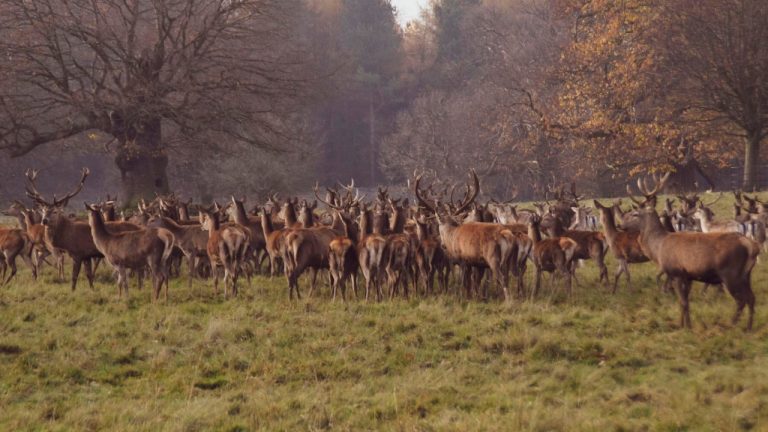
1. Deer: gentle silhouettes with serious impact

Deer are so common along roadsides and in suburbs that many people barely register them as wild animals at all. Quiet and plant eating, and often associated with children’s stories, they make it easy to forget how much damage one startled deer can do in a split second. When a driver meets a deer at highway speed, the animal’s size and unpredictability can turn a routine commute into a high speed crash.
Reporting on everyday risks notes that hunters and drivers are often hurt not by apex predators but by the “normal” animals they do not take seriously, including deer that bolt into traffic or collide with people in the woods, a pattern highlighted in lists of seemingly harmless creatures. Because deer are active at dawn and dusk, I try to treat every wooded stretch of road at those times as potential deer territory and slow down, especially in fall when they move more. The safest response is almost always to brake in a straight line rather than swerve, since many serious injuries come from drivers losing control after overreacting to a deer in the lane.
2. Bison: shaggy icons that demand distance
Bison look like slow, shaggy lawn mowers, and their calm grazing can fool people into walking far too close. In many national parks, visitors step out of their cars, turn their backs for a photo and forget that these animals can pivot and charge faster than most people can react. A full grown bison can weigh more than a small car, and even a short rush can toss a person into the air.
Wildlife educators warn that Bison injure people in popular parks when visitors ignore distance rules and try to get closer for a better look. Guidance from animal safety programs stresses that every year people travel to see these herds and some end up gored or trampled because they treat them like tame cattle instead of powerful wild animals. I try to remember that if I am close enough to fill my phone screen with a bison without zoom, I am already too close for my own safety and for the animal’s comfort.
3. Dogs: familiar pets with hidden bite risk
Because dogs live in our homes, many people assume every wagging tail signals safety. Most dogs never do serious harm, but they are still predators with strong jaws and fast reflexes. When a dog feels cornered, startled or protective, it can switch from friendly to defensive in a heartbeat, especially around children who may not read warning signals.
Analyses of everyday animal threats point out that the creatures that hurt people most often are not exotic species but common ones such as dogs in familiar. Many serious bites happen when a person leans over a dog’s head, tries to take food away or interrupts play that has become too intense. I try to treat every unfamiliar dog as an individual, ask the owner before approaching and teach children to let the dog come to them instead of rushing in for a hug.
4. Anteaters: insect eaters with weapons for claws
Anteaters look almost comic, with long noses and slow, rolling walks, and they feed on ants rather than big prey. That gentle diet hides the fact that they carry serious hardware on their front feet. Those claws are built to rip open termite mounds, which means they can also tear skin and muscle in seconds if the animal feels trapped.
Coverage of surprising wildlife hazards notes that Anteaters look innocent and focus on insects, but can still be deadly when they lash out with those powerful forelimbs. Handlers who work with them use heavy gloves and keep their bodies out of reach of the front claws, which is a good reminder for anyone who might meet one in a zoo or rescue center. I try to remember that an animal’s diet says little about how much damage it can do if it feels it has no escape.
5. Box jellyfish: almost invisible, often lethal
Box jellyfish are the opposite of a classic scary animal, since they are nearly transparent and drift quietly in clear tropical water. Swimmers may not see them at all until they feel the sting, and by then the venom is already entering the bloodstream. This mismatch between appearance and danger is part of why they are so feared in some coastal regions.
Marine science reporting explains that each box jellyfish tentacle carries tiny darts called nematocyst cells that shoot fast acting poison directly into the bloodstream. Lists of the most dangerous animals on Earth often rank these jellyfish near the top because a single encounter can cause heart failure in minutes. When I read local beach warnings, I take jellyfish alerts as seriously as shark flags, even if the water looks empty and calm.
6. Hippos and cape buffalo: calm shapes with explosive power
Hippos spend much of their time bobbing in rivers, which makes them look lazy and almost comical. Tourists sometimes see only rounded backs and wide mouths and forget that these animals are fast on land and extremely territorial in water. Boats or people that drift between a hippo and deep water can trigger a sudden charge that flips vessels and crushes anyone in the way.
Wildlife risk lists describe how large herbivores such as hippos and other grazing giants kill people who assume that plant eaters are safe. Cape buffalo add another layer of risk, since they are heavily built herd animals that may respond to threats by charging together rather than fleeing. When I look at river scenes from Africa, I try to remember that the quiet surface hides animals with the strength to overturn a small boat in seconds.
7. Moose, elk and “peaceful” grazers
Moose and elk are often framed as gentle forest giants, and their slow browsing in meadows can look almost meditative. That calm behavior encourages hikers and drivers to relax around them, especially in places where they are used to seeing these animals near roads or towns. The danger comes when a person moves too close, traps an animal against a fence or meets one on a dark road.
Guides to animals that seem serene point out that some of the most peaceful looking can still lash out with hooves or antlers when they feel cornered. Lists of creatures that hurt hunters more often than predators do also mention elk, which can gore or trample people who walk between a male and his harem during the rut. I try to give any antlered animal a wide berth, no matter how relaxed it appears, and keep the car speed down in areas marked for moose crossings.
8. Mountain lions, black bears and “rarely dangerous” neighbors
In many parts of North America, people share suburbs and hiking trails with mountain lions and black bears. These animals usually avoid humans, which can create a false sense of security when sightings are rare. The real risk rises when people feed wildlife, leave trash out or let pets roam, which pulls predators closer to homes and campsites.
Health guidance from Colorado explains that the state’s wildlife is incredible to see and rarely dangerous, but also stresses the need to know how to respond if you encounter a mountain lion or bear. A related safety post on Colorado’s wildlifeurges people to stay calm, make themselves look larger and back away slowly instead of running. I try to think of these predators as shy neighbors: they usually keep their distance, but they demand respect for their space and food sources.
9. Mosquitoes, snails and flies: tiny bodies, huge death toll
Some of the deadliest animals on the planet are so small that most people never notice them as individuals. Mosquitoes, freshwater snails and certain flies look like minor annoyances, but they act as vehicles for parasites and viruses that kill hundreds of thousands of people each year. Their danger lies not in teeth or claws but in the diseases that move silently from host to host.
Analyses of the world’s deadliest animals rank mosquitoes, snails and flies at the top because of the malaria, dengue, schistosomiasis and other illnesses they spread. Broader lists of dangerous species echo this pattern, showing that tiny invertebrates far outpace big predators in human deaths. I treat insect repellent, bed nets and clean water as some of the most effective “wildlife safety” tools we have, even though the animals involved are easy to overlook.
10. Boxfish and other “crazy” small creatures
Some small sea creatures look like toys, with bright colors and odd shapes that invite curiosity. Boxfish and similar reef animals often move slowly and appear harmless, which tempts snorkelers to reach out and touch them. What many people do not realize is that some of these species release toxins into the water or carry venom in their spines.
Nature features on unusual wildlife describe crazy creatures that regenerate limbs, survive extreme conditions or defend themselves with chemical weapons. These adaptations help small animals survive predators, but they also mean that a curious human hand can end up in serious pain. When I snorkel, I try to follow a simple rule: look, do not touch, no matter how cute or slow moving a fish appears.
11. Swans and geese: elegant birds with aggressive streaks
Swans glide across ponds in city parks and wedding photos, which makes them symbols of grace more than of danger. Geese waddle across lawns and accept handouts of bread, creating the impression that they are almost domestic. Both birds, however, can turn aggressive very quickly when they are nesting or when they think someone is threatening their young.
Accounts of everyday animal injuries often mention how people are surprised when a large bird chases, bites or knocks them over near a shoreline. Their wings are strong enough to bruise, and a fall on hard ground or into cold water can cause more harm than the bite itself. I try to admire these birds from a distance and avoid walking between a parent and its chicks, no matter how many breadcrumbs someone else is throwing.
12. Capybaras and manatees: friendly faces, risky situations
Capybaras have become social media stars, often shown lounging with other animals or letting children pet them. Manatees, sometimes called sea cows, float slowly in warm water and often seem to enjoy gentle contact with humans. Their calm behavior and soft features lead many people to think of them as safe, interactive wildlife.
Roundups of animals that may point out that even relaxed herbivores can injure people by accident when they are crowded or stressed. A startled capybara can bite hard, and a manatee’s sheer bulk can trap a swimmer against a boat or dock. I remind myself that wild animals are not therapy pets, and that the kindest thing I can do is enjoy them without trying to touch or feed them.
13. Big cats in captivity: tigers and lions behind the fence
Tigers and lions in roadside zoos or private collections often look bored, sleepy or even tame. People see handlers walking near them or bottle feeding cubs and start to think of them as oversized house cats. That illusion can be deadly, because the instincts and strength that make them apex predators in the wild do not disappear in captivity.

Leo’s been tracking game and tuning gear since he could stand upright. He’s sharp, driven, and knows how to keep things running when conditions turn.