Demand for electric-vehicle batteries drives controversial graphite exploration near sacred Lakota sites in Black Hills
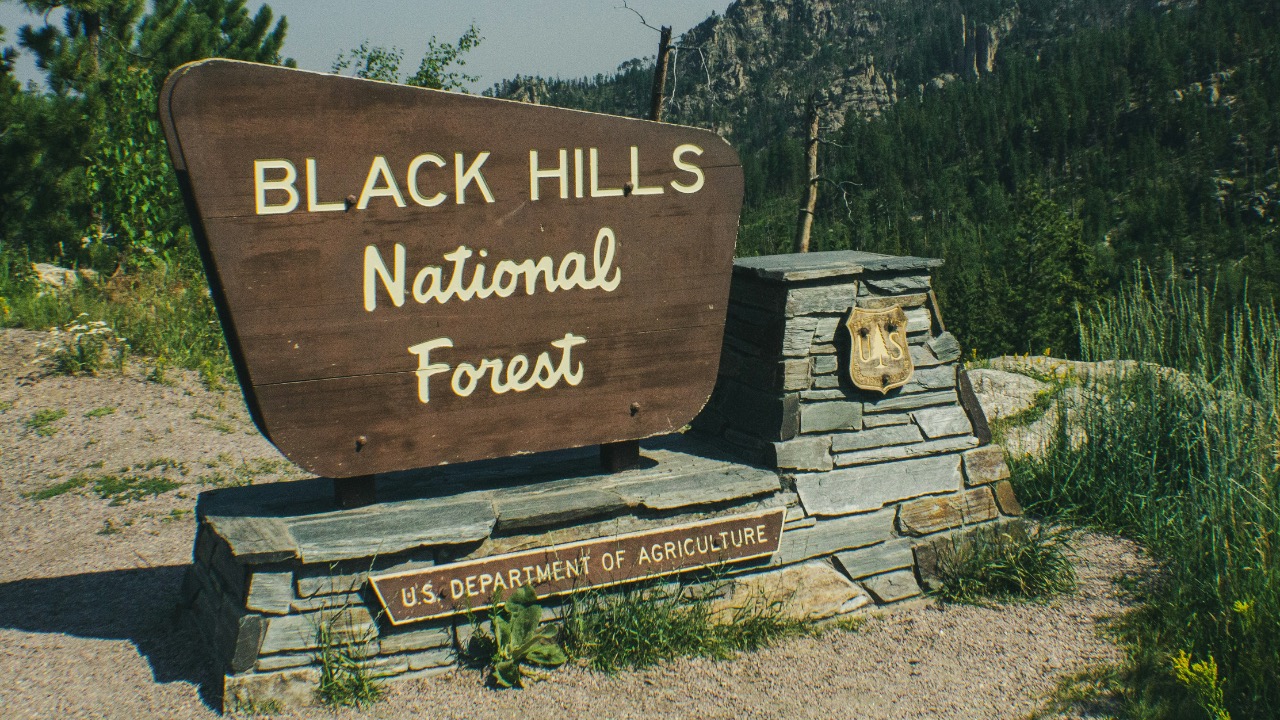
The Black Hills carry stories that stretch back centuries, and right now you see one unfolding in real time. Demand for graphite to feed electric-vehicle batteries has pulled a South Dakota mining company into a meadow the Lakota call Pe’Sla. Federal land managers approved exploratory drilling there with little notice. Tribes responded with lawsuits and people on the ground. The tension sits at the intersection of climate goals and longstanding treaty obligations, and it feels immediate because the drills have already started turning.
You watch the pieces connect: graphite as the quiet workhorse inside every lithium-ion battery, the Black Hills as both resource and spiritual center, and a federal process that moved faster than consultation could keep up. What follows lays out how this particular project took shape, who stands in its way, and what the stakes look like on the ground.
Pe’Sla holds centuries of cultural significance
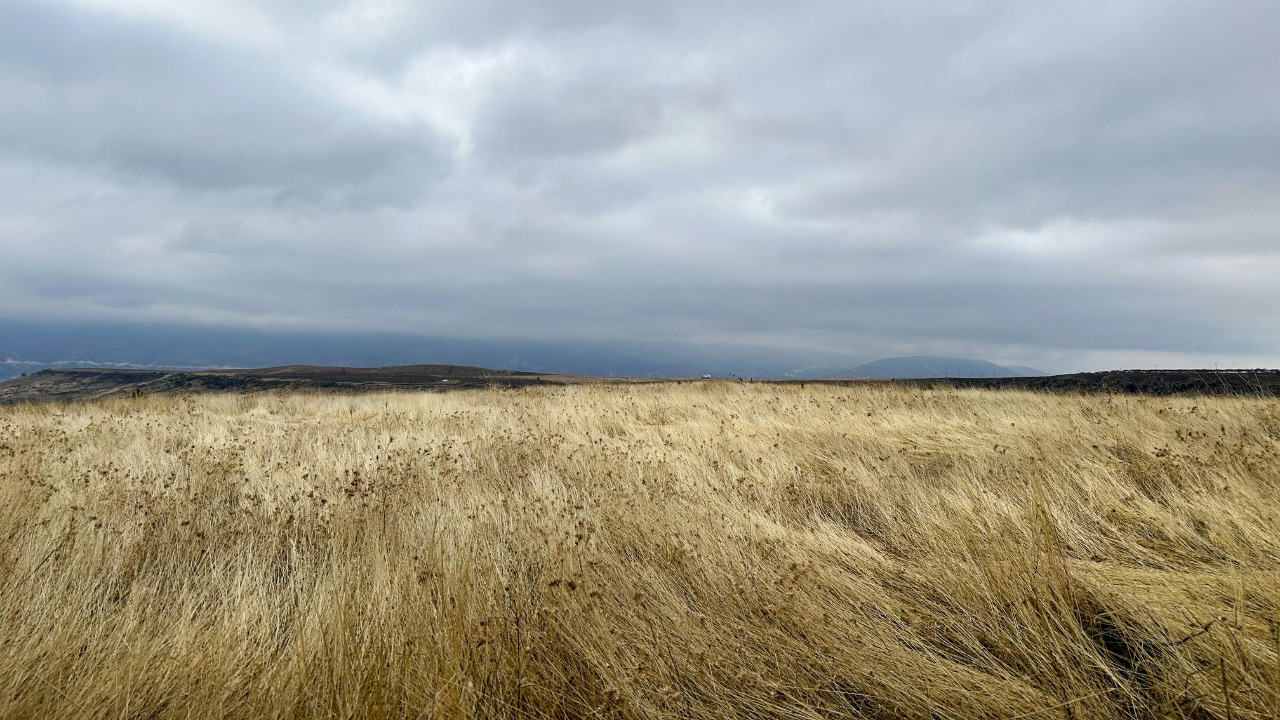
You stand in a high meadow ringed by pine where Oceti Sakowin people have gathered for prayer and ceremony longer than anyone can measure. Pe’Sla, also known as Reynolds Prairie, serves as a living place for youth camps, seasonal rites, and quiet reflection. Buffalo still graze across the grass, and the site sits at the center of the Black Hills that the Lakota name He Sapa, the heart of everything that is.
Tribes treat the meadow as an active homeland, not a relic. Families return year after year to maintain connections that predate any map or mining claim. When equipment rolls in, it lands directly inside the circle of those repeated visits, and the disruption registers as both physical and spiritual.
Graphite powers the shift to electric vehicles
You open the hood of a typical electric car and find graphite layered into the battery anode. It makes up more than half the active material in most lithium-ion cells, helping ions move smoothly so the vehicle can charge quickly and last longer on the road. Global carmakers ramp up production to meet sales targets, and every new battery pulls in more of the mineral.
The United States wants less dependence on foreign supplies, which currently come mostly from overseas refiners. Domestic exploration suddenly looks practical on paper, even in places that carry other values. The Black Hills deposits represent one small piece of that larger scramble for battery-grade material.
Pete Lien and Sons seeks to drill nearby
You trace the project back to a Rapid City company that knows the local geology. Pete Lien and Sons proposed exploratory holes to test for graphite on national forest land just outside Pe’Sla. Their plan calls for up to eighteen narrow boreholes drilled a thousand feet down to bring up core samples and gauge what lies beneath.
The work stays in the early stage for now, focused on data rather than full extraction. Still, the pads sit close enough that dust, noise, and traffic reach the meadow edge. The company frames the effort as standard business on public land, but proximity turns it into something more charged.
The Forest Service opted for a fast track
You notice the agency chose a categorical exclusion to greenlight the drilling. That shortcut skips the longer environmental impact statement and the deeper tribal consultation that usually accompanies projects near sensitive areas. Approval came in late February without the full public review many expected.
Forest officials point to existing rules that allow quicker decisions on small-scale exploration. Critics argue the process ignored the site’s documented religious importance and the watershed it feeds. The decision landed quietly, and word spread through tribal networks before most outsiders heard anything.
Nine tribes file suit against the agencies
You read the complaint filed in South Dakota federal court by the Oglala Sioux, Cheyenne River Sioux, and seven other Oceti Sakowin nations. They accuse the Forest Service and Department of Agriculture of violating federal law by failing to consult before approving work near a place used for ongoing religious practice. The suit seeks an immediate halt.
Lawyers emphasize that the meadow falls inside treaty territory and carries protected status for cultural use. The tribes argue the drilling threatens their ability to practice traditions passed down for generations. The case sits before a judge while the drills keep turning.
Activists take to the site in protest
You hear reports of Lakota youth locking themselves to equipment to slow the work. Treaty defenders gather for ceremony near the drill pads, singing and praying on the same ground their ancestors used. Small groups camp nearby and document each shift of activity.
The actions draw media attention and keep pressure on the company and the agencies. Participants describe the protests as nonviolent defense of a shared inheritance. They want the public to see the human faces behind the legal filings and to understand why this meadow matters more than any single battery.
Risks extend to local water supplies
You follow the drainage from Pe’Sla downhill into Rapid Creek. The watershed supplies drinking water for Rapid City, Ellsworth Air Force Base, and communities farther downstream along the Cheyenne River. Any contamination from drilling fluid or runoff could travel those same paths.
Tribes and local groups worry about long-term effects on the aquifer even if the exploration stays short. They note the meadow’s unique biology and its role as a natural filter for the region. Once the drills stop, the land may heal, but trust in the process takes longer to mend.
Small deposits raise questions of scale
You learn early assessments describe the graphite here as low-grade and limited in volume. Industry observers doubt the find would support a full-scale mine that pays its way. The project looks more like a test run than a guaranteed economic win.
That detail sharpens the debate. If the resource proves marginal, the cultural and environmental cost starts to feel heavier than any gain. The conversation shifts from jobs and supply chains to precedent: whether public land near sacred sites should open this easily when the payoff remains uncertain.
This clash echoes larger national debates
You step back and see the Black Hills story repeat across the West. The drive for domestic critical minerals collides with indigenous rights, water protection, and treaty promises. Electric vehicles promise cleaner air, yet the minerals they need sometimes come from places that already carry deep scars.
Policymakers talk about balancing energy security with cultural respect, but on the ground those balances feel uneven. The Pe’Sla case tests whether consultation can actually slow the rush or whether speed will keep winning. The outcome here will shape how future projects land on other sensitive landscapes.

Asher was raised in the woods and on the water, and it shows. He’s logged more hours behind a rifle and under a heavy pack than most men twice his age.