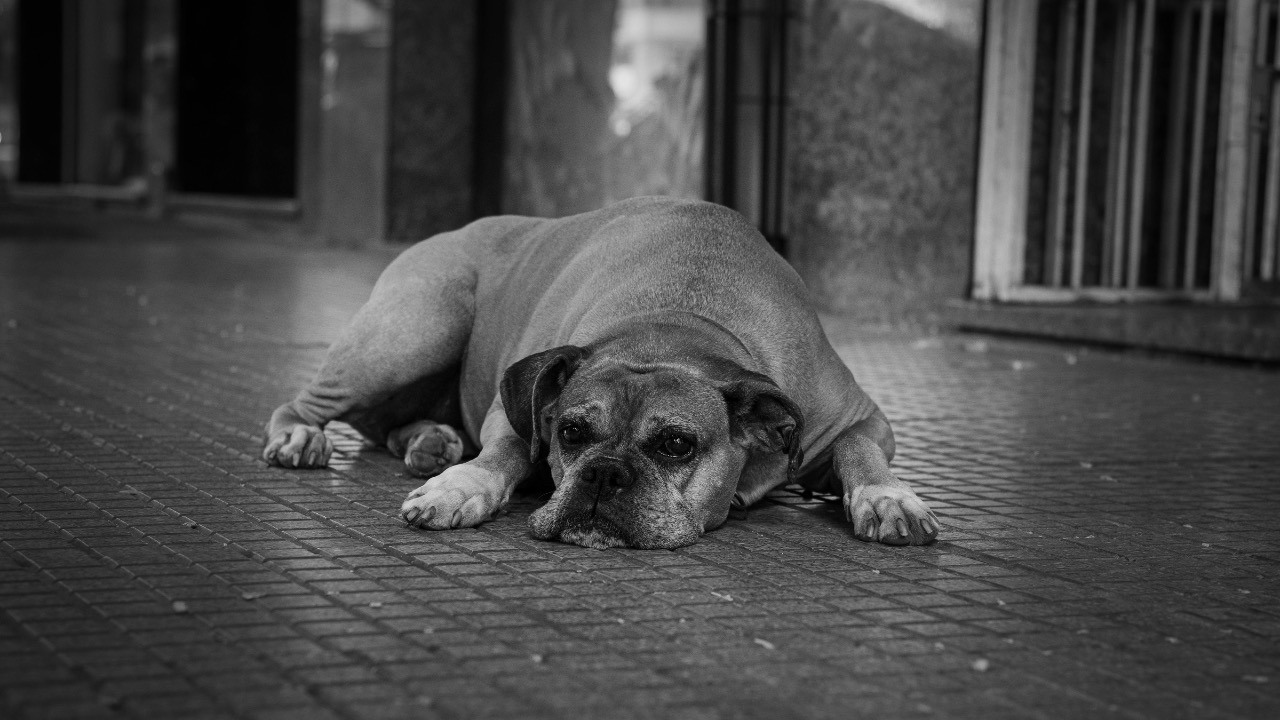
Dogs experience feelings of rejection when humans abruptly change their behaviour, psychologists say
Psychologists and animal behavior researchers say dogs can react emotionally when the people around them suddenly become distant, less affectionate, or unpredictable. While dogs do not process relationships exactly like humans do, studies continue to show they are highly sensitive to changes in tone, routine, and attention from the people they trust most.
Many experts believe dogs rely heavily on emotional consistency. Sudden shifts in behavior — such as ignoring them, stopping regular interaction, or changing household routines — can lead to visible stress responses. These reactions may include withdrawal, clinginess, changes in appetite, or unusual behavior patterns that owners quickly notice.
Why dogs react strongly to human behavior
Dogs have spent thousands of years adapting to human social cues, which is one reason they are unusually responsive to facial expressions, body language, and vocal tone. Researchers say this close bond means dogs often notice emotional changes even before people realize they are behaving differently.
Because of that, abrupt emotional distance can create confusion for an animal that depends heavily on routine and social connection. Experts say dogs may not understand “rejection” in the same complex way humans do, but they can still recognize when affection, attention, or interaction suddenly changes.
Emotional attachment plays a major role
Behavior specialists often compare the human-dog relationship to attachment systems seen in other social animals. Dogs frequently develop strong emotional reliance on specific people, especially owners who feed, train, and spend the most time with them.
When that relationship changes suddenly, the dog may respond with anxiety-related behavior. Some become quieter and withdrawn, while others become more attention-seeking or restless. The response can vary depending on the dog’s temperament, age, and past experiences.
Routine changes can affect dogs more than owners expect
Even relatively small shifts in a household can affect a dog’s behavior. Changes like longer work hours, new relationships, moving homes, or reduced interaction time can all disrupt routines that dogs become emotionally attached to over time.
Researchers say dogs often associate stability with safety. When routines change without gradual adjustment, it can increase stress levels and lead to behavior changes that owners may mistake for stubbornness or disobedience.
How dogs show emotional stress
Dogs express emotional discomfort differently than humans, which can make signs easy to overlook. Some dogs become unusually quiet or inactive, while others bark more, pace around the house, or suddenly act destructive.
Physical signs can appear too. Changes in sleeping habits, appetite, grooming behavior, or social interaction may signal emotional stress. Veterinarians and trainers often recommend observing patterns rather than focusing on a single unusual moment.
Experts say consistency matters most
Psychologists and animal behavior experts generally agree that consistency is one of the most important parts of building trust with dogs. Regular routines, predictable interaction, and steady communication help animals feel secure in their environment.
That doesn’t mean owners can never go through life changes or stressful periods. But experts say gradual adjustments, continued interaction, and maintaining familiar routines when possible can help reduce confusion and emotional stress for dogs adapting to changes in human behavior.

Leo’s been tracking game and tuning gear since he could stand upright. He’s sharp, driven, and knows how to keep things running when conditions turn.